
How to Find USA Keywords for SEO (The Smart Method in 2025)
Introduction
If you have ever spent weeks writing content only to watch it disappear on page five of Google, you already know the pain. The problem is almost always the same. You targeted the wrong keywords, or worse, you targeted keywords that work in one country but fall flat in the USA market.
How to Find USA Keywords for SEO? Finding the right USA keywords for SEO is one of the most important things you can do for your website. It shapes your content strategy, drives the right traffic, and ultimately determines whether your pages rank or get ignored. This article walks you through everything you need to know, from picking the right tools to understanding search intent, so you can build a keyword strategy that actually works for American audiences.
How to Find USA Keywords for SEO? Why USA Keywords Are Different From Global Keywords
Search behavior in the United States is unique. Americans use specific phrases, slang, and search patterns that differ from users in the UK, Australia, or Canada. Even when people in different countries search for the same topic, the exact wording often changes.
For example, a British user might search for “holiday packages,” while an American would type “vacation deals.” If you optimize for the wrong version, you miss a massive audience.
The USA is also one of the most competitive search markets in the world. Big brands, media companies, and thousands of businesses compete for top spots every day. That means you need to be smarter about which keywords you choose, how you use them, and how you target local or national intent.
When you focus specifically on USA keyword research, you get:
- More relevant traffic from American buyers
- Higher conversion rates because the language matches what users expect
- Better alignment with US search intent and buying behavior
- A stronger competitive edge in the American market
Start With the Right Keyword Research Tools
You cannot guess your way to the top of Google. You need data. The good news is that several powerful tools help you find USA keywords with location-specific filters and accurate search volume data.
Google Keyword Planner
This is the most trusted free tool for keyword research. It pulls data directly from Google, so the numbers reflect actual search behavior. You can set the location to the United States and get monthly search volume, competition level, and bid estimates for any keyword.
To use it for USA keywords:
- Open Google Ads and navigate to the Keyword Planner
- Click “Discover new keywords”
- Enter your seed keyword or website URL
- Set the location filter to “United States”
- Review the results and export the list
This tool gives you a solid foundation. The data is reliable and directly from Google.
Ahrefs
Ahrefs is one of the most powerful SEO tools available. Its keyword explorer lets you filter by country, so you can find keywords that rank specifically in the USA. You also get keyword difficulty scores, click-through rates, and detailed SERP analysis.
The “Also rank for” and “Questions” sections inside Ahrefs are goldmines for finding related keywords and long-tail variations.
SEMrush
SEMrush works similarly to Ahrefs and offers a USA-specific keyword database. One feature I find especially useful is the Keyword Magic Tool, which generates thousands of keyword ideas from a single seed term. You can filter by country, search volume, and keyword difficulty all at once.
Ubersuggest
If you are on a tighter budget, Ubersuggest offers free and affordable keyword data. You can set the country to the USA and get a solid list of keyword ideas, search volumes, and competition scores. It is not as deep as Ahrefs or SEMrush, but it gets the job done for beginners.
Google Trends
Google Trends is often overlooked, but it is incredibly valuable. You can compare keyword popularity over time and filter results specifically to the United States. This helps you identify seasonal trends, rising search terms, and topics that are gaining traction among American users right now.
How to Find the Right Seed Keywords
Every keyword research process starts with seed keywords. These are the core terms that describe your topic, product, or service. They are usually short, broad, and high volume.
To find strong seed keywords for a USA audience, think like your target customer.
Ask yourself:
- What would an American user type into Google to find what I offer?
- What problems does my product or service solve for US customers?
- What words do American buyers use in reviews, forums, or social media?
You can pull seed keyword ideas from several sources:
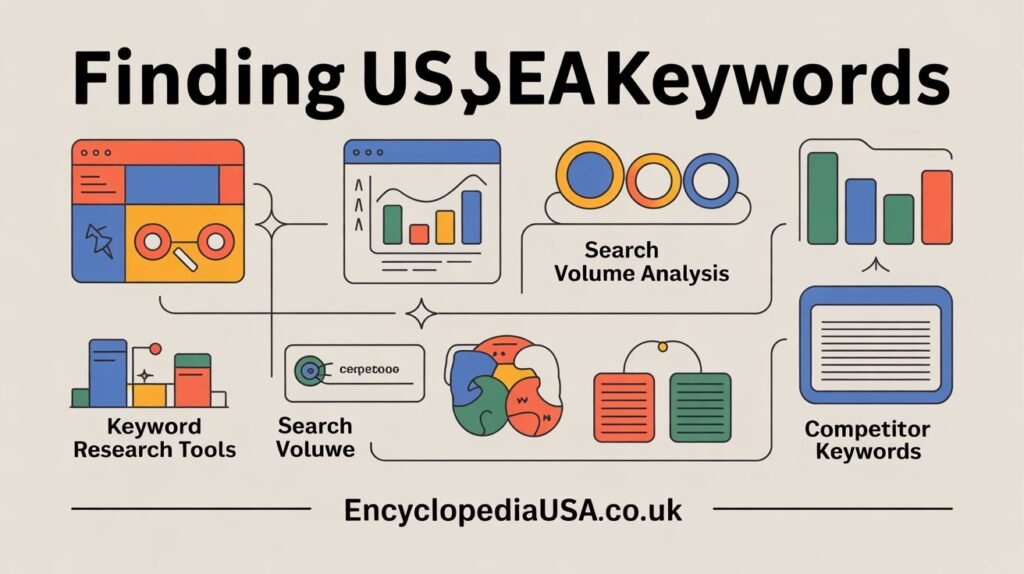
Your competitors. Run a competitor’s URL through Ahrefs or SEMrush to see which keywords bring them the most USA traffic. This is one of the fastest ways to find terms worth targeting.
Reddit and Quora. Browse threads related to your niche. Pay attention to how Americans phrase their questions and describe their problems. The exact language they use often translates directly into high-value keywords.
Amazon and product reviews. If you sell products, scan reviews in your category. People describe what they searched for, what they expected, and what they found. That language is pure keyword gold.
Google autocomplete. Type a broad term into Google and watch what it suggests. These suggestions come from real searches people make in the USA. Write them down and use them as seed terms.
Understand Search Intent Before You Target Any Keyword
Search intent is the reason behind a search. It is the single most important factor in keyword selection, and most people ignore it completely.
Google organizes search intent into four main categories:
Informational: The user wants to learn something. Example: “how does SEO work”
Navigational: The user is looking for a specific website or brand. Example: “Ahrefs login”
Commercial: The user is researching before making a purchase. Example: “best SEO tools for small business”
Transactional: The user is ready to buy. Example: “buy SEO software monthly plan”
When you target a keyword, you need to match your content to the right intent. If someone searches for an informational keyword and lands on a product page, they will leave immediately. That hurts your rankings and wastes your traffic.
For USA-specific searches, transactional and commercial intent keywords often have the highest value because American consumers are among the most active online buyers in the world.
Focus on Long-Tail Keywords for USA Traffic
Short keywords like “shoes” or “SEO” are almost impossible to rank for unless you are a major brand. Long-tail keywords are longer, more specific phrases that have lower competition and higher conversion rates.
For USA audiences, long-tail keywords work especially well because:
- They reflect how Americans actually search (naturally, conversationally)
- They often align with voice search behavior, which is growing fast in the US
- They attract users who know exactly what they want, making them more likely to convert
Some examples of long-tail USA keywords:
- “affordable SEO services for small businesses in Texas”
- “best keyword research tools for US market 2025”
- “how to rank on Google in the United States”
You can find long-tail keyword ideas using the “Questions” feature in Ahrefs, the “People Also Ask” section on Google, and the AnswerThePublic tool, which visualizes all the questions people ask around a topic.
Use Location-Based Keywords for Local USA SEO
If your business serves specific cities, states, or regions in the USA, local keywords are essential. These are keywords that include geographic modifiers like city names, state names, or phrases like “near me.”
Local USA keywords examples:
- “plumber in Chicago”
- “digital marketing agency New York”
- “best coffee shop Los Angeles”
To find local keywords, use the same tools mentioned earlier but add location modifiers to your seed terms. You can also use Google’s local search features and tools like BrightLocal or Moz Local to analyze local keyword opportunities.
One thing to keep in mind: “near me” searches have exploded in the USA. According to Google data, “near me” searches have grown by over 500% in recent years. Optimizing for this intent can drive serious foot traffic and local leads.
Analyze Keyword Difficulty and Choose Realistic Targets
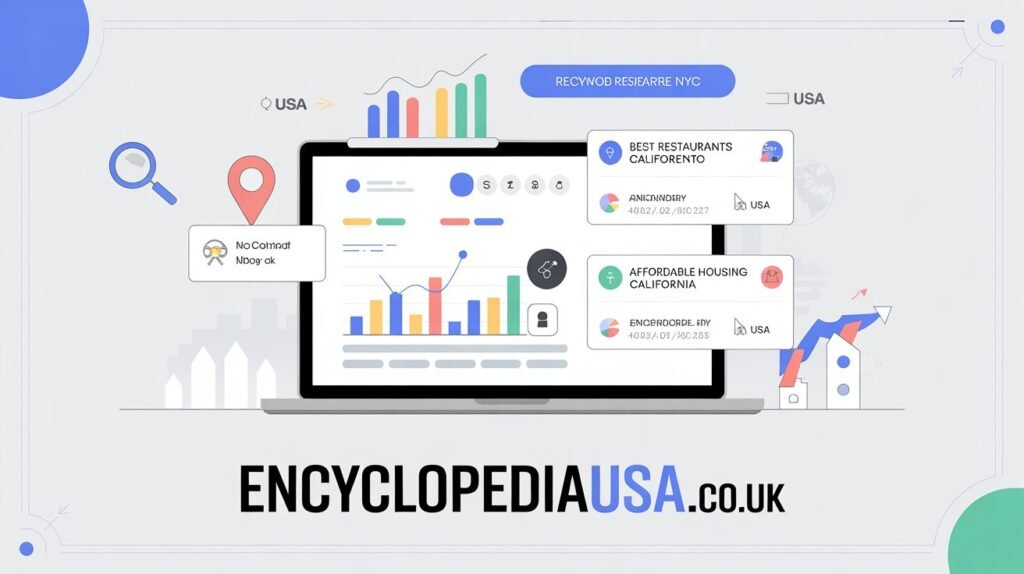
Not every keyword is worth chasing. Keyword difficulty (KD) is a score that tells you how hard it is to rank for a specific term. Most tools measure it on a scale from 0 to 100.
For new websites or small blogs targeting the USA, focus on keywords with:
- KD below 30 for quick wins
- Decent search volume (500 to 5,000 monthly searches is a good range)
- Clear commercial or informational intent
As your domain authority grows, you can start targeting more competitive terms. But early on, low-difficulty keywords with solid volume are your best path to getting real USA traffic fast.
A practical tip I always recommend is to look at the current top-ranking pages for any keyword. If the top results are all major media companies or huge brands, that keyword is probably too competitive for now. If you see smaller blogs or niche sites ranking, that is your green light.
Group Your Keywords Into Topic Clusters
Modern SEO rewards topic authority, not just individual keyword optimization. Google wants to see that your website covers a topic deeply and comprehensively. The best way to show that is through topic clusters.
A topic cluster works like this:
- You create one detailed, authoritative pillar page on a broad topic
- You create several supporting pages that cover subtopics in depth
- All supporting pages connect back to the pillar page
For example, if your pillar page is about “USA keyword research,” your supporting pages might cover topics like “how to use Google Keyword Planner,” “best SEO tools for US market,” and “local keyword research strategies.”
This structure signals to Google that you are a trusted authority on the topic, which boosts rankings across all your related pages.
Track and Refine Your Keyword Strategy Over Time
Keyword research is not a one-time task. Search trends shift, competition changes, and new opportunities emerge constantly. You need to review your keyword performance regularly.
Set up Google Search Console for your website. It shows you exactly which keywords are bringing you traffic from the USA, your average position, click-through rate, and impressions. Use this data to:
- Identify keywords where you rank on page two and push them to page one
- Find keywords driving impressions but no clicks (and optimize your title and meta)
- Discover new keyword opportunities you had not considered
Review your keyword strategy at least once every three months. Update older content with fresh keywords, new information, and better optimization. Google rewards freshness, especially for competitive USA keywords.
Common Mistakes to Avoid in USA Keyword Research
Even experienced SEOs make these mistakes. Watch out for them:
Ignoring search volume. A keyword that nobody searches for will not drive traffic no matter how well you rank for it.
Targeting keywords with the wrong intent. Matching content to the wrong intent kills conversions and increases bounce rate.
Copying keywords without understanding the audience. USA audiences have specific expectations. British English, Australian phrases, or formal language can feel off to American readers.
Focusing only on short-tail keywords. Short keywords are competitive and often vague. Long-tail keywords drive more targeted, convertible traffic.
Never revisiting keyword strategy. What worked six months ago may not work today. Stay updated with trends and data.
Conclusion
Finding USA keywords for SEO does not have to be overwhelming. Start with solid tools like Google Keyword Planner, Ahrefs, or SEMrush. Understand search intent before you write a single word. Build around long-tail and location-specific keywords. Group your content into topic clusters for maximum authority.
Most importantly, treat keyword research as an ongoing process, not a checkbox. The websites that dominate American search results are the ones that consistently research, refine, and optimize their keyword strategy over time.
Now it is your turn. Which of these strategies are you going to try first? If you found this guide helpful, share it with your team or anyone working on USA SEO. The right keywords are out there. You just have to know where to look.
Frequently Asked Questions
What are USA keywords in SEO? USA keywords are search terms that people in the United States actively type into Google. They reflect American language, culture, and search behavior, and they are used to target traffic from the US market specifically.
How do I find keywords specifically for the USA? Use tools like Google Keyword Planner, Ahrefs, or SEMrush and set the location filter to the United States. This gives you search volume and competition data specific to the American market.
What is the best free tool to find USA keywords? Google Keyword Planner is the best free option. It pulls data directly from Google and lets you filter by country. Google Trends is also free and great for spotting trending USA search terms.
How many keywords should I target per page? Focus on one primary keyword per page and support it with three to five related secondary keywords. Avoid keyword stuffing. Keep the content natural and readable.
What is a good search volume for USA keywords? For new websites, keywords with 500 to 5,000 monthly searches in the USA are ideal. They offer real traffic potential without overwhelming competition.
What is keyword difficulty and why does it matter? Keyword difficulty is a score that measures how hard it is to rank on the first page of Google for a specific term. Lower scores mean easier ranking opportunities. Start with low-difficulty keywords and build up from there.
Should I use location-based keywords even for a national USA audience? If you serve customers nationwide, you can use broader national keywords. But if you target specific cities or regions, always add location-based keywords to attract local American searchers.
What is search intent and why is it important for USA SEO? Search intent is the goal behind a search query. Matching your content to the right intent (informational, commercial, or transactional) improves your ranking potential and keeps users engaged.
How often should I update my USA keyword strategy? Review your keyword strategy every three months. Use Google Search Console data to spot new opportunities, fix underperforming pages, and stay ahead of shifting trends.
Can I rank for USA keywords if my website is based outside the US? Yes, you can. Use a .com domain, host your site on a US-based server, set your target country in Google Search Console, and optimize your content specifically for American audiences and search behavior.
Alos Read Encyclopediausa.co.uk
Author Bio: Sarah Mitchell is a digital marketing strategist and SEO consultant with over eight years of experience helping businesses grow their online presence in competitive markets. She specializes in content strategy, technical SEO, and keyword research for the North American market. When she is not writing about search engines, she is testing new tools and staying ahead of Google’s latest algorithm updates.