
Ceasefire: The Critical Path to Peace and Hope
Introduction
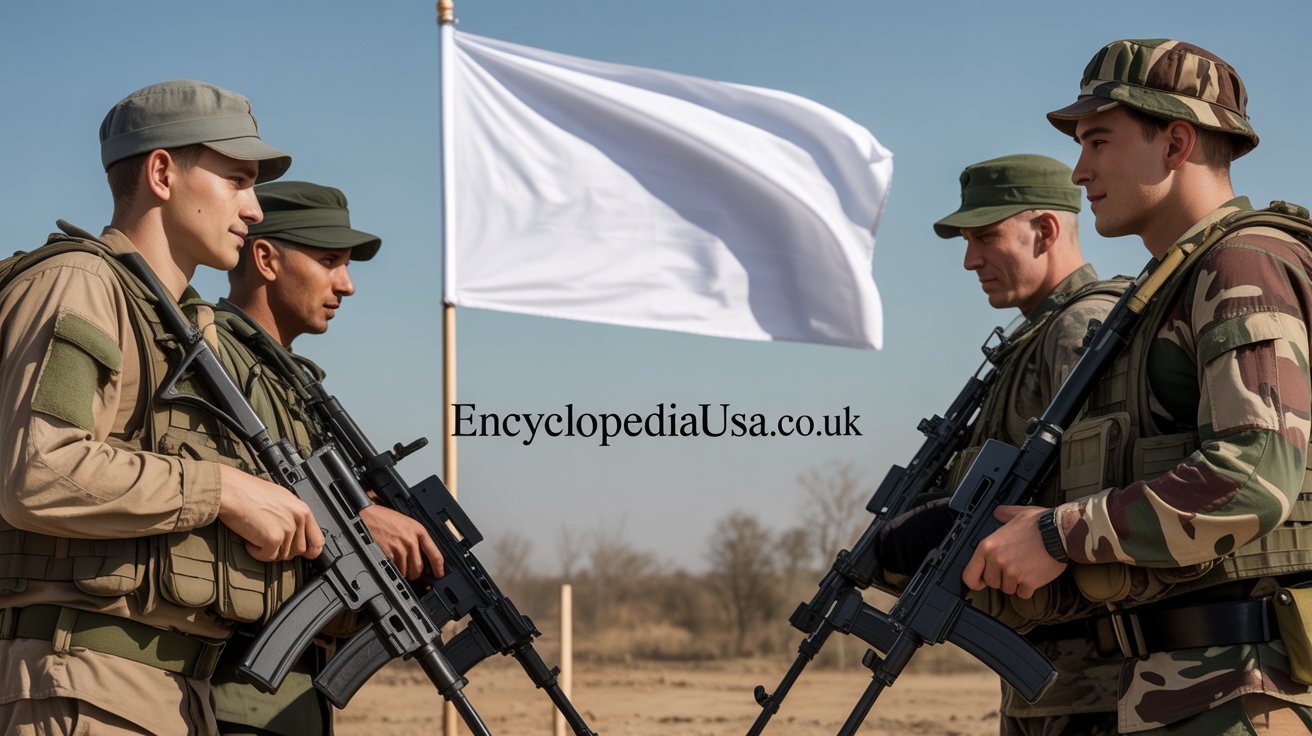
The sound of gunfire stops. Soldiers lower their weapons. Families emerge from shelters cautiously, wondering if peace will last. This is the moment when a ceasefire takes effect, and for millions caught in conflict zones, it represents the first breath of hope after endless fear.
A ceasefire is more than just a pause in fighting. It’s a critical diplomatic tool that can save thousands of lives, create space for negotiations, and pave the way toward lasting peace. Throughout history, ceasefires have ended brutal wars, reunited separated families, and given entire nations the chance to rebuild from devastation.
Understanding how ceasefires work matters now more than ever. With conflicts continuing in various regions worldwide, knowing what makes these agreements succeed or fail helps you grasp international news better. This comprehensive guide explores everything about ceasefires: their types, implementation processes, historical examples, challenges, and their role in modern conflict resolution. You’ll discover why some ceasefires lead to permanent peace while others collapse within hours.
What Is a Ceasefire
A ceasefire is a temporary or permanent halt to armed hostilities between warring parties. It represents an agreement where opposing forces stop shooting, bombing, and engaging in military operations. The term literally means to cease fire, referring to the silencing of weapons.
Ceasefires serve multiple purposes beyond just stopping violence. They create opportunities for humanitarian aid delivery to suffering populations. They allow diplomats and negotiators time to work on political solutions. They give medical teams access to treat wounded soldiers and civilians. They also demonstrate willingness from both sides to consider alternatives to endless fighting.
The concept differs from surrender or defeat. In a ceasefire, no side necessarily admits loss. Instead, parties mutually agree to stop fighting temporarily or permanently. This distinction matters because it preserves dignity and makes agreements more achievable.
Key Elements of Ceasefire Agreements
Every effective ceasefire contains specific elements that define its scope and enforcement. Clear geographical boundaries specify where the ceasefire applies. Precise timing indicates when hostilities must stop. Verification mechanisms explain how compliance will be monitored. Consequences for violations outline what happens if parties break the agreement.
The most successful ceasefires include detailed provisions about weapons positioning, troop movements, and communication channels between opposing forces. These specifics reduce ambiguity and prevent accidental violations that could reignite full scale conflict.
Third party monitors often oversee ceasefire implementation. International organizations like the United Nations frequently deploy peacekeepers to observe compliance. These neutral parties investigate alleged violations and help maintain trust between former enemies.
Types of Ceasefires Explained
Not all ceasefires are identical. Different situations require different approaches. Understanding these variations helps you comprehend news reports about conflict zones more clearly.
Temporary Humanitarian Ceasefires
These short term agreements last hours or days. They exist specifically to allow humanitarian operations. Aid organizations use these brief pauses to deliver food, medicine, and supplies to trapped civilians. Medical evacuations happen during these windows.
Temporary humanitarian ceasefires are often easier to negotiate because they don’t require resolving underlying political disputes. Both sides can agree to pause fighting briefly without conceding anything substantive. The limited duration reduces risk for military commanders worried about losing tactical advantages.
However, these brief ceasefires sometimes face violations. The pressure to resume military operations can override humanitarian concerns. Parties might use the pause to reposition forces or resupply, technically violating the spirit if not the letter of agreements.
Permanent Ceasefires
A permanent ceasefire aims to end hostilities indefinitely. This type often accompanies or follows comprehensive peace agreements. Permanent ceasefires require deeper trust and usually involve detailed political settlements addressing conflict root causes.
These agreements transform military confrontations into political processes. Former combatants pursue their goals through negotiation rather than warfare. Successful permanent ceasefires lead to demobilization of forces, weapons collection programs, and reintegration of fighters into civilian life.
The transition from temporary to permanent ceasefire marks critical moments in peace processes. This shift indicates parties are moving beyond managing conflict toward actually resolving it. Encyclopediausa
Unilateral Ceasefires
Sometimes one party declares a ceasefire without reciprocal commitment from opponents. Governments fighting insurgencies occasionally announce unilateral ceasefires to demonstrate peaceful intentions or respond to international pressure.
These one sided pauses carry risks. The declaring party becomes vulnerable if opponents exploit the situation to gain military advantage. However, unilateral ceasefires can build goodwill and encourage reciprocal gestures. They sometimes break deadlocks in negotiations by showing genuine commitment to peace.
Political calculations often drive unilateral ceasefires. Governments might seek to improve international standing or reduce domestic opposition to continued fighting. Rebel groups might declare unilateral ceasefires to gain legitimacy or strengthen negotiating positions.
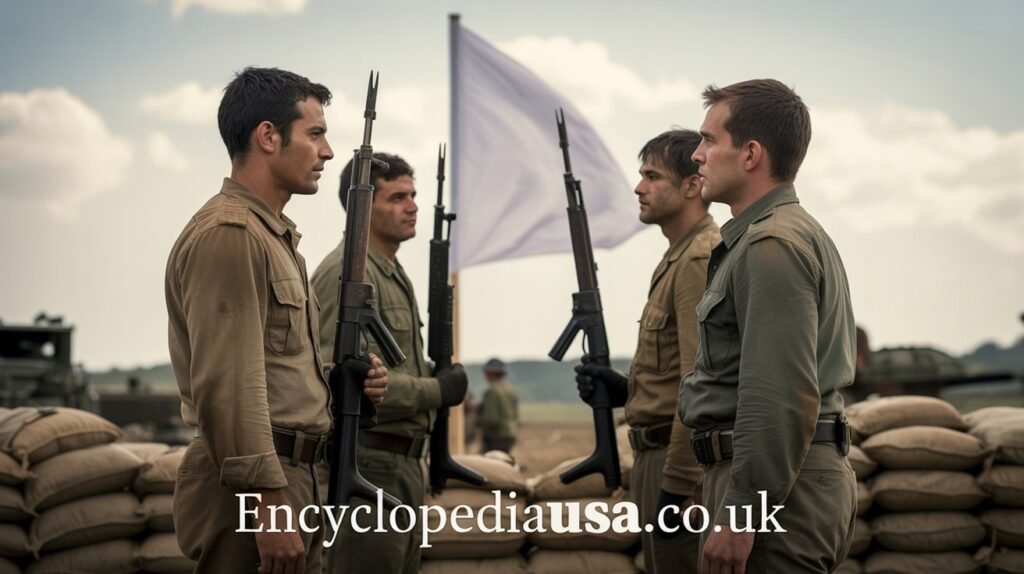
Historical Ceasefire Examples
History provides powerful lessons about ceasefires. Examining past agreements reveals what works, what fails, and why outcomes differ so dramatically.
The Korean War Armistice
The 1953 Korean War ceasefire remains one of history’s most significant examples. Fighting stopped after three brutal years, but technically no peace treaty ever replaced the armistice. The ceasefire created the Demilitarized Zone separating North and South Korea.
This armistice demonstrates both ceasefire strengths and limitations. It successfully ended active combat and prevented millions more deaths. Families separated by war gained some stability. However, the lack of a comprehensive peace agreement left the Korean peninsula divided for over seventy years.
The Korean example shows that ceasefires can freeze conflicts without resolving them. The absence of casualties is valuable, but frozen conflicts create their own long term problems.
The Good Friday Agreement
Northern Ireland’s 1998 Good Friday Agreement included a ceasefire that largely held. Decades of violent conflict known as the Troubles ended through this comprehensive peace process. The ceasefire allowed political negotiations that addressed deep sectarian divisions.
This success story illustrates how ceasefires enable political solutions. Without the violence reduction, productive negotiations would have been impossible. The agreement created power sharing arrangements and addressed security, justice, and rights issues comprehensively.
The Good Friday Agreement shows that sustainable ceasefires require addressing root causes of conflict. Simply stopping fighting isn’t enough. Political, economic, and social grievances need resolution for peace to last.
Recent Middle East Ceasefires
Various Middle Eastern conflicts have seen numerous ceasefire attempts with mixed results. Some lasted weeks or months before collapsing. Others held longer and created opportunities for humanitarian relief and reconstruction.
These examples demonstrate how fragile ceasefires can be in complex, multi-party conflicts. When numerous armed groups operate with different agendas, achieving comprehensive ceasefires becomes extremely challenging. Spoilers who benefit from continued conflict can sabotage agreements.
The pattern of repeated ceasefire failures followed by renewed negotiations shows both the difficulty of peacemaking and the persistent human desire to end suffering.
How Ceasefires Are Negotiated
The path to ceasefire involves complex diplomacy. Understanding this process illuminates why agreements sometimes take months or years to achieve.
Initial Contact and Communication
Before formal negotiations, parties must establish communication channels. This step alone can be challenging when enemies have demonized each other for years. Intermediaries often facilitate these initial contacts.
Back channel communications happen away from public scrutiny. Unofficial representatives explore whether conditions exist for formal talks. These preliminary discussions assess each side’s bottom lines and potential flexibility.
Building sufficient trust to begin formal negotiations requires time and careful confidence building measures. Small reciprocal gestures demonstrate seriousness without requiring major concessions.
The Negotiation Process
Formal ceasefire negotiations address countless technical and political details. Where will forces withdraw? How will verification happen? What weapons restrictions apply? Who monitors compliance? Each question generates lengthy discussions.
Mediators play crucial roles in bridging gaps between positions. Skilled mediators identify creative solutions that address both parties’ core concerns without requiring either to capitulate completely. They also maintain momentum when talks stall.
Negotiations often follow predictable patterns. Early sessions involve position statements and historical grievances. Middle phases explore potential compromises. Final stages focus on specific agreement language and implementation logistics.
International Involvement
Major powers and international organizations frequently involve themselves in ceasefire negotiations. Their participation brings resources, legitimacy, and sometimes necessary pressure. The United Nations, regional organizations, and influential countries often mediate or guarantee agreements.
International involvement can accelerate peace processes by providing monitoring capabilities, financial incentives, and diplomatic support. However, external actors sometimes pursue their own agendas, complicating rather than simplifying negotiations.
The balance between local ownership and international support determines many peace processes’ success. Agreements imposed by outsiders often lack sustainability compared to locally driven solutions with international backing.
Challenges to Ceasefire Implementation
Even after signing agreements, maintaining ceasefires faces numerous obstacles. These challenges explain why many ceasefires fail despite genuine intentions.
Verification and Monitoring Difficulties
Confirming compliance across large territories with multiple armed groups presents enormous challenges. Monitors need access to remote areas, cooperation from local commanders, and resources to investigate allegations. Limited monitoring capabilities create opportunities for undetected violations.
Technology helps modern monitoring efforts. Satellite imagery, drones, and sensors provide evidence of troop movements and weapons positioning. However, technology cannot replace on-the-ground human monitors who understand local dynamics.
Disagreements about what constitutes violations complicate enforcement. Is artillery repositioning a violation? What about defensive preparations? Ambiguity in agreement language leads to conflicting interpretations.
Spoiler Problems
Some individuals or groups benefit from continued conflict and actively work to sabotage peace. Arms dealers lose business when fighting stops. Military commanders lose power and status. Criminal networks exploiting war economies face threats to their operations.
These spoilers deliberately provoke incidents designed to restart fighting. They commit attacks that opponents blame on the other side. They spread misinformation undermining public support for peace.
Addressing spoiler problems requires identifying potential saboteurs early and developing strategies to neutralize their influence. This might involve including them in negotiations, isolating them politically, or using security forces to prevent their disruptive actions.
Lack of Trust Between Parties
Enemies who fought brutally struggle to trust each other. Past atrocities, broken promises, and decades of propaganda create deep suspicion. Each side expects the other to exploit any weakness.
This trust deficit makes parties hesitant to comply fully with ceasefire terms. They maintain hidden weapons caches or keep forces closer than allowed, fearing opponents will attack when vulnerable. These defensive measures themselves constitute violations, creating vicious cycles.
Building trust requires consistent behavior over time. Small successes create foundation for larger confidence. Third party guarantees help reassure nervous parties that violations will be detected and punished.
Political Opposition
Domestic audiences sometimes oppose ceasefires negotiated by their leaders. Hardliners view any compromise as betrayal. Families who lost loved ones want victory, not accommodation with enemies. This political opposition constrains leaders’ flexibility and can force them to abandon agreements.
Public opinion management becomes crucial for ceasefire sustainability. Leaders must explain why ceasefire serves national interests better than continued fighting. They must prepare populations for necessary compromises without appearing weak.
International support helps leaders resist domestic pressure to resume fighting. Financial aid, diplomatic recognition, and security guarantees provide incentives to maintain ceasefires despite internal opposition.
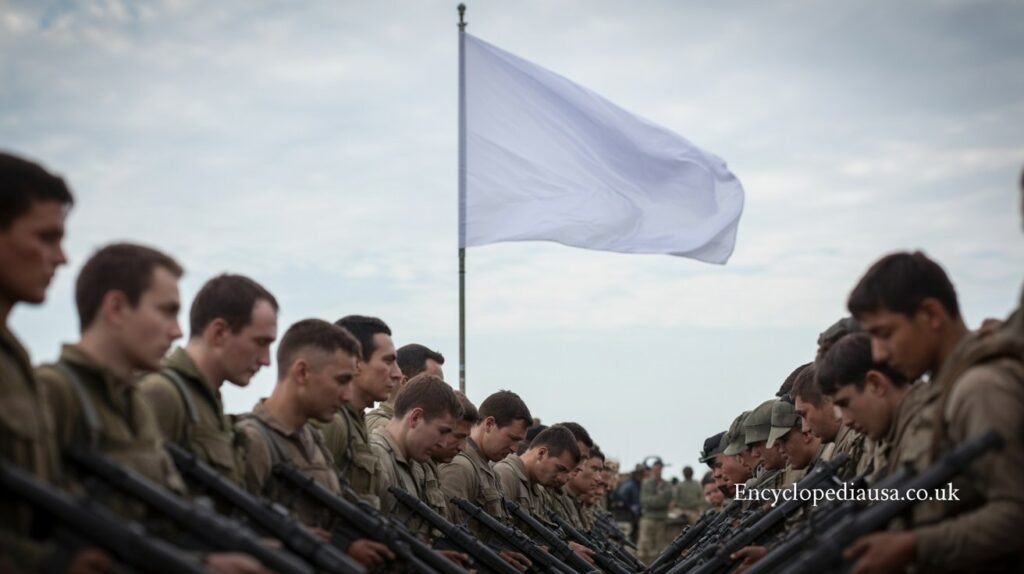
The Role of Humanitarian Organizations
When guns fall silent, humanitarian workers rush in. These organizations transform ceasefires from abstract agreements into tangible relief for suffering populations.
Delivering Emergency Aid
Humanitarian ceasefires create windows for delivering life saving assistance. Aid convoys transport food to starving communities. Medicine reaches hospitals depleted of supplies. Clean water systems get repaired. These operations require careful coordination with all armed parties.
Organizations like the Red Cross, Red Crescent, and various UN agencies specialize in working during conflicts. They maintain neutrality and negotiate access with all sides. Their presence during ceasefires saves countless lives.
The effectiveness of humanitarian operations during ceasefires demonstrates peace dividends to civilian populations. People experience tangible improvements in their lives, building support for extending and deepening peace processes.
Medical Evacuations
Ceasefires allow evacuation of wounded civilians and combatants to proper medical facilities. Field hospitals in conflict zones lack equipment for complex surgeries or long term care. Evacuation corridors opened during ceasefires prevent unnecessary deaths and disabilities.
Medical evacuations also build trust between enemies. When one side allows opponent’s wounded to receive treatment, it demonstrates humanity that can reduce dehumanization driving violence. These humanitarian gestures sometimes create foundations for broader reconciliation.
Documenting Violations
Humanitarian organizations document ceasefire violations and their impact on civilians. This evidence informs international responses and accountability processes. Documentation helps distinguish legitimate defensive actions from deliberate aggression.
Accurate violation documentation also pressures parties to comply. Public exposure of breaches creates reputational costs. International organizations can condition aid or diplomatic support on ceasefire compliance.
Ceasefire Success Factors
Why do some ceasefires endure while others collapse quickly? Research and experience identify key factors that determine outcomes.
Clear and Specific Terms
Vague agreements invite violations and disputes. Successful ceasefires spell out exactly what is prohibited, permitted, and required. They define geographical boundaries precisely. They specify timelines unambiguously. They establish clear verification procedures.
Specificity reduces misunderstandings and accidental violations. When rules are clear, compliance becomes easier to assess. Enforcement becomes more legitimate when violations are obvious rather than debatable.
Strong Monitoring Mechanisms
Robust monitoring deters violations and builds confidence. When parties know observers watch their behavior, they’re more likely to comply. Quick detection of violations allows rapid responses before situations escalate.
Effective monitors need adequate numbers, proper training, necessary equipment, and political backing. Underfunded, understaffed monitoring missions fail to provide credible oversight. Strong mandates with enforcement authority work better than purely advisory roles.
Political Will from Leadership
Leaders must genuinely commit to peace rather than using ceasefires as tactical pauses for regrouping. This commitment requires them to control their own forces effectively and punish violations from their side.
Political will often correlates with war weariness. When leaders recognize military victory is impossible or costs exceed benefits, they approach ceasefires more seriously. External pressure and incentives can strengthen political will.
Addressing Root Causes
Ceasefires that simply pause fighting without addressing why parties fought in the first place remain vulnerable. Successful transitions from ceasefire to lasting peace require parallel political processes addressing grievances, power sharing, resource distribution, and justice.
The most sustainable ceasefires are components of comprehensive peace agreements. They work because parties gain through politics what they sought through violence.
International Support and Guarantees
External support provides resources for monitoring and implementation. International guarantees reassure nervous parties that violations will trigger responses. Financial assistance for reconstruction gives populations stake in maintaining peace.
However, international involvement must respect local ownership. Imposed solutions lacking domestic buy-in ultimately fail when international attention moves elsewhere.
The Impact of Ceasefires on Civilians
For people living in conflict zones, ceasefires mean everything. The difference between war and peace determines whether they live or die, eat or starve, stay or flee.
Immediate Relief from Violence
The most obvious benefit is reduced death and injury. Civilians stop dying from airstrikes, artillery, and crossfire. Children can play outside without fear. Farmers can tend crops. Markets reopen. Normal life becomes possible again.
This immediate violence reduction cannot be overstated. Every day without combat means families stay together, homes remain standing, and futures remain possible. The psychological relief matches the physical safety.
Access to Basic Services
Ceasefires allow restoration of electricity, water, and sanitation services. Healthcare facilities can function normally. Schools reopen. These basic services are impossible to maintain during active fighting but become achievable when violence stops.
Restoring services demonstrates peace dividends that build public support for sustaining ceasefires. When people experience improved quality of life, they pressure leaders to maintain agreements.
Economic Recovery Opportunities
Businesses cannot operate during active combat. Ceasefires allow economic activity to resume. Jobs return. Income generation becomes possible. Markets reconnect. Investment begins flowing back.
Economic recovery gives populations material stake in maintaining peace. When people start rebuilding prosperity, returning to war means losing those gains. This creates domestic constituency for peace separate from elite political calculations.
Return of Displaced Persons
Ceasefires enable refugees and internally displaced persons to consider returning home. People forced to flee can assess whether safety has improved sufficiently. Return movements reunite families and communities torn apart by conflict.
However, returns require more than just absent violence. People need confidence peace will last, destroyed homes must be rebuilt, and livelihoods must be reestablished. Successful return processes strengthen peace by restoring normal community life.
Modern Technology and Ceasefires
Contemporary conflicts involve technologies previous generations never imagined. These developments change how ceasefires work and how parties comply or violate them.
Satellite Monitoring
Satellites provide independent verification of troop movements, weapons positioning, and large scale violations. This technology reduces reliance on contested party reports. Space based monitoring covers vast areas impossible for ground observers to patrol.
However, satellites cannot see everything. Cloud cover obscures optical sensors. Small scale violations escape detection. Underground facilities and hidden weapons remain invisible. Satellites complement but don’t replace human monitors.
Drone Surveillance
Unmanned aerial vehicles offer flexible, detailed monitoring capabilities. They can observe specific locations continuously, investigate allegations quickly, and provide video evidence of violations. Some ceasefire monitoring missions now deploy drones routinely.
Drones also present challenges. Some parties view them as intrusive or threatening. Technical failures can cause incidents. Questions arise about who controls drone surveillance and how collected information gets used.
Social Media Documentation
Smartphones turn civilians into documentarians. Videos and photos of alleged violations spread instantly through social media. This crowdsourced monitoring provides real time information about ceasefire compliance or violations.
The challenge involves verifying authenticity and context. Manipulated videos and old footage presented as current create misinformation. Professional monitors must validate social media claims before drawing conclusions.
Communication Platforms
Modern communication technology enables rapid contact between opposing forces. Hotlines allow quick clarification of ambiguous situations before they escalate. Messaging apps facilitate coordination for humanitarian operations.
However, the same technology that enables cooperation also allows rapid mobilization for renewed fighting. Social media can spread inflammatory content undermining peace. Managing information flows becomes crucial for ceasefire sustainability.
The Psychology of Ceasefire
Human psychology profoundly influences whether ceasefires succeed or fail. Understanding these mental and emotional factors illuminates peace process dynamics.
War Weariness and Peace Desire
Prolonged conflict exhausts populations physically, emotionally, and economically. This exhaustion creates desire for peace that leaders must acknowledge. Public pressure for ceasefire grows as war costs become unbearable.
However, war weariness alone doesn’t guarantee successful ceasefires. Bitter populations might demand victory rather than compromise. Managing expectations about what peace can deliver becomes critical.
Fear and Mistrust
Years of violence create deep trauma and suspicion. People fear enemies will exploit any weakness. They expect betrayal because experience taught them trust is dangerous. This psychological damage takes generations to heal.
Overcoming fear requires visible security improvements and confidence building measures. Small successes demonstrate that peace can work, gradually reducing anxiety about vulnerability.
Identity and Enemy Images
Conflicts construct rigid identity boundaries and dehumanized enemy images. People define themselves against opponents. Propaganda portrays enemies as evil. These mental frameworks must soften for ceasefires to transform into genuine peace.
Humanization programs bringing together former enemies help break down stereotypes. Contact, dialogue, and shared activities demonstrate opponents’ humanity. These initiatives support psychological transitions necessary for reconciliation.
Hope and Future Orientation
Successful ceasefires reorient thinking from past grievances toward future possibilities. Leaders must articulate positive visions of what peace enables. People need hope that tomorrow can be better than yesterday.
This future orientation competes with justice demands for past wrongs. Balancing acknowledgment of suffering with forward looking optimism challenges peace processes. Neither pure amnesia nor endless recrimination works well.
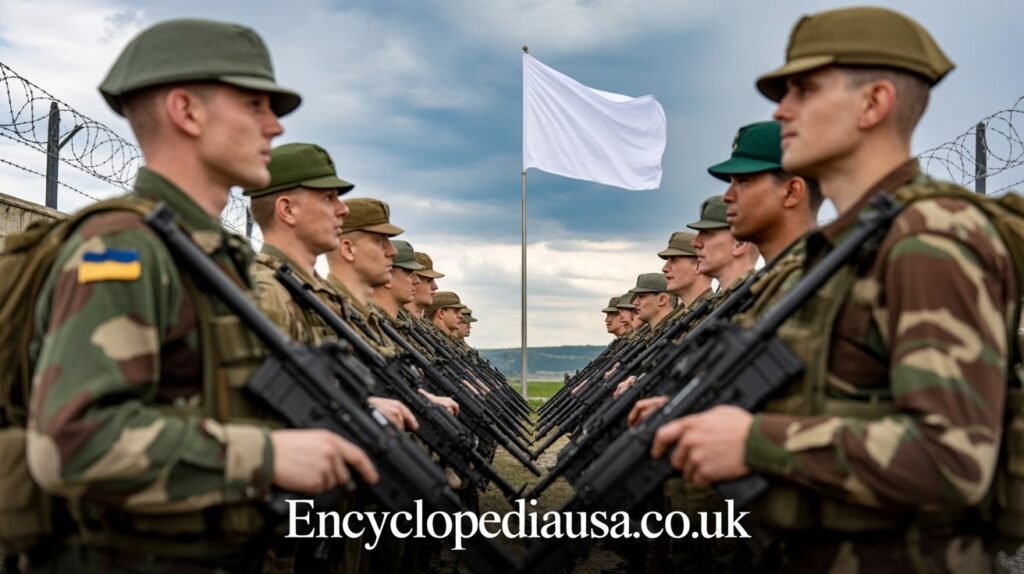
Conclusion
Ceasefires represent humanity’s persistent hope that conflicts can end and peace can prevail. They are imperfect tools wielded in messy situations by flawed actors. Yet they remain our best mechanism for stopping violence and creating space for political solutions to take root.
Understanding ceasefires helps you comprehend global events more deeply. When news reports mention ceasefire negotiations, you now know the complex dynamics involved. You recognize the challenges monitors face and the spoilers who threaten agreements. You appreciate why some ceasefires endure while others collapse.
Most importantly, ceasefires remind us that even bitter enemies can choose dialogue over destruction. Every successful ceasefire proves that peace is possible when courage, creativity, and commitment align. For the millions living in conflict zones worldwide, ceasefire is not just a diplomatic term. It is the difference between nightmare and hope, between death and life. How can we better support these crucial peace agreements?
Frequently Asked Questions
What is the difference between a ceasefire and a truce?
A ceasefire and a truce are very similar and often used interchangeably. Both mean a temporary halt to fighting. Historically, a truce sometimes implied a shorter duration or more informal arrangement, while ceasefire suggests a more structured agreement. In modern usage, the terms mean essentially the same thing: parties agree to stop armed hostilities.
How long does a typical ceasefire last?
Ceasefire duration varies enormously. Humanitarian ceasefires might last only hours or days to allow aid delivery. Some ceasefires extend for weeks or months while negotiations continue. Others, like the Korean War armistice, have lasted decades. Permanent ceasefires aim to end hostilities indefinitely, though they may transform into formal peace treaties.
Who enforces ceasefire agreements?
Enforcement depends on the agreement structure. Sometimes the parties themselves monitor compliance through designated liaison officers. More commonly, neutral third parties provide oversight. United Nations peacekeepers frequently monitor ceasefires. Regional organizations or individual countries also serve as monitors. Effective enforcement requires clear mandate, adequate resources, and political backing.
Can civilians be punished for violating ceasefires?
Ceasefire agreements typically apply to armed forces and organized military groups rather than individual civilians. However, civilians conducting attacks or supporting military operations during ceasefires might face prosecution under relevant laws. The focus remains on controlling armed actors rather than restricting civilian behavior.
Why do some ceasefires fail immediately?
Immediate failures usually stem from several factors: lack of genuine commitment from parties, spoilers who benefit from continued conflict, inadequate monitoring mechanisms, or unclear agreement terms. Sometimes parties sign under pressure without real intention to comply. Other times, military commanders on the ground ignore political leaders’ commitments.
What happens when a ceasefire is violated?
Consequences depend on the agreement’s enforcement mechanisms and the violation’s severity. Minor violations might prompt investigation and dialogue between parties. Serious violations could trigger international condemnation, sanctions, or resumption of hostilities. Monitors typically attempt to prevent escalation by addressing violations quickly through established channels.
How do ceasefires affect peace negotiations?
Ceasefires create essential space for meaningful negotiations. Active combat makes productive dialogue nearly impossible. When fighting stops, negotiators can focus on political solutions rather than military developments. Ceasefires also build confidence and demonstrate that cooperation is possible, facilitating broader peace agreements.
Are ceasefires legally binding?
The legal status varies. Some ceasefires are formal international agreements with legal force under international law. Others are informal understandings without legal status. Even informal ceasefires carry political and moral weight. Violations damage credibility and international standing regardless of strict legal classification.
Can technology prevent ceasefire violations?
Technology significantly improves monitoring and verification but cannot prevent violations entirely. Satellites, drones, and sensors detect many violations quickly, creating deterrent effects. However, determined parties can still conduct violations covertly. Technology works best when combined with political commitment to peace and human monitors who understand local contexts.
What role do civilians play in maintaining ceasefires?
Civilian populations provide crucial support for ceasefires through public opinion pressure on leaders. When people demand peace continuation, leaders face domestic costs for returning to war. Civilians also provide information about violations and participate in reconciliation activities. Building popular support for peace strengthens ceasefire sustainability significantly.
More Read: Iran Israel War
Author Bio
An international relations analyst and peace studies researcher with extensive experience covering global conflicts and diplomatic negotiations. Specializing in conflict resolution mechanisms and humanitarian law, the author translates complex geopolitical developments into accessible content for general audiences. Passionate about promoting understanding of peace processes and the human impact of warfare, the author draws from academic research, field reports, and historical analysis to provide comprehensive perspectives on international security issues.