

Military Draft Age: Essential Facts Every American Must Know
Introduction
Turning eighteen brings exciting new freedoms and responsibilities. You can vote, sign contracts, and make independent decisions. But there’s another obligation that comes with this milestone that many young Americans don’t fully understand until they face it. The military draft age requirement affects nearly every young man in the United States, yet confusion about registration rules remains surprisingly common.
The Selective Service System requires most males to register within thirty days of their eighteenth birthday. This isn’t optional or negotiable. It’s federal law. Failing to register can result in serious consequences that follow you for years. Yet despite these stakes, many families don’t discuss draft registration until the last minute or skip the conversation entirely.
This comprehensive guide explains everything you need to know about military draft age requirements. You’ll discover who must register, important exemptions, what happens if you don’t comply, and how the draft system actually works. Whether you’re approaching eighteen, have children nearing this age, or simply want to understand this civic obligation, you’ll find clear answers here. Understanding these requirements protects you from preventable problems and helps you fulfill your legal obligations properly.
What Is the Military Draft Age
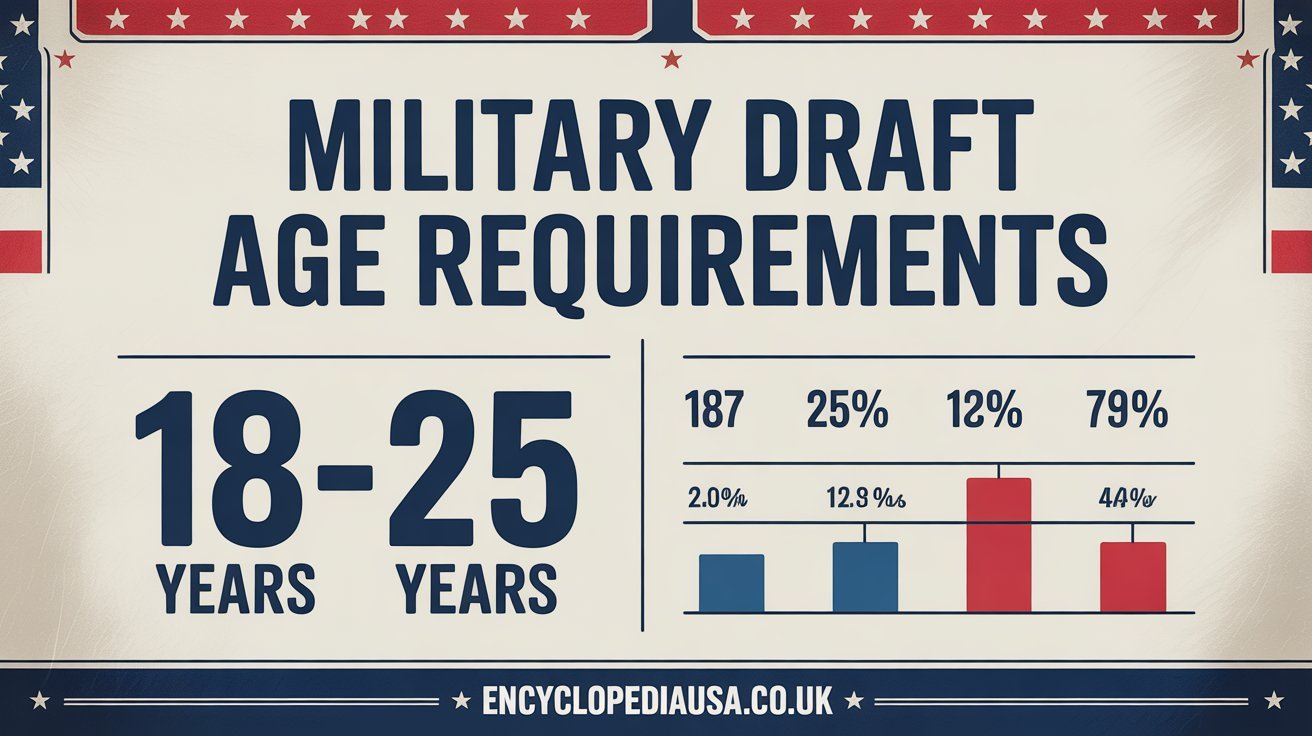
The military draft age in the United States currently stands at eighteen. All male U.S. citizens and male immigrants living in America must register with the Selective Service System within thirty days of turning eighteen. This requirement continues until you turn twenty six, though you only register once.
Registration doesn’t mean you’ll be drafted into military service. The United States hasn’t conducted an actual draft since 1973. However, maintaining the Selective Service System provides the government with a database of potential service members if Congress ever authorizes a draft in the future. Think of registration as creating a reserve list that hopefully never gets activated.
The law applies regardless of whether you plan to attend college, have medical conditions, or hold personal objections to military service. Your registration status becomes part of your permanent record. Government agencies check this status when you apply for federal student aid, federal job training, federal employment, and citizenship if you’re an immigrant.
Why Eighteen Became the Standard
The military draft age wasn’t always eighteen. During the Civil War, the draft included men aged twenty to forty five. World War I initially drafted men twenty one to thirty. The age dropped to eighteen during World War II when military needs increased dramatically.
Congress settled on eighteen as the standard draft age because this represents the point when most males have completed basic education and reached physical maturity. The law recognizes eighteen as the age of adulthood for most legal purposes. This consistency makes sense from both a practical and developmental standpoint.
Some countries use different draft ages. Israel drafts citizens at eighteen but includes women. South Korea drafts men between eighteen and twenty eight. Russia calls up men eighteen to twenty seven. Each nation’s system reflects its unique security situation and cultural values.
Who Must Register for Selective Service
Understanding exactly who needs to register prevents confusion and ensures compliance. The requirements are broader than many people realize.
U.S. Citizens Living in America
If you’re a male U.S. citizen living in the United States, registration is mandatory. This includes teenagers born in America and those who became citizens through naturalization. Your location within the country doesn’t matter. Whether you live in California, Texas, New York, or anywhere else, the requirement applies equally.
The thirty day window after your eighteenth birthday is firm. You can register earlier, starting at seventeen years and three months. Many high schools help students register during their senior year. Taking advantage of this early registration opportunity ensures you don’t forget after graduation chaos begins.
U.S. Citizens Living Abroad
Male U.S. citizens living overseas must still register. Your physical location doesn’t exempt you from this federal requirement. Americans living abroad can register online, at U.S. embassies, or through consulates. The same age requirements and deadlines apply.
Some families don’t realize this obligation extends internationally. If your son attends school abroad or your family relocated overseas, registration remains mandatory. Failure to register creates the same consequences regardless of where you live.
Immigrants and Refugees
Male immigrants living in America must register with Selective Service. This includes legal permanent residents, undocumented immigrants, refugees, and asylum seekers. If you’re male and living in the U.S. between ages eighteen and twenty five, you must register.
This requirement surprises many immigrants. Some assume only citizens face draft obligations. Others worry that registration will lead to immediate military service. Neither assumption is correct. Registration is simply a legal requirement for residing in the United States during these ages.
Dual Citizens
Holding citizenship in multiple countries doesn’t exempt you from U.S. Selective Service registration. If one of your citizenships is American and you’re male, you must register. Your other citizenship is irrelevant to this U.S. legal obligation.
Some dual citizens assume their primary residence country determines their obligations. This isn’t how U.S. law works. Your American citizenship triggers the registration requirement regardless of where you primarily live or which passport you use most often.
Exemptions From Draft Registration
While registration requirements are broad, certain exemptions exist. Understanding these helps you determine whether special circumstances apply to you.
Active Military Service Members
Males serving in active duty military service don’t need to register separately. Your military service already fulfills the underlying purpose of Selective Service registration. However, members of reserve units and National Guard who aren’t on active duty must register.
This exemption makes practical sense. If you’re already serving, the government doesn’t need you on a potential draft list. Your commitment exceeds what registration represents.
Non Immigrant Visa Holders
Males in the United States on temporary visas generally must register with limited exceptions. Student visa holders need to register. Tourist visa holders staying briefly don’t. The determining factor is whether you’re actually living in America or just visiting temporarily.
If you attend college on a student visa, you’re considered a resident for registration purposes. If you’re visiting family for two weeks on a tourist visa, you’re not. The line sometimes blurs, but generally, if you’re establishing residence rather than visiting, registration applies.
Individuals With Disabilities
Males hospitalized, institutionalized, or confined to their homes due to disabilities may be exempt from registration. However, this exemption is narrow. Having a disability doesn’t automatically exempt you. The disability must be severe enough to prevent you from leaving your home or institution.
If you can attend school, work, or move about in the community, you likely don’t qualify for this exemption. The standard is whether the disability confines you continuously. Temporary conditions don’t create permanent exemptions.
Religious Exemptions
Here’s an important clarification that confuses many people. There are no religious exemptions from registration itself. Religious beliefs, conscientious objector status, and moral opposition to war don’t excuse you from registering with Selective Service.
However, if a draft were actually implemented, you could claim conscientious objector status at that time. This would potentially exempt you from combat duty or military service entirely, depending on your specific beliefs and the board’s decision. But registration itself is required regardless of religious or moral views.
How to Register for Selective Service
The registration process is straightforward and takes only minutes. You have several convenient options.
Online Registration
The easiest method is registering online through the Selective Service website. You’ll need basic information including your full name, date of birth, Social Security number, and current address. The system walks you through each step.
After submitting your information, you’ll receive a registration number. Keep this number in a safe place. You may need it when applying for federal benefits or jobs. Some people screenshot their confirmation or save the confirmation email for future reference.
Registration by Mail
You can request a paper registration form and mail it to Selective Service. This method takes longer but works if you prefer physical documentation or lack internet access. Forms are available at post offices, high schools, and public libraries.
When mailing your registration, send it well before your deadline. Processing delays could cause problems if you wait until the last moment. Using certified mail provides proof of timely submission if questions arise later.
High School Registration Programs
Many high schools facilitate Selective Service registration for male students. Your school might distribute forms or provide computers for online registration. Taking advantage of this program while still in school helps ensure you don’t forget after graduation.
Some schools include registration information in senior packets or graduation materials. Pay attention to these communications. They’re trying to help you meet your legal obligations before you leave the structured school environment.
Registration at Driver’s License Offices
Many states now include Selective Service registration when you apply for or renew your driver’s license. You’ll be asked if you want to register during your DMV transaction. Answering yes automatically forwards your information to Selective Service.
This automatic registration option is incredibly convenient. You’re already providing the required information to get your license. Adding Selective Service registration requires minimal additional effort. However, verify that your registration actually processed. Computer glitches occasionally occur.
Consequences of Not Registering
Failing to register for Selective Service creates serious, long lasting consequences. These penalties affect your education, career, and legal status.
Federal Student Aid Ineligibility
Males who don’t register cannot receive federal student financial aid. This includes Pell Grants, federal student loans, and work study programs. If you’re planning to attend college and need financial assistance, failing to register blocks access to these crucial resources.
Many students don’t realize this connection until they’re trying to complete their FAFSA forms. By then, if you’re over twenty six, you’ve missed your registration window permanently. This mistake can cost you tens of thousands of dollars in education funding.
Federal Job Training Programs
Job Corps and other federal job training programs require Selective Service registration for eligibility. If you’re trying to access skills training or employment assistance through federal programs, your registration status will be verified.
These programs often serve young people from difficult circumstances who are working to improve their situations. Failure to register creates another barrier to economic opportunity exactly when you’re trying to move forward.
Federal Employment Restrictions
The federal government cannot hire males who failed to register when required. This restriction applies to all federal jobs, from entry level positions to advanced careers. If you dream of working for federal agencies, failing to register eliminates those opportunities.
Some people don’t consider federal employment when they’re eighteen. But years later, when an attractive federal job appears, your failure to register as a teenager prevents you from applying. The consequences last far beyond your youth.
Citizenship Application Denial
Male immigrants who fail to register and later apply for U.S. citizenship face serious problems. Immigration authorities view failure to register as demonstrating poor moral character. This can result in citizenship denial regardless of how long you’ve lived in America or your other qualifications.
For immigrants pursuing the American dream, this consequence is particularly devastating. Everything else about your application can be perfect, but failure to register during the required ages can derail your entire path to citizenship.
Criminal Penalties
Technically, failing to register is a federal crime punishable by up to five years in prison and fines up to $250,000. However, prosecutions are extremely rare. The government hasn’t prosecuted anyone for failure to register since 1986.
While criminal prosecution is unlikely, the other consequences listed above are very real and commonly enforced. Don’t dismiss registration requirements just because prison time is improbable. The civil penalties alone create significant life obstacles.
What Happens After You Register
Registration is a one time event, but understanding what happens next helps you know what to expect.
Receiving Your Registration Card
Shortly after registering, you’ll receive a registration acknowledgment card by mail. This card proves you registered and includes your Selective Service number. Keep this card with other important documents like your Social Security card and birth certificate.
If you move, update your address with Selective Service. Keeping your information current ensures you receive any future communications. While actual draft implementation is unlikely, maintaining accurate records fulfills your legal obligations.
Selective Service Classifications
If a draft were implemented, registrants would receive classifications determining their draft status. Classifications consider factors like physical fitness, essential civilian employment, hardship to dependents, and conscientious objector claims. However, since no draft currently exists, you won’t receive a classification unless Congress authorizes conscription.
Understanding that registration doesn’t equal classification helps reduce anxiety. You’re simply creating a record. Actual military service would only occur if Congress authorized a draft, which would require a national emergency of extraordinary magnitude.
Verification Systems
Various government systems verify your Selective Service registration status. When you apply for federal student aid, the Department of Education checks automatically. Federal employers verify during hiring. Some state agencies check when you apply for state benefits or licenses.
These automated systems mean you can’t simply claim you registered if you didn’t. The verification happens electronically, and false claims are quickly identified. Actual registration is the only way to pass these checks.
The Draft Process Explained
While the United States hasn’t implemented a draft since 1973, understanding how the system would work provides valuable context.
How Congress Authorizes a Draft
Only Congress can authorize a military draft. The President cannot unilaterally implement conscription. This requires legislation passed by both the House and Senate and signed into law. Such action would only occur during extreme national emergencies when volunteer forces prove insufficient.
The authorization process involves intense political debate. Public opinion heavily influences Congressional decisions about implementing a draft. The all volunteer military has been effective enough that draft authorization remains politically unthinkable except in truly catastrophic scenarios.
Lottery Selection System
If implemented, the modern draft would use a lottery system based on birth dates. Computer software would randomly select dates, and men born on those dates would be called in the order their dates were drawn. This system aims to be more fair than previous methods.
The lottery would likely start with twenty year olds and work through other ages as needed. Medical examinations, classification hearings, and exemption requests would follow selection. The entire process would take months from authorization to actual inductions.
Medical and Mental Standards
Not everyone selected in a draft would actually serve. The military maintains physical and mental fitness standards. Conditions like severe asthma, heart problems, certain mental health diagnoses, and various disabilities could disqualify you from service.
During the Vietnam War, approximately half of draft age men were disqualified for medical or mental reasons. Modern health standards would likely produce similar numbers. Selection for the draft doesn’t guarantee you’d actually join the military.
Alternative Service Options
Conscientious objectors whose beliefs are recognized would perform alternative civilian service instead of military duty. This might include working in hospitals, conservation projects, or other socially beneficial programs. The goal is allowing sincere objectors to serve their country without violating deeply held beliefs.
Getting conscientious objector status isn’t automatic. You’d appear before a board to explain your beliefs. The board determines whether your convictions are genuine and meet legal standards. This process protects the system from those simply trying to avoid service without legitimate moral grounds.
International Perspectives on Draft Age
Comparing how other countries handle conscription provides interesting context for understanding American policies.
Countries With Active Conscription
Many nations maintain active draft systems. Israel drafts citizens at eighteen for two to three years of service. South Korea requires males to serve approximately two years. Switzerland maintains a militia system where most males train and keep weapons at home. Each system reflects unique national security needs and cultural traditions.
These countries view conscription as essential to national defense. Their populations generally accept military service as a normal part of citizenship. The social contract between citizens and government includes this service obligation explicitly.
Countries That Abolished Conscription
Many European nations have moved toward professional volunteer militaries. France ended conscription in 2001. Germany suspended it in 2011. Spain abolished mandatory service in 2001. These countries decided professional forces better meet modern military needs.
The shift toward volunteer forces reflects changing warfare technology and tactics. Modern militaries require highly trained specialists rather than large numbers of basic infantry. Professional soldiers who choose military careers often prove more effective than conscripts serving short terms.
Gender and the Draft
Most countries with conscription only draft males. However, this is changing slowly. Israel drafts both men and women. Norway extended conscription to women in 2015. Sweden reintroduced conscription in 2017 for both genders. The United States has debated extending Selective Service registration to women but hasn’t implemented this change.
Gender and military service remains politically controversial. Some argue equality demands equal service obligations. Others point to different physical capabilities or traditional roles. This debate continues evolving as society’s views on gender roles change.
Recent Debates About Draft Policy
Understanding current discussions about Selective Service helps you anticipate potential future changes.
The Question of Women Registering
Congress has debated requiring women to register for Selective Service. Military leaders testified that excluding women from registration makes little sense when women serve in all military roles, including combat positions. However, legislation to require female registration hasn’t passed despite multiple attempts.
The National Commission on Military, National, and Public Service studied this issue extensively. Their 2020 report recommended requiring women to register. Whether Congress will act on this recommendation remains uncertain. Political considerations complicate what some view as a straightforward equality issue.
Discussions About Abolishing Selective Service
Some argue the Selective Service System is outdated and should be eliminated entirely. The all volunteer military has worked well for decades. The likelihood of needing a draft seems extremely remote. Maintaining the registration system costs money and creates bureaucratic burdens.
Others argue keeping Selective Service provides an insurance policy against unforeseeable crises. Rebuilding the system from scratch during an emergency would be difficult. The relatively modest cost of maintaining current systems seems worthwhile compared to potential future needs.
Proposals for Universal Service
Some suggest replacing Selective Service with a universal national service requirement. Under these proposals, all young adults would serve their country for a year or two in military or civilian capacities. Supporters argue this would build civic engagement, reduce inequality, and strengthen social bonds.
Critics worry about government coercion, economic disruption, and practical implementation challenges. Universal service remains politically unpopular despite periodic advocacy from various commentators and politicians.
Advice for Parents and Young Adults
Practical guidance helps families navigate draft registration smoothly and avoid common mistakes.
Start Conversations Early
Don’t wait until your son turns eighteen to discuss Selective Service registration. Start conversations during his junior year of high school. Explain what registration means, why it’s required, and what consequences follow failure to register. Making this a normal part of growing up discussions reduces anxiety and ensures compliance.
Some families avoid discussing the draft because it feels uncomfortable. This avoidance doesn’t protect anyone. It just increases the chances of missing registration deadlines or misunderstanding requirements.
Register During the Window
The law requires registration within thirty days of turning eighteen. Don’t procrastinate. Register as soon as you’re eligible, ideally on or shortly after your eighteenth birthday. Waiting until the end of the thirty day window creates unnecessary stress and risks missing the deadline.
Setting a phone reminder for your eighteenth birthday helps ensure you remember. Some families make registration part of eighteenth birthday celebrations, handling this adult responsibility alongside other milestone activities.
Keep Documentation Organized
Save your Selective Service registration card with other vital documents. Make copies or take photos for your digital files. When you apply for federal student aid, federal jobs, or citizenship, you may need to prove your registration. Having documentation readily available simplifies these processes.
Creating a physical folder and digital folder for important life documents establishes good habits that benefit you throughout adulthood. Your Selective Service card belongs in this collection alongside your Social Security card, birth certificate, and passport.
Update Address Changes
If you move between ages eighteen and twenty six, update your address with Selective Service. You can do this online quickly and easily. While actual mail from Selective Service is rare, keeping your information current fulfills your legal obligations.
Many young adults move frequently during college and early careers. Adding Selective Service to your address update checklist ensures you don’t overlook this requirement amid moving chaos.
Common Myths About Military Draft Age
Separating fact from fiction helps you understand your actual obligations and rights.
Myth: Registration Means You’ll Be Drafted
Reality: Registration simply creates a database of potential service members. The United States hasn’t implemented a draft since 1973, and doing so would require Congressional authorization during a major national emergency. Registering doesn’t increase your chances of military service. It’s a legal requirement separate from actual conscription.
Myth: College Enrollment Exempts You From Registration
Reality: Being a student doesn’t exempt you from Selective Service registration. Students must register just like everyone else. However, if a draft were implemented, being enrolled in college might qualify you for deferment until completing your degree. Registration itself is mandatory regardless of educational status.
Myth: You Can Register After Age Twenty Six
Reality: The law requires registration between ages eighteen and twenty six. Once you turn twenty six, you can no longer register. If you failed to register during the required years, you’ll face permanent consequences regarding federal benefits, employment, and citizenship. There’s no way to register late after the window closes.
Myth: Physical Disabilities Automatically Exempt You
Reality: Very few disabilities actually exempt you from registration requirements. Only males who are hospitalized, institutionalized, or continuously confined to their homes due to disabilities are exempt. Having a disability that allows you to function in the community doesn’t exempt you from registering.
Myth: Religious Beliefs Exempt You From Registration
Reality: No religious exemptions exist for registration itself. You must register regardless of your religious views or conscientious objector status. If a draft were implemented, you could claim conscientious objector status at that time. But the registration requirement applies to everyone.

Conclusion
Understanding military draft age requirements protects you from serious consequences and helps you fulfill your legal obligations properly. Registration with Selective Service is mandatory for almost all males between eighteen and twenty six. The process is simple and free, taking only minutes to complete online or through other convenient methods.
While the United States hasn’t implemented an actual draft since 1973, maintaining the Selective Service System ensures the nation could respond to extreme emergencies if necessary. Registration doesn’t mean you’ll serve in the military. It simply creates a database that hopefully never gets activated. The real stakes involve federal student aid, employment, job training, and citizenship opportunities that depend on compliance.
Taking registration seriously and completing it promptly demonstrates maturity and respect for civic obligations. Whether you support the concept of selective service or question its necessity, complying with current law protects your future opportunities. The few minutes required to register prevent years of consequences from following you. Have you registered yet, or do you know young men approaching eighteen who need this information?
Frequently Asked Questions
What age do you have to register for the military draft?
Males must register with Selective Service within thirty days of turning eighteen. You can register as early as seventeen years and three months. Registration is required until you turn twenty six. This is a one time registration, not an annual requirement.
What happens if you miss the military draft age registration deadline?
Missing the registration deadline creates permanent consequences. You become ineligible for federal student aid, federal job training, federal employment, and if you’re an immigrant, your citizenship application may be denied. Once you turn twenty six, you can no longer register, making these consequences permanent.
Do women have to register for Selective Service?
Currently, only males must register for Selective Service. Congress has debated extending the requirement to women, and military leaders have recommended it, but legislation hasn’t passed. As of now, the registration requirement applies exclusively to males.
Can you go to jail for not registering for the draft?
Technically, failing to register is a federal crime punishable by up to five years in prison and fines up to $250,000. However, the government hasn’t prosecuted anyone for failure to register since 1986. The civil consequences like losing federal aid and employment opportunities are the real penalties you’ll face.
Does registering for Selective Service mean you’ll be drafted?
No, registration doesn’t mean you’ll be drafted. The United States hasn’t conducted a draft since 1973. Registration simply creates a database the government could use if Congress authorized a draft during a national emergency. Actual conscription would require separate Congressional authorization and would likely affect only a portion of registrants.
What exemptions exist from draft registration?
Very few exemptions exist. Males on active military duty don’t need to register separately. Non-immigrant visa holders visiting temporarily are exempt. Males continuously confined to homes or institutions due to severe disabilities may be exempt. No religious exemptions exist for registration itself.
How do you prove you registered for Selective Service?
After registering, you’ll receive an acknowledgment card with your registration number. Keep this card with important documents. You can also verify your registration status online through the Selective Service website using your personal information. Some federal agencies automatically verify your status electronically when you apply for benefits.
Can immigrants be drafted into the U.S. military?
Male immigrants living in the United States must register for Selective Service just like citizens. If a draft were implemented, registered immigrants could be drafted. However, only U.S. citizens can serve in certain military positions, particularly those requiring security clearances.
What is the upper age limit for the military draft?
The current registration requirement covers males ages eighteen through twenty five. If a draft were implemented, it would likely start with twenty year olds and potentially extend through other ages as needed. During previous drafts, the maximum age varied, but registration currently ends at age twenty six.
Does Selective Service registration affect security clearances?
Failure to register when required can negatively impact security clearance applications. It may be viewed as demonstrating poor judgment or disregard for legal obligations. Many government positions requiring security clearances also require Selective Service registration compliance.
Also Read Encyclopediausa.co.uk
Author Bio
A legal affairs writer specializing in citizenship obligations and government requirements affecting young adults. With extensive research into Selective Service regulations and military policy, the author translates complex legal requirements into clear, accessible information. Passionate about helping families understand civic duties and avoid preventable legal problems, the author provides practical guidance grounded in current federal law and policy.