
Water Jug Guide: Essential Tips for Staying Hydrated 2026
Introduction
You know that feeling when you reach for water and your container is either empty, leaking, or just plain inconvenient? A good water jug can change your entire hydration game.
Whether you’re trying to drink more water throughout the day, looking for something durable for the gym, or need a family-sized option for gatherings, the right water jug makes all the difference. But with so many options flooding the market, how do you choose?
In this guide, you’ll discover everything you need to know about water jugs. We’ll cover materials, sizes, features, and practical tips to help you find your perfect match. By the end, you’ll know exactly what to look for.
What Makes a Water Jug Different from Other Containers
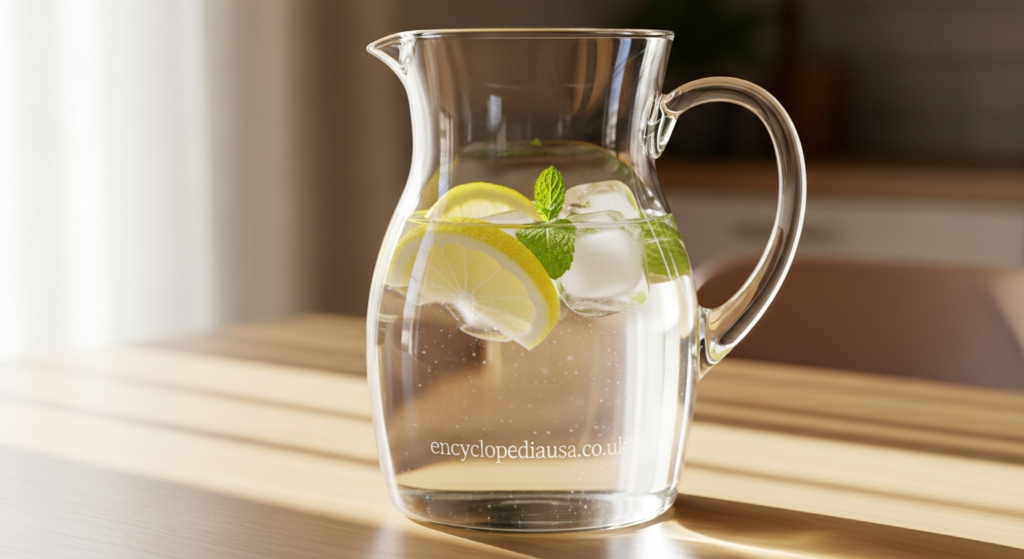
A water jug typically holds more liquid than standard bottles. Most range from half a gallon to several gallons in capacity.
The design usually includes a handle for easy carrying and pouring. This makes them ideal for sharing or for personal use when you want to minimize refills throughout the day.
Unlike sports bottles, water jugs prioritize capacity over portability. They’re perfect for keeping at your desk, in your car, or taking to outdoor events.
Many people use them to track daily water intake. Some models even have time markers printed on the side to help you stay on schedule with your hydration goals.
Types of Water Jug Materials
Plastic Water Jugs
Plastic remains the most popular choice for water jugs. It’s lightweight, affordable, and comes in countless styles.
Look for BPA-free options to avoid potentially harmful chemicals. High-quality plastics like Tritan offer durability without the chemical concerns of older materials.
The downside? Plastic can retain flavors and odors over time. It’s also more prone to scratches and may not keep your water as cold as other materials.
Stainless Steel Options
Stainless steel water jugs bring durability to another level. They resist dents, don’t retain flavors, and can last for years with proper care.
Many stainless steel models feature double-wall insulation. This technology keeps cold drinks cold for up to 24 hours and hot beverages warm for 12 hours or more.
The main drawback is weight. A stainless steel jug filled with water can be quite heavy to carry around.
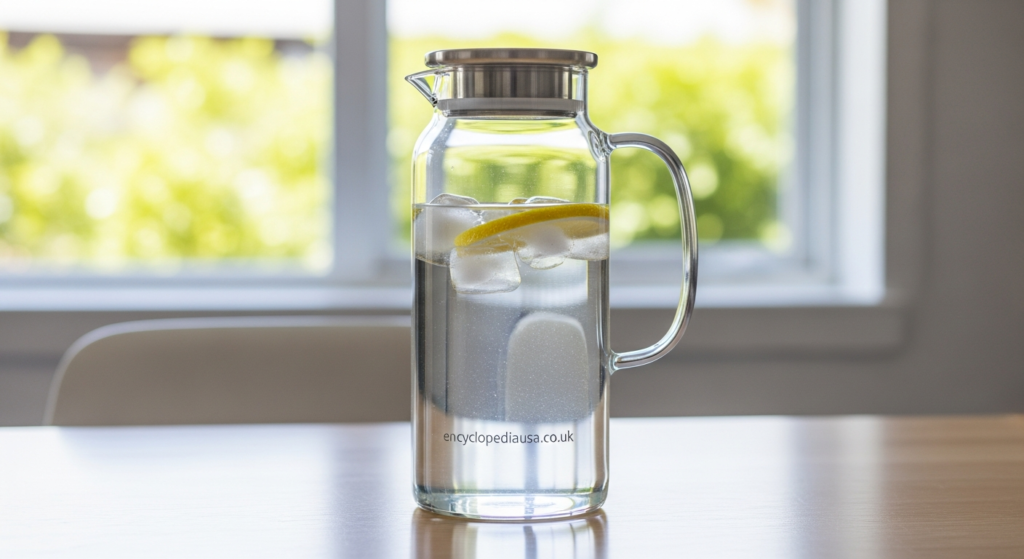
Glass Water Jugs
Glass offers the purest taste experience. Nothing interferes with the flavor of your water, tea, or infused drinks.
You can see exactly how much water remains and whether it needs cleaning. Glass is also easy to sanitize and doesn’t hold onto odors.
However, glass is fragile. While some models come with protective silicone sleeves, you still need to handle them with extra care.
Choosing the Right Size Water Jug
Half Gallon (64 oz)
This size has become incredibly popular for personal hydration goals. It matches the common recommendation of drinking eight 8-ounce glasses daily.
A half gallon water jug is manageable to carry yet large enough that you won’t constantly refill it. Perfect for keeping at your desk or taking to the gym.
One Gallon (128 oz)
Serious fitness enthusiasts often choose one gallon jugs. They’re also great for families or for keeping in your car during road trips.
The size does make them bulky. You’ll want a model with a comfortable handle and a wide base for stability.
Smaller Options (32-40 oz)
These bridge the gap between standard water bottles and full jugs. Easier to fit in bag compartments while still holding a decent amount.
Great for shorter outings or if you prefer something less intimidating than a full gallon.
Key Features to Consider
Handle Design
The handle makes or breaks your experience with a water jug. Look for ergonomic designs that distribute weight evenly.
Some handles fold down for easier storage. Others have finger grooves for a more secure grip when pouring.
Test the handle if possible. What feels comfortable empty might become awkward when filled with several pounds of water.
Lid and Spout Types
Screw-on lids provide the most secure seal but take longer to open. Flip-top lids offer quick access but may be more prone to leaks.
Spout design matters for drinking comfort. Wide mouth openings make filling and cleaning easier but can lead to spills. Narrow spouts offer better control.
Some water jugs include multiple lid options. This versatility lets you switch based on your activity.
Time Markers and Motivational Quotes
Many modern water jugs feature time markers running down the side. These help you pace your water intake throughout the day.
You might see motivational phrases like “Keep Going” or “Almost There.” While some find these cheesy, others genuinely appreciate the encouragement.
Consider whether visual reminders would help or just add clutter to the design.
Carrying Straps
Built-in straps or attachment points for adding your own can make transport much easier. This is especially useful for gallon-sized options.
Adjustable straps let you carry the jug messenger-bag style, freeing up your hands.
Health Benefits of Using a Water Jug
Having a water jug nearby dramatically increases your water consumption. Studies show that people drink 25-40% more water when it’s easily accessible.
Proper hydration supports every system in your body. Your skin looks better, your energy levels improve, and your cognitive function gets a boost.
Using a reusable water jug also reduces plastic bottle waste. The average person uses 156 plastic bottles annually, most ending up in landfills or oceans.
Your wallet benefits too. Buying bottled water costs roughly $1,400 per year compared to pennies for filtered tap water in a reusable jug.
Best Water Jug Uses
At the Office
Keep a water jug at your desk to maintain hydration during long work sessions. It eliminates trips to the water cooler and helps you hit your daily intake goals.
Choose a model with a secure lid to prevent spills near electronics.
During Workouts
Gym sessions require serious hydration. A large capacity water jug means you won’t run out mid-workout.
Look for a model with a carrying strap and an easy-drinking spout that works while you’re moving.
Outdoor Activities
Camping, hiking, or spending a day at the beach all call for reliable hydration. Durable materials and leak-proof designs are essential.
Insulated options keep your water refreshingly cold even in hot weather.
Travel and Commuting
A water jug in your car encourages regular sipping during your commute. This is especially helpful in traffic or during long road trips.
Make sure it fits your cup holder or has a stable base that won’t tip over.
Cleaning and Maintenance Tips
Regular cleaning prevents bacteria buildup and keeps your water tasting fresh. Wash your water jug daily with hot, soapy water.
For deeper cleaning, use a mixture of baking soda and vinegar. Let it sit for 15 minutes, then scrub with a bottle brush.
Don’t forget the lid and any straws or spouts. These areas harbor bacteria if neglected.
Let your water jug air dry completely before sealing the lid. Trapped moisture creates an environment for mold growth.
Once a week, sanitize your jug by filling it with a diluted bleach solution (one teaspoon per gallon of water). Let it sit for a few minutes, rinse thoroughly, and air dry.
Common Mistakes to Avoid
Buying Based on Looks Alone
That trendy design might catch your eye, but if it’s uncomfortable to hold or difficult to clean, you won’t use it.
Function should always come before fashion when choosing a water jug.
Ignoring Insulation Needs
If you want cold water all day, you need insulation. Single-wall containers won’t maintain temperature for more than an hour or two.
Consider where and when you’ll use the jug most often.
Choosing the Wrong Size
Starting with a gallon jug sounds ambitious, but if it feels overwhelming, you might drink less instead of more.
Begin with a size that feels achievable. You can always upgrade later.
Neglecting Cleaning
A dirty water jug can make you sick. The moist environment is perfect for bacterial growth.
Set a cleaning schedule and stick to it. Make it part of your daily routine.
Environmental Impact
Americans throw away 35 billion plastic water bottles each year. Only about 30% get recycled, leaving billions in landfills.
A single reusable water jug can replace hundreds of disposable bottles annually. Over a lifetime, that’s thousands of bottles kept out of the waste stream.
Manufacturing reusable jugs does have an environmental cost. However, the break-even point typically comes after just a few weeks of regular use.
Choosing a durable, long-lasting water jug maximizes your environmental benefit. A quality stainless steel option could serve you for a decade or more.
Budget Considerations
Basic plastic water jugs start around $10 to $15. These work fine for simple needs but may need replacement within a year.
Mid-range options ($20 to $40) offer better materials, improved insulation, and more thoughtful designs. This is the sweet spot for most people.
Premium water jugs can cost $50 to $80 or more. You’re paying for superior insulation technology, lifetime warranties, and brand reputation.
Consider cost per use rather than upfront price. A $50 jug used daily for five years costs just three cents per day.
Top Features Worth Paying Extra For
Superior Insulation
Double-wall vacuum insulation genuinely makes a difference. Cold water stays icy for an entire day, even in summer heat.
This feature adds $20 to $40 to the price but transforms the user experience.
Leak-Proof Guarantee
Cheap lids often fail over time. A truly leak-proof design gives you confidence to toss the jug in your bag without worry.
Look for brands that warranty their leak-proof claims.
Easy-Clean Design
Wide mouth openings and dishwasher-safe components save time and hassle. Some bottles have narrow necks that make thorough cleaning nearly impossible.
A design that breaks down into simple components makes maintenance much easier.
Popular Water Jug Brands
Several companies dominate the quality water jug market. Hydro Flask offers excellent insulation and a variety of colors and sizes.
Nalgene has been a trusted name for decades, particularly among outdoor enthusiasts. Their bottles are virtually indestructible.
Contigo focuses on innovative lid designs and leak-proof technology. Their spouts are easy to drink from while moving.
Smaller brands like Iron Flask and QuiFit offer competitive features at lower prices. They’re worth considering if you’re budget-conscious.
Customization and Personalization
Many water jug owners add stickers to express personality or track their journey. This makes your jug easily identifiable too.
Some companies offer engraving services. A personalized jug makes a thoughtful gift and helps prevent loss in shared spaces.
Paracord wraps add grip and style while providing emergency cordage. This appeals to outdoor enthusiasts who value multi-purpose gear.
Silicone boots protect the bottom of your jug and reduce noise when you set it down. They come in various colors to match or contrast your jug.
Water Quality Considerations
Your water jug is only as good as what you put in it. If your tap water tastes off, consider a filtration system.
Some water jugs include built-in filters. These remove chlorine taste and certain contaminants as you drink.
Alternatively, fill your jug from a pitcher filter or refrigerator dispenser. This ensures better-tasting water throughout the day.
Remember that filters need regular replacement. Mark your calendar to change them according to manufacturer recommendations.
Motivating Yourself to Drink More
Setting a water jug on your desk creates a visual reminder. You’ll naturally drink more when water is within easy reach.
Challenge yourself to finish your jug by certain times. This gamification makes hydration feel like an achievement.
Infuse your water with fruit, cucumber, or herbs for variety. Many water jugs have infuser baskets designed for this purpose.
Track your intake using an app or simple tally marks. Seeing your progress encourages consistency.
Special Considerations for Different Groups
Athletes and Fitness Enthusiasts
You need rapid hydration and large capacity. Look for jugs with fast-flow spouts and easy one-handed operation.
Electrolyte powder compatibility matters if you mix sports drinks. Make sure the opening is wide enough for easy mixing.
Office Workers
Quiet lids that don’t click loudly are courteous in shared workspaces. Stable bases prevent accidental desk floods.
A professional appearance might matter depending on your workplace culture. Solid colors in neutral tones blend better than loud patterns.
Parents and Families
Durability becomes crucial with kids involved. Dent-resistant materials and replaceable parts extend the jug’s life.
Consider multiple smaller jugs instead of one large one for easier portion control and personal ownership.
Seniors
Lightweight materials reduce strain on joints. Ergonomic handles and easy-open lids accommodate reduced grip strength.
Clear measurement markings help track fluid intake, which becomes increasingly important with age.
Seasonal Considerations
Summer demands insulation to keep water cold despite heat. Double-wall construction becomes essential rather than optional.
Winter use might mean you want hot beverage capability. Look for jugs rated for hot liquids if you enjoy tea or coffee.
Some people swap between different water jugs seasonally. A larger, insulated model for summer and a lighter option for cooler months.
Troubleshooting Common Issues
My Water Tastes Like Plastic
New jugs often have a manufacturing residue taste. Wash thoroughly with baking soda, then let it air out for 24 hours.
If the taste persists, your jug might be low-quality plastic. Consider upgrading to a better material.
The Lid Leaks
Check that the seal is properly positioned. Over time, seals degrade and need replacement. Many brands sell replacement parts.
Make sure you’re not overfilling beyond the fill line. Liquid expands when frozen, so leave space if you add ice.
Mold or Odor Problems
This signals inadequate cleaning. Disassemble all components and use a vinegar solution to kill mold spores.
Let everything dry completely before reassembling. Consider leaving the lid off between uses for better air circulation.
Condensation Issues
Single-wall jugs will always sweat in humid conditions or with cold water. Place a coaster underneath or switch to an insulated model.
Some companies make neoprene sleeves that absorb condensation while adding grip.
Making the Switch from Disposable Bottles
Start by identifying the situations where you typically buy bottled water. Keep your reusable jug filled and ready for those moments.
Put a water jug in your car, one at your desk, and one by your bedside. Multiple strategic locations increase usage.
Track how much money you save. Seeing the financial benefit reinforces the habit change.
Remember that you’re making a positive environmental choice with every refill. This psychological reward helps cement the new behavior.
Conclusion
Finding the right water jug transforms something simple into something that genuinely improves your daily life. Whether you prioritize capacity, insulation, durability, or style, there’s an option that fits your needs.
Start by identifying your primary use case. Then narrow down material and size based on your lifestyle. Don’t overlook important features like handle comfort and cleaning ease.
Remember, the best water jug is the one you’ll actually use every day. Sometimes the perfect choice surprises you. It might not be the most expensive or the trendiest, just the one that fits seamlessly into your routine.
What matters most to you in a water jug? Is it keeping your water ice-cold all day, or are you more focused on capacity and convenience? Think about what would make you reach for it without hesitation, every single time.
Frequently Asked Questions
How often should I replace my water jug?
Replace plastic water jugs every 1 to 2 years with regular use. Stainless steel and glass options can last 5 to 10 years or longer if properly maintained. Replace immediately if you notice cracks, persistent odors that won’t wash out, or degraded seals. The lid and seals typically need replacement more frequently than the jug itself.
Can I put hot liquids in any water jug?
No, not all water jugs are designed for hot beverages. Check the manufacturer specifications before adding hot liquids. Plastic jugs may warp or release chemicals when exposed to high temperatures. Stainless steel insulated options specifically rated for hot liquids are your safest choice. Glass jugs can typically handle hot water but may crack with sudden temperature changes.
How do I remove stubborn odors from my water jug?
Fill your jug with equal parts white vinegar and warm water, let it soak overnight, then scrub and rinse thoroughly. For persistent smells, try a baking soda paste applied directly to problem areas. Alternatively, dissolve denture cleaning tablets in warm water inside the jug and let sit for several hours. Always rinse multiple times and air dry completely.
Are water jugs with time markers worth it?
Time markers help many people stay on track with hydration goals, especially when building new habits. They provide visual accountability throughout the day. However, if you already drink plenty of water or find the markers distracting, they’re unnecessary. Consider your personality and whether external reminders motivate you or create pressure.
Can I freeze my water jug?
Most water jugs can be frozen, but don’t fill them completely. Water expands when frozen, which can crack the container or damage seals. Fill only to about 75% capacity and remove the lid or leave it loose during freezing. Check manufacturer guidelines, as some materials and vacuum-insulated designs shouldn’t be frozen at all.
What’s the best way to carry a one gallon water jug?
Look for jugs with ergonomic handles and consider adding a carrying strap. Distribute weight by carrying the jug close to your body rather than letting it hang away from you. Some people prefer a shoulder strap that converts the jug into a messenger-bag style carry. For car storage, find a stable spot where it won’t roll or tip during turns.
Do insulated water jugs really keep water cold all day?
Quality double-wall vacuum insulated jugs genuinely maintain cold temperatures for 24 hours or more. Performance depends on factors like starting water temperature, ambient temperature, and how often you open the lid. Adding ice extends cold duration significantly. Budget models with basic insulation perform less impressively, typically maintaining temperature for 4 to 8 hours.
Is it safe to drink from plastic water jugs?
BPA-free plastics are generally considered safe for water storage. Look for food-grade plastics like Tritan or HDPE. Avoid leaving plastic jugs in hot cars or direct sunlight, as heat can cause chemical leaching. Replace plastic jugs showing signs of wear, cloudiness, or cracking. If concerned, stainless steel or glass eliminates any plastic-related worries.
How much water should my jug hold for daily hydration?
A half gallon (64 oz) matches the common eight glasses daily recommendation and works well for most people. Active individuals or those in hot climates might need one gallon (128 oz) or more. Consider starting smaller and refilling rather than being overwhelmed by a large capacity you won’t finish. Your body weight, activity level, and climate all affect your actual needs.
Can I put my water jug in the dishwasher?
Check manufacturer guidelines, as dishwasher safety varies by material and construction. Many plastic and glass jugs are dishwasher safe, but high heat can damage seals or decorative elements. Stainless steel exteriors may lose their finish in dishwashers. Insulated jugs often shouldn’t go in dishwashers as it can compromise the vacuum seal. Hand washing remains the safest cleaning method for most water jugs.
Also Read : Important Synonym