

Lord Altrincham: The Fearless Critic Who Changed Royal History
Introduction
Imagine publicly criticizing the Queen of England during the 1950s. The backlash would be severe, right? That’s exactly what Lord Altrincham faced when he dared to speak out against the monarchy. His courage changed the royal family forever.
In 1957, a young peer named Lord Altrincham wrote an article that shocked Britain. He criticized Queen Elizabeth II’s speaking style, her advisors, and the outdated nature of the royal court. The reaction was explosive. People called him a traitor. Someone even slapped him in public. Yet today, historians recognize Lord Altrincham as a visionary who helped modernize the British monarchy.
This article explores the fascinating story of Lord Altrincham. You’ll discover who he was, what he said, why it mattered, and how his controversial views actually saved the monarchy from irrelevance. His story teaches us about courage, change, and the power of constructive criticism.
Who Was Lord Altrincham
Lord Altrincham was born John Grigg in 1924. He inherited his title from his father, becoming the 2nd Baron Altrincham. Unlike many aristocrats of his time, he wasn’t content with tradition for tradition’s sake. He believed institutions must evolve to remain relevant.
Early Life and Background
John Grigg grew up in a privileged environment. His father served as a Conservative politician and held the peerage. Young John received excellent education at Eton and Oxford. These institutions shaped his thinking but didn’t make him a blind follower of tradition.
During World War II, Grigg served in the Grenadier Guards. Military service exposed him to people from different backgrounds. He saw how ordinary Britons viewed the aristocracy and monarchy. These experiences influenced his later views about making royal institutions more accessible.
After the war, Grigg entered journalism and politics. He edited the National Review from 1954 to 1960. This platform gave him opportunities to express opinions on various subjects. His writing style was direct and fearless.
His Political Evolution
Initially, Lord Altrincham aligned with Conservative politics. However, his views evolved over time. He believed conservatism meant preserving what works while changing what doesn’t. This philosophy guided his approach to the monarchy.
Grigg wasn’t anti-monarchy. He genuinely wanted the institution to survive and thrive. He recognized that post-war Britain was changing rapidly. The old deference towards aristocracy was fading. Young people demanded more from their leaders and institutions.
His concern for the monarchy’s future drove his criticism. He feared that without modernization, the royal family would become irrelevant. This concern motivated his famous 1957 article.
The Controversial Article That Shocked Britain
In August 1957, Lord Altrincham published an article in the National Review. The piece criticized various aspects of Queen Elizabeth II’s court and public persona. The reaction was immediate and intense.
What Did He Actually Say
Lord Altrincham made several specific criticisms. He described the Queen’s speaking voice as “a pain in the neck.” He said her style of public speaking sounded like a “priggish schoolgirl.” These comments about the monarch’s personal manner shocked readers.
He also criticized the Queen’s advisors. Altrincham argued they were too aristocratic and out of touch. He called them “tweedy” and suggested they represented a narrow slice of British society. The royal court, he claimed, needed people from diverse backgrounds.
His article questioned the relevance of royal garden parties and presentations. These traditions seemed outdated in modern Britain. He advocated for making the monarchy more accessible to ordinary people.
Lord Altrincham also suggested the Queen should give more spontaneous speeches. Her scripted addresses felt impersonal. He wanted her to connect more authentically with subjects.
The Public Backlash
The reaction was furious and widespread. Newspaper editorials condemned Altrincham. Politicians from all parties criticized him. Many people viewed his comments as treasonous.
One man physically assaulted Lord Altrincham outside a television studio. Philip Kinghorn Burbidge slapped him across the face. The assailant became briefly famous for “defending” the Queen’s honor. Public opinion largely sympathized with the attacker rather than the victim.
Religious leaders joined the criticism. The Archbishop of Canterbury suggested Altrincham’s comments were ungentlemanly. Conservative MPs called for him to be stripped of his title. The establishment closed ranks against this upstart critic.
However, not everyone disagreed with Altrincham. Some letters to newspapers supported his views. Younger Britons especially appreciated his willingness to question outdated traditions. A quiet minority recognized the truth in his observations.
Television Appearance and Defense
Lord Altrincham appeared on television to defend his position. These appearances were significant because television was still relatively new. Few aristocrats had engaged in public debate on TV before.
During interviews, Altrincham remained calm and articulate. He explained that his criticism came from loyalty, not hostility. He wanted the monarchy to adapt and survive. His reasonable demeanor surprised many viewers.
These television appearances had an unexpected effect. People who watched him found his arguments compelling. His polite, reasoned approach contrasted with the hysteria of his critics. Public opinion began shifting slightly in his favor.
Why His Criticism Actually Mattered
Looking back, Lord Altrincham’s intervention was historically significant. His courage opened doors for necessary reforms. The monarchy did change, often in ways he suggested.
Changes in Royal Communication
After 1957, the royal family gradually modified how they communicated. The Queen’s Christmas broadcasts became more personal. She began sharing family moments and speaking more naturally. These changes made her more relatable.
The introduction of royal walkabouts was revolutionary. Instead of just waving from cars, royals started meeting people directly. They shook hands, accepted flowers, and had brief conversations. This accessibility was exactly what Altrincham advocated.
Royal press secretaries became more professional and media-savvy. The palace recognized the need to manage public relations effectively. They couldn’t simply ignore public opinion or media criticism anymore.
Documentaries and interviews humanized the royal family. The famous 1969 documentary “Royal Family” showed them in domestic settings. While controversial, it represented the kind of openness Altrincham championed.
Diversification of Royal Court
The composition of the Queen’s advisors gradually changed. The court became less exclusively aristocratic. People from middle-class backgrounds entered royal service. Merit began mattering more than breeding.
This diversification continued over decades. Today’s royal household includes people from various social, ethnic, and professional backgrounds. The “tweedy” advisors Altrincham criticized have been replaced by modern professionals.
The Queen herself acknowledged the need for change. While she never directly credited Altrincham, her actions showed she understood his message. She modernized carefully while maintaining tradition where it mattered.
Impact on Public Perception
Lord Altrincham’s criticism opened space for respectful debate about the monarchy. Before 1957, such discussion was virtually taboo. After his intervention, constructive criticism became more acceptable.
This shift benefited the monarchy long term. Institutions that accept criticism can adapt. Those that refuse eventually become irrelevant. Altrincham’s courage allowed the royal family to evolve while maintaining public support.
The willingness to question and reform helped the British monarchy survive when other European monarchies fell. Spain, Belgium, and Scandinavian countries also modernized their monarchies. Britain led this evolution partly because of voices like Altrincham’s.
Lord Altrincham’s Later Life and Legacy
After the controversy subsided, Lord Altrincham continued his career. He remained a respected journalist and historian. His contributions extended far beyond that one famous article.
Renouncing His Peerage
In 1963, Parliament passed legislation allowing peers to renounce their titles. Lord Altrincham was among the first to do so. He reverted to using his birth name, John Grigg.
This decision reflected his democratic principles. He believed the hereditary peerage system was outdated. By renouncing his title, he practiced what he preached about modernization and merit.
After renunciation, Grigg stood for Parliament as John Grigg. Though unsuccessful in elections, he continued influencing public discourse through writing. His voice carried weight because of his principled stands.
Historical Writing Career
John Grigg became a distinguished historian. He specialized in British political history, particularly the early 20th century. His multi-volume biography of Prime Minister David Lloyd George received critical acclaim.
These historical works demonstrated serious scholarship. Grigg wasn’t just a controversialist. He was a thoughtful analyst of British institutions and politics. His historical writing earned respect that the Altrincham controversy might have cost him.
His historical perspective informed his earlier criticism. Understanding how British institutions evolved helped him recognize when change was necessary. The monarchy had adapted before. It could and should adapt again.
Recognition and Rehabilitation
Over time, Lord Altrincham received recognition for his courage. Historians acknowledged his positive influence on the monarchy. What seemed treasonous in 1957 looked prescient decades later.
Royal biographers credit him with helping save the monarchy. His criticism forced necessary reflection and reform. Without such voices, the institution might have become irrelevant in modern Britain.
Even palace insiders privately acknowledged his contribution. While the Queen never publicly commented, those close to her admitted Altrincham had raised valid points. His rehabilitation was quiet but real.
Lessons from Lord Altrincham’s Story
The story of Lord Altrincham offers valuable lessons applicable beyond royal watching. His experience teaches us about courage, criticism, and change.
The Value of Constructive Criticism
Altrincham demonstrated that criticism from loyalty differs from hostility. He wanted the monarchy to succeed. His suggestions aimed to strengthen, not destroy, the institution.
Organizations and leaders benefit from such constructive criticism. Yes-men and sycophants provide comfort but not growth. Those willing to speak uncomfortable truths offer real value.
The initial hostile reaction to criticism often softens with time. What seems shocking initially may later appear obvious. Good leaders eventually recognize and appreciate honest feedback.
Courage to Challenge Consensus
Speaking against prevailing opinion requires courage. Altrincham faced physical assault, social ostracism, and widespread condemnation. Yet he stood by his convictions.
Society progresses when individuals challenge outdated norms. Every reform begins with someone questioning “the way things have always been.” Altrincham embodied this principle.
His courage inspired others. After his intervention, more people felt comfortable discussing royal reform. One brave voice can open doors for many others.
Institutions Must Evolve or Die
The British monarchy survived partly because it adapted. Altrincham’s criticism highlighted the need for evolution. His warnings about irrelevance proved prescient.
All institutions face this choice. Businesses, governments, religions, and social organizations must evolve with society. Those that cling rigidly to tradition risk extinction.
The monarchy’s willingness to change, however gradually, ensured its survival. Other European monarchies that refused adaptation didn’t fare as well. Evolution enables endurance.
The Power of Media in Democratic Discourse
Lord Altrincham used media effectively to promote change. His article reached thousands. His television appearances reached millions. Media amplified his message.
In democratic societies, media enables public discourse. Citizens can question leaders and institutions. This accountability strengthens rather than weakens good governance.
The monarchy learned to work with media rather than against it. Today’s royal family understands public relations importance. This adaptation stemmed partly from Altrincham’s intervention.
How Lord Altrincham Changed Royal Tradition
Specific changes in royal protocol and practice can be traced to the debate Altrincham started. His influence extended beyond general modernization.
The Ending of Debutante Presentations
The tradition of presenting debutantes to the Queen ended in 1958. Young aristocratic women would “come out” by being formally presented at court. This ritual symbolized entry into society.
While not solely due to Altrincham, his criticism contributed to this decision. He had specifically mentioned these presentations as outdated. The palace quietly discontinued them shortly after his article.
This change symbolized broader democratization. The monarchy would focus less on aristocratic rituals and more on national representation. The shift acknowledged changing British society.
Introduction of Royal Walkabouts
Royal walkabouts began in the 1970s. These informal meetings between royals and public were revolutionary. Previously, crowds could only watch from a distance.
This innovation directly addressed Altrincham’s call for accessibility. The Queen and her family could now interact directly with ordinary subjects. These encounters humanized the royals.
Walkabouts became standard practice for royal visits. They remain popular today. This simple change transformed the relationship between monarchy and people.
More Natural Public Speaking
The Queen’s speaking style evolved over her reign. Early speeches sounded formal and distant. Later addresses became warmer and more personal.
This evolution reflected Altrincham’s criticism about her “priggish schoolgirl” voice. While the change happened gradually, the direction was clear. The monarch learned to communicate more naturally.
Later generations of royals speak even more casually. Princes William and Harry communicate in contemporary language. This accessibility owes something to debates Altrincham initiated.
Increased Media Access
The monarchy gradually became more transparent. Documentaries, interviews, and behind-the-scenes access increased. This openness was unthinkable in 1957.
While sometimes controversial, this transparency served the monarchy well. People felt they knew the royals as individuals. This familiarity bred affection rather than contempt.
Altrincham had argued for demystifying the monarchy. Making it more accessible and understandable would strengthen public support. History proved him right.
The Cultural Context of 1957
Understanding why Altrincham’s criticism shocked so deeply requires examining 1950s Britain. The cultural context explains the extreme reaction.
Post-War Deference Culture
Britain in 1957 remained deeply deferential to authority. The war had reinforced respect for hierarchy and tradition. People didn’t question established institutions.
The monarchy especially enjoyed reverence. Queen Elizabeth II was young, glamorous, and represented continuity after war’s disruption. Criticism seemed almost sacrilegious.
Class divisions remained rigid. Aristocrats like Lord Altrincham weren’t supposed to question the system benefiting them. His criticism seemed like betrayal of his class.
The New Elizabethan Age Myth
Elizabeth II’s coronation in 1953 generated enormous excitement. Many spoke of a “New Elizabethan Age” comparable to her namesake’s glorious reign. This optimism created unrealistic expectations.
Any criticism of the young Queen seemed to undermine this hopeful narrative. People wanted to believe in monarchy’s magic. Altrincham’s practical suggestions felt deflating.
The contrast between myth and reality created tension. Altrincham simply voiced what some privately thought. His public statement broke the polite silence.
The Beginning of Social Change
Despite surface conservatism, British society was changing. Young people questioned their parents’ assumptions. The rigid class system showed cracks.
Television brought new influences into homes. American culture emphasized informality and equality. These values conflicted with British tradition.
Altrincham’s criticism aligned with emerging attitudes. While older Britons reacted with horror, younger citizens were more sympathetic. His timing coincided with cultural shifts.
Comparing Altrincham to Other Royal Critics
Lord Altrincham wasn’t the only person to criticize the monarchy. However, his intervention was unique in several ways.
Earlier Critics
Republicans had long opposed monarchy on principle. However, their criticism aimed to abolish the institution entirely. Altrincham’s approach differed fundamentally.
He accepted monarchy’s existence and value. His criticism sought improvement, not elimination. This constructive approach made his message more threatening to traditionalists.
Previous critics were easy to dismiss as radicals. Altrincham couldn’t be dismissed so easily. He was an aristocrat, a peer, and a conservative. His criticism came from within the establishment.
Later Critics
In subsequent decades, others criticized the royal family. Journalists, politicians, and even royal family members spoke out. Princess Diana’s interviews revealed palace dysfunction.
These later criticisms became more acceptable partly because Altrincham broke the taboo. He proved one could criticize royals without being unpatriotic.
Modern royal criticism often echoes Altrincham’s themes. Questions about relevance, accessibility, and modernization continue. His 1957 article started conversations still ongoing.
His Unique Position
As a hereditary peer who later renounced his title, Altrincham occupied a unique position. He understood the aristocratic world from inside but could critically assess it.
His loyalty to monarchy made his criticism more credible. He wasn’t trying to destroy what he loved. He wanted to save it through reform.
This combination of insider knowledge, genuine concern, and courage to speak made his intervention especially effective. He couldn’t be easily categorized or dismissed.
Conclusion
Lord Altrincham’s story reminds us that progress often comes through uncomfortable conversations. His 1957 criticism of Queen Elizabeth II shocked Britain. Yet his observations proved remarkably prescient.
The monarchy did change in ways he suggested. Royal communication became more natural. The court diversified. Accessibility increased. These reforms helped the institution survive and thrive.
Altrincham’s courage opened space for constructive debate. His willingness to face backlash for speaking truth served the monarchy better than any amount of flattery. True loyalty sometimes requires criticism.
His legacy extends beyond royal watching. The story teaches us about the value of questioning tradition, the courage to challenge consensus, and the necessity of evolution. Institutions that welcome constructive criticism strengthen themselves.
Today, the British monarchy remains popular partly because it adapted. Lord Altrincham deserves credit for forcing that adaptation. His controversial intervention ultimately saved what it seemed to attack.
What institutions in your life might benefit from similarly honest assessment? Sometimes the most loving act is pointing out where change is needed. Lord Altrincham showed us how constructive criticism, delivered with courage and good intentions, can transform even the most traditional institutions. His legacy lives on every time someone dares to speak uncomfortable truths for the greater good.
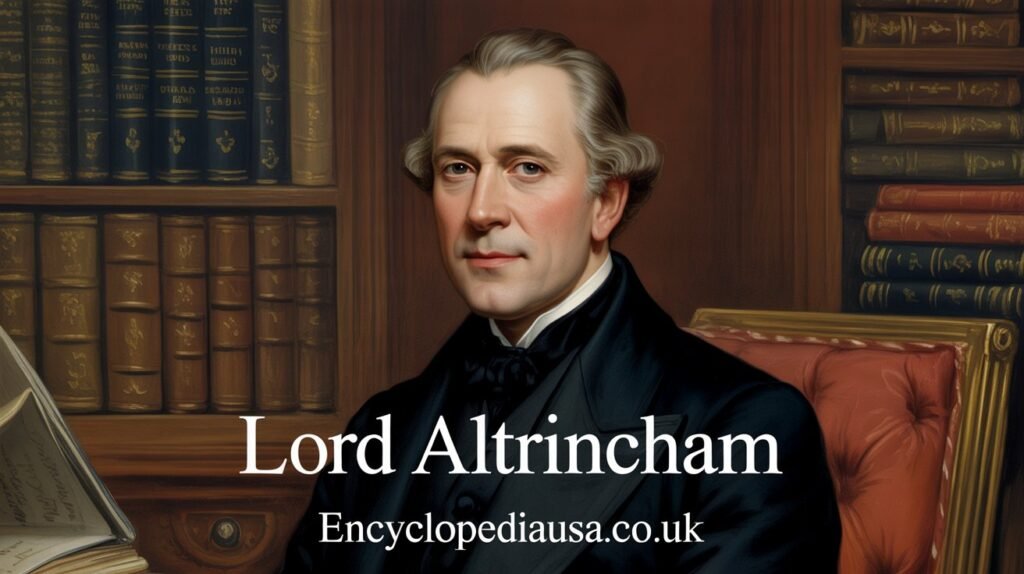
Frequently Asked Questions
Who was Lord Altrincham?
Lord Altrincham was born John Grigg in 1924. He inherited the title 2nd Baron Altrincham from his father. He became famous for publicly criticizing Queen Elizabeth II in 1957. Later, he renounced his peerage and became a respected historian and journalist known for his biography of David Lloyd George.
What did Lord Altrincham say about the Queen?
In 1957, Lord Altrincham criticized the Queen’s speaking style as sounding like a priggish schoolgirl. He also criticized her advisors as too aristocratic and out of touch. He called for the monarchy to modernize and become more accessible to ordinary people. His comments shocked Britain and caused enormous controversy.
Why did someone slap Lord Altrincham?
Philip Kinghorn Burbidge slapped Lord Altrincham outside a television studio in 1957. He claimed to be defending the Queen’s honor against Altrincham’s criticism. Many people at the time sympathized with the attacker rather than the victim. The incident demonstrated how controversial Altrincham’s comments were.
Did the royal family respond to Lord Altrincham’s criticism?
The royal family never officially responded to Lord Altrincham’s criticism. However, the monarchy gradually changed in ways he suggested. The Queen’s speaking style became more natural. Royal walkabouts were introduced. The court diversified. These changes suggested his message was heard even if not publicly acknowledged.
Why did Lord Altrincham renounce his title?
Lord Altrincham renounced his peerage in 1963 when legislation first allowed it. He believed the hereditary peerage system was outdated and undemocratic. By renouncing his title and reverting to John Grigg, he practiced what he preached about modernization and merit-based society.
Was Lord Altrincham anti-monarchy?
No, Lord Altrincham supported the monarchy. His criticism came from wanting the institution to survive and remain relevant. He feared that without modernization, the monarchy would become obsolete in post-war Britain. His intervention aimed to strengthen, not destroy, the royal family.
How did public opinion about Lord Altrincham change over time?
Initially, public opinion strongly opposed Lord Altrincham. He faced condemnation from politicians, religious leaders, and ordinary citizens. However, over time, historians recognized his positive influence. His criticism is now seen as constructive and prescient. He is credited with helping modernize and save the monarchy.
What was Lord Altrincham’s profession after the controversy?
After the controversy, Lord Altrincham continued as a journalist and became a distinguished historian. He wrote a highly acclaimed multi-volume biography of Prime Minister David Lloyd George. He also contributed to various publications and remained an influential voice in British public discourse until his death in 2001.
Did other people agree with Lord Altrincham at the time?
While most public reaction was hostile, some people quietly agreed with Lord Altrincham. Younger Britons especially found his arguments compelling. Some letters to newspapers supported his views. Over time, more people admitted he had raised valid points about necessary royal reforms.
What is Lord Altrincham’s legacy today?
Lord Altrincham is remembered as a courageous reformer who helped modernize the British monarchy. His willingness to speak uncomfortable truths opened space for constructive debate about royal traditions. Historians credit him with contributing to the monarchy’s survival by forcing necessary adaptation. His legacy teaches the value of constructive criticism.
Must Read: Encyclopediausa.co.uk
Author Bio
A dedicated history researcher and writer specializing in British constitutional history and the evolution of the monarchy. With particular interest in how traditional institutions adapt to modern society, the author brings historical events to life through engaging storytelling. Passionate about exploring controversial moments that shaped contemporary Britain and making complex historical topics accessible to general readers.