
Fuel Filter: Essential Guide to Protecting Your Engine and Avoiding Costly Repairs
Introduction
Your vehicle’s engine depends on clean fuel to run smoothly. Every time you fill up at the gas station, tiny contaminants enter your fuel tank. Dirt, rust particles, and debris lurk in every gallon of gasoline or diesel. Without proper protection, these particles would destroy your engine within months.
The fuel filter stands as your engine’s first line of defense against contamination. This small but mighty component removes harmful particles before they reach sensitive fuel injectors and combustion chambers. Understanding how your fuel filter works and when to replace it can save you thousands of dollars in repair costs.
This comprehensive guide explores everything you need to know about fuel filters. You’ll discover how they protect your engine, recognize warning signs of filter failure, learn replacement intervals, and understand the difference between various filter types. Whether you drive a compact car, heavy-duty truck, or diesel vehicle, this information will help you maintain optimal engine performance and avoid unexpected breakdowns.
What Is a Fuel Filter and How Does It Work
A fuel filter is a critical component in your vehicle’s fuel system. It sits between your fuel tank and engine, cleaning gasoline or diesel before it reaches the combustion chamber. Think of it as a tiny guardian that catches contaminants you cannot see with the naked eye.
The Basic Function Explained
The fuel filter contains special filtration media designed to trap particles. As fuel flows from your tank toward the engine, it passes through this media. Clean fuel continues to the injectors while contaminants get trapped inside the filter element.
Modern fuel filters can catch particles as small as 10 to 30 microns. That’s smaller than a human hair. This incredible filtration prevents damage to precision components like fuel injectors, which have tolerances measured in thousandths of an inch.
The fuel pump pushes gasoline or diesel through the filter at high pressure. Despite this pressure, a good filter maintains consistent flow while blocking debris. This balance between filtration and flow is what makes quality filters so important.
Types of Fuel Filters
Different vehicles use different fuel filter designs. Understanding these variations helps you choose the right replacement when maintenance time arrives.
Inline Fuel Filters
These filters sit along the fuel line between the tank and engine. You’ll find them underneath the vehicle or in the engine compartment. Inline filters are common in older vehicles and many trucks. They’re relatively easy to access and replace.
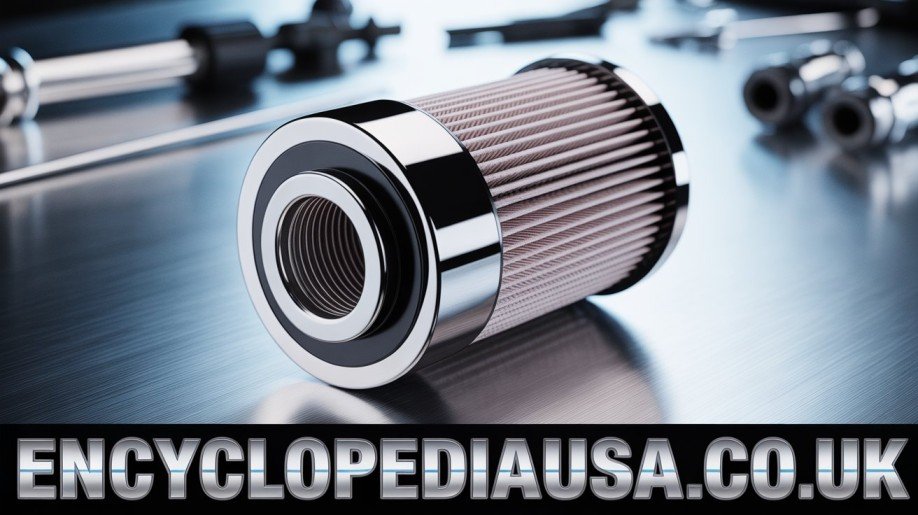
Cartridge Fuel Filters
Cartridge filters fit inside a housing unit. You replace only the filter element, not the entire assembly. This design appears in many modern vehicles. It reduces waste and often costs less than complete filter replacement.
Spin-On Fuel Filters
Diesel engines commonly use spin-on filters that resemble oil filters. The entire unit screws onto a mounting base. When replacement time comes, you remove the whole filter and install a new one. This design makes changing filters quick and mess-free.
In-Tank Fuel Filters
Many newer vehicles integrate the fuel filter inside the fuel tank. These filters often last longer because they’re protected from road debris and weather. However, accessing them for replacement requires dropping the fuel tank, which increases labor costs significantly.
Why Your Fuel Filter Matters More Than You Think
Many drivers overlook fuel filter maintenance until problems occur. This neglect costs them dearly in repairs and frustration. Understanding why fuel filters matter helps you prioritize this simple maintenance task.
Protection for Expensive Components
Fuel injectors represent some of the most expensive parts in modern engines. A single injector can cost several hundred dollars. Complete injector replacement might run into thousands. Your fuel filter protects these precision components from debris that would clog or damage them.
Fuel pumps also benefit from clean fuel. Contaminated fuel creates excessive wear on pump components. A failing fuel pump can leave you stranded and requires costly replacement. The fuel filter prevents this premature failure by keeping harmful particles away from the pump.
High-pressure fuel systems in direct injection engines demand extremely clean fuel. Even microscopic particles can cause problems in these advanced systems. A functioning fuel filter ensures these sensitive components receive only filtered, clean fuel.
Engine Performance and Efficiency
Clean fuel burns more efficiently than contaminated fuel. When your fuel filter does its job properly, your engine develops full power. Acceleration feels crisp and responsive. Fuel economy reaches the levels your manufacturer intended.
A clogged fuel filter restricts fuel flow. Your engine receives less fuel than it needs for optimal combustion. You’ll notice reduced power, especially during acceleration or when climbing hills. Fuel economy suffers because the engine works harder to compensate for inadequate fuel delivery.
Emissions also increase with a dirty fuel filter. Incomplete combustion from restricted fuel flow produces more pollutants. In areas with emissions testing, a clogged fuel filter might cause your vehicle to fail inspection.
Preventing Costly Breakdowns
Fuel filter failure rarely happens at convenient times. Imagine being stranded on a highway or unable to start your car on the way to an important meeting. These scenarios become reality when fuel filters get neglected.
A completely clogged filter stops fuel flow entirely. Your engine will stall and refuse to restart. This situation requires towing and emergency repairs. The stress and inconvenience far outweigh the cost of routine filter replacement.
Progressive filter clogging causes intermittent problems that are harder to diagnose. Your vehicle might run fine sometimes and poorly at other times. Mechanics spend hours troubleshooting these mysterious symptoms. You pay for diagnostic time that could have been avoided with simple maintenance.

Warning Signs Your Fuel Filter Needs Replacement
Your vehicle communicates when the fuel filter needs attention. Learning to recognize these signals helps you address problems before they become emergencies.
Engine Performance Issues
The most common symptom of a failing fuel filter is reduced engine performance. You press the accelerator and the vehicle responds sluggishly. Highway merging becomes stressful because your car lacks its usual power.
Hills that never caused problems suddenly make your engine struggle. You might need to downshift more frequently to maintain speed. These symptoms indicate restricted fuel flow from a clogged filter.
At higher speeds, the engine might feel like it’s starving for fuel. You experience a lack of power that wasn’t present before. This happens because clogged filters cannot supply enough fuel to meet increased engine demand.
Difficulty Starting the Engine
A severely restricted fuel filter makes starting difficult. The engine cranks normally but takes longer to fire up. You might need to crank the starter multiple times before the engine catches.
Cold weather exacerbates this problem. Fuel flows more slowly through partially clogged filters when temperatures drop. What was a minor inconvenience in summer becomes a major headache in winter.
Some vehicles won’t start at all with completely blocked filters. The fuel pump runs but insufficient fuel reaches the engine. If your vehicle suddenly refuses to start and you haven’t changed the fuel filter recently, this component deserves inspection.
Engine Stalling and Hesitation
Random stalling, especially at idle or low speeds, often points to fuel filter problems. The engine might run fine at highway speeds but stalls when you slow down or stop. This happens because fuel demand changes with engine speed.
Hesitation during acceleration is another telltale sign. You press the gas pedal and the engine pauses before responding. This hesitation results from inconsistent fuel delivery through a partially blocked filter.
Some drivers experience surging where engine speed fluctuates without throttle input. This uneven performance stems from varying fuel pressure caused by filter restriction.
Check Engine Light Illumination
Modern vehicles monitor fuel system performance constantly. When fuel pressure drops below specifications, the computer triggers a check engine light. A clogged fuel filter often causes these pressure drops.
Diagnostic codes related to fuel trim, lean conditions, or fuel pressure point toward filter problems. If your check engine light appears alongside performance issues, the fuel filter should be high on your diagnostic checklist.
Ignoring these warning lights allows minor problems to become major ones. The computer detects issues long before you notice driveability problems. Addressing them promptly saves money and prevents breakdowns.
Decreased Fuel Economy
A restricted fuel filter forces your engine to work harder. The computer compensates by adjusting fuel delivery, often richening the mixture. This compensation reduces fuel economy noticeably.
If you track fuel mileage and notice a gradual decline, consider the fuel filter as a possible cause. A drop of 10 to 15 percent might indicate significant filter restriction.
Poor fuel economy also results from incomplete combustion caused by inadequate fuel supply. Your engine burns fuel less efficiently, wasting money with every mile you drive.
When to Replace Your Fuel Filter
Knowing the right replacement interval prevents problems and optimizes engine performance. Different factors influence how often you should change your fuel filter.
Manufacturer Recommendations
Always start with your vehicle manufacturer’s maintenance schedule. This information appears in your owner’s manual. Manufacturers test their vehicles extensively and establish intervals based on this research.
Typical replacement intervals range from 20,000 to 40,000 miles for conventional filters. Some newer vehicles with in-tank filters claim intervals up to 100,000 miles. These extended intervals assume ideal operating conditions and high-quality fuel.
I’ve seen manufacturers recommend different intervals for severe service conditions. If you frequently drive on dusty roads, tow heavy loads, or use your vehicle commercially, follow the severe service schedule. It typically calls for more frequent filter changes.
Fuel Quality Considerations
The quality of fuel you purchase directly affects filter life. Reputable stations with high turnover provide fresher, cleaner fuel. Their underground tanks contain fewer contaminants.
Questionable fuel sources accelerate filter clogging. Water, sediment, and other contaminants enter your fuel system with every fill-up. If you regularly use stations with unknown fuel quality, consider more frequent filter replacement.
Older fuel stations with aging underground tanks sometimes develop leaks that allow groundwater infiltration. This water contaminates fuel and quickly clogs filters. If you notice performance problems after filling up at a particular station, avoid it and change your filter.
Vehicle Age and Mileage
Older vehicles with original fuel tanks accumulate sediment over years. This accumulated debris gradually works its way into the fuel system. If you own a high-mileage vehicle, err on the side of caution with filter replacement frequency.
Rust inside steel fuel tanks creates particles that overwhelm filters. Vehicles from humid or coastal areas face accelerated tank corrosion. These conditions warrant more aggressive filter maintenance schedules.
After purchasing a used vehicle, changing the fuel filter should be among your first maintenance tasks. You don’t know the previous owner’s maintenance habits. A fresh filter provides peace of mind and establishes a known baseline.
Diesel vs Gasoline Engines
Diesel fuel filters require more frequent attention than gasoline filters. Diesel fuel naturally contains more contaminants and water. The fuel system operates at higher pressures, making cleanliness even more critical.
Many diesel vehicles use two-stage filtration with primary and secondary filters. Some include water separators that need regular draining. Following diesel-specific maintenance schedules prevents expensive injection system repairs.
Biodiesel blends accelerate filter clogging compared to conventional diesel. If you use biodiesel, reduce your filter change interval by 25 to 50 percent. This preventive measure avoids the fuel system problems biodiesel can cause.
How to Choose the Right Fuel Filter
Selecting the correct replacement fuel filter ensures proper fit and optimal performance. Several factors guide this important decision.
OEM vs Aftermarket Filters
Original Equipment Manufacturer filters meet the exact specifications your vehicle requires. They fit perfectly and deliver the filtration quality engineers intended. Using OEM filters eliminates compatibility concerns.
Quality aftermarket filters often match or exceed OEM specifications at lower prices. Reputable brands invest in research and manufacturing to produce reliable alternatives. These filters provide excellent value when chosen carefully.
Avoid bargain-basement filters from unknown manufacturers. Substandard filtration media, poor construction, and inadequate quality control characterize these cheap options. The few dollars saved aren’t worth the risk to your engine.
Filtration Rating and Efficiency
Filter packaging typically lists micron ratings indicating the size of particles captured. Lower numbers mean finer filtration. For most vehicles, filters rated between 10 and 30 microns provide adequate protection.
Filtration efficiency percentage tells you how much contamination the filter removes. A 95 percent efficient filter captures 95 percent of particles at its rated size. Higher efficiency percentages offer better engine protection.
Some premium filters feature multi-layer media that captures particles of various sizes. These advanced designs provide superior filtration while maintaining good flow characteristics. They’re worth considering for high-performance or expensive vehicles.
Compatibility with Your Vehicle
Always verify that replacement filters match your specific vehicle year, make, and model. Even similar vehicles sometimes use different filters. Installing an incorrect filter can cause leaks, poor performance, or damage.
Pay attention to fuel type specifications. Diesel filters are specifically designed for diesel fuel characteristics. Using a gasoline filter on a diesel engine invites disaster. The same applies in reverse.
Some vehicles require filters with specific features like water separation or fuel heating elements. These specialized filters cost more but are essential for proper vehicle operation. Never substitute a basic filter for one with required features.
Filter Construction Quality
Examine the physical construction of replacement filters. Quality filters use sturdy housings that resist corrosion and handle fuel system pressure. Cheap filters sometimes split or leak under normal operating conditions.
The filter media should feel substantial and well-supported. Flimsy media can collapse under pressure, allowing contaminants to bypass filtration. Quality filters incorporate proper support structures that maintain media integrity.
Sealing surfaces and gaskets must be precisely manufactured. Leaks at filter connections create fire hazards and poor performance. Premium filters include high-quality seals that ensure leak-free installation.
DIY Fuel Filter Replacement vs Professional Service
Deciding whether to replace your fuel filter yourself or hire a professional depends on several factors. Both approaches have advantages and disadvantages.
Accessibility and Complexity
Some fuel filters are remarkably easy to access and replace. You’ll find them along exposed fuel lines with simple clamp or threaded connections. Basic hand tools and 30 minutes complete the job.
Other filters hide in difficult locations requiring extensive disassembly. You might need to remove wheel well liners, heat shields, or other components. These installations turn simple filter changes into afternoon projects.
In-tank filters present the biggest challenge. Accessing them requires dropping the fuel tank or removing the rear seat and access panel. This work demands mechanical skill, proper tools, and safety precautions most DIYers lack.
Safety Considerations
Working with fuel systems involves serious safety risks. Gasoline vapors are extremely flammable and explosive. Proper ventilation, fire prevention, and safety equipment are not optional.
Relieving fuel system pressure before disconnecting lines prevents dangerous fuel spray. Modern fuel injection systems operate at pressures exceeding 60 PSI. That pressurized fuel can spray into your eyes or create fire hazards.
Environmental regulations govern fuel handling and disposal. Spilled fuel must be cleaned up properly. Most DIYers lack the equipment and knowledge for compliant fuel handling. Professionals have the training and tools to work safely.
Cost Comparison
DIY filter replacement saves labor costs. If you have the skills, tools, and safe workspace, you might spend only the filter’s price. This approach makes sense for accessible, straightforward installations.
Professional replacement includes labor but guarantees proper installation. Mechanics have specialized tools, safety equipment, and experience. They complete the work faster and cleaner than most DIYers manage.
Consider the total cost when comparing options. If you need to purchase tools or make multiple trips for parts, professional service might cost less overall. Your time has value too.
When to Choose Professional Help
Complex filter locations justify professional replacement. Paying for expert service beats spending your entire weekend struggling with a difficult job. Professionals complete in hours what might take you days.
Vehicles still under warranty should receive professional maintenance. DIY work might void warranty coverage. Dealership service maintains your warranty while ensuring proper maintenance documentation.
If you lack mechanical confidence or appropriate workspace, hire professionals. Attempting repairs beyond your skill level creates safety risks and potential vehicle damage. Knowing your limitations is wisdom, not weakness.
Fuel Filter Maintenance Best Practices
Extending fuel filter life and preventing problems requires following smart maintenance practices. These habits protect your investment and ensure reliable vehicle operation.
Use Quality Fuel
Purchasing fuel from reputable stations reduces contamination entering your fuel system. Major brand stations typically maintain higher quality standards. Their fuel contains fewer contaminants that clog filters prematurely.
Stations with high volume turnover provide fresher fuel. Fuel sitting in underground tanks for months accumulates water and sediment. Busy stations constantly replenish their supply with fresh fuel.
After severe weather or flooding, avoid fuel stations that might have contaminated underground tanks. Floodwater infiltration ruins fuel and clogs filters almost immediately. Wait a few days for stations to verify fuel quality after weather events.
Keep Your Fuel Tank Above Quarter Full
Running your fuel tank near empty increases the amount of sediment and debris the fuel pump draws. Contaminants settle at the bottom of the tank. When fuel levels get low, the pump pulls this contaminated fuel directly.
Maintaining at least a quarter tank of fuel also prevents fuel pump overheating. The fuel helps cool the pump. When you frequently run on empty, the pump runs hotter and wears faster.
Cold weather creates additional reasons to keep tanks full. Condensation forms inside partially empty tanks. This water accumulates and eventually enters your fuel system. A full tank minimizes the air space where condensation occurs.
Replace Filters Proactively
Don’t wait for performance problems before changing fuel filters. Proactive replacement prevents issues rather than reacting to them. Following recommended intervals keeps your fuel system healthy.
If you purchase a used vehicle, change the fuel filter regardless of the seller’s claims. You cannot verify previous maintenance. Starting with a fresh filter provides known protection and peace of mind.
After any fuel system repair or tank cleaning, install a new filter. Work on fuel systems often introduces debris. A new filter protects your engine from contaminants stirred up during repairs.
Monitor for Warning Signs
Pay attention to your vehicle’s performance. Changes in starting behavior, power delivery, or fuel economy might indicate developing filter problems. Catching issues early prevents breakdowns and expensive repairs.
Keep records of filter replacement dates and mileage. This documentation helps you track intervals and identify patterns. Good records prove invaluable when troubleshooting mysterious performance issues.
If you notice symptoms suggesting filter problems, address them promptly. Continuing to drive with a restricted filter risks fuel pump damage and other expensive failures. The cost of premature filter replacement beats the cost of major repairs.
Conclusion
Your fuel filter performs the essential but often overlooked job of protecting your engine from contamination. This small component prevents thousands of dollars in potential damage to fuel injectors, pumps, and other expensive parts. Understanding how fuel filters work, recognizing failure symptoms, and following proper maintenance schedules keeps your vehicle running reliably for years.
Whether you choose DIY replacement or professional service, prioritizing fuel filter maintenance pays dividends through improved performance, better fuel economy, and avoided breakdowns. The relatively small investment in regular filter changes protects your much larger investment in your vehicle.
Don’t wait for problems to develop before addressing fuel filter maintenance. Proactive care keeps your fuel system healthy and your engine running smoothly. Check your owner’s manual, note your next recommended replacement interval, and mark your calendar. Your engine will thank you with years of trouble-free operation. When was the last time you replaced your fuel filter?
Frequently Asked Questions
How often should I replace my fuel filter?
Most manufacturers recommend fuel filter replacement every 20,000 to 40,000 miles for conventional filters. Some newer vehicles with in-tank filters extend this to 100,000 miles. Always consult your owner’s manual for specific recommendations. Severe driving conditions, poor fuel quality, and diesel engines require more frequent replacement. Keeping records helps you maintain proper intervals.
Can a dirty fuel filter damage my engine?
Yes, a clogged fuel filter can cause significant engine damage. Restricted fuel flow creates lean running conditions that increase combustion temperatures and cause piston damage. Fuel starvation can damage fuel injectors and the fuel pump. The cost of repairing this damage far exceeds regular filter replacement costs. Prevention through maintenance is always cheaper than repairs.
What happens if I never change my fuel filter?
Eventually, a never-changed fuel filter will clog completely and stop fuel flow. Your engine will stall and refuse to start. Before complete failure, you’ll experience reduced power, poor fuel economy, difficult starting, and hesitation. The fuel pump works harder against the restriction, leading to premature pump failure. Complete fuel system failure requiring extensive repairs becomes inevitable.
Can I clean and reuse a fuel filter?
No, fuel filters are designed as disposable items. The filtration media cannot be effectively cleaned without damage. Attempting to clean and reuse filters compromises their effectiveness and risks engine damage. Even filters that appear clean externally contain trapped contaminants you cannot see. Always install new filters during replacement rather than attempting to clean old ones.
How much does fuel filter replacement cost?
Filter replacement costs vary widely based on vehicle type and filter location. Simple inline filters on older vehicles might cost $20 to $50 for parts and labor. Complex installations or in-tank filters can exceed $200 to $400 including parts and labor. Diesel filters typically cost more than gasoline filters. DIY replacement saves labor costs if you have the skills and tools.
What’s the difference between diesel and gasoline fuel filters?
Diesel fuel filters are designed to handle diesel fuel’s different characteristics, including higher contamination levels and water content. They often include water separators and drain valves. Diesel filters typically require more frequent replacement. They’re built to withstand higher pressures in diesel fuel systems. Never use a gasoline filter on a diesel engine or vice versa.
Will a clogged fuel filter cause my check engine light to come on?
Yes, a severely clogged fuel filter often triggers the check engine light. The engine computer monitors fuel pressure and detects when it drops below specifications. Restricted filters reduce fuel pressure, causing the computer to set diagnostic codes. You might see codes related to fuel pressure, lean running conditions, or fuel trim issues when filters are clogged.
Can bad fuel ruin my fuel filter quickly?
Contaminated fuel can destroy a fuel filter in a single tank. Water, dirt, or sediment from questionable fuel sources overwhelms the filter’s capacity. If you accidentally fill up with contaminated fuel, change the filter immediately and drain the tank if necessary. Using reputable fuel stations with quality fuel prevents this problem and extends filter life significantly.
Do fuel additives reduce the need for filter replacement?
Fuel additives cannot replace proper filter maintenance. While some additives clean injectors and improve fuel quality, they don’t eliminate the need for filter replacement. Filters capture physical particles that additives cannot dissolve. Follow manufacturer recommended intervals regardless of additive use. Quality additives complement rather than replace proper maintenance.
How do I know which fuel filter my vehicle needs?
Your vehicle’s owner’s manual lists the correct fuel filter part number. Auto parts stores can look up the right filter using your vehicle’s year, make, model, and engine. Some vehicles have filter information on underhood labels. When in doubt, consult a dealership parts department. They can provide the exact OEM filter specification for your specific vehicle.
Also Read Encyclopediausa.co.uk
Author Bio
An automotive enthusiast and ASE-certified technician with over 15 years of experience in vehicle maintenance and repair. Specializing in fuel systems, engine diagnostics, and preventive maintenance, the author is passionate about helping vehicle owners understand their cars and make informed maintenance decisions. Dedicated to translating complex automotive concepts into practical advice that saves drivers time and money.ng contaminants inside the housing.