

Top Dragon Ball Characters You’ll Love (or Hate) 2026
Introduction
If you’ve ever watched anime or even just scrolled through social media, you’ve probably seen those spiky-haired warriors shooting energy beams at each other. That’s Dragon Ball, and honestly, it’s been a cultural phenomenon for nearly four decades now. The Dragon Ball characters aren’t just animated figures on a screen. They’re icons that have influenced everything from other anime to Western cartoons and even inspired real-life martial arts enthusiasts.
What makes these characters so memorable? Is it their insane power levels? Their complex backstories? Or maybe it’s just how they make us believe that with enough training and determination, we could all shoot a Kamehameha wave someday. In this article, we’re diving deep into the world of Dragon Ball characters, exploring what makes them tick, why fans can’t stop talking about them, and how they’ve evolved over the years.
Whether you’re a longtime fan or just curious about what all the hype is about, you’ll find something interesting here. Let’s explore the heroes, villains, and everyone in between who’ve made Dragon Ball the legendary series it is today.
The Evolution of Dragon Ball Characters
Dragon Ball didn’t start as the explosive, universe-shaking saga you might know today. Creator Akira Toriyama originally crafted it as a fun adventure story inspired by Chinese mythology. The early Dragon Ball characters were quirky, comedic, and relatively grounded. Young Goku wasn’t thinking about saving universes. He was just a kid with a tail looking for magic balls.
But things changed. As the series progressed into Dragon Ball Z, Dragon Ball GT, and later Dragon Ball Super, the characters transformed dramatically. They became stronger, more complex, and faced increasingly impossible odds. What started as martial arts tournaments evolved into battles that could literally destroy planets.
This evolution kept fans hooked. You watched these characters grow up, face loss, overcome it, and become legends. The progression felt earned because you experienced every struggle alongside them. That’s part of the magic. Dragon Ball characters don’t just level up randomly. They train, they fail, they adapt, and they come back stronger.
The series also introduced new characters across different sagas, each bringing fresh dynamics. From the Saiyan invasion to the Tournament of Power, every arc expanded the roster. Some characters became fan favorites immediately. Others grew on you over time. That variety keeps the universe feeling alive and unpredictable.
Goku: The Heart of Dragon Ball
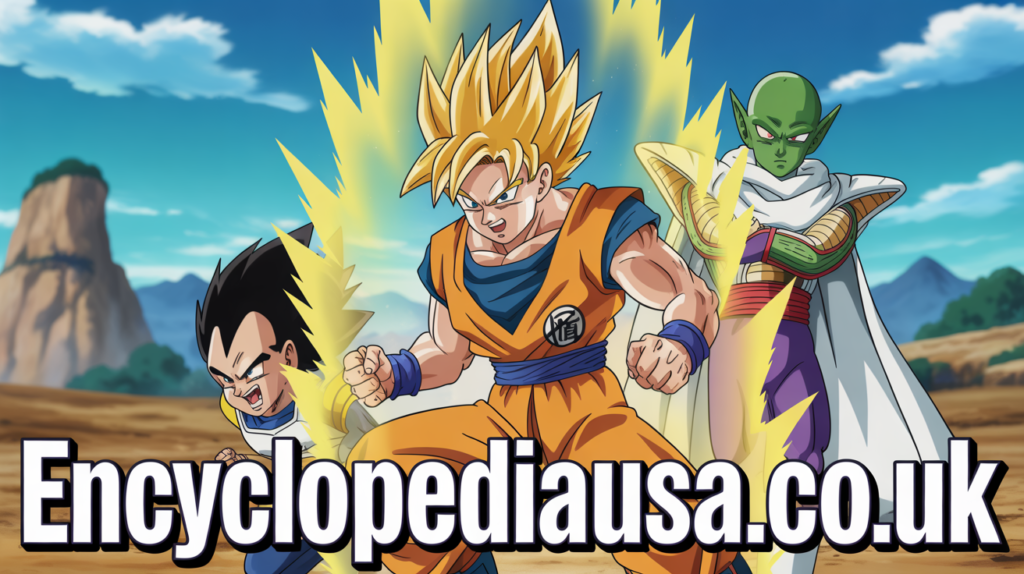
You can’t talk about Dragon Ball characters without starting with Goku. He’s the face of the franchise, and for good reason. Goku represents something we all admire: pure-hearted determination. He doesn’t fight for glory or revenge. He fights because he loves the challenge and wants to protect those he cares about.
What makes Goku special isn’t just his power. It’s his attitude. He sees potential in everyone, even his enemies. Remember how many villains became allies because Goku gave them a second chance? Piccolo, Vegeta, Android 17, even Frieza temporarily. That’s not naivety. That’s someone who genuinely believes people can change.
His transformations became iconic cultural moments. When Goku first turned Super Saiyan against Frieza, it wasn’t just a power-up. It was the culmination of loss, rage, and the burden of being the last hope. Fans still get chills thinking about that golden glow and electric aura. Since then, we’ve seen Ultra Instinct, Super Saiyan God, and more forms that pushed the boundaries of what seemed possible.
But here’s what I appreciate about Goku. Despite becoming godlike in power, he remains humble. He acknowledges his limits and constantly seeks improvement. He’s not perfect. He’s made mistakes, been too trusting, and sometimes prioritizes fighting over common sense. That humanity makes him relatable even when he’s battling gods.
Goku’s influence extends beyond Dragon Ball. He’s become a symbol in anime culture representing the underdog who never gives up. Countless characters in other series are inspired by him. That’s the mark of a truly legendary character.
Vegeta: Pride and Redemption
If Goku is the hero everyone loves, Vegeta is the complex rival everyone respects. Among Dragon Ball characters, Vegeta’s journey from ruthless villain to protective family man is arguably the most compelling character arc in the series. When he first arrived on Earth, he was arrogant, merciless, and obsessed with Saiyan superiority.
His pride defined him. It was both his greatest strength and his fatal flaw. Vegeta constantly pushed himself because he refused to accept being second to anyone, especially Goku. That rivalry drove him to achieve transformations and power levels he might never have reached otherwise. But it also held him back emotionally for years.
Watching Vegeta slowly open up has been satisfying. His relationship with Bulma humanized him in ways battles never could. Seeing him care about his children, especially his admission of love before sacrificing himself against Majin Buu, showed depth fans didn’t expect from the cold prince. He learned that strength isn’t just about power levels.
What’s interesting is that Vegeta never fully abandons his pride. He integrates it differently. Instead of isolating him, it becomes fuel for protecting what matters. He trains relentlessly not just to surpass Goku anymore, but to protect his family and planet. That evolution feels natural and earned.
Modern Dragon Ball has given Vegeta his own unique path. While Goku masters Ultra Instinct, Vegeta develops Ultra Ego, a form that suits his aggressive fighting style perfectly. The series finally acknowledges that Vegeta doesn’t need to be Goku’s shadow. He can be equally powerful in his own right.
Piccolo: The Mentor and Guardian
Piccolo’s transformation might be the most dramatic among Dragon Ball characters. He started as a demon king’s reincarnation bent on world domination. He ended up becoming one of the most beloved mentors and protectors in the series. That’s quite a journey, and it happened because of one person: Gohan.
Training Gohan changed Piccolo fundamentally. It taught him compassion, patience, and what it means to care for someone beyond yourself. The bond between Piccolo and Gohan remains one of the most touching relationships in Dragon Ball. Piccolo became more of a father figure to Gohan than Goku in some ways, always there when it mattered most.
His strategic mind sets him apart too. While Saiyans often rely on raw power and transformations, Piccolo thinks tactically. He analyzes opponents, identifies weaknesses, and adapts his approach. That intelligence makes him valuable even when power-scaling leaves him behind the Saiyans. Brains matter just as much as brawn.
Piccolo represents something important: you’re not defined by your origins. He was literally created to be evil, born from hatred and revenge. Yet he chose a different path. He decided who he wanted to be rather than accepting what he was meant to be. That’s a powerful message that resonates beyond the show.
Recent Dragon Ball content has given Piccolo renewed relevance. His Orange Piccolo transformation in the Super Hero movie put him back in the spotlight, showing that non-Saiyans can still achieve incredible power. It’s about time the Namekian warrior got some recognition for everything he’s contributed.
Gohan: Untapped Potential
Gohan represents something unique among Dragon Ball characters. He’s the one who never really wanted to fight. Unlike his father, Gohan didn’t crave battle. He wanted to study, have a normal life, and maybe become a scholar. Yet destiny kept pulling him back into conflict.
His potential was established early. Even as a child, Gohan displayed power that shocked everyone. His emotional transformations, triggered by seeing loved ones hurt, unleashed strength that surpassed seasoned warriors. The Cell Games showcased this perfectly. When Gohan achieved Super Saiyan 2 and defeated Cell, he wasn’t just strong. He was dominant in a way we’d never seen.
But here’s where Gohan gets interesting and sometimes frustrating for fans. He doesn’t maintain that edge. He grows up, focuses on education and family, and lets his training slip. Some fans love this realistic approach. Others wish he’d stayed the warrior who defeated Cell. I think both perspectives are valid.
What Gohan shows us is that being the strongest isn’t everything. He prioritized different things: being a good father, pursuing knowledge, living peacefully. There’s nothing wrong with that. He fights when necessary but doesn’t define himself by combat like Goku or Vegeta. That makes him relatable to people who have responsibilities beyond personal ambitions.
His Beast form in recent content suggests Gohan’s story isn’t finished. When pushed to his absolute limit protecting his daughter, he accessed power that rivaled or exceeded Goku and Vegeta. It proves that his potential was never gone. It was just redirected toward what mattered most to him.
The Villains Who Defined Dragon Ball
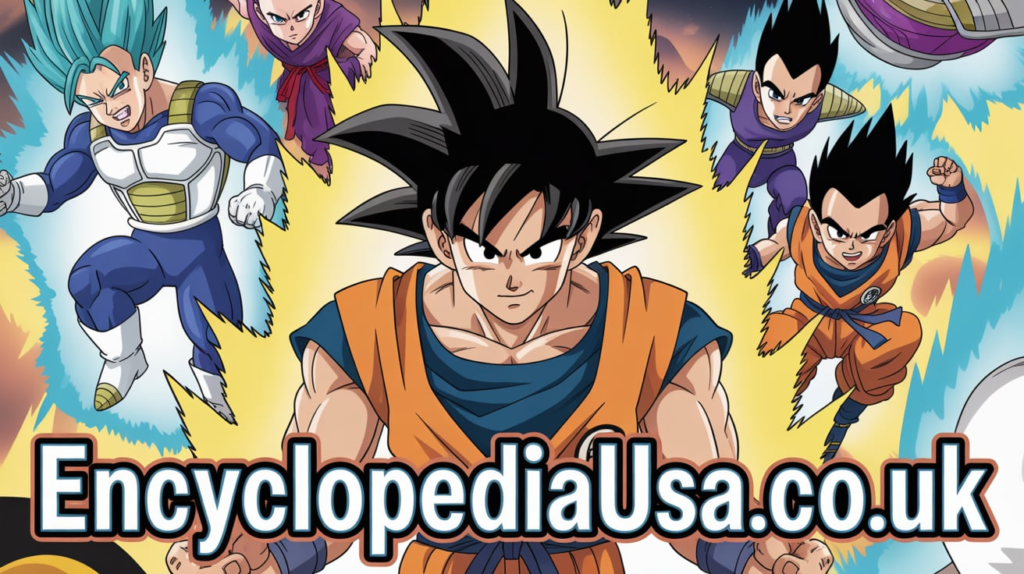
Dragon Ball characters wouldn’t shine as brightly without incredible villains to challenge them. Each major antagonist brought something different to the table and forced our heroes to evolve. These weren’t just evil for evil’s sake. They had motivations, personalities, and some even had sympathetic qualities.
Frieza remains the most iconic Dragon Ball villain. His cold, calculating cruelty combined with overwhelming power made him terrifying. He destroyed Planet Vegeta, wiped out the Saiyan race, and showed no remorse. When Goku finally defeated him as a Super Saiyan, it felt like justice delivered. His multiple returns show how impactful his character was.
Cell brought something different: intelligence. He was a bio-android created from the cells of the strongest fighters. He could adapt, learn techniques instantly, and strategize. His Perfect form exuded confidence bordering on arrogance. The Cell Games saga pushed Gohan to unlock his true potential and gave us one of anime’s most satisfying victories.
Majin Buu was chaos personified. Unlike Frieza’s calculated evil or Cell’s superiority complex, Buu was destruction without reason. His childlike innocence made him unpredictable and somehow more terrifying. Watching the heroes struggle against something that didn’t follow normal villain logic created unique tension.
Later villains like Beerus and Jiren brought new dimensions. Beerus wasn’t evil, just bored and dangerous. Jiren represented pure strength backed by tragic motivation. These antagonists showed that Dragon Ball could create compelling conflicts without traditional villainy. Sometimes the challenge itself, or competing philosophies, drive the story forward just as effectively.
Female Characters Breaking Boundaries
Let’s be honest. Dragon Ball historically struggled with female character representation. Early on, women were often relegated to support roles or comedic relief. But things have improved, and some female Dragon Ball characters have made significant impacts despite the series’ focus on male warriors.
Bulma deserves recognition as the series’ most important non-fighter. She’s been there since the beginning, and her intelligence, inventiveness, and resources have saved the day countless times. Without Bulma’s Dragon Radar, the entire premise wouldn’t work. Without her capsule technology and connections, many adventures wouldn’t have happened. She proves you don’t need to throw punches to be essential.
Android 18 broke the mold by being both feminine and incredibly powerful. She’s confident, strong-willed, and doesn’t lose her edge after settling down with Krillin. Watching her compete in the Tournament of Power showed she can still hold her own against universe-level threats. Her character demonstrates that getting married and having a family doesn’t mean sacrificing your identity or strength.
Videl started as a regular human who learned to fly and fight through sheer determination. While she eventually stepped back from combat, her early courage fighting crime and training under Gohan showed admirable spirit. She represents normal people inspired by the heroes around them to become better.
Kefla and Caulifla from Universe 6 introduced female Super Saiyans who love fighting just as much as Goku. They’re confident, powerful, and unapologetic about their strength. Their introduction addressed long-standing fan requests for female Saiyans who could match the boys transformation for transformation.
Supporting Characters Who Steal Scenes
Dragon Ball’s universe is populated with dozens of supporting characters who add flavor, humor, and heart to the story. These Dragon Ball characters might not carry entire sagas, but they make the world feel lived-in and real.
Krillin deserves respect. He’s often the butt of jokes for being the “weakest” among the main cast, but think about this: he’s the strongest pure human on Earth. He’s died multiple times protecting others and always comes back ready to help. His friendship with Goku spans the entire series. That loyalty and courage despite knowing he’s outmatched shows true heroism.
Master Roshi, the perverted old turtle hermit, taught Goku and Krillin the foundations that made everything else possible. His Kamehameha wave became the series’ most iconic technique. Beyond the inappropriate jokes, Roshi represents tradition and the importance of fundamentals. His surprising performance in the Tournament of Power reminded everyone why he’s called a master.
Tien Shinhan embodies discipline and honor. He trained relentlessly despite knowing he’d never match Saiyan power levels. His techniques like the Solar Flare and Tri-Beam have saved allies countless times. Tien shows that dedication matters even when genetics don’t favor you.
Beerus and Whis brought divine comedy to Dragon Ball. Their introduction shifted the entire power scale and opened up multiverse possibilities. Whis, particularly, serves as a mentor figure who’s simultaneously laid-back and incredibly powerful. Their dynamic adds levity even in serious arcs.
Transformations That Changed Everything
Transformations are integral to Dragon Ball’s identity. These power-ups aren’t just cosmetic changes. They represent growth, breaking limits, and achieving what seemed impossible. Among Dragon Ball characters, the most memorable moments often involve someone unlocking a new form at a critical moment.
The original Super Saiyan transformation set the standard. Golden hair, green eyes, crackling aura. It was simple but iconic. Toriyama chose gold specifically to save time coloring Goku’s black hair in the manga. That practical decision became one of anime’s most recognizable designs. Every subsequent transformation tried to capture that same magic.
Super Saiyan 2 refined the concept with sharper hair and electricity. Super Saiyan 3 went wild with long hair and no eyebrows. Super Saiyan God brought divine ki and a lean, controlled appearance with red hair. Super Saiyan Blue combined god ki with Super Saiyan. Each iteration attempted something visually distinct while building on the foundation.
Ultra Instinct marked a philosophical shift. Instead of raw power through emotion, it required complete mental clarity and letting your body react without thought. The silver hair and eyes, calm demeanor, and ethereal aura made it feel genuinely different from Saiyan transformations. It represented mastery rather than raw strength.
Fusion techniques like Potara earrings and the Fusion Dance created combined warriors like Vegito and Gogeta. These characters showcase what happens when already powerful Dragon Ball characters merge, multiplying their strength exponentially. The designs cleverly blend features from both warriors, and their cocky personalities reflect the confidence that comes with overwhelming power.
Why Dragon Ball Characters Resonate Globally
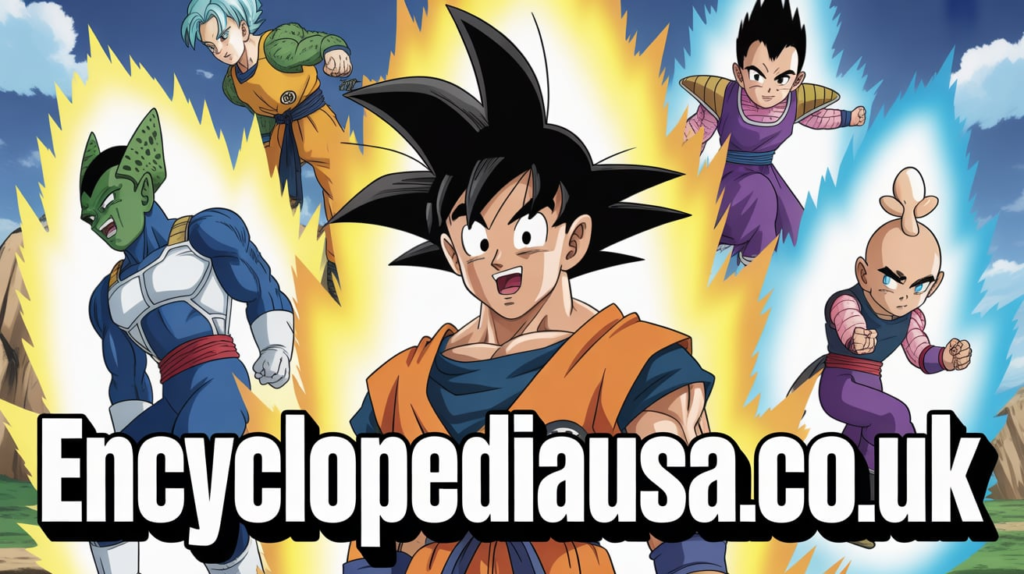
Dragon Ball’s success isn’t limited to Japan. It’s a worldwide phenomenon with fans across every continent. But why do these Dragon Ball characters connect with so many people from such different cultures?
The themes are universal. Hard work paying off, protecting loved ones, overcoming impossible odds, finding redemption. These resonate regardless of where you live. You don’t need to understand Japanese culture specifically to appreciate Goku’s determination or Vegeta’s pride. These are human experiences translated through fantastical storytelling.
The action transcends language barriers. You can watch a Dragon Ball fight without subtitles and still understand what’s happening and feel the impact. The kinetic energy, dramatic compositions, and iconic techniques communicate visually. That accessibility helped Dragon Ball spread during the early days of anime’s global expansion.
Character designs are instantly recognizable. Even people who’ve never watched the show can identify Goku or Vegeta from their silhouettes alone. That strong visual identity makes the characters memorable and perfect for merchandise, cosplay, and fan art. They’ve become cultural touchstones beyond the anime community.
The series’ optimism appeals broadly. Despite intense violence and high stakes, Dragon Ball maintains a hopeful tone. Death isn’t permanent when you have Dragon Balls. Enemies become friends. Good generally triumphs. In our complicated world, that straightforward positivity provides comfort and escape.
The Legacy and Future of Dragon Ball Characters
Dragon Ball continues decades after its debut, and these characters show no signs of fading from relevance. New series, movies, and games keep introducing them to fresh audiences while satisfying longtime fans with new content.
Dragon Ball Super expanded the universe dramatically. Multiple universes, gods of destruction, angels, and the Tournament of Power introduced dozens of new characters while giving existing ones new challenges. This expansion proved the formula still works when you raise the stakes and explore new territory.
The franchise influences continues. You see Dragon Ball’s fingerprints all over modern shonen anime. The training arcs, tournament structures, rival dynamics, and transformation power-ups that define series like Naruto, Bleach, and My Hero Academia all trace back to what Dragon Ball established. These characters set templates that creators still reference and build upon.
Video games keep the characters alive for interactive experiences. From fighting games to RPGs, Dragon Ball games let fans experience being these powerful warriors. The “Xenoverse” and “FighterZ” series particularly have found success by combining fan service with solid gameplay. Playing as your favorite Dragon Ball characters creates personal connections beyond watching them on screen.
What’s next? Dragon Ball Daima recently introduced a new storyline. The franchise consistently finds ways to reinvent itself while staying true to core elements. As long as there are new stories to tell and fans hungry for more adventures with these characters, Dragon Ball will endure.
Conclusion
Dragon Ball characters have earned their place in pop culture history. From Goku’s pure-hearted heroism to Vegeta’s prideful evolution, from Piccolo’s redemption to the villains who challenged them all. These aren’t just cartoon characters. They’re icons who’ve inspired millions across generations.
What makes them special isn’t just their incredible power or flashy transformations. It’s their humanity despite the superhuman abilities. They struggle, grow, fail, and try again. They value friendship, protect the innocent, and believe in second chances. These qualities make them more than entertainment. They become aspirational figures who remind us what we can achieve with determination.
Whether you grew up watching Dragon Ball Z after school, discovered it through Dragon Ball Super, or just appreciate its cultural impact, these characters have likely touched your life somehow. They’ve shown us that limits exist to be broken, that rivals can become friends, and that protecting what you love is worth any sacrifice.
So what’s your favorite Dragon Ball character and why? Is it the main heroes who never give up, the complex villains who challenged them, or maybe one of those supporting characters who quietly steals every scene they’re in?
FAQs
Who is the strongest Dragon Ball character? Currently, Goku and Vegeta with their Ultra Instinct and Ultra Ego forms are among the strongest mortals. However, Whis, Beerus, and other Angels and Gods of Destruction likely surpass them. Zeno, the Omni-King, remains the most powerful being in the multiverse with reality-erasing abilities.
Why did Gohan stop training? Gohan prioritized education and family over constant training. Unlike Goku, he never loved fighting for its own sake. After defeating Cell, he wanted a peaceful life as a scholar. He only fights when necessary to protect his loved ones, particularly his daughter Pan.
What makes Vegeta different from Goku? Vegeta’s pride and tactical approach contrast with Goku’s carefree nature and love of fighting. Vegeta fights to prove himself and protect his family, while Goku seeks strong opponents and personal growth. Their different motivations and methods create their dynamic rivalry.
Are there female Super Saiyans? Yes. Caulifla and Kale from Universe 6 are female Saiyans who achieved Super Saiyan transformations. Their fusion, Kefla, proved extremely powerful. Pan has Saiyan heritage but hasn’t transformed yet in the main timeline.
Why is Piccolo green? Piccolo is a Namekian, an alien race from Planet Namek. All Namekians have green skin, antennae, and pointed ears. They’re a peaceful species despite Piccolo initially being created for evil purposes by King Piccolo.
How many times has Krillin died? Krillin has died three times in the main timeline. First killed by Tambourine, then by Frieza on Namek, and finally turned to stone then shattered by Super Buu. He’s been resurrected each time by Dragon Balls, showing both his bravery and the series’ flexible approach to death.
What’s the difference between Super Saiyan and Super Saiyan God? Super Saiyan multiplies base power through emotion and training. Super Saiyan God uses divine ki obtained through ritual or training with deities. God forms are more energy-efficient and allow sensing divine beings. Super Saiyan Blue combines both transformations.
Why do some characters stop being relevant? Dragon Ball constantly power scales upward, leaving earlier characters behind. Writers focus on Saiyans because their potential for growth suits escalating threats. Non-Saiyan characters often become support roles unless given special power-ups like Piccolo’s Orange form.
Is Dragon Ball still making new content? Yes. Dragon Ball Super concluded in 2018 but its manga continues. Dragon Ball Super: Super Hero released in 2022. Dragon Ball Daima began in 2024. The franchise remains active with movies, games, and potential new series in development.
Why do people love Dragon Ball characters so much? They combine relatable struggles with extraordinary abilities. Themes of perseverance, friendship, and protecting loved ones resonate universally. The characters grow alongside fans, creating emotional investment. Their iconic designs and memorable moments have influenced generations of anime and pop culture worldwide.
Also Read : Graduation Party Ideas