
How to Start a Small Business in the USA: The Proven, Step-by-Step Guide in 2026
Introduction
Starting a small business in the USA is one of the most exciting decisions you can make. It is also one of the most life-changing. Every year, millions of people just like you take that bold step. According to the U.S. Small Business Administration (SBA), small businesses make up 99.9% of all U.S. businesses and employ nearly 46% of the private workforce. That means opportunity is everywhere.
But here is the truth no one tells you: most new business owners do not fail because their idea is bad. They fail because they skip the fundamentals. If you want to start a small business in the USA and actually make it work, you need a clear, practical plan from day one.
This guide walks you through every major step. From finding your idea to registering your business, from writing a business plan to landing your first customer, you will find everything you need right here. Let us get started.

Why the USA Is One of the Best Places to Start a Small Business
Before we dive into the how, let us talk about the why. The United States offers an unmatched environment for small business owners. You get access to a massive consumer market, a flexible legal framework, and dozens of federal and state programs designed to help entrepreneurs succeed.
Here are a few reasons the USA stands out:
- Access to funding: The SBA offers loans, grants, and investment programs specifically for small business owners.
- Strong legal protections: Business structures like LLCs protect your personal assets.
- Diverse markets: Whether you target local customers or a global audience, the USA gives you reach.
- Startup culture: The country has a deep-rooted culture that celebrates risk-taking and innovation.
When you decide to start a small business in the USA, you are stepping into a system built to support you. You just need to know how to use it.
Step 1: Find and Validate Your Business Idea
Every successful small business starts with a clear, validated idea. The worst thing you can do is rush past this step. A lot of people fall in love with an idea without checking if anyone will actually pay for it.
How to Find Your Business Idea
Ask yourself these questions:
- What problems do I see in my community or industry?
- What skills or knowledge do I have that others would pay for?
- What products or services are people already searching for?
You do not need to reinvent the wheel. Some of the most profitable small businesses are built on improving something that already exists, not creating something brand new.
How to Validate Your Idea Before You Invest
Validation means confirming that real people want what you are selling before you spend money on it. Here is how you do it:
- Talk to at least 20 potential customers and ask about their problems.
- Run a simple survey using free tools like Google Forms.
- Create a basic landing page and see if people sign up or click.
- Offer a pre-sale or a free pilot service to gauge interest.
If people are not excited before you launch, they probably will not be excited after. Take the feedback seriously and adjust your idea accordingly.
Step 2: Write a Solid Business Plan
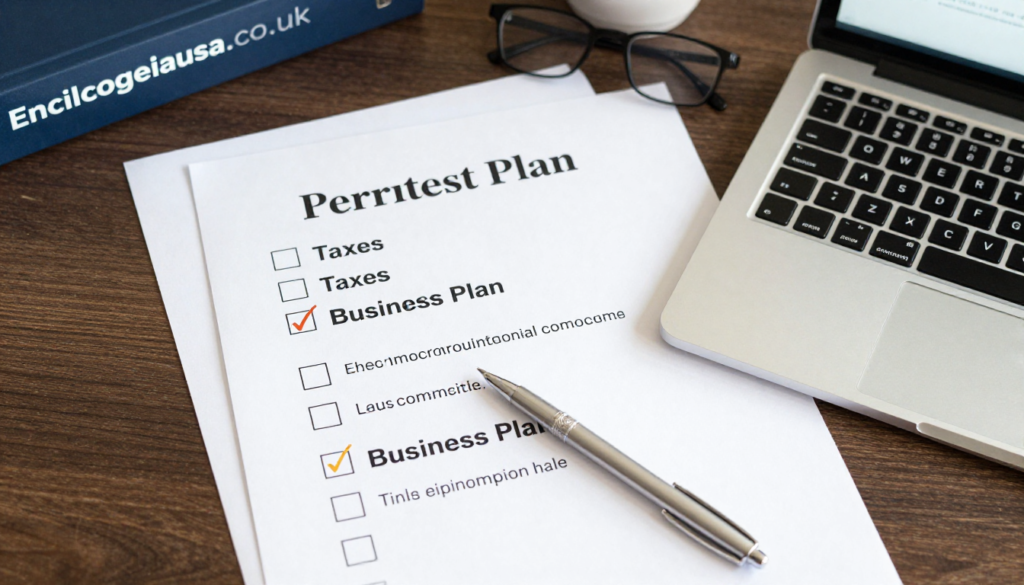
A business plan is not just a document for banks or investors. It is your roadmap. Writing one forces you to think through every part of your business before problems arise. Every person who wants to successfully start a small business in the USA should complete this step.
What to Include in Your Business Plan
Your business plan should cover six key areas:
- Executive Summary: A brief overview of your business, its goals, and how you plan to achieve them.
- Business Description: What your business does, who it serves, and what makes it different.
- Market Analysis: Data on your target audience, competition, and industry trends.
- Products and Services: A clear description of what you are selling and your pricing strategy.
- Marketing and Sales Plan: How you will attract and keep customers.
- Financial Projections: Expected revenue, expenses, and profit for at least the first year.
The SBA offers free business plan templates at sba.gov. You can also work with a SCORE mentor, a free program where experienced business owners guide new entrepreneurs.
Keep It Simple
Your business plan does not have to be 50 pages long. A tight, clear, 10-page plan is far more useful than a bloated document no one reads. The goal is clarity, not length.
Step 3: Choose the Right Business Structure
Your business structure affects everything. It shapes how you pay taxes, how much paperwork you file, and whether your personal savings are protected if something goes wrong. This is one of the most important legal decisions you will make when you start a small business in the USA.
Common Business Structures in the USA
| Structure | Best For | Liability Protection | Tax Treatment |
|---|---|---|---|
| Sole Proprietorship | Solo freelancers, simple services | None | Personal income tax |
| LLC | Most small businesses | Yes | Pass-through or corporate |
| S-Corporation | Growing businesses with employees | Yes | Pass-through |
| C-Corporation | Businesses seeking investors | Yes | Corporate tax rate |
For most people starting out, an LLC (Limited Liability Company) is the best choice. It protects your personal assets, is easy to set up, and gives you tax flexibility.
I personally recommend consulting a business attorney or a CPA before making this decision. It is worth a few hundred dollars upfront to avoid costly mistakes later.
Step 4: Register Your Business
Once you choose your structure, it is time to make your business official. Here is how to register a small business in the USA.
Get Your Business Name Right
Your business name should be memorable, easy to spell, and available. Before you fall in love with a name, check these three things:
- Search the U.S. Patent and Trademark Office (USPTO) database for trademark conflicts.
- Check your state’s business registry for name availability.
- Search for matching domain names to secure your website address.
Register Your Business With the State
Every U.S. state has an online portal where you can register your business. The process typically takes less than one hour and costs between $50 and $500 depending on your state and structure.
Get Your EIN (Employer Identification Number)
Your EIN is like a Social Security number for your business. You need it to open a business bank account, hire employees, and file taxes. You can get your EIN for free at irs.gov in about 15 minutes.
Register for State and Local Taxes
Depending on your industry and location, you may need to register for:
- Sales tax permit
- Business privilege tax
- Professional or industry-specific licenses
Check your state’s official government website for a complete list of requirements.
Step 5: Open a Business Bank Account and Set Up Your Finances
Mixing personal and business finances is one of the most common mistakes new entrepreneurs make. It creates confusion at tax time and can even put your LLC protection at risk. As soon as you start a small business in the USA, open a dedicated business bank account.
What You Need to Open a Business Bank Account
- Your EIN
- Business formation documents (LLC operating agreement or articles of incorporation)
- Government-issued ID
Set Up Basic Accounting From Day One
You do not need to be a numbers person to keep clean books. Use simple accounting software like QuickBooks, Wave (free), or FreshBooks. Track every dollar coming in and every dollar going out from the very beginning.
Consider hiring a bookkeeper for just a few hours a month if numbers are not your strength. It saves time, reduces errors, and makes tax season far less stressful.
Step 6: Fund Your Small Business
One of the biggest questions people ask when they want to start a small business in the USA is: where does the money come from? The good news is that you have more options than ever before.
Funding Options for Small Businesses in the USA
Bootstrapping: Using your own savings is the most common way to start. It keeps you in full control but requires discipline.
SBA Loans: The SBA offers several loan programs including the popular SBA 7(a) loan, which can provide up to $5 million. These loans have competitive interest rates and flexible repayment terms.
Microloans: If you need less than $50,000, microloan programs through the SBA or nonprofit lenders are a great option, especially for underserved entrepreneurs.
Crowdfunding: Platforms like Kickstarter and Indiegogo let you raise money directly from supporters, often before your product even exists.
Business Credit Cards: A good business credit card helps manage cash flow and build your business credit score.
Angel Investors and Venture Capital: If your business has high growth potential, outside investors may be interested in funding your growth in exchange for equity.
Start with the funding you need to launch and grow, not the funding that sounds impressive. Many great small businesses start with under $10,000.
Step 7: Build Your Brand and Online Presence
In today’s market, if you are not online, you barely exist. When you start a small business in the USA, building a strong digital presence is not optional. It is essential.
Create a Professional Website
Your website is your digital storefront. It should be clean, fast, and easy to navigate. Use platforms like Squarespace, WordPress, or Wix to get started without technical skills. Make sure your site includes:
- A clear description of what you offer
- Contact information
- Customer reviews or testimonials
- A call to action on every page
Claim Your Google Business Profile
A free Google Business Profile puts your business on Google Maps and local search results. This is one of the highest-value free tools available to small business owners in the USA. Set it up at business.google.com and keep it updated.
Choose the Right Social Media Platforms
You do not need to be on every platform. Pick one or two where your target customers spend their time and show up consistently. For most local businesses, Facebook and Instagram are strong starting points. For B2B businesses, LinkedIn is essential.
Step 8: Create a Marketing Plan That Actually Works
Building your business is one thing. Getting customers to find it is another. Your marketing plan is how you bridge that gap. Here is how to approach marketing when you start a small business in the USA.
Local Marketing Strategies
- List your business in local directories (Yelp, Angi, Thumbtack).
- Partner with other local businesses for referral agreements.
- Attend local networking events and chamber of commerce meetings.
- Distribute flyers or postcards in your target neighborhood.
Digital Marketing Strategies
- Search Engine Optimization (SEO): Optimize your website so it shows up when people search for your services on Google.
- Email Marketing: Build an email list from day one. Email delivers the highest ROI of any digital marketing channel.
- Content Marketing: Write helpful blog posts, create short videos, or start a podcast to attract your target audience organically.
- Paid Ads: Google Ads and Facebook Ads let you reach highly targeted audiences quickly.
Start with one or two channels and master them before expanding. Spreading yourself too thin leads to mediocre results everywhere.
Step 9: Hire Smart and Build Your Team
Not every small business needs employees right away. But as you grow, you will eventually need help. Knowing how to hire legally and strategically is critical when you start a small business in the USA.
Understand Your Hiring Obligations
Before you hire your first employee, make sure you:
- Register for state unemployment insurance.
- Set up payroll tax withholding.
- Verify employee eligibility using Form I-9.
- Display required federal and state labor law posters in your workplace.
Consider Contractors Before Full-Time Employees
Hiring independent contractors gives you flexibility and lower overhead. Just make sure you classify workers correctly. The IRS has strict rules about who counts as a contractor versus an employee, and misclassification can result in heavy penalties.
Build a Culture From Day One
Even if it is just you and one other person, culture matters. How you treat people, how you communicate, and how you make decisions sets the tone for everything that follows.
Step 10: Stay Compliant and Plan for Growth
Launching your business is the beginning, not the end. Staying legally compliant and thinking ahead keeps your business healthy for the long term.
Annual Requirements for Small Businesses
- File annual reports with your state (required for LLCs and corporations in most states).
- Pay quarterly estimated taxes to the IRS.
- Renew business licenses and permits as required.
- Keep your registered agent information current.
Plan Your Growth Strategy
Once your business is stable, start thinking about the next stage. Some ways to grow a small business in the USA include:
- Expanding your product or service line
- Opening a second location
- Building an e-commerce channel
- Franchising your model
- Pursuing government contracts through SAM.gov
Common Mistakes to Avoid When You Start a Small Business in the USA
Here are the mistakes that trip up most new entrepreneurs:
- Skipping market research. Do not assume people want what you are selling. Prove it first.
- Underpricing your products or services. Price for profit, not just for sales.
- Neglecting your finances. Poor cash flow kills more businesses than bad ideas.
- Trying to do everything alone. Build a support network of mentors, advisors, and peers.
- Ignoring legal requirements. Licenses, permits, and tax obligations are not optional.
- Giving up too soon. Most businesses take 12 to 24 months to find real traction. Stay consistent.
Conclusion
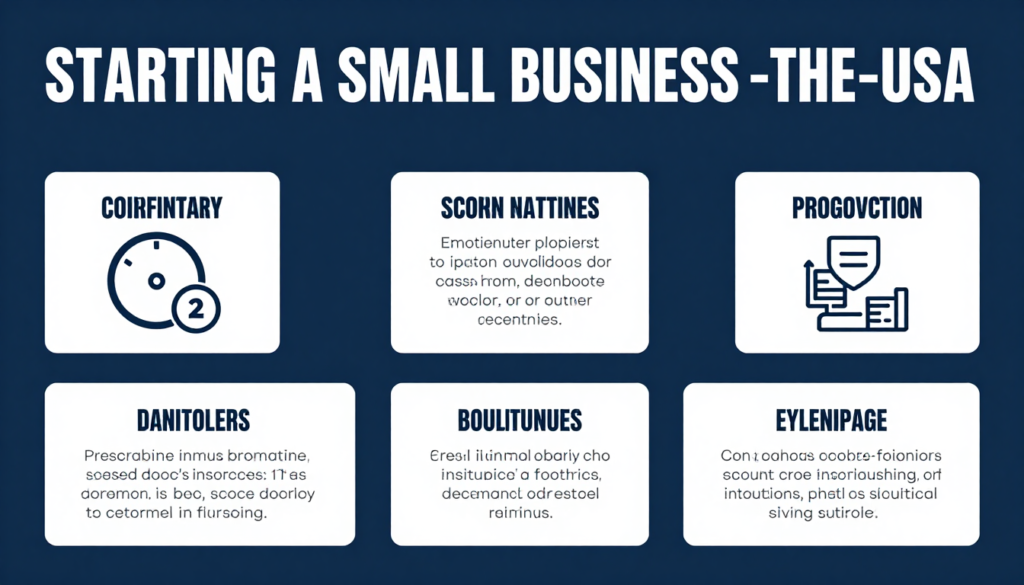
Learning how to start a small business in the USA is not about finding one magic secret. It is about doing the right things in the right order. You now have a complete framework: validate your idea, write your plan, choose your structure, register your business, set up your finances, fund it wisely, build your brand, market consistently, hire carefully, and stay compliant.
The path is not always easy. But it is absolutely worth it. Millions of small business owners across the country are living proof of that. You can be next.
What stage are you at right now? Are you still brainstorming your idea or are you ready to file your first business registration? Drop your thoughts in the comments and let us know how we can help.
Frequently Asked Questions (FAQs)
1. How much does it cost to start a small business in the USA? The cost varies widely. Some service-based businesses launch for under $1,000. Others require $10,000 to $50,000 or more. The average cost to start a small business in the USA is around $3,000 to $5,000 for a home-based business.
2. Do I need a business license to start a small business in the USA? In most cases, yes. Requirements vary by state, city, and industry. Check with your local government office or your state’s official business portal for specific requirements.
3. Can I start a small business in the USA if I am not a citizen? Yes. Non-citizens, including visa holders and permanent residents, can legally start a small business in the USA. Some restrictions apply based on visa type, so consult an immigration attorney if you are unsure.
4. How long does it take to start a small business in the USA? The registration process itself can take as little as one day in many states. However, building a profitable business takes months to years of consistent effort.
5. What is the easiest type of small business to start in the USA? Service-based businesses tend to be the easiest to launch because they require little upfront capital. Examples include consulting, cleaning, tutoring, social media management, and freelance writing.
6. Do I need a business plan to start a small business in the USA? You do not legally need one, but you absolutely should have one. A business plan keeps you focused, helps you secure funding, and forces you to think through potential challenges.
7. What taxes does a small business pay in the USA? Most small businesses pay federal income tax, self-employment tax, and possibly state income tax and sales tax. Your exact obligations depend on your business structure and location.
8. What is the SBA and how can it help me start a small business in the USA? The U.S. Small Business Administration is a federal agency that offers loans, grants, free mentoring through SCORE, and educational resources specifically designed to help people start and grow small businesses.
9. Can I run a small business from home in the USA? Yes, many small businesses operate from home. You may need a home occupation permit from your local government and should check your lease or HOA rules if applicable.
10. What are the most profitable small businesses in the USA? Some of the most profitable include financial consulting, real estate, IT services, home renovation, healthcare staffing, legal services, and digital marketing agencies.
Author Bio
Johan Harwen is a business strategist and entrepreneurship writer with over 10 years of experience helping small business owners launch and scale their companies. He has worked with startups, SBA-funded businesses, and independent entrepreneurs across the United States. James writes practical, no-fluff guides that turn complex business topics into clear, actionable steps. When he is not writing, he mentors first-time founders through his local SCORE chapter.
Also read encyclopediausa.co.uk
Email: johanharwen314@gmail.com
Author Name: Johan Harwen