
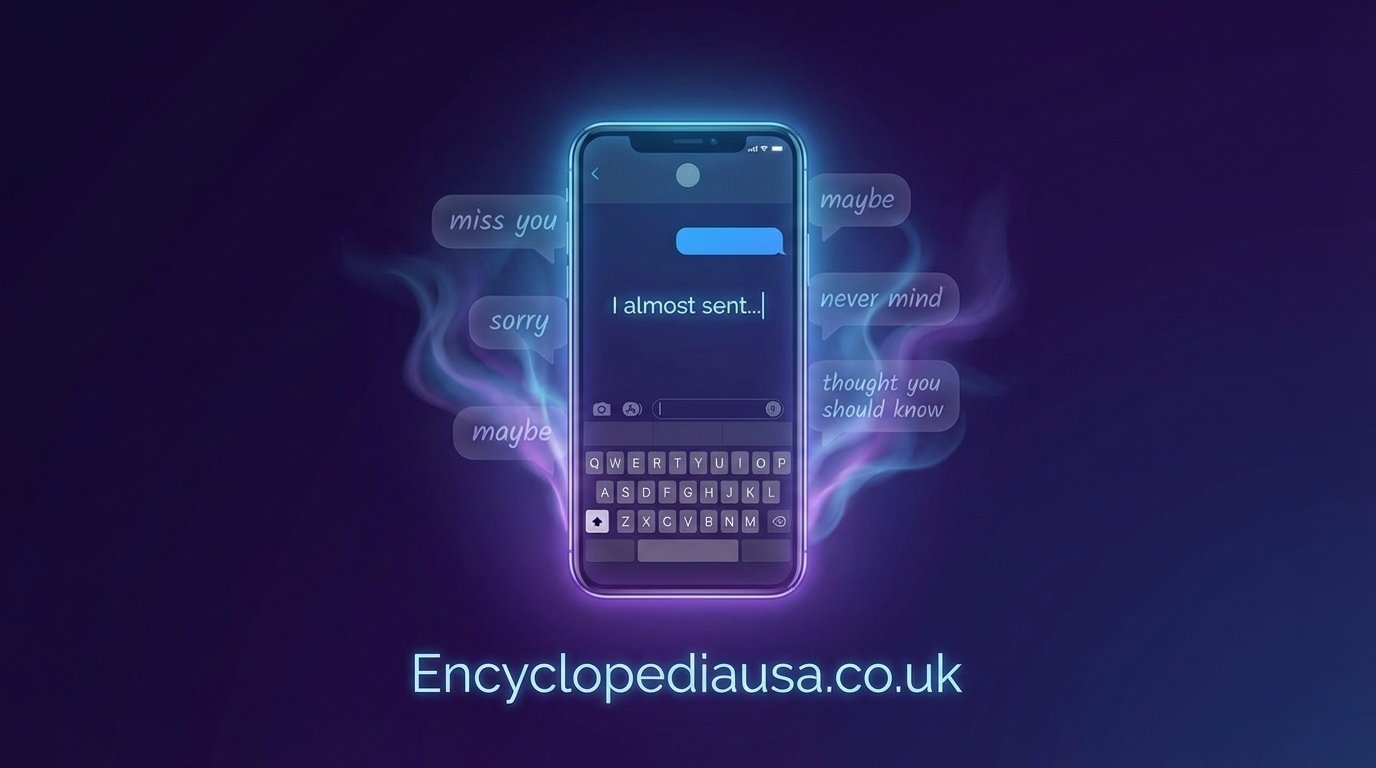
Unsent Message Project: Why Millions Share What They Never Said 2026
Table of Contents
ToggleIntroduction
Have you ever typed out a message to someone you loved, hated, or lost, and then never hit send? Maybe you poured your heart out at 2 AM, only to delete every word before sunrise. You’re not alone in this experience.
The Unsent Message Project has become one of the internet’s most emotionally raw and honest spaces. Created by artist Rora Blue, this digital art experiment invites you to submit unsent messages to first loves, lost friends, or people who left your life too soon. What makes it unique? Each message comes with a color that represents how you felt about that person.
Since its launch, millions have contributed to this growing archive of human emotion. In this article, you’ll discover what the Unsent Message Project is, why it resonates with so many people, and how sharing what you never said can actually help you heal.
What Is the Unsent Message Project?
The Unsent Message Project started as a simple idea that exploded into a cultural phenomenon. At its core, it’s a collection of millions of unsent text messages paired with colors that represent emotions tied to specific people.
Here’s how it works. You visit the website and submit a message you never sent to someone. You include their first name and choose a color that represents your feelings about them. That’s it. Your anonymous contribution joins millions of others in a searchable database.
The project doesn’t judge what you write. There are no character limits on emotions. You can search for any name and see what others have said to people with that name. The color coding adds another layer of meaning that words alone can’t capture.
Rora Blue created this project in 2015 as part of a personal healing journey. What began as a small art experiment grew into something much bigger. Today, the Unsent Message Project website receives thousands of submissions daily from people around the world.
The beauty lies in its simplicity. You don’t need an account. You don’t need to explain yourself. You just need something you never said and the courage to finally express it, even if the person never sees it.
The Psychology Behind Unsent Messages
Why do so many of us write messages we never send? The psychology is fascinating and deeply human.
Writing helps you process emotions. When you type out your feelings, you externalize what’s been trapped inside your head. This act alone can reduce anxiety and provide clarity. You don’t always need a response to benefit from expression.
Unsent messages serve as emotional rehearsals. You test out what you want to say without risking real consequences. This feels safer than actual confrontation or vulnerability. You maintain control over your narrative.
Research shows that expressive writing can improve mental health. A study from the University of Texas found that people who wrote about traumatic experiences showed improved immune function and reduced stress levels. The Unsent Message Project taps into this therapeutic power.
There’s also something about the permanence and impermanence at once. Your message exists in the digital universe, but the person it’s meant for will likely never read it. This paradox creates a unique space for honesty.
Many people use the platform to say goodbye. Others use it to confess love. Some apologize for things they did or didn’t do. The common thread is that these words needed to exist somewhere, even if not in a direct conversation.
Why Colors Matter in the Project
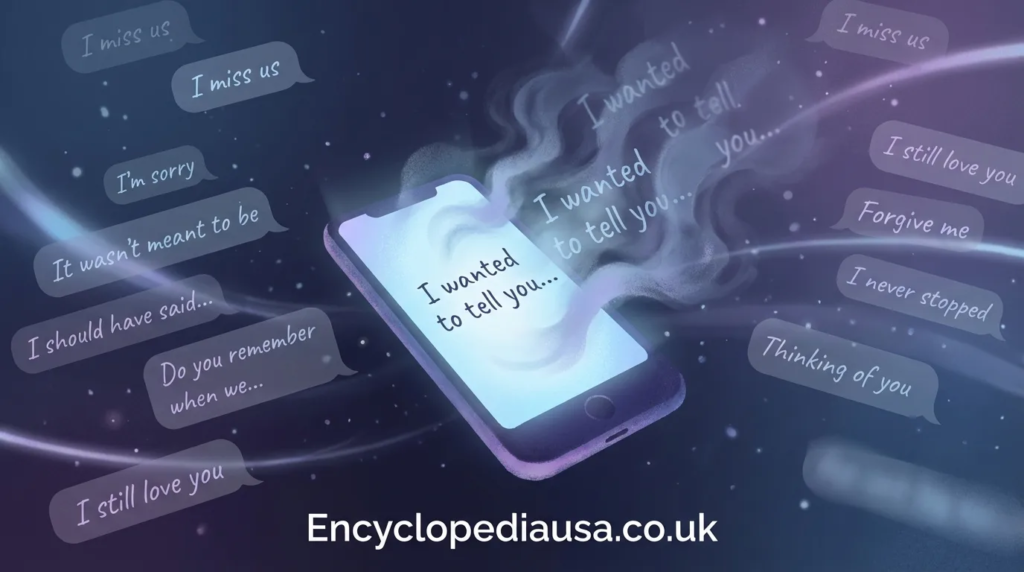
The color component of the Unsent Message Project isn’t just aesthetic. It’s deeply meaningful and adds emotional depth to each submission.
When you submit your message, you pick a color that represents how you feel about that person. Pink might mean first love. Black could represent pain or loss. Yellow might signal friendship or warmth. Blue could mean sadness or calm.
These color associations are both universal and personal. While certain colors carry common emotional meanings across cultures, your choice reflects your individual experience. What’s blue to you might be purple to someone else for the same feeling.
The color database creates stunning visual patterns. When you search a popular name like “Alex” or “Sarah,” you see a spectrum of human emotion displayed in a rainbow of submissions. Some names trend heavily toward certain colors, revealing collective emotional experiences.
Rora Blue intentionally left color interpretation open. The project doesn’t assign specific meanings to colors. This freedom lets you define your emotional experience rather than fitting into predetermined categories. Your red might be passion, anger, or warning. The choice is yours.
Colors also make the project accessible beyond language. Even if you can’t read the message, you can sense the emotional weight through color. This visual element transforms text submissions into genuine art.
Common Themes in Submitted Messages
After reviewing thousands of submissions, certain patterns emerge. The messages people don’t send fall into recognizable categories that reveal universal human experiences.
Love confessions dominate the database. People tell former flames what they were too scared to say. They admit feelings that might have changed everything if expressed. These messages often come in shades of pink, red, and orange.
Grief and loss messages are heartbreaking and common. People write to deceased loved ones, sharing updates on their lives or expressing unfinished business. These submissions frequently use black, white, or dark blue colors. They serve as digital memorials.
Apologies fill many pages. People say sorry for hurts caused, relationships damaged, and opportunities missed. These messages carry guilt and regret. They often appear in gray, brown, or muted tones.
Thank you messages surprise many first-time visitors. Not everything unsent is negative. People express gratitude to those who shaped them, even if that person doesn’t know their impact. These tend toward warm colors like yellow and gold.
Anger and closure statements let people release resentment. They tell off toxic exes, bad friends, or those who caused harm. These messages can be raw and uncensored. Red and black appear frequently here.
The diversity of human emotion lives in this database. Joy, regret, love, hate, hope, and despair all coexist in the same digital space.
How the Project Helps with Healing
The therapeutic value of the Unsent Message Project extends beyond simple venting. It creates actual pathways to emotional healing.
Validation through shared experience happens when you search a name and see others felt similarly. You realize you’re not alone in your pain, confusion, or love. This collective acknowledgment reduces isolation.
Closure without confrontation becomes possible. Not every relationship deserves or allows for direct communication. Abusive exes, deceased relatives, or people who’ve moved on don’t need to receive your message for you to benefit from writing it.
Emotional release occurs in the act of submission. You’ve carried these words for weeks, months, or years. Putting them into the world, even anonymously, lifts that weight. Many users report feeling lighter after contributing.
Permission to move on comes from acknowledging what you felt. By naming the person and the emotion, you honor the experience while also recognizing it’s in the past. The color you choose can represent where you are now, not just where you were.
Mental health professionals have noted the project’s potential benefits. While it’s not a replacement for therapy, it serves as a supplemental tool for emotional processing. The public yet anonymous nature creates a safe container for vulnerable expression.
The project also helps you practice emotional articulation. Finding words for complex feelings is difficult. This platform gives you space to try without judgment or immediate consequences.
Searching Names and Finding Connection
One of the most compelling features is the search function. You can type any first name and read messages others have sent to people with that name.
This creates unexpected moments of connection. You search your ex’s name out of curiosity and find someone else wrote exactly what you felt. Or you discover perspectives you hadn’t considered. Maybe they were hurting too.
Popular names have thousands of entries. “Sarah” might have messages in every color imaginable. “Michael” could reveal the full spectrum of human relationships. Less common names have fewer entries but often carry unique stories.
Some people search their own name. This can be surreal and emotional. You read messages written to other people who share your name and wonder if any could be meant for you. The anonymity makes it impossible to know.
The search function also reveals cultural and generational patterns. Names trending in different decades show different emotional landscapes. The project becomes an unintentional archive of how people love, lose, and regret across time.
Be warned that searching can be addictive. You start with one name and suddenly you’ve spent an hour reading strangers’ deepest feelings. There’s something magnetic about witnessing raw human emotion without filters.
The Ethical Considerations
Like any public platform dealing with emotions, the Unsent Message Project raises ethical questions worth considering.
Privacy concerns exist even with anonymity. While submissions don’t include identifying information, specific details in messages could reveal identities. Users should be mindful about what they include.
Emotional impact on readers isn’t controlled. Someone searching their name might encounter harsh or painful messages not meant for them but triggering nonetheless. The platform assumes users engage at their own emotional risk.
Permanent digital footprint means your submission exists forever. Unlike unsent messages in your phone that you can delete, these become part of a public archive. Consider whether you’re comfortable with that permanence.
Consent issues arise because you’re publicly sharing feelings about someone who hasn’t agreed to be discussed. While they’re unlikely to ever see it, the ethical question of discussing people without permission remains.
Potential for harm exists if someone uses the platform to harass or stalk by repeatedly posting about the same person. While Rora Blue moderates for explicit threats, the line between expression and obsession can blur.
Despite these concerns, most users find the benefits outweigh the risks. The project fills a genuine need for emotional expression in our often-silenced culture. Being aware of ethical considerations helps you engage responsibly.
The Artistic Vision Behind It
Rora Blue didn’t just create a confessional website. The Unsent Message Project is genuine art that explores themes of communication, emotion, and human connection.
The visual presentation matters. The simple interface and color coding transform personal pain into aesthetic experience. Each submission becomes a pixel in a larger portrait of human feeling.
As digital art, it challenges traditional boundaries. Is it sculpture made of text? A living painting that grows with each submission? Performance art where millions of anonymous people collaborate? It’s all of these and none of them.
The project also comments on modern communication. We live in an era of constant connectivity yet struggle to express what matters most. The irony of unsent messages in an age of instant messaging reveals our persistent fear of vulnerability.
Rora Blue has exhibited the project in galleries and museums. Seeing submissions displayed on walls or projected in installations gives them new weight. What exists casually online becomes profound in physical space.
The artistic success lies in making the invisible visible. Everyone has unsent messages. By creating a space to share them, Rora Blue reveals the emotional undercurrent running beneath everyday life. We’re all carrying unsaid words.
How to Submit Your Own Message
If you’re ready to contribute to the Unsent Message Project, the process is straightforward and takes just minutes.
Visit the official website. You’ll find a simple submission form on the homepage. No account creation or login required.
Type your unsent message in the text box. There’s no minimum or maximum length. Some people write novels. Others send single sentences. Both have equal value.
Enter the first name of the person your message is for. Only first names are accepted to maintain some privacy. Type it how you remember it.
Choose a color that represents your feelings about that person. A color wheel or palette typically appears. Take your time with this choice. The color matters as much as the words.
Click submit. Your message joins millions of others in the database. It’s anonymous and permanent.
Some tips for meaningful submissions: Be honest. Don’t edit for an imaginary audience. Write what you actually feel, not what sounds poetic. This is for you, not for likes or validation.
Consider your emotional readiness. Submitting can bring up strong feelings. Make sure you’re in a stable place to handle what might surface.
You can submit multiple messages to different people. Many users return over time as they process different relationships or stages of healing.
The Cultural Impact and Reach
The Unsent Message Project has transcended its original scope to become a cultural touchstone for millennials and Gen Z.
Social media has amplified its reach. Screenshots of particularly resonant messages go viral regularly. People share their submissions on Instagram, TikTok, and Twitter, turning private feelings into public conversation.
The project has inspired similar initiatives. Other artists have created regional or theme-specific versions. Music artists reference it in lyrics. Writers cite it as inspiration for novels and poetry.
Mental health advocates praise the platform for normalizing emotional expression. In cultures that stigmatize vulnerability, especially for men, the anonymous format provides necessary outlets.
Educational institutions have used the project in psychology and art classes. It serves as a teaching tool about digital art, emotional processing, and contemporary communication.
The global reach is significant. While the website is in English, submissions come from non-native speakers worldwide. The emotions transcend language barriers. Color becomes a universal dialect.
Media coverage has been extensive. Major publications have written features. Podcasts have dedicated episodes to exploring its impact. The project has become part of internet culture’s collective consciousness.
Conclusion
The Unsent Message Project proves that what we don’t say can be just as powerful as what we do. In a world that demands constant communication, having a space for messages that remain unsent feels revolutionary.
Whether you’re carrying words meant for a first love, a lost friend, or someone who hurt you, this project offers a place to finally express them. The combination of anonymous confession and color-coded emotion creates a unique therapeutic and artistic experience.
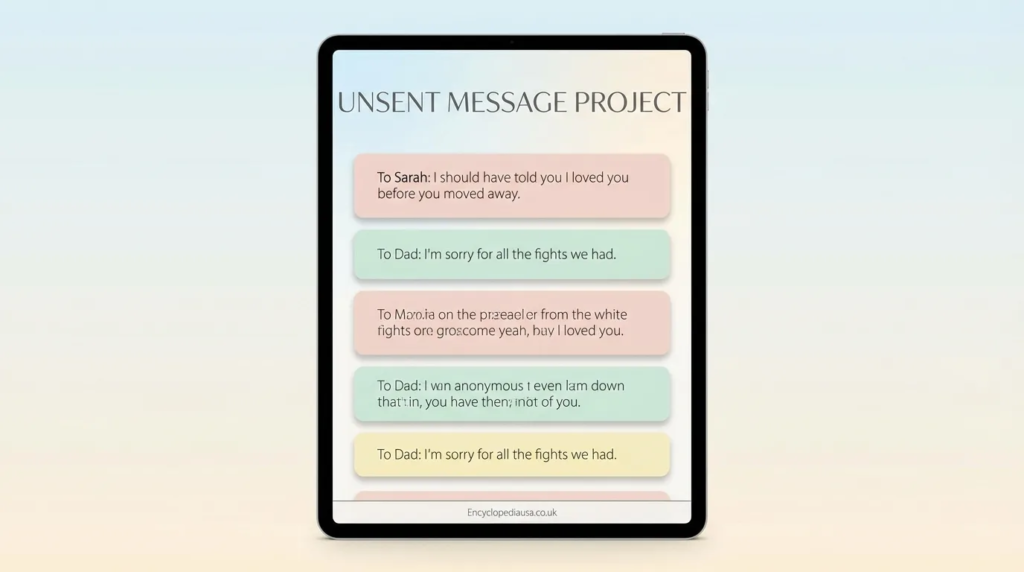
Millions have already contributed their unsent messages. Each submission adds to a growing tapestry of human feeling that’s raw, honest, and deeply moving. Maybe it’s time to share yours.
What message have you been carrying that deserves to exist somewhere, even if the person never reads it? The Unsent Message Project is waiting.
FAQs
What is the Unsent Message Project? The Unsent Message Project is a digital art collection where people anonymously submit messages they never sent to someone, paired with a color representing their emotions. Created by artist Rora Blue, it has become a space for emotional expression and healing.
Is the Unsent Message Project really anonymous? Yes, submissions are completely anonymous. You don’t create an account or provide identifying information. Only the message, the recipient’s first name, and your chosen color are submitted and displayed publicly.
Can the person I write about see my message? Probably not, unless they specifically search their name on the website. Messages are anonymous, so even if they found it, they wouldn’t know it was from you. The project is designed for your expression, not for communication with the recipient.
What do the colors mean in the Unsent Message Project? The colors have no assigned meanings. You choose a color based on what it represents to you about that person. Common associations exist (like red for passion or black for grief), but interpretation is personal and intentional.
Can I delete my submission after posting? No, submissions are permanent once posted. The project creates a lasting digital archive. Consider your emotional readiness and what you’re comfortable having exist publicly before submitting.
Is there an app for the Unsent Message Project? The project primarily exists as a website. While there’s no official app, the website is mobile-friendly and easily accessible from any device with internet connection.
How many messages are in the Unsent Message Project? Millions of messages have been submitted since 2015. The exact number grows daily as thousands of people continue contributing their unsent words and emotions.
Can I submit messages in languages other than English? Yes, while the website interface is in English, you can submit messages in any language. The project has received submissions from people worldwide in many different languages.
Is the Unsent Message Project helpful for mental health? Many users report therapeutic benefits from expressing unsent feelings. While it’s not a replacement for professional mental health treatment, expressive writing can support emotional processing and healing.
Who is Rora Blue? Rora Blue is the artist who created the Unsent Message Project in 2015. The project began as a personal healing journey and evolved into a widely recognized digital art experiment exploring human emotion and communication.
Also Read : Blogsternation .com