

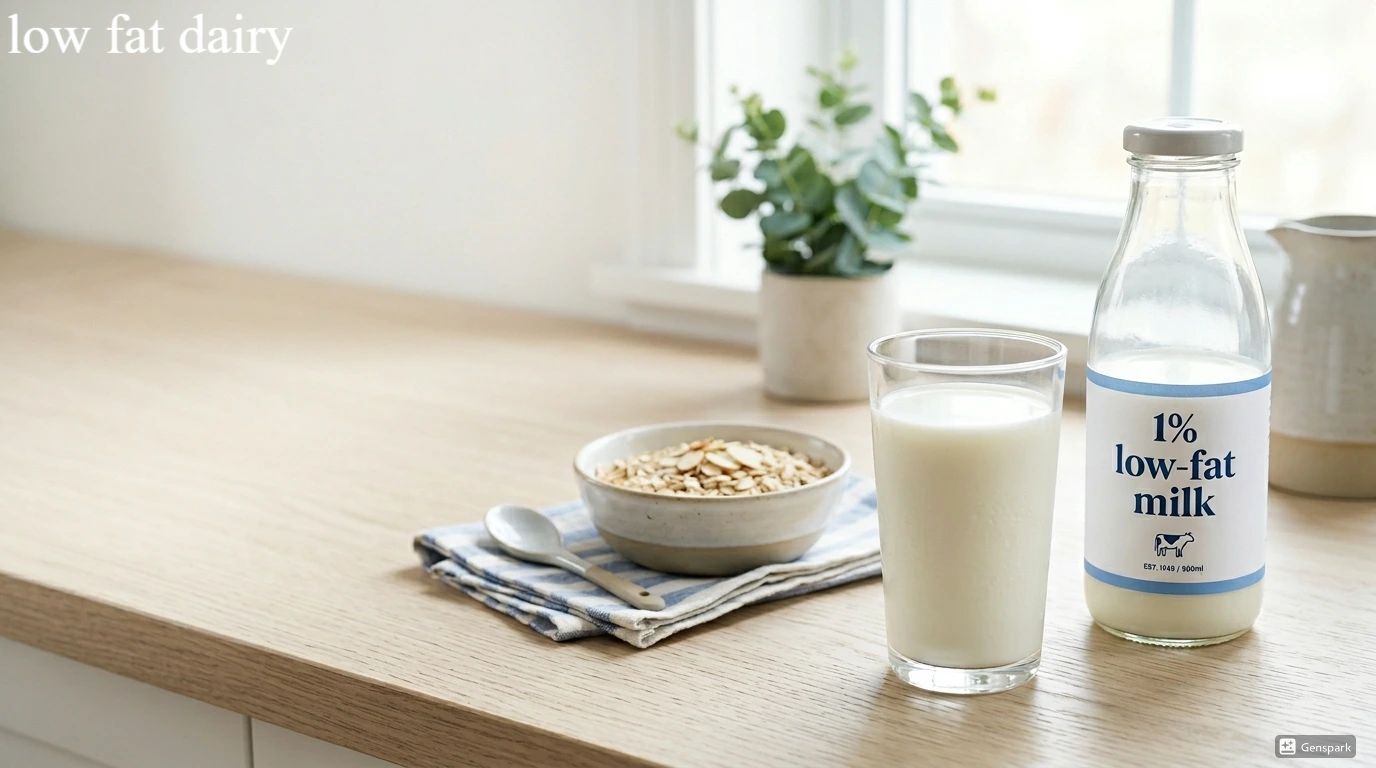
Low Fat Dairy: The Simple Switch That Can Transform Your Health
insoductions
Have you ever stood in the dairy aisle, staring at rows of milk cartons, wondering which one is actually good for you? You are not alone. Low fat dairy has become one of the most talked about topics in nutrition, and for good reason. It offers a way to enjoy your favorite dairy foods while keeping your heart, weight, and overall health in check.
In this article, you will learn what low fat dairy really means, why it matters, and how you can add it to your daily routine without feeling like you are giving up on taste.
What Is Low Fat Dairy Exactly?
Low fat dairy refers to milk, yogurt, cheese, and other dairy products that contain less fat than their full fat versions. Most low fat dairy products contain around 1 to 2 percent fat, while full fat versions can contain 3.5 percent or more.
The fat is removed or reduced during processing, but the essential nutrients like calcium, protein, and vitamin D usually stay intact. This means you still get the goodness of dairy, just with fewer calories and less saturated fat.
Why People Choose Low Fat Dairy
You might wonder why so many people are switching to low fat options. Here are the main reasons.
- It helps you manage your weight by reducing calorie intake
- It supports heart health by lowering saturated fat consumption
- It still delivers high quality protein and calcium
- It fits well into a balanced, everyday diet
- It suits people managing cholesterol or blood pressure concerns
If you are trying to eat healthier without giving up dairy altogether, this is often the easiest place to start.
The Nutritional Value You Should Know
Low fat dairy is not just about cutting calories. It still packs a strong nutritional punch. A single cup of low fat milk typically provides:
- About 8 grams of protein
- Around 300 milligrams of calcium
- A good dose of vitamin D and potassium
- Roughly 100 to 110 calories, compared to 150 in whole milk
This makes it an efficient way to get essential nutrients without consuming extra fat or calories you do not need.
Common Myths About Low Fat Dairy
There is a lot of confusion around this topic, so let us clear up a few myths.
Myth 1: Low fat dairy has no taste. This is simply not true anymore. Modern processing techniques have improved the taste of low fat milk, yogurt, and cheese significantly. Many people cannot even tell the difference once they get used to it.
Myth 2: Low fat dairy is loaded with sugar. Plain low fat dairy products do not contain added sugar. However, flavored yogurts and milk drinks sometimes do. Always check the label if you want to avoid added sugars.
Myth 3: Full fat dairy is always healthier. While full fat dairy has its own benefits, it also contains more saturated fat. For people watching their cholesterol or weight, low fat dairy often makes more sense.
How Low Fat Dairy Supports Heart Health
Your heart health depends a lot on the type of fat you consume. Saturated fat, found in higher amounts in full fat dairy, can raise LDL cholesterol levels over time. LDL is often called the bad cholesterol because it can build up in your arteries.
By choosing low fat dairy, you reduce your saturated fat intake while still getting calcium and protein. Several health organizations recommend low fat or fat free dairy as part of a heart healthy eating pattern, especially for adults who need to manage their cholesterol levels.
Does Low Fat Dairy Help With Weight Management?
Yes, it can. Since low fat dairy contains fewer calories than full fat versions, swapping one for the other can help you cut calories without changing your entire diet. This is especially useful if you consume dairy daily, such as milk in your coffee or yogurt in your breakfast.
Protein in dairy also helps you feel full longer, which can reduce unnecessary snacking. So when you choose low fat versions, you get the fullness benefit of protein without the extra fat calories.
Who Should Consider Low Fat Dairy?
Low fat dairy is a good fit for many people, but it is especially helpful for:
- Adults managing high cholesterol or heart disease risk
- People trying to lose or maintain weight
- Individuals following a calorie controlled diet
- Anyone looking to reduce saturated fat intake
- People who want the nutrition of dairy with fewer calories
That said, everyone’s nutritional needs are different. If you have specific health conditions, it helps to talk to a doctor or nutritionist before making major dietary changes.
Simple Ways to Add Low Fat Dairy to Your Diet
You do not need a complete diet overhaul to enjoy the benefits of low fat dairy. Here are some easy ways to start.
- Swap your regular milk for low fat or skim milk in your tea, coffee, or cereal
- Choose plain low fat yogurt and add fresh fruit for natural sweetness
- Use low fat cheese in sandwiches, salads, or omelets
- Try low fat cottage cheese as a high protein snack
- Cook with low fat dairy in soups, sauces, and smoothies instead of cream
These small changes add up over time and can make a real difference in your overall diet.
Low Fat Dairy Versus Full Fat Dairy: Which One Wins?
There is no single answer that fits everyone. It depends on your health goals.
If you are focused on heart health, weight control, or reducing calorie intake, low fat dairy is usually the smarter pick. If you need more calories or are following a specific diet plan that includes healthy fats, full fat dairy might work better for you.
The key is balance. You do not have to choose one forever. You can enjoy both, depending on what your body needs at different stages of life.

Frequently Asked Questions
Is low fat dairy good for daily consumption? Yes, low fat dairy is safe and beneficial for most people when consumed daily as part of a balanced diet.
Does low fat dairy taste different from whole milk products? It has a lighter texture and taste, but most people adjust quickly and enjoy it just as much.
Can low fat dairy help lower cholesterol? Yes, since it contains less saturated fat, it can support healthier cholesterol levels over time.
Is low fat dairy suitable for children? Children usually need more fat for growth, so full fat dairy is often recommended until around age two. After that, low fat options can be introduced gradually.
Does low fat mean less protein? No, low fat dairy still contains the same or similar amount of protein as full fat versions. Only the fat content is reduced.
Final Thoughts
Low fat dairy gives you a practical way to enjoy the foods you love while supporting your long term health. It keeps the essential nutrients your body needs, like calcium and protein, while cutting down on unnecessary fat and calories.
You do not have to make a drastic change overnight. Start small, try a few swaps, and see how your body responds. Over time, these simple choices can lead to better heart health, easier weight management, and a diet that feels both satisfying and smart.