

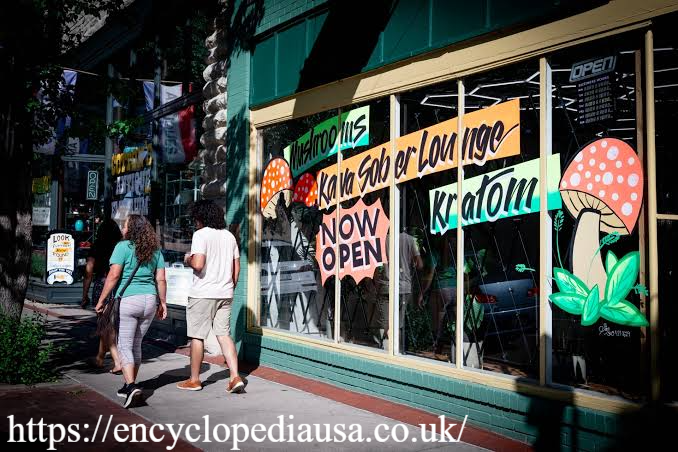
Kratom Drink Guide: What’s Inside, What the Risks Are, and What the Law Says in 2026
Small blue bottles sit by the register, right next to the 5-hour ENERGY shots. A kratom drink looks like a wellness tonic, but the plant in it acts on the brain’s opioid receptors. This guide covers what these drinks contain, what the evidence says about risk, and where U.S. law stands today.
Key Takeaways
- A kratom drink contains material from Mitragyna speciosa. The best-known example, Feel Free CLASSIC, blends kava root with kratom leaf.
- Feel Free Kava Maté is a different formula. It pairs kava root with yerba maté, and the company doesn’t list kratom in it.
- The FDA says kratom is not lawfully marketed in the U.S. as a drug, a dietary supplement, or a food additive.
- Regular use can cause tolerance, dependence, and withdrawal.
- Laws are moving quickly. Check your state, and treat “natural” on a label as marketing, not a safety claim.
What Is a Kratom Drink, and What’s Actually in It?
A kratom drink is a ready-to-drink liquid made with kratom leaf or extract. Kratom comes from an evergreen tree related to the coffee plant, native to parts of Southeast Asia. People report that low doses feel stimulating, while higher doses feel calming and pain-dulling.
Kava is a different plant. It’s a South Pacific root, and Pacific Islanders have long enjoyed it as a social and ceremonial beverage. Its concerns center on liver health and interactions with alcohol and sedating medicines, not opioid-receptor activity. Because kratom and kava affect the body in different ways, a blend of the two is hard to predict from either plant alone.
sourecs: plasticsurgerykey.com
Feel Free CLASSIC vs. Feel Free Kava Maté: Which Contains Kratom?
Botanic Tonics, founded in 2020 and based in Broken Arrow, Oklahoma, says it has sold more than 129 million servings of feel free CLASSIC. Its two tonic lines are easy to confuse on a shelf:
| feel free CLASSIC | feel free Kava Maté | |
|---|---|---|
| Main plants | Kava root + kratom leaf | Kava root + yerba maté |
| Caffeine | Caffeine-free | Naturally caffeinated from yerba maté (one retailer lists 60 mg per serving; check your bottle) |
| Kratom | Yes | Not listed as an ingredient |
| Company serving guidance | No more than 1 serving at a time and 2 in 24 hours | One or two servings at once, with no daily limit stated |
That serving guidance is the manufacturer’s own. The FDA has not established a safe dose of kratom.
Why Is a Kratom Drink Sold Like an Energy Shot?
Because it’s stocked, priced, and packaged like one. The Nemours children’s health system notes that these products are commonly found at gas stations among the 5-hour ENERGY shots, in a blue bottle with relaxed, wellness-style branding. Botanic Tonics has reported strong NielsenIQ results. In October 2025 it announced that feel free CLASSIC ranked No. 1 in the energy and supplement category at a top-five national convenience retailer. These figures come from the company’s own press releases.
Growth also drew scrutiny:
- Sponsorship deals with Florida State and the University of Texas at Austin let the company distribute free samples at games and events.
- Botanic Tonics settled a class action for $8.75 million and agreed to stronger labeling, including a “may be habit-forming” warning and a 21+ statement.
- CBS News Chicago found few store employees checking ID despite that 21+ label.
Here is what I take from this. A caffeine habit builds a familiar cycle of tolerance and a morning headache, and most people notice it. A caffeine-free tonic that lifts mood or takes the edge off can build dependence more quietly, because nothing about the “energy shot” habit prompts you to question it.
What Are the Health Risks of a Kratom Drink?
Federal health agencies advise against using kratom. The FDA cites risks including liver toxicity, seizures, and substance use disorder.
- Short-term effects: Reported effects include nausea, constipation, dizziness, and drowsiness, and rarely seizures, high blood pressure, and liver problems.
- Long-term risks: Regular users may experience withdrawal symptoms if they stop. These can include anxiety, depression, muscle aches, and sleep disturbances.
- Deaths: Deaths are rare and usually involve other drugs, so kratom’s exact contribution is unclear. Poison center reports involving kratom more than doubled in 2025, though experts say the numbers don’t tell the whole story.
- Mixing: Combining a kratom drink with alcohol, sedatives, or opioids raises the risk. Ask a pharmacist about any medicines you take.
- Recovery: The CLASSIC label advises against use by anyone with a history of substance abuse. That matters for people in addiction recovery.
What Changed in 2026: FDA, DEA, and 7-OH
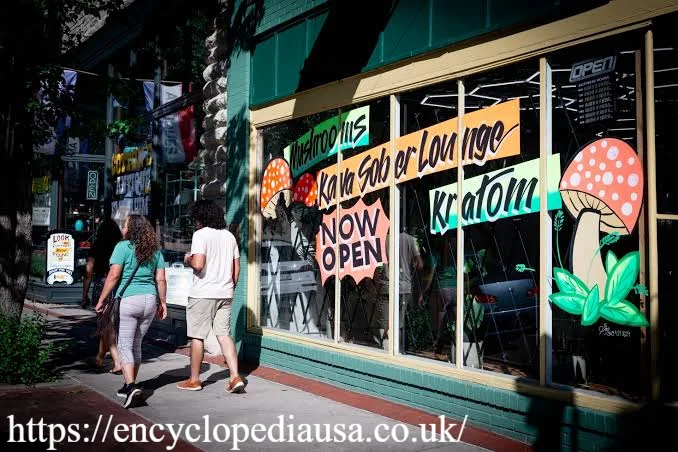
Kratom’s most active alkaloid is 7-hydroxymitragynine (7-OH), which occurs naturally in trace amounts. Federal action now targets concentrated versions. On July 1, 2026, the DEA began the temporary scheduling process for 7-OH above a proposed threshold and for three synthetic derivatives that don’t occur naturally in the plant. The agencies said this is not meant to apply to natural kratom leaf with only trace 7-OH.
One tracker reports that the order covering the three synthetic compounds took effect August 26, 2026, and that no order on the broader 7-OH threshold had been published as of September 2. This is moving fast, so confirm current status in the Federal Register. Whether a particular drink is affected depends on its alkaloid content, which the brand should be able to document.
Are Kratom Drinks Legal? A Practical U.S. Snapshot
Natural kratom leaf isn’t federally scheduled, but state rules vary widely.
- KCPA states: The Kratom Consumer Protection Act (KCPA) is a model law adopted in a number of states. Such laws typically set a 21+ purchase age, require alkaloid labeling and lab testing, and ban adulterated products. Don’t confuse it with a separate federal bill of the same name, introduced in October 2023.
- New York: The governor signed laws on December 22, 2025 banning sales to under-21s and requiring warning labels.
- California: The health department has banned kratom sales, yet products remain in many stores.
- Utah: Botanic Tonics sued over the state’s new rules on March 31, 2026.
- Texas: Kratom is regulated rather than banned, with labeling rules, a ban on synthetic and adulterated products, and no sales to under-18s. SB 1868, which would have added kratom to the controlled substances list, stalled in committee in 2025, and the next session begins in January 2027.
Online kratom sales, convenience stores, and tobacco shops all operate under these state rules, so a purchase that’s legal in one place may not be in another.
How Can You Tell Whether a Drink Contains Kratom?
- Read the ingredient panel. Look for “kratom,” “kratom leaf,” “Mitragyna speciosa,” or “mitragynine.”
- Check the warnings. Habit-forming language and a 21+ statement are strong hints.
- Match the exact product. CLASSIC and Kava Maté look alike but differ in ingredients.
- Ignore the buzzwords. “Natural,” “plant-based,” and “no synthetics” describe sourcing, not safety.
- Ask for lab results. A trustworthy brand can share testing for alkaloid content and contaminants.
Signs of Dependence and When to Get Help
Warning signs include:
- Needing more for the same effect
- Cravings or a sense that you can’t function without it
- Withdrawal symptoms (restlessness, aches, poor sleep, low mood) between servings
- Failed attempts to cut back
- Continuing despite problems at work, school, or home
Stopping abruptly after heavy use can be uncomfortable, so talk to a clinician before quitting. Kratom addiction treatment often combines medical support, counseling, and relapse prevention. NIDA notes that approved medications exist to help control withdrawal and cravings in opioid use disorder. Ask a provider whether they fit your situation.
You can reach the SAMHSA National Helpline at 1-800-662-4357 (free, confidential, 24/7). For a bad reaction, contact the Poison Help Line at 1-800-222-1222, or dial 911 in an emergency.
Talking to Teens About Kratom Drinks
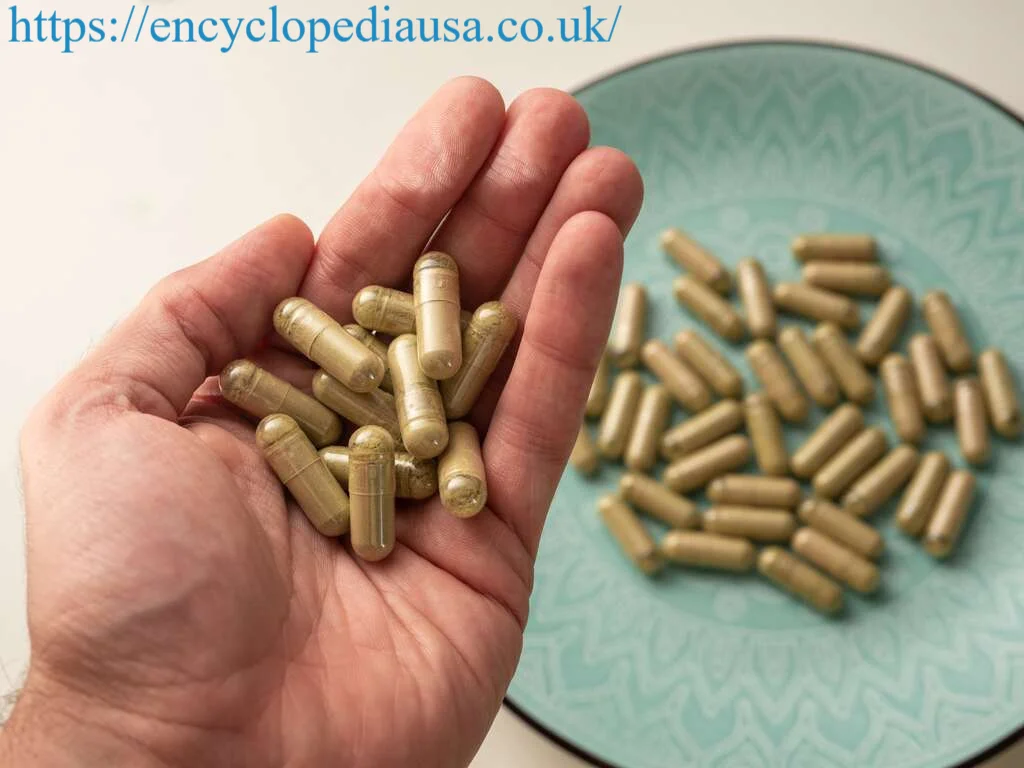
Kratom access for minors is a real gap. Labels say 21+, but enforcement at the counter is inconsistent. Talk with kids about what the bottle contains and why “it’s from a plant” doesn’t make it harmless. Ask open questions such as “Have you seen these at school or the gas station?” and explain that dependence can develop quietly. Kids who might sample it at a party or event deserve the same honest conversation as they’d get about vaping or alcohol.
Frequently Asked Questions
What is the Feel Free drink?
Feel Free is a line of herbal tonics made by Botanic Tonics of Broken Arrow, Oklahoma. The flagship feel free CLASSIC combines kava root with kratom leaf and contains no caffeine, while feel free Kava Maté pairs kava root with yerba maté and is naturally caffeinated. The CLASSIC label states it is for adults 21 and older and can be habit-forming.
What is kratom in the Feel Free energy drink?
Kratom is the leaf of Mitragyna speciosa, a Southeast Asian tree related to the coffee plant. In feel free CLASSIC it is paired with kava root. Its main alkaloids, mitragynine and 7-hydroxymitragynine, act on the brain’s opioid receptors. Feel Free Kava Maté does not list kratom as an ingredient.
Is Feel Free an energy drink?
It’s sold as an herbal supplement, not a conventional energy drink, though it sits on the same shelves as energy shots. CLASSIC has no caffeine, so any perceived lift comes from its plants, while Kava Maté gets its caffeine from yerba maté. The FDA says kratom is not lawfully marketed as a dietary supplement.
Does kratom have supplement benefits?
Some people report more energy, calm, or pain relief. However, kratom products have not been demonstrated to be safe and effective for any medical condition, and NIDA says research is still underway. If you’re managing pain, anxiety, or opioid withdrawal, approved treatments are a safer starting point.
Is kratom a psychedelic?
No. Kratom is not a classic psychedelic like psilocybin or LSD. Its alkaloids act on opioid receptors, producing stimulant-like effects at low doses and sedating, opioid-like effects at higher doses, though hallucinations appear in some side-effect reports. Kava is not a psychedelic either.
Can kratom drinks be addictive?
Yes. Regular use can lead to tolerance, dependence, and withdrawal, and the FDA has observed cases of kratom-related substance use disorder. Botanic Tonics’ own CLASSIC label warns that the product can be habit-forming.
Is kratom legal in Texas?
Yes, for now. Texas regulates kratom through a consumer-protection law with labeling rules and a minimum purchase age of 18. SB 1868, which would have raised the age to 21 and added kratom to the controlled substances list, did not pass in 2025. The Legislature next meets in January 2027, so verify current rules before buying.
This article is for education only and is not medical or legal advice. If you or someone you know is struggling with kratom use, contact a healthcare professional or the SAMHSA helpline above.
7. FAQ Schema (JSON-LD)
8. Important Entities Mentioned
- Brands and companies: Feel Free, feel free CLASSIC, feel free Kava Maté, Botanic Tonics, 5-hour ENERGY, NielsenIQ
- Substances: Kratom, Mitragyna speciosa, mitragynine, 7-hydroxymitragynine (7-OH), kava root, yerba maté, caffeine
- Organizations: FDA, DEA, HHS, NIDA, NCCIH, Mayo Clinic, SAMHSA, Nemours, CBS News Chicago
- Laws and legislation: Kratom Consumer Protection Act (KCPA), Texas SB 1868, New York kratom laws (December 2025), DEA temporary scheduling notices (July 2026)
- Concepts: Kratom dependence, kratom withdrawal, substance use disorder, addiction recovery, age verification, ingredient transparency
- Audiences: Parents, teens and minors, college students, people in recovery, caregivers
9. Suggested Featured Image Idea
A clean, editorial-style flat lay on a neutral gray convenience-store counter. It shows two unbranded 2-oz tonic bottles (one blue, one green) next to a 5-hour-style energy shot. A dried kava root piece and a green kratom leaf sit beside them, with a small magnifying glass over the ingredient label. Avoid real logos.
Alt text: “Two herbal tonic bottles beside an energy shot, a kava root, and a kratom leaf, with a magnifying glass over an ingredient label.”
Notes on Sources and Choices
- Texas age: Sources disagree on Texas’s minimum purchase age. The most recent ones I found (July 2026) say 18 statewide, and I used that. Confirm with the Texas legislature’s site before publishing.
- State ban counts: I left out a count of banning states because sources conflict.
- 7-OH order: The status of the broader 7-OH order came from a single tracker dated September 2. Re-check the Federal Register on your publish date.
- Feel Free sales claims: These come from company press releases, and the article labels them that way.
- Length: The article body runs a bit over 1,500 words including the FAQs.
AlsoRecl