

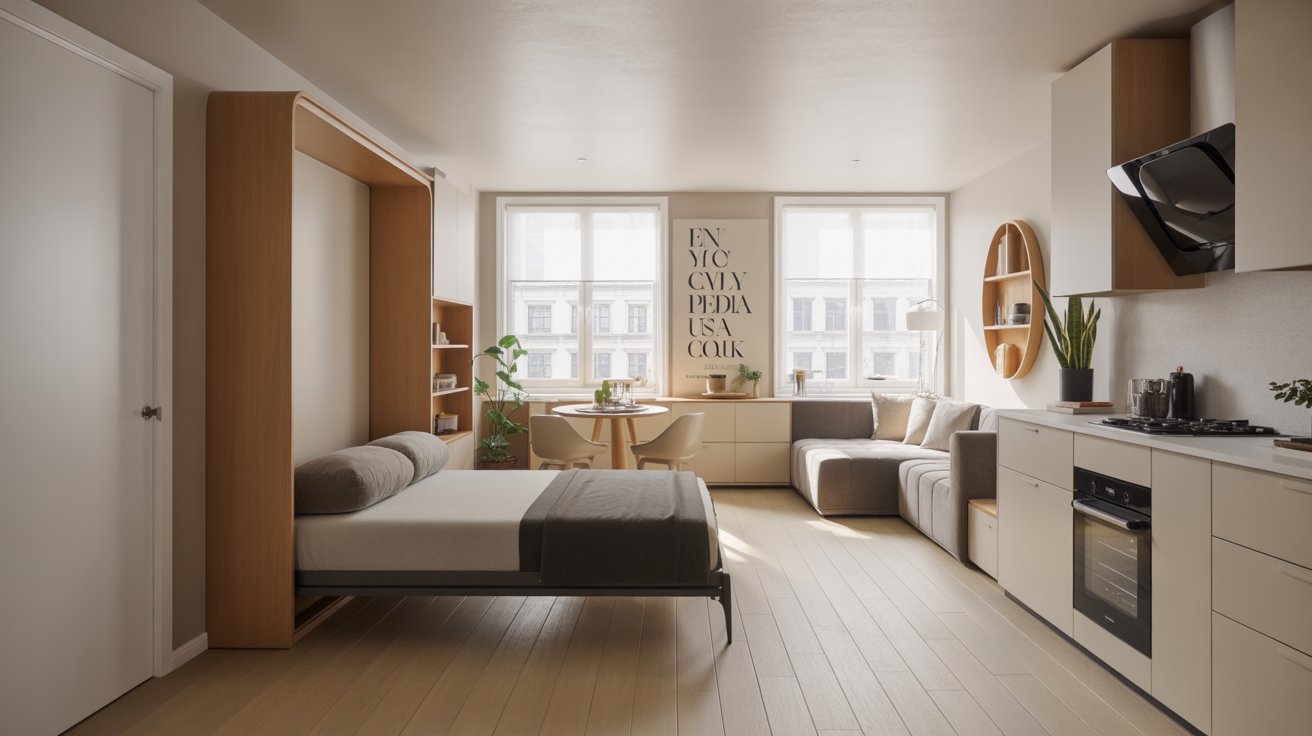
The Smart Guide to Studio Apartment Living (That Actually Works) 2026
Introduction
Let’s be real — the moment someone mentions a studio apartment, most people picture a cramped, cluttered box with a bed shoved against the wall. But that image couldn’t be more outdated. A studio apartment, when done right, can feel open, stylish, and surprisingly livable.
I’ve talked to dozens of people who swore they could never survive in a studio apartment. Then they moved into one — and never looked back. The secret isn’t square footage. It’s how you use every single inch of what you have.
In this guide, you’ll learn everything you need to make the most of your studio apartment. We’ll cover layout strategies, furniture choices, storage hacks, lighting tricks, and design ideas that actually work in small spaces. Whether you’re moving in for the first time or trying to refresh your current setup, this article has you covered.
What Is a Studio Apartment, Really?
A studio apartment is a self-contained living space that combines your bedroom, living room, and kitchen into one open area. The only separate room is usually the bathroom. Some studio apartments include a small alcove or partial wall that creates a division, but the core concept stays the same — one open floor plan, multiple functions.
Studio apartments are incredibly common in urban areas. In cities like New York, San Francisco, and Chicago, studio apartments make up a huge share of the rental market. They tend to be more affordable than one-bedroom apartments, which makes them a popular choice for students, young professionals, and people who simply prefer low-maintenance living.
The average studio apartment ranges from 300 to 600 square feet. That’s not a lot of room. But it’s more than enough if you’re strategic about it.
Why People Love (and Hate) Studio Apartment Living
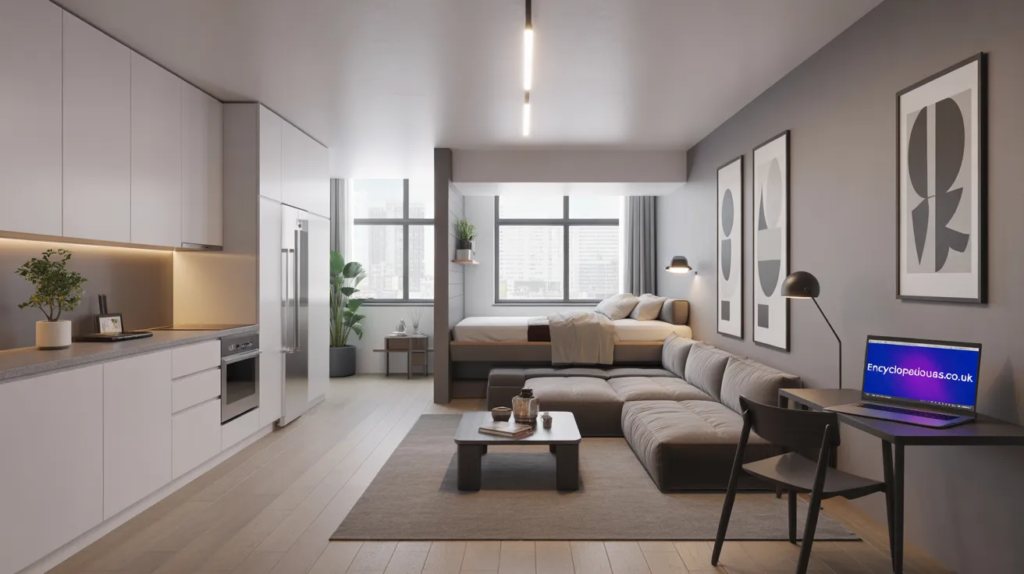
Before we dive into the tips, let’s talk about both sides honestly.
The Real Benefits of a Studio Apartment
Lower rent. This is the big one. Studio apartments almost always cost less than a one-bedroom unit in the same building or neighborhood. If you’re trying to save money, live in an expensive city, or just cut your monthly expenses, a studio apartment makes serious financial sense.
Less to clean. Fewer rooms means less time scrubbing floors and wiping surfaces. If you hate cleaning (who doesn’t?), a studio apartment is your best friend.
Cozier atmosphere. There’s something genuinely warm about a well-designed studio apartment. Everything is close. It feels personal. It feels like yours.
Forces minimalism. Living in a studio apartment teaches you to be intentional. You can’t hold onto things you don’t need because there’s simply nowhere to put them. Many people find that incredibly freeing.
The Real Challenges of a Studio Apartment
Lack of privacy. If you have a partner, a roommate, or regular guests, a studio apartment can feel tight fast. There’s no room to retreat to.
Limited storage. Closet space is usually minimal. You need to get creative — and we’ll show you how.
Separation of zones. When your bed is five feet from your desk, it can be hard to mentally “leave work” at the end of the day. Zoning your space becomes essential.
How to Layout Your Studio Apartment Like a Pro
The layout is everything in a studio apartment. A poor layout makes a small space feel suffocating. A smart layout makes it feel surprisingly spacious.
Start With the Bed Placement
Your bed is your biggest piece of furniture. It takes up the most floor space, and wherever it goes, everything else follows. Here are your main options:
- Against the wall: Frees up floor space in the center of the room. Works well in narrow studio apartments.
- In the corner: Creates a cozy nook feel. Great for maximizing open space on two sides.
- Loft bed: If your ceilings are high, a loft bed can literally double your usable floor space by putting storage or a workspace underneath.
- Murphy bed: Folds up into the wall during the day. Transforms your sleeping area into a living room with one simple move. This is one of the best studio apartment investments you can make.
Create Zones Without Walls
In a studio apartment, zoning is the art of making different parts of your space feel like different rooms — without actually building walls.
You can create zones using:
- Rugs: A large area rug under your sofa and coffee table instantly defines a “living room” zone. A smaller rug under your desk marks your workspace.
- Furniture positioning: Turn your sofa to face away from your bed. That single move creates a visual and psychological barrier between your sleeping and living areas.
- Curtains or room dividers: A floor-to-ceiling curtain can separate your sleeping area from the rest of the studio apartment without blocking light or feeling permanent.
- Shelving units: Open bookshelves used as dividers add function and style at the same time.
The Kitchen Area
Most studio apartments have a small kitchen or kitchenette along one wall. To keep it from visually cluttering your space, keep countertops as clear as possible. Use vertical storage — wall-mounted magnetic knife strips, hanging pot racks, or floating shelves above the counter. A bar cart can serve as extra prep space and roll away when not in use.
Smart Furniture Choices for a Studio Apartment
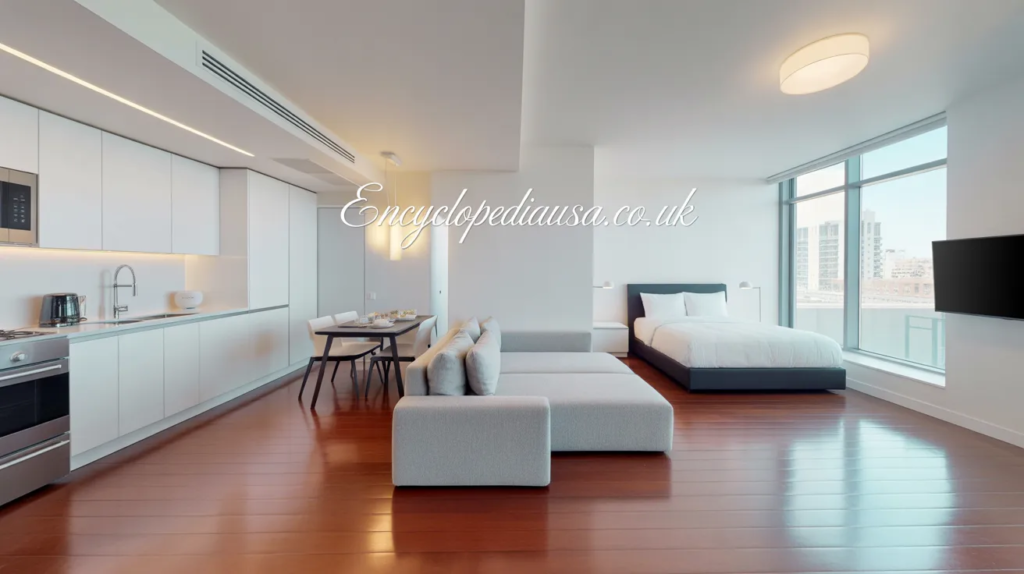
Furniture can make or break a studio apartment. The goal is to choose pieces that work harder than they look.
Multi-Functional Furniture Is Non-Negotiable
In a studio apartment, every piece of furniture should do at least two jobs. Here are the best examples:
- Storage ottoman: Acts as a coffee table, extra seating, and hidden storage all at once.
- Sofa bed or daybed: Your living room becomes a guest room when needed.
- Nesting tables: Stack away when not in use. Pull out when you have guests.
- Bed with storage drawers underneath: One of the easiest ways to gain significant storage in a studio apartment.
- Fold-down desk: Mounts on the wall and folds flat when you’re done working. Ideal for a studio apartment workspace.
Scale Matters More Than You Think
Many people make the mistake of putting oversized furniture in a studio apartment. A massive sectional sofa might look great in a showroom, but it’ll swallow your entire floor plan. Stick to furniture that fits the scale of your space.
A two-seater sofa instead of a three-seater. A small round dining table instead of a rectangular one. A slim console table instead of a bulky buffet. Every size decision matters.
Storage Hacks That Save Studio Apartment Life
Storage is the number one complaint from studio apartment dwellers. You feel like you never have enough of it. But the truth is, most studio apartments have untapped storage potential. You just need to know where to look.
Go Vertical
Most people use floor space for storage. But in a studio apartment, your walls are just as valuable. Think tall bookshelves that reach the ceiling. Wall-mounted cabinets above the desk. Floating shelves in the kitchen, bathroom, and bedroom zones. The higher you go, the more floor space you free up.
Use the Space Under Your Bed
Under-bed storage is massively underused. If your bed frame doesn’t have built-in drawers, invest in flat rolling bins. You can store seasonal clothing, extra linens, shoes, and more. It’s essentially a free closet hiding right under you.
Over-the-Door Organizers
The backs of doors are some of the most wasted space in any studio apartment. Over-the-door organizers can hold shoes, cleaning supplies, pantry items, accessories, and toiletries. One over-the-door organizer in a studio apartment can hold dozens of items that would otherwise crowd your surfaces.
Declutter Ruthlessly
No storage hack works if you’re holding onto too much stuff. Living in a studio apartment forces you to ask one simple question: do I actually need this? If the answer is no, let it go. Donate, sell, or trash anything that doesn’t serve a real purpose in your life.
Décor and Design Tips for a Studio Apartment
Good design can visually expand a studio apartment in ways that feel almost magical. Here’s what actually works.
Light Colors Open Up the Space
Dark walls absorb light and make rooms feel smaller. Light colors — white, soft grey, warm beige, pale blue — bounce light around and make a studio apartment feel more open. This doesn’t mean everything needs to be white. But keeping your largest surfaces (walls, floors, ceiling) in lighter tones gives you a solid foundation to layer on.
Mirrors Are Your Best Friend
A well-placed mirror can make a studio apartment feel twice its size. Large floor mirrors, mirrored furniture, or a gallery wall of smaller mirrors all create the illusion of depth and extra space. Place a large mirror opposite a window to reflect natural light across the whole room.
Let Natural Light In
Natural light is the single most powerful tool you have in a studio apartment. Keep window treatments minimal. Use sheer curtains instead of heavy drapes. Never block windows with furniture. The more light that flows through your studio apartment, the bigger and better it feels.
Add Personality Without Clutter
Just because you’re in a small space doesn’t mean your studio apartment has to feel cold or generic. A few well-chosen art pieces, a gallery wall, a statement rug, or some plants can inject huge amounts of personality without taking up floor space. Plants, in particular, do wonders for a studio apartment. They add life, color, and a sense of calm — all for very little cost.
Making Your Studio Apartment Feel Like Home
This is something that doesn’t get talked about enough. It’s one thing to organize a studio apartment efficiently. It’s another thing entirely to make it feel like a real home.
Invest in Good Lighting
Overhead lighting alone makes a space feel flat and institutional. Layer your lighting in a studio apartment. Use a combination of floor lamps, table lamps, and accent lighting. Warm-toned bulbs (2700–3000K) create a cozy, inviting atmosphere. Dimmer switches are a game-changer.
Keep a Consistent Style
One of the easiest ways to make a studio apartment feel chaotic is to mix too many styles. Pick a design direction — Scandinavian minimalism, boho chic, modern industrial, whatever resonates with you — and stick to it. When your studio apartment has a cohesive look, it feels intentional and polished instead of cramped and thrown together.
Create a Morning and Evening Routine Zone
In a studio apartment, routines become your invisible walls. If you always make coffee in the kitchen zone, eat at your small dining table, and then move to your desk to work, your brain starts associating those physical spots with those activities. This is a surprisingly powerful way to maintain structure when everything happens in one room.
Studio Apartment vs. One-Bedroom: Which Is Right for You?
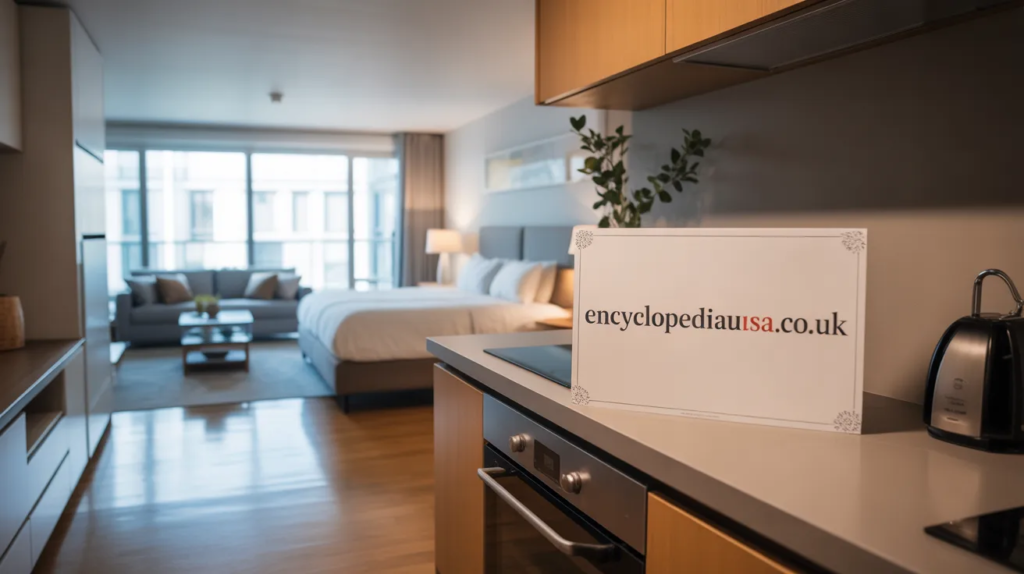
This comes down to your lifestyle and your budget. Here’s a quick comparison:
A studio apartment is ideal if you’re single or in a relationship with someone you’re very comfortable with, you work outside the home most of the day, you value saving money over having extra space, and you enjoy a minimalist or low-clutter lifestyle.
A one-bedroom might be better if you work from home regularly and need a dedicated, separated workspace, you frequently have guests staying over, you own a lot of belongings, or you need genuine alone time and privacy.
Neither is objectively better. It depends entirely on how you live your life.
The Financial Case for a Studio Apartment
Let’s talk numbers. In most major US cities, a studio apartment costs 20–40% less per month than a comparable one-bedroom unit. Over the course of a year, that’s potentially thousands of dollars saved.
That savings compounds if you’re putting the difference into an emergency fund, investments, or paying off debt. Many people who live intentionally in a studio apartment build serious financial momentum that they couldn’t have achieved in a larger, more expensive space.
Living in a studio apartment isn’t a sacrifice. For many people, it’s one of the best financial decisions they ever made.
Conclusion
A studio apartment is not a compromise — it’s a choice. A smart, intentional choice that can save you money, simplify your life, and push you toward a more intentional way of living.
The key is approaching your studio apartment with the right mindset and the right strategy. Zone your space thoughtfully. Choose furniture that works double duty. Go vertical with storage. Let in natural light. Add personality without clutter. And most importantly, design your studio apartment around how you actually live — not how you think a small space is supposed to look.
Whether you’re hunting for your first studio apartment or trying to breathe new life into the one you already have, these ideas give you a real place to start.
What’s your biggest challenge when it comes to studio apartment living? Drop your thoughts — I’d love to hear how you’re making your space work for you.
FAQs About Studio Apartments
1. What is the average size of a studio apartment? Most studio apartments range from 300 to 600 square feet. Micro-studios in dense cities can be as small as 150–250 square feet.
2. How do I make my studio apartment look bigger? Use light colors, large mirrors, minimal furniture, and maximise natural light. Keeping floors clear and surfaces uncluttered also makes a big visual difference.
3. Can a couple live comfortably in a studio apartment? Yes, many couples live happily in a studio apartment. It requires good communication, intentional zoning, and a willingness to keep belongings minimal.
4. What furniture is best for a studio apartment? Multi-functional pieces work best — Murphy beds, storage ottomans, sofa beds, fold-down desks, and beds with built-in drawers. Always choose furniture scaled to your space.
5. How do I add storage to a studio apartment? Go vertical with tall shelving, use under-bed storage, install over-the-door organizers, and use furniture that includes built-in storage. Decluttering regularly is just as important.
6. Is a studio apartment good for working from home? It can be, with the right setup. Create a dedicated workspace zone with a proper desk and chair. Use visual dividers like shelves or curtains to mentally separate your work area from your living and sleeping areas.
7. How do I keep a studio apartment clean and organized? Small spaces get messy fast, so daily tidying habits matter more than weekly deep cleans. Give everything a designated place. If something doesn’t have a home, it shouldn’t be in your studio apartment.
8. What’s the difference between a studio apartment and a one-bedroom? A studio apartment has no separate bedroom — your living, sleeping, and kitchen areas share one open space. A one-bedroom has a physically separate bedroom with a door.
9. Are studio apartments a good investment to rent out? In high-demand urban areas, studio apartments often have strong rental yields because they attract a large pool of solo renters and are priced accessibly. They can be solid short-term rental investments too.
10. How do I make a studio apartment feel cozy? Layer your lighting with warm-toned lamps, add soft textiles like throw blankets and cushions, bring in plants, and choose a cohesive design style. A well-styled studio apartment can feel incredibly warm and personal.
Also Read: Construction Accident Attorney
| Author: Johan Harwen |
| E-mail: johanharwen314@gmail.com |
| Bio: Johan Harwen is a passionate tourist who has explored countless destinations across the globe. With an eye for hidden gems and local cultures, he turns every journey into an unforgettable story worth sharing. |