
Iran Israel Conflict: The Dangerous Truth You Need to Know
Introduction
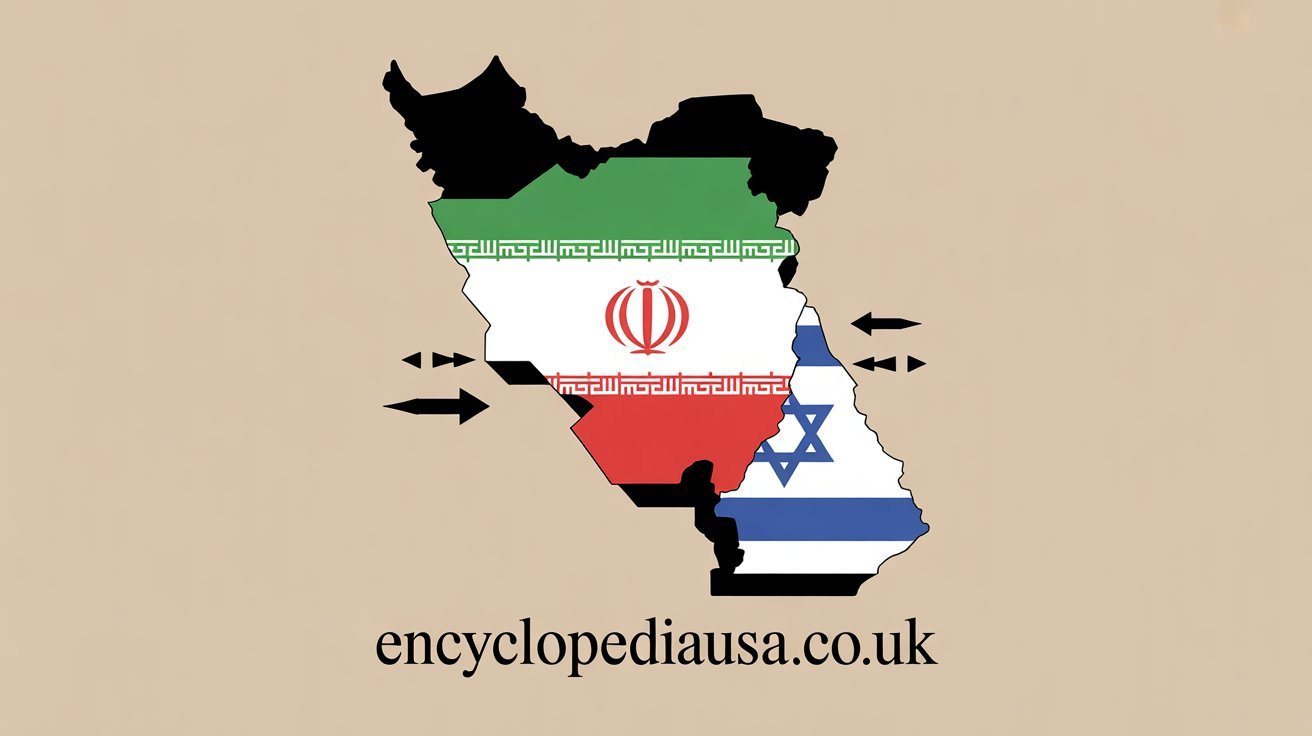
You’ve probably seen the headlines. Iran and Israel are locked in one of the most volatile conflicts in the Middle East. But do you really understand what’s driving this decades-long standoff? If you’re confused about why these two nations can’t seem to find peace, you’re not alone. The Iran Israel situation is complex, layered with history, religion, politics, and regional power struggles that affect not just the Middle East but the entire world.
Here’s the thing: this isn’t just another territorial dispute. It’s a clash that involves nuclear threats, proxy wars, cyberattacks, and deep-seated ideological differences. Whether you’re trying to understand global news better or you’re concerned about what this means for international stability, you need to know the facts. In this article, I’ll walk you through the origins of the Iran Israel conflict, the key players involved, what’s happening right now, and what the future might hold. Let’s break it down in a way that actually makes sense.
Understanding the Iran Israel Rivalry: Where It All Started
The Historical Background
The tension between Iran and Israel wasn’t always this intense. Before 1979, Iran and Israel actually maintained diplomatic relations. Hard to believe, right? Under Shah Mohammad Reza Pahlavi, Iran recognized Israel and the two countries even cooperated on various fronts. They shared intelligence, engaged in trade, and worked together on regional security issues.
Everything changed with the Iranian Revolution in 1979. When Ayatollah Khomeini came to power, he established an Islamic Republic that fundamentally opposed Israel’s existence. The new Iranian leadership viewed Israel as an illegitimate state occupying Palestinian land. This ideological shift transformed Iran from a tacit ally into Israel’s most vocal adversary in the region.
Religious and Ideological Differences
You need to understand that this conflict runs deeper than politics. Iran’s Islamic Republic is built on Shia Islamic principles and sees itself as a defender of oppressed Muslims worldwide, particularly Palestinians. The Iranian government doesn’t recognize Israel’s right to exist and has repeatedly called for its elimination from the region.
Israel, on the other hand, is a Jewish state that was established in 1948. It views Iran’s rhetoric and actions as existential threats. When Iranian leaders make statements about “wiping Israel off the map,” Israelis take these words seriously given their historical experience with persecution and genocide.
The Nuclear Question: Why Everyone’s Watching
Iran’s Nuclear Program
Here’s where things get really tense. Iran’s nuclear program has been the elephant in the room for years. Iran insists its nuclear activities are purely for peaceful purposes like energy production and medical research. But Israel and many Western nations suspect Iran is developing nuclear weapons capability.
Why does this matter so much? Because if Iran gets nuclear weapons, the entire power balance in the Middle East shifts dramatically. Israel has long maintained a policy of preventing any hostile nation in the region from acquiring nuclear weapons. This doctrine has led to covert operations, alleged assassinations of Iranian nuclear scientists, and constant surveillance of Iranian facilities.
International Agreements and Tensions
The Joint Comprehensive Plan of Action, commonly known as the Iran nuclear deal, was signed in 2015. This agreement was supposed to limit Iran’s nuclear activities in exchange for sanctions relief. Israel strongly opposed this deal, arguing it didn’t go far enough and would only delay Iran’s nuclear ambitions.
When the United States withdrew from the agreement in 2018, tensions escalated. Iran began gradually violating the deal’s restrictions, enriching uranium to higher levels and limiting international inspectors’ access. You can see how this creates a dangerous cycle: more restrictions lead to more violations, which lead to more threats, which lead to more instability.
Proxy Wars and Regional Power Plays
Hezbollah in Lebanon
Iran doesn’t just confront Israel directly. It uses proxy forces throughout the region to extend its influence and pressure Israel. Hezbollah, based in Lebanon, is Iran’s most powerful proxy. This Shiite militant group receives funding, training, and weapons from Iran.
Hezbollah has fought multiple wars with Israel, most notably in 2006. The group has amassed an estimated arsenal of over 100,000 rockets aimed at Israel. This represents a serious threat because these weapons can reach virtually any part of Israeli territory. For you to understand the scale: Hezbollah is better armed than many national armies.
Hamas and Palestinian Islamic Jihad
In Gaza, Iran supports Hamas and Palestinian Islamic Jihad. While these groups are Sunni Muslim (different from Iran’s Shia identity), they share a common enemy in Israel. Iran provides these organizations with funding, weapons technology, and military training.
The relationship is pragmatic rather than ideological. Iran gains influence on Israel’s borders and can pressure Israel through these groups. We saw this dynamic play out in various Gaza conflicts where Iranian-supplied rockets were fired at Israeli cities.
Syria: The Strategic Bridge
Syria has become a crucial battleground in the Iran Israel shadow war. Iran has used the Syrian civil war to establish a military presence right on Israel’s northern border. Iranian forces and their proxies have set up bases, weapons factories, and missile facilities throughout Syria.
Israel has conducted hundreds of airstrikes in Syria targeting these Iranian positions. This ongoing campaign shows how seriously Israel takes the threat of permanent Iranian military entrenchment in Syria. You’re essentially watching a war that’s not officially declared but is very real on the ground.
Cyberwarfare: The Invisible Battlefield
Attacks on Infrastructure
The Iran Israel conflict has a major cyber dimension that you might not see in the news as often. Both nations have developed sophisticated cyber capabilities and use them against each other regularly. Iran has been accused of cyberattacks on Israeli water systems, hospitals, and financial institutions.
Israel, widely believed to have one of the world’s most advanced cyber warfare units, has reportedly struck back at Iranian infrastructure. The Stuxnet virus that damaged Iranian nuclear centrifuges is often attributed to Israeli and American intelligence, though neither government officially confirms this.
Information and Propaganda Wars
Beyond infrastructure attacks, both countries wage information warfare. Iran uses social media and online platforms to spread anti-Israeli propaganda and support for Palestinian causes. Israel counters with its own information campaigns highlighting Iranian threats and exposing Iranian activities in the region.
This digital battlefield matters because it shapes public opinion, influences international policy, and can even impact elections in other countries. You’re not just looking at military conflict but a comprehensive struggle across multiple domains.
Current Tensions: What’s Happening Now
Recent Escalations
The Iran Israel situation has intensified in recent years. Attacks on Iranian tankers, explosions at Iranian nuclear facilities, and assassinations of Iranian officials have all been attributed to Israel, though Israel typically doesn’t confirm or deny these operations.
In response, Iran has threatened direct retaliation and has allegedly attempted attacks on Israeli diplomats and Jewish targets worldwide. This tit-for-tat dynamic keeps the region on edge and creates the constant possibility of full-scale war.
The Abraham Accords Impact
Israel’s normalization agreements with several Arab nations, including the UAE and Bahrain, have changed regional dynamics. These countries are also wary of Iranian influence and expansion. Iran views these agreements as a hostile alliance forming against it.
This has pushed Iran to strengthen its own alliances and accelerate its military programs. You’re seeing the Middle East divide into clear camps, with countries choosing sides in this rivalry.
International Involvement: Who’s Playing What Role
The United States Factor
The United States has been Israel’s strongest ally for decades. American military aid, diplomatic support, and security cooperation give Israel significant advantages. The U.S. also maintains a military presence in the region specifically to counter Iranian influence.
However, American policy toward Iran has fluctuated. Different administrations take different approaches, from Obama’s engagement and the nuclear deal to Trump’s “maximum pressure” campaign and sanctions. This inconsistency affects how the Iran Israel dynamic plays out.
Russia and China
Russia has complex relationships with both countries. It cooperates with Iran in Syria but also maintains communication channels with Israel. China, meanwhile, has expanded economic ties with Iran, including major oil purchases and infrastructure investments.
These great power relationships matter because they affect what Iran and Israel can do. International support or opposition can either enable or constrain their actions.
European Positions
European nations generally want to preserve the nuclear deal and prevent military escalation. They’ve tried to maintain economic relations with Iran while also supporting Israel’s security. This balancing act has become increasingly difficult as tensions rise.
What Could Happen Next: Future Scenarios
The War Nobody Wants
Many analysts worry about an accidental escalation that spirals into full-scale war. Neither Iran nor Israel really wants a direct, all-out conflict, but the shadow war could trigger something bigger. A miscalculation, an unexpected retaliation, or a third party’s actions could ignite a regional war.
Such a conflict would be devastating. Iran would likely use its proxy forces to attack Israel from multiple directions. Israel would probably target Iranian nuclear facilities, military bases, and infrastructure. The humanitarian and economic costs would be enormous.
The Nuclear Tipping Point
If Iran actually develops nuclear weapons, we enter completely new territory. Israel has hinted it would take military action to prevent this, potentially including strikes on Iranian nuclear facilities. Iran has warned that any such attack would trigger massive retaliation.
This scenario keeps policymakers up at night because it could drag other countries into the conflict and destabilize the entire region.
Diplomatic Possibilities
Despite all the hostility, some experts believe diplomatic solutions are still possible. A strengthened nuclear agreement, regional security arrangements, or back-channel negotiations could reduce tensions. But this requires political will from all sides and support from the international community.
Why This Matters to You
Global Economic Impact
You might wonder why you should care about tensions thousands of miles away. The Iran Israel conflict affects global oil prices, shipping routes, and economic stability. The Strait of Hormuz, which Iran could threaten to close, is a critical chokepoint for world oil supplies.
Disruptions in the Middle East ripple through global markets, affecting everything from gas prices to inflation.
Regional Stability and Refugees
Major conflict would create humanitarian crises with refugee flows that affect Europe, Asia, and beyond. We’ve seen how Middle Eastern conflicts create migration pressures that impact countries worldwide.
Nuclear Proliferation Concerns
If Iran gets nuclear weapons, other countries in the region might seek them too. Saudi Arabia has already indicated it would pursue nuclear capabilities if Iran goes nuclear. You’re looking at potential widespread nuclear proliferation in one of the world’s most volatile regions.
Conclusion
The Iran Israel conflict is one of the most dangerous and consequential rivalries in modern geopolitics. From its roots in the 1979 Iranian Revolution to today’s shadow war involving cyberattacks, proxy forces, and nuclear tensions, this standoff affects regional stability and global security. You’ve now got a clearer picture of the historical grievances, religious differences, strategic calculations, and international dimensions that make this conflict so complex.
Neither side shows signs of backing down, and the situation could deteriorate further or, with the right diplomatic efforts, potentially improve. Understanding these dynamics helps you make sense of Middle Eastern news and the broader international landscape. What do you think is the most likely path forward? Will diplomacy prevail, or are we heading toward a larger confrontation? Stay informed, because this story is far from over.
Frequently Asked Questions
Why do Iran and Israel hate each other?
The animosity stems primarily from the 1979 Iranian Revolution when Iran’s new Islamic government rejected Israel’s legitimacy. Religious ideology, regional power competition, and the Palestinian issue fuel ongoing tensions between the two nations.
Does Iran have nuclear weapons?
Iran does not currently possess nuclear weapons, though it has nuclear technology and expertise. Western nations and Israel fear Iran could develop weapons capability if its nuclear program continues advancing beyond current restrictions.
Has Iran ever attacked Israel directly?
Iran primarily uses proxy forces like Hezbollah and Hamas rather than direct military attacks. However, Iran has been accused of attempting attacks on Israeli targets worldwide through its intelligence services and proxies.
Why does Israel bomb Syria?
Israel conducts airstrikes in Syria to prevent Iran from establishing permanent military bases and transferring advanced weapons to Hezbollah. These strikes aim to counter Iranian military entrenchment near Israel’s borders.
What is the Abraham Accords?
The Abraham Accords are normalization agreements between Israel and several Arab countries including the UAE and Bahrain. These deals represent a significant shift in Middle Eastern diplomacy and concern Iran.
Could there be peace between Iran and Israel?
While extremely difficult given current circumstances, peace isn’t impossible. It would require major political changes in Iran, resolution of nuclear issues, and addressing broader regional conflicts including the Palestinian situation.
How does the US involvement affect Iran Israel relations?
American support for Israel and sanctions on Iran significantly impact the dynamic. U.S. military presence in the region and its diplomatic positions influence how both countries calculate their strategies and options.
What would happen if Israel attacked Iran?
An Israeli attack on Iran would likely trigger retaliation from Iran and its regional proxies. This could escalate into a wider regional war involving multiple countries and potentially disrupting global oil supplies.
Why doesn’t Iran recognize Israel?
Iran’s Islamic Republic ideology views Israel as an illegitimate state occupying Muslim land. Supporting the Palestinian cause and opposing Israel has become a core principle of Iran’s revolutionary identity and foreign policy.
What role does oil play in this conflict?
Oil gives Iran economic leverage and makes the region strategically important to global powers. Iran’s potential to disrupt oil shipping through the Strait of Hormuz serves as both a defensive deterrent and a potential weapon.
Also Read Encyclopediausa.co.uk