

Why Can’t They Answer? Signs Someone Blocked Your Number 2026
Introduction
You’ve sent three text messages over the past two days. No response. You called twice yesterday, and both times it rang once before going to voicemail. Now you’re sitting there, staring at your phone, wondering: “Did they block my number?”
It’s an uncomfortable situation we’ve all faced. Maybe it’s a friend you had a disagreement with, an ex who said they needed space, or someone who’s been gradually pulling away. The uncertainty can be maddening. You don’t want to seem paranoid, but the signs are adding up.
Understanding how to tell if someone blocked your number isn’t about being intrusive—it’s about getting clarity so you can move forward. In this article, I’ll walk you through the most reliable signs that indicate you’ve been blocked, explain what happens technically when someone blocks you, and share methods to confirm your suspicions. Let’s dive into the telltale indicators that someone has blocked your number.
What Happens When Someone Blocks Your Number
Before we get into the signs, it’s helpful to understand what actually happens when you’re blocked. When someone blocks your number on their smartphone, their device essentially creates a filter that prevents your calls and texts from reaching them normally.
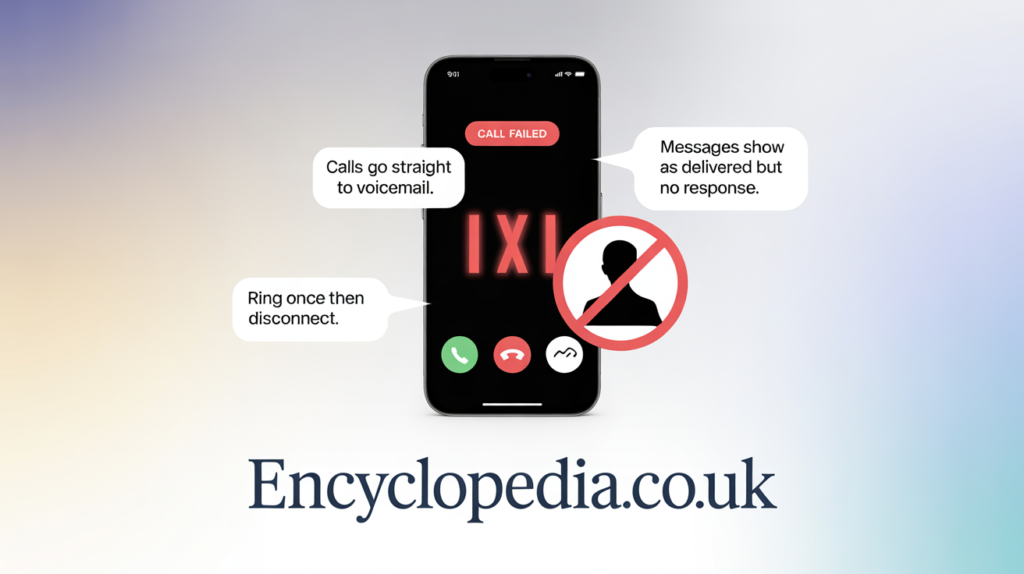
For calls, you won’t get a busy signal or an error message. Instead, the call will typically ring once (or not at all) and then divert to voicemail. On their end, the phone doesn’t ring at all. It’s as if you never called.
For text messages, things get trickier. Your messages will appear to send successfully from your end. You’ll see “Delivered” on some platforms, while others won’t show any delivery confirmation. But here’s the catch: the recipient never receives them.
The exact behavior varies slightly between iPhone and Android devices, but the core principle remains the same. Your attempts to communicate are silently redirected or blocked.
Sign #1: Your Calls Go Straight to Voicemail
This is often the first red flag people notice. You call someone, and instead of hearing multiple rings, it goes to voicemail after just one ring—or sometimes immediately.
Now, I want to be clear: this alone doesn’t confirm you’re blocked. Their phone could be dead, turned off, or in airplane mode. They might be in an area with no service.
But if this pattern continues over several days and multiple attempts at different times, it becomes more suspicious. Try calling at various hours. If it’s consistently one ring and voicemail every single time, that’s a strong indicator.
One thing I’ve learned from experience: if someone’s phone is truly off or dead, you’ll usually hear a message saying “The subscriber you are trying to reach is unavailable” or something similar. With blocking, you typically just get their personal voicemail greeting.
Sign #2: Your Text Messages Show No Delivery Confirmation
Text message behavior differs between platforms, which makes this sign a bit more complex to interpret.
On iPhone (iMessage):
- If you’ve been texting someone with blue iMessage bubbles and suddenly your messages turn green, something has changed
- Green bubbles mean your message is being sent as SMS instead of iMessage
- This could mean they blocked you, or they switched to Android, turned off iMessage, or have no internet connection
- If your green messages don’t show “Delivered” underneath them, and this continues for days, blocking becomes more likely
On Android (SMS/RCS):
- Standard SMS messages typically don’t show delivery confirmations anyway
- Some Android messaging apps show “Delivered” or “Read” receipts if both people have the feature enabled
- If these receipts suddenly stop appearing, it might indicate blocking
The key is looking for a sudden change in pattern. If someone who always had read receipts enabled suddenly shows no delivery status for days on end, that’s concerning.
Sign #3: The Pattern Is Too Consistent
Here’s where your detective skills matter. A phone that’s occasionally off or in a dead zone will show inconsistent patterns. But blocking creates a perfectly consistent pattern.
Ask yourself these questions:
- Have you called at different times of day without any change in behavior?
- Has it been more than 48 hours of this same pattern?
- Are other people able to reach them on social media or other platforms?
- Did this start suddenly after a conflict or uncomfortable conversation?
I’ve found that genuine technical issues or busy periods are usually inconsistent. Someone might not answer for a day, but then you’ll see them active on Instagram. Or their phone will ring normally once out of five attempts.
Blocking, however, is mercilessly consistent. Every call rings once. Every text shows the same (lack of) delivery status. There’s no variation.
Sign #4: You Can’t See Their Online Status or Updates
Many messaging platforms show when someone was last online or active. If you’re blocked, this information typically disappears.
WhatsApp:
- You won’t see their “last seen” timestamp
- You won’t see their status updates
- Your messages will only show one checkmark (sent) instead of two (delivered)
- Their profile picture might disappear
Facebook Messenger:
- You won’t see if they’re active now
- Messages might appear to send but won’t show as delivered
- You might not be able to call them through the app
Instagram:
- You might not be able to send them direct messages
- Their activity status will be hidden from you
Each platform handles blocking differently, but the common thread is reduced visibility. If you suddenly can’t see information you previously could access, that’s significant.
Sign #5: Social Media Behavior Tells a Different Story
This is where things get interesting. If someone has genuinely lost their phone or is dealing with technical issues, they’re usually radio silent everywhere.
But if you notice they’re actively posting stories, liking posts, or commenting on Instagram and Facebook while your calls go to voicemail—that’s a major clue. They clearly have a working device and internet connection.
Check their activity (without being obsessive about it):
- Are they posting or commenting as usual?
- Are they responding to other people in group chats you’re both in?
- Did they read or react to your Facebook message but ignore your texts?
This triangulation can reveal a lot. If they’re clearly available and active but completely unresponsive to your specific attempts to reach them, blocking becomes the most logical explanation.
How to Confirm Without Being Obvious
If you strongly suspect you’ve been blocked but want confirmation, there are a few discreet methods you can try.
The Hidden Number Test: Call from a different number with caller ID blocked (*67 before the number in the US). If they answer this call but yours still goes to voicemail, that’s pretty conclusive. However, use this sparingly—it can feel invasive if discovered.
The Friend Test: Ask a mutual friend to call them. If your friend’s call goes through normally while yours doesn’t, you have your answer. Just be prepared for awkwardness if your friend reports back that yes, the person is answering calls.
The Group Message Test: Send a group text that includes the person you think blocked you and one other person. If they respond in the group but not to your individual messages, they’re likely receiving your messages but choosing not to respond—which is different from blocking.
Alternative Platform Test: Try reaching out through a different platform like email or a social media app. If they respond there but nowhere else, they might have only blocked your phone number specifically.
iPhone vs. Android: The Differences Matter
The blocking experience isn’t identical across devices, so let’s break down the specifics.
When an iPhone User Blocks You:
- Calls ring once then go to voicemail
- iMessages turn from blue to green bubbles
- Messages don’t say “Delivered”
- FaceTime calls won’t connect and won’t ring
- You won’t get any notification that you’ve been blocked
When an Android User Blocks You:
- Calls may ring once or go straight to voicemail (varies by device)
- Text messages appear to send normally on your end
- They receive no notification of your attempts
- Some Android phones have more advanced blocking features that can send automatic responses
Cross-Platform (iPhone to Android or vice versa): Since these use standard SMS rather than platform-specific features, the signs are less clear. You’ll mainly notice the calls going straight to voicemail consistently.
What Blocking Doesn’t Tell You
It’s important to understand the limitations here. Even if all signs point to being blocked, you don’t know the full story.
People block numbers for many reasons:
- They need space after an argument and aren’t ready to talk
- They’re dealing with personal issues and cutting off multiple people temporarily
- They felt uncomfortable with the frequency of contact
- They’re ending the relationship but avoiding confrontation
- They made an impulsive decision they might reverse later
Being blocked doesn’t necessarily mean the relationship is permanently over or that you did something terrible. Sometimes people make reactionary decisions in moments of stress or anger.
When It’s Not Actually Blocking
Before you conclude you’re blocked, consider these alternative explanations:
Technical Issues:
- Phone is damaged or malfunctioning
- Service provider problems in their area
- They accidentally enabled Do Not Disturb for your contact specifically
- Software glitches after an update
Life Circumstances:
- Phone was lost or stolen
- They’re traveling internationally with limited service
- They’re in a location with poor reception
- Family emergency causing them to be unavailable
Intentional But Not Blocking:
- They muted your conversation notifications
- They’re taking a digital detox
- They archived your conversation and aren’t checking messages
Give it time before jumping to conclusions. If these patterns persist beyond a week with no explanation, blocking becomes more likely.
What to Do If You Think You’re Blocked
So you’re pretty sure someone blocked your number. What now?
Respect the Block: First and foremost, respect their boundary. If someone has gone to the effort of blocking you, they’re clearly communicating a need for distance. Trying to circumvent the block can feel harassing.
Give It Time: Sometimes people block in anger and unblock later once they’ve cooled down. Give them space. A few weeks or even a month might provide perspective for both of you.
Reach Out Once Elsewhere: If you need closure or feel there’s been a misunderstanding, consider one calm, respectful message on another platform. Keep it brief: “I noticed we haven’t been in touch. If I did something to upset you, I’d like to understand. If you need space, I’ll respect that.”
Reflect Honestly: Use this as an opportunity for self-reflection. Is there a pattern in your relationships? Could you have done something differently? This isn’t about blame, but growth.
Know When to Move On: Sometimes blocking is the clearest message someone can send that the relationship has run its course. As painful as it is, accepting this reality is healthier than obsessing over reconnection.
The Psychology Behind Blocking

Understanding why people block can provide some comfort. Research shows that digital communication has made it easier to avoid uncomfortable conversations.
A 2023 study found that 40% of adults have blocked someone they knew personally on their phone or social media. The reasons varied from ending toxic relationships to simply wanting a fresh start.
Blocking feels safer than confrontation for many people. It’s a clean break without the emotional labor of explaining themselves or dealing with pushback. While this might seem cowardly to those on the receiving end, for the blocker, it often feels like self-preservation.
Younger generations particularly view blocking as a normal part of managing their digital boundaries. It’s less about punishment and more about curation—deciding who gets access to them.
Moving Forward With Dignity
Being blocked stings. It’s rejection in a very modern, very final-feeling form. But how you respond says a lot about your character.
Avoid these temptations:
- Creating fake accounts to check on them
- Having friends spy on them for you
- Badmouthing them to mutual friends
- Repeatedly trying to contact them through other means
- Making dramatic public posts about being blocked
Instead, channel that energy into positive directions. Focus on relationships that are reciprocal. Invest in your own growth and interests. Sometimes people come back around, and sometimes they don’t—but either way, you’ll be better off for having moved forward with grace.
I’ve been on both sides of blocking, and I can tell you that time truly does heal. What feels devastating today becomes a distant memory tomorrow. The person who blocks you today might reach out apologetically six months from now, or you might realize in hindsight that the relationship ending was actually for the best.
Conclusion
Figuring out if someone blocked your number involves looking for multiple signs working together: consistent voicemail patterns, lack of message delivery, hidden online status, and the mismatch between their social media activity and their availability to you.
While no single sign confirms blocking definitively, a combination of these indicators usually tells the story. The one-ring voicemail, undelivered messages over several days, and their active presence elsewhere online create a picture that’s hard to ignore.
Remember that being blocked says more about the other person’s needs and communication style than it does about your worth. Handle the situation with maturity, respect their boundary, and focus your energy on connections that are healthy and mutual.
Have you ever suspected someone blocked your number? How did you handle it? Sometimes sharing our experiences helps us realize we’re not alone in these uncomfortable modern situations.
FAQs
Can you tell for certain if someone blocked your number? There’s no definitive notification system, but multiple signs together (one-ring voicemail, undelivered messages, and their activity elsewhere) create a strong indication. The most reliable test is having someone else call them to see if they answer.
What does it sound like when someone blocks your number? Typically, the call rings once and then goes to voicemail. Sometimes it goes directly to voicemail without ringing at all. You won’t hear a busy signal or rejection message—it simply diverts to their voicemail greeting.
Will text messages say delivered if I’m blocked? On iPhone, iMessages won’t show “Delivered” if you’re blocked, and they’ll often appear as green SMS messages instead of blue. On Android, texts may appear to send normally on your end, but the recipient never receives them.
Can someone see that I tried to call if they blocked me? No. When you’re blocked, your calls don’t appear in their call log or notifications. It’s as if you never attempted to contact them. They won’t see missed calls or voicemails from your number.
How long should I wait before assuming I’m blocked? Give it at least 48-72 hours with multiple contact attempts at different times. If the pattern remains perfectly consistent (always one ring, never delivered) after three days and they’re active elsewhere, blocking is likely.
Can I leave a voicemail if someone blocked my number? This varies by device and carrier. On some systems, you can leave a voicemail when blocked, but it goes to a separate folder they might never check. On others, you can’t leave a voicemail at all. Either way, they likely won’t receive or listen to it.
Does blocking work the same on all phones? No. iPhones and Android devices handle blocking slightly differently. iPhones give clearer signs (blue to green bubbles, no “Delivered”), while Android blocking can be less obvious since SMS messages don’t always show delivery confirmation anyway.
Is there a difference between being blocked and Do Not Disturb? Yes. Do Not Disturb silences notifications but doesn’t prevent calls and messages from coming through—they just don’t make noise. Blocking actively prevents your contact attempts from reaching the person at all. With Do Not Disturb, they’ll see your missed calls and messages later.
Should I confront someone who blocked me? Generally, no. Blocking is itself a clear message that they don’t want contact. Trying to circumvent it or demand an explanation often makes things worse. If you need closure, one calm message on another platform is acceptable, but respect their silence if they don’t respond.
Can someone temporarily block you and then unblock you later? Absolutely. Blocking and unblocking is instant and easy on smartphones. Some people block during arguments and unblock once they’ve calmed down. Others block during busy periods and unblock when they’re ready to reconnect. Don’t assume a block is permanent.
Also Read : Definition of