

Amazing Balloon Museum SF: Your Ultimate Guide 2026
Introduction
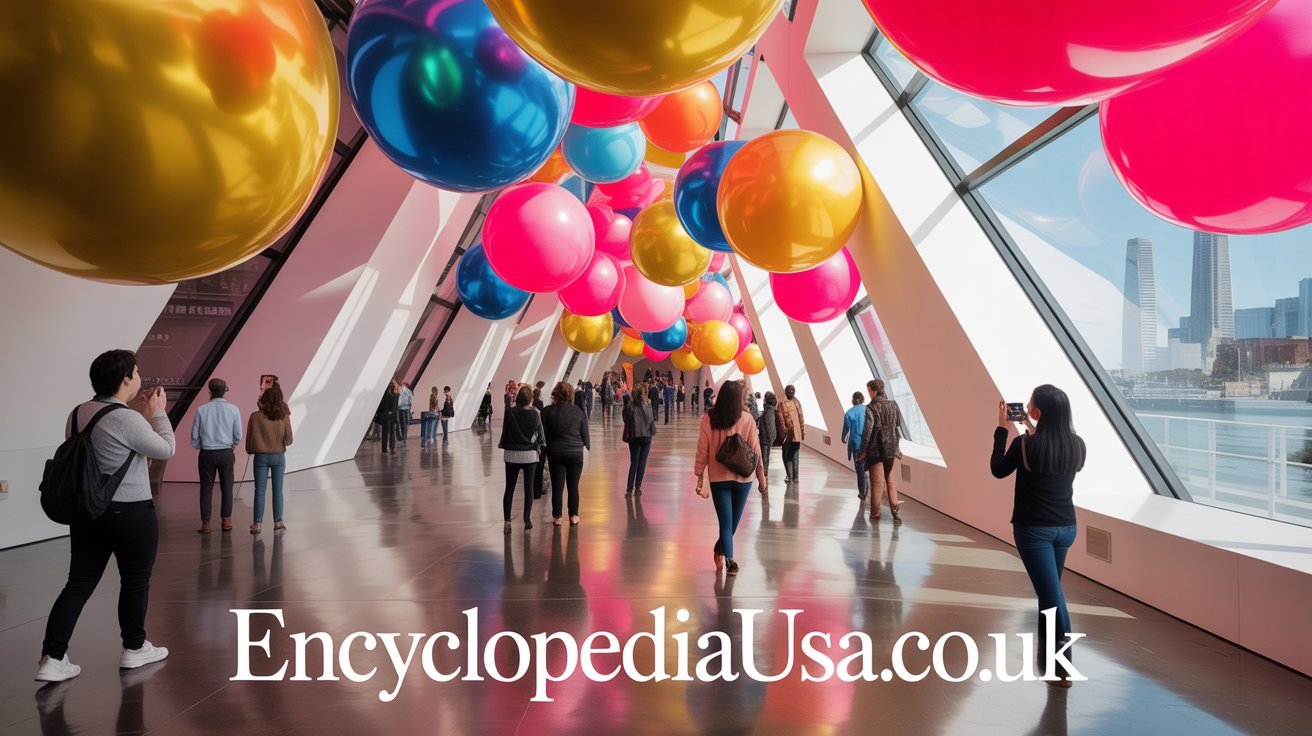
Picture yourself stepping into a world where enormous inflatable sculptures tower overhead, where every corner bursts with color, and where you’re not just observing art but becoming part of it. That’s exactly what awaits you at Balloon Museum SF, one of the most talked-about immersive experiences to hit San Francisco in recent years.
If you’ve been scrolling through Instagram and wondered where those incredible photos with giant balloon installations come from, you’ve found your answer. The Balloon Museum has taken cities by storm, and its San Francisco edition brings something truly special to the Bay Area. Whether you’re planning a fun date, looking for a unique family outing, or simply want to experience art in a completely new way, this pop-up museum delivers an unforgettable adventure.
In this guide, you’ll discover everything you need to know about visiting Balloon Museum SF. From what to expect inside to practical tips for getting the best photos, I’ve got you covered.
What Is Balloon Museum SF?
The Balloon Museum is not your traditional art museum. It’s an interactive, immersive art experience centered entirely around inflatable sculptures and balloon-based installations. Created by a collective of international artists, this traveling exhibition has captivated audiences in cities like Rome, Paris, London, and New York before landing in San Francisco.
At its core, the museum challenges what you think art can be. Instead of paintings behind glass or sculptures you can’t touch, you’ll find massive inflatable environments you can walk through, bounce on, and photograph from every angle. Each installation transforms simple materials like latex and air into breathtaking works that blur the line between art and play.
The San Francisco iteration typically features around 20 different installations spread across a large warehouse-style space. Artists from around the globe contribute unique pieces, each with its own style and message. Some installations comment on social issues, while others simply celebrate joy and wonder.
What makes Balloon Museum SF special is its emphasis on participation. You’re encouraged to interact with the art, lie down inside inflatable tunnels, and spend as much time as you want in each space. It’s designed to awaken your inner child while still offering sophisticated artistic merit.
Where and When Can You Visit?
Balloon Museum SF operates as a pop-up experience, which means it appears in different San Francisco locations for limited runs. Past exhibitions have taken place in SoMa (South of Market) neighborhood venues, taking advantage of the area’s spacious warehouse buildings.
The museum typically runs for several months before moving to its next city. This limited-time nature creates urgency and exclusivity. Once it leaves San Francisco, there’s no guarantee when or if it will return.
Operating hours usually accommodate both weekday and weekend visitors. Most days see the museum open from late morning through evening, with extended hours on weekends. The experience is timed-entry, meaning you’ll need to book a specific time slot when purchasing tickets.
San Francisco’s version often stays open for three to six months, depending on demand and venue availability. The best way to check current dates is through the official Balloon Museum website or their social media channels, where they post real-time updates about availability.
Because this is a pop-up experience, the exact location may change between runs. Always verify the address before heading out. Most locations are accessible via MUNI or BART, with nearby parking options for those driving.
What to Expect Inside
Walking into Balloon Museum SF feels like entering another dimension. The space typically opens with a dramatic introduction piece that sets the tone for what’s ahead. From there, you’ll move through a series of distinct installations, each occupying its own room or area.
The Installations
Each artwork tells a different story. Some installations feature enormous balloon sculptures suspended from the ceiling, creating canopies of color overhead. Others might include inflatable tunnels you can crawl through or bounce houses reimagined as art pieces. You’ll find installations that glow with internal lighting, creating ethereal atmospheres perfect for photography.
One popular type of installation involves ball pits, but not the kind from your childhood. These are artistic interpretations filled with perfectly coordinated colored balls, surrounded by inflatable structures that create stunning backdrops. Another common feature is mirror-lined rooms that multiply the balloon effects infinitely.
The tactile nature of the experience stands out. You’re not just looking at art; you’re touching it, moving through it, and sometimes even bouncing on it. This sensory engagement makes the museum particularly appealing to visitors of all ages.
The Journey Through
Most visitors spend between 60 and 90 minutes exploring the entire museum. However, there’s no strict time limit once you’re inside. You can linger in your favorite installations, return to spaces you loved, and take as many photos as your phone memory allows.
The flow typically guides you through installations in a suggested order, but you’re free to backtrack and revisit areas. This freedom lets you experience the museum at your own pace, whether you want to rush through for a quick visit or spend hours perfecting your Instagram shots.
Lighting plays a crucial role throughout. Many installations use colored lighting to enhance the balloon sculptures, creating mood and atmosphere. Some rooms pulse with changing colors, while others maintain steady, warm glows that make every photo look professionally lit.
Ticket Information and Pricing
Getting tickets to Balloon Museum SF requires some planning. The museum uses a timed-entry system that helps control crowd size and ensures everyone has space to enjoy the installations. Tickets typically go on sale several weeks before the opening date, and popular time slots can sell out quickly.
Pricing Structure
General admission prices usually range from $25 to $40 per person, depending on the day and time you choose. Weekend and evening slots typically cost more than weekday afternoon visits. Children under a certain age (often 2 or 3) usually enter free but may still need a ticket for entry counting purposes.
The museum often offers different ticket tiers. Standard tickets give you access during regular hours. Premium or VIP tickets might include benefits like earlier entry times, exclusive access to certain areas, or skip-the-line privileges. Group discounts are sometimes available for parties of 10 or more.
Student, senior, and military discounts may be offered. Always check the official website for current promotions or special pricing days. Some credit cards or membership programs also offer discounts or presale access.
How to Purchase
Tickets are primarily sold online through the museum’s official website. This is the safest way to ensure you’re getting legitimate tickets at official prices. Be cautious of third-party resellers who might inflate prices or sell fake tickets.
When booking, you’ll select your preferred date and time slot. The system shows real-time availability, so you can see which slots are filling up fast. After purchase, you’ll receive a confirmation email with a QR code. This code serves as your entry ticket, so save it to your phone or print it out.
If tickets sell out for your preferred date, check back regularly. The museum sometimes releases additional slots or has cancellations that open up spots. Following their social media accounts can alert you to last-minute availability.
Tips for the Best Visit
Making the most of your Balloon Museum SF experience involves some strategic planning. Here are insider tips that will enhance your visit and help you avoid common pitfalls.
Timing Your Visit
Weekday mornings typically offer the least crowded experience. If you want plenty of space for photos without strangers in the background, book an early time slot on a Tuesday or Wednesday. Weekend afternoons are the busiest times, with families and groups filling the space.
Arriving right at your scheduled time is important. Coming too early won’t help since entry is strictly controlled by time slot. Arriving late might cut into your experience time. Plan to arrive about 10 minutes before your slot to allow for check-in.
The first and last hours of each day are often less crowded. Early birds get fresh, pristine installations before hundreds of people have passed through. Late afternoon visitors might find fewer crowds as people head to dinner.
What to Wear
Comfort is key when visiting Balloon Museum SF. You’ll be walking, sometimes crawling, and possibly sitting or lying down in various installations. Wear comfortable shoes since you’ll be on your feet for at least an hour. Sneakers work better than heels or sandals.
Think about your outfit in terms of photos. Solid colors often photograph better against the colorful balloon backgrounds than busy patterns. White, black, or bright solid colors tend to pop in pictures. However, wear what makes you feel confident and comfortable.
Some installations involve climbing into or through structures. Avoid restrictive clothing that limits movement. Skirts or dresses might be impractical for certain interactive pieces. If you do wear a dress, consider shorts underneath.
Remove or secure dangling jewelry. Long necklaces or loose accessories could catch on installations. You don’t want to damage the art or lose a favorite piece of jewelry.
Photography Tips
Photography is not just allowed but encouraged at Balloon Museum SF. In fact, capturing and sharing photos is a big part of the experience. Here’s how to get the best shots.
Bring a phone or camera with plenty of battery and storage space. You’ll want to take far more photos than you initially expect. A portable charger is a smart backup.
Natural poses work better than stiff, formal ones. Interact with the installations. Reach up to touch hanging balloons, peek through openings, or sit inside structures. Movement and genuine reactions create the most engaging photos.
Take advantage of the lighting. Many installations are specifically lit to look amazing in photos. Experiment with different angles. Get low to the ground, shoot upward, or try symmetrical compositions in mirrored rooms.
Don’t forget to take videos. Slow pans across colorful installations or short clips of you interacting with the art make great social media content. Boomerangs and reels work particularly well in this environment.
If you’re visiting with friends or family, take turns being photographer. Everyone deserves to be in some of the photos. Don’t be shy about asking other visitors to snap a picture of your group either.
What to Bring
Keep your bag light and small. While lockers or coat check might be available, you’ll be more comfortable carrying less. A small crossbody bag or wrist strap for your phone works best.
Bring your phone and charger. Beyond photos, you’ll need your phone to display your ticket QR code. Some installations might have QR codes with additional information about the artists or artwork.
A credit card or some cash covers any gift shop purchases or locker fees. The museum typically has a retail area with balloon-themed merchandise, art books, and souvenirs.
Water is essential, especially if you’re visiting during warmer months. While photography is your main activity, all that walking and excitement can be dehydrating. Some venues allow you to bring a water bottle, while others have water fountains or sell drinks inside.
Family-Friendly Features
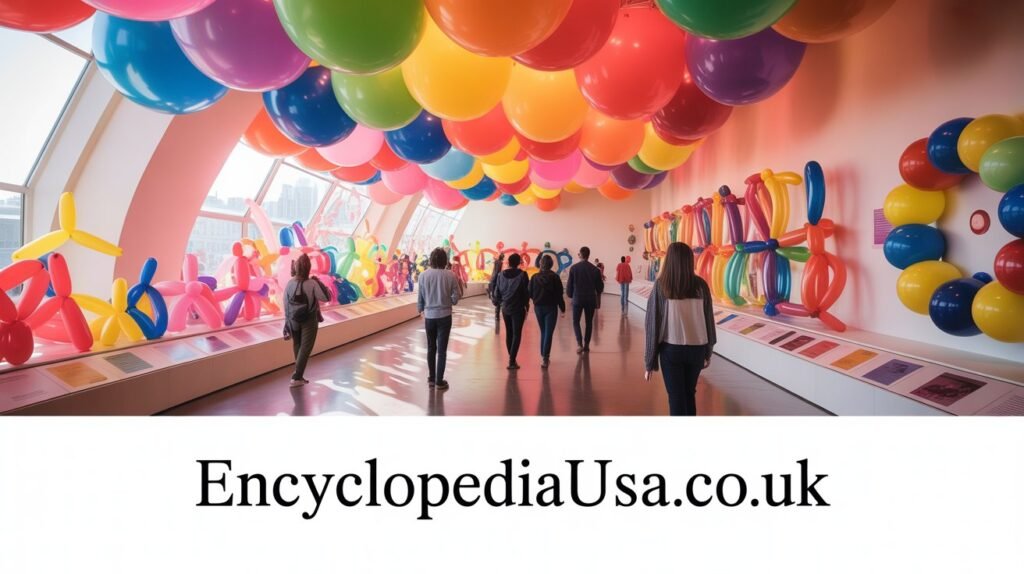
Balloon Museum SF welcomes visitors of all ages, making it an excellent family destination. The interactive nature of the exhibits naturally appeals to children who might get bored at traditional museums.
For Young Children
The museum’s playful environment feels designed with kids in mind. Bright colors, soft materials, and the ability to touch everything make it wonderfully engaging for little ones. Many parents report that their children talk about the experience for weeks afterward.
Strollers are usually allowed, though they might be cumbersome in some of the tighter installation spaces. Consider using a baby carrier if you have very young children. This gives you more mobility and keeps hands free for helping older kids.
The tactile experiences help children learn through play. Crawling through tunnels, touching different textures, and experiencing how air and structure create art forms provides educational value beyond just entertainment.
Be prepared for excitement. Kids often want to run from installation to installation. While enthusiasm is great, remind them to be gentle with the art and aware of other visitors.
For Teenagers
Teens love Balloon Museum SF, largely because of its Instagram-worthy nature. The opportunity to get unique photos for social media makes them willing and engaged participants. Unlike some family activities where teens reluctantly tag along, this is something they’ll genuinely enjoy.
The artistic merit isn’t lost on older children either. Teens with an interest in art, design, or photography will appreciate the creativity and technical skill behind each installation. Some pieces spark conversations about artistic expression and what constitutes art.
Give teens some independence if you’re comfortable. They might enjoy exploring at their own pace, taking their own photos, and meeting back up with you periodically. This freedom makes the experience feel less like a family obligation and more like a cool activity they chose.
Educational Value
Parents and teachers should know that Balloon Museum SF offers legitimate educational content. Each installation typically includes information about the artist, their inspiration, and the techniques used. This context turns a fun outing into a learning experience about contemporary art.
The museum demonstrates principles of engineering, physics, and design. How do structures stay inflated? What keeps massive sculptures suspended? These questions can lead to discussions about air pressure, materials, and construction.
Art education happens naturally here. Children learn that art isn’t just paintings and statues. They see how everyday materials can become extraordinary through creativity and vision. This broadened understanding of what art can be is valuable for young minds.
Accessibility and Special Needs
Balloon Museum SF strives to be accessible to all visitors. The warehouses and venues typically used have flat, even floors suitable for wheelchairs, walkers, and other mobility devices. Elevators provide access if the exhibition spans multiple levels.
That said, some installations may present challenges for visitors with mobility limitations. Certain pieces involve climbing, crawling, or moving through narrow passages. However, plenty of installations can be fully appreciated without any physical demands beyond walking and standing.
If you have specific accessibility needs, contact the museum before your visit. Staff can provide detailed information about which installations are fully accessible and which might present difficulties. They may offer accommodations or suggestions for making your visit more comfortable.
For visitors with sensory sensitivities, be aware that some installations feature bright, changing lights and enclosed spaces that might feel overwhelming. If you or someone in your group is sensitive to these elements, visiting during a quieter weekday slot might help. The museum staff can sometimes provide information about which areas might be particularly stimulating.
Service animals are typically welcome. Emotional support animals may have different policies, so verify before your visit if you plan to bring one.
The Gift Shop and Souvenirs
After exploring the installations, most visitors exit through a gift shop area. This retail space offers balloon-themed merchandise and art-related products. You’ll find items ranging from affordable stickers and postcards to higher-end art books and limited-edition prints.
Popular souvenirs include branded t-shirts, tote bags, and accessories featuring designs inspired by the installations. Small balloon kits let children recreate simple versions of what they saw. Art books document the museum’s journey through various cities and showcase the artists involved.
If you’re a collector or serious art enthusiast, look for limited-edition prints or signed merchandise. These items often sell out quickly and may not be available once the San Francisco run ends.
The gift shop provides a nice opportunity to extend the experience and take home a tangible memory. It also supports the artists and helps fund future exhibitions. That said, don’t feel obligated to purchase anything. The experience itself is the real souvenir.
Nearby Attractions and Making a Day of It
If you’re visiting Balloon Museum SF, you’re likely in or near SoMa, a neighborhood packed with attractions. Consider combining your museum visit with other nearby activities to make a full day of exploration.
The San Francisco Museum of Modern Art (SFMOMA) is often within walking distance, offering world-class collections if you want more art after the balloons. The Contemporary Jewish Museum and Yerba Buena Center for the Arts provide additional cultural options.
For food, SoMa has no shortage of excellent restaurants. From food halls like the Ferry Building Marketplace to trendy cafes and fine dining establishments, you’ll find options for any taste and budget. Making lunch or dinner reservations near your museum time slot is a smart plan.
Families might enjoy nearby Yerba Buena Gardens, a lovely urban park with playgrounds and open space for kids to run around. After the contained environment of the museum, some outdoor time can be refreshing, especially for young children.
Shopping enthusiasts can explore the Westfield San Francisco Centre or smaller boutiques scattered throughout the neighborhood. The area’s mix of retail, dining, and entertainment means you can easily fill an entire day.
What People Are Saying
Reviews of Balloon Museum SF consistently highlight several themes. Visitors rave about the Instagram-worthy photo opportunities, with many saying their photos got more likes and comments than anything they’d posted in months. The visual impact of the installations exceeds most people’s expectations.
Families appreciate how engaged their children become. Parents report that kids who usually can’t sit still in museums spent an hour or more fascinated by the balloon art. The interactive nature keeps attention in ways traditional museums cannot.
Some visitors mention that the experience feels shorter than expected. While 60 to 90 minutes is the average visit time, people enjoying themselves often wish there were more installations to explore. This speaks to the quality of the experience rather than a genuine complaint.
A few critical reviews note the price point feels high for what amounts to an hour’s entertainment. However, most acknowledge that the unique nature of the experience and the memories created justify the cost. Comparing it to other San Francisco attractions, the pricing is competitive.
Date couples consistently give positive feedback. The combination of playful atmosphere and beautiful settings creates a fun, low-pressure environment for romance. It’s become a popular date spot for both new couples and long-term partners looking for something different.
Sustainability and Artistic Impact
You might wonder about the environmental impact of an exhibition centered on balloons and inflatable materials. The Balloon Museum addresses these concerns through several initiatives. Many installations use reusable materials that travel from city to city rather than being created new for each location.
The museum partners with artists who prioritize sustainable practices when possible. Some pieces incorporate recycled materials or are designed for long-term reuse. After the exhibition moves on, installations are either transported to the next city, donated to institutions, or carefully recycled.
The broader artistic impact of Balloon Museum SF extends beyond environmental considerations. This exhibition has helped popularize immersive art experiences and demonstrated that contemporary art can be accessible and engaging for mass audiences. It’s part of a larger trend toward experiential rather than observational art.
For the artists involved, the museum provides international exposure and the opportunity to create on a grand scale. Many participating artists have seen their careers significantly boosted by involvement in this traveling exhibition.
Planning Your Visit Checklist
Before you head to Balloon Museum SF, run through this quick checklist to ensure you’re prepared:
Purchase tickets in advance for your preferred date and time. Save the confirmation email and QR code to your phone. Check the exact venue address and plan your transportation. Charge your phone fully and clear storage space for photos. Choose comfortable clothes and shoes suitable for moving around. Bring a small bag with essentials like water, phone charger, and credit card. Review the museum’s current rules about what’s allowed inside. Consider the time of day and crowd levels when booking. Plan for parking or public transportation logistics. Think about combining your visit with other nearby attractions.
Following this checklist eliminates last-minute stress and lets you focus on enjoying the experience once you arrive.
Conclusion
Balloon Museum SF offers something truly special in a city already packed with incredible experiences. It proves that art doesn’t have to be serious or untouchable to be meaningful. Through color, form, and playful interaction, this pop-up museum creates moments of pure joy and wonder.
Whether you’re a San Francisco local looking for a new weekend activity or a visitor wanting to see something beyond the typical tourist attractions, this experience delivers. The combination of artistic merit, interactive fun, and photographic opportunities appeals to such a wide range of interests that almost anyone will find value in visiting.
The temporary nature of the exhibition adds urgency. Once Balloon Museum SF closes, you’ll have to wait for it to potentially return or travel to another city to experience it. Don’t miss the chance to see what everyone’s been talking about on social media.
Have you already visited Balloon Museum SF, or are you planning to go? What installation are you most excited to see? Share your thoughts and experiences with others planning their visit.
FAQs
How long does it take to go through Balloon Museum SF? Most visitors spend 60 to 90 minutes exploring all the installations. However, there’s no strict time limit once you’re inside, so you can take longer if you want to photograph everything extensively or simply sit and enjoy particular installations. Plan for at least an hour to see everything comfortably.
Can I bring my camera or only use my phone? Professional cameras are generally allowed, though policies can vary by venue. Most visitors use their smartphones, which work perfectly well for capturing the installations. Avoid bringing large camera equipment that might be cumbersome in the space or accidentally damage delicate installations.
Is Balloon Museum SF suitable for toddlers? Yes, toddlers typically love the colorful, interactive environment. The soft materials and playful nature appeal to young children. However, watch them carefully around delicate installations and be prepared that they might want to touch everything. Some installations have age recommendations, so check signage as you explore.
Do tickets sell out quickly? Popular time slots, especially weekend afternoons and evenings, can sell out within days or weeks of going on sale. Weekday morning slots typically have better availability. Book as early as possible once tickets are released to secure your preferred time. Last-minute tickets sometimes become available due to cancellations.
Can I leave and come back the same day? Generally, no. Your ticket is valid for a single entry during your designated time slot. Once you exit, you cannot re-enter without purchasing another ticket. Plan to see everything you want in one visit before leaving the museum.
Are there any age restrictions? There are no strict age restrictions. Children of all ages are welcome, though those under 2 or 3 typically enter free. Some installations might have suggested age ranges for safety reasons. Adult supervision is required for all children under 18.
What happens if I’m late to my time slot? Arriving late may result in reduced time inside since closing time remains the same regardless of when you enter. Extreme lateness might result in denied entry. Always aim to arrive 10 minutes before your scheduled time to allow for check-in.
Is food or drink allowed inside? Most venues prohibit food and drinks inside the exhibition space to protect the installations. Water is sometimes permitted in sealed bottles. There may be designated areas outside the exhibition where you can eat before or after your visit. Check current policies when you arrive.
How often does Balloon Museum come to San Francisco? As a traveling pop-up exhibition, there’s no regular schedule for returns. The museum may come back to San Francisco after visiting other cities, but this isn’t guaranteed. Each city typically hosts the museum for several months before it moves on.
Are the installations the same in every city? While some signature installations travel to multiple cities, each location typically features some unique pieces created specifically for that venue or by local artists. The San Francisco edition often includes installations not seen in other cities, making each visit location distinct.
Also read encyclopediausa.co.uk