
Fiverr vs Upwork Which Platform Better for Freelancers
Introduction
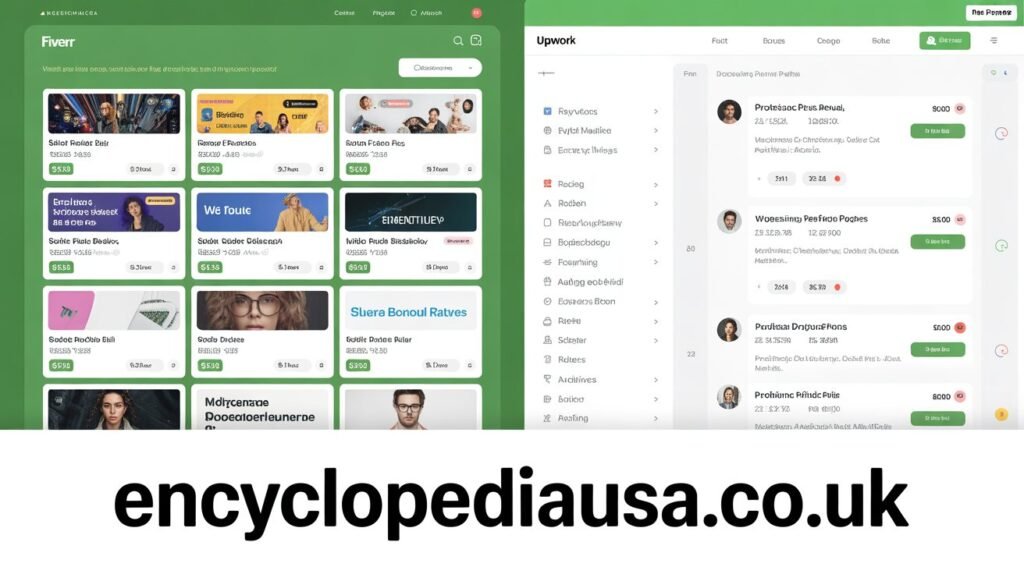
Fiverr vs Upwork Which Platform Better for Freelancers. Choosing between Fiverr and Upwork can feel overwhelming. You’re standing at a crossroads, wondering which platform will actually help you build a sustainable freelance career. Both promise opportunities, clients, and income, but they work in fundamentally different ways.
The debate about Fiverr vs Upwork Which Platform Better for Freelancers has no universal answer. What works brilliantly for one freelancer might frustrate another. Your experience level, service type, pricing strategy, and work style all influence which platform suits you best.
Here’s the truth. Fiverr operates like a service marketplace where you list what you offer. Upwork functions more like a job board where you bid on posted projects. This core difference affects everything from how you attract clients to how much you earn.
This comprehensive guide breaks down both platforms completely. You’ll discover how each one works, what fees they charge, which types of freelancers succeed on each, and the real advantages and disadvantages you need to know. By the end, you’ll know exactly which platform matches your freelancing goals. Let’s dive into the details that will shape your freelance career.
Understanding How Fiverr Works
Fiverr revolutionized freelancing by flipping the traditional model. Instead of chasing clients, you create service listings called gigs. Clients browse these gigs and purchase the services they need.
The Gig Based System
You build your Fiverr presence by creating gigs that showcase your skills. Each gig represents a specific service you offer. For example, you might create separate gigs for logo design, business card design, and social media graphics. Each gig includes a description, pricing tiers, delivery time, and samples of your work.
This system puts you in control. You set your prices, define your scope, and establish your terms. Clients who find your gig attractive simply place an order. There’s no bidding, no negotiating in most cases, and no writing lengthy proposals.
The gig structure works exceptionally well for standardized services. Tasks that follow predictable patterns fit perfectly into Fiverr’s model. Writing product descriptions, editing videos, designing thumbnails, and voiceover work all translate beautifully into gigs.
Fiverr’s Pricing Structure
Fiverr encourages package pricing with three tiers: Basic, Standard, and Premium. This approach lets you offer different service levels at different price points. A basic package might include essential deliverables, while premium packages include extras like faster delivery or additional revisions.
The platform takes a twenty percent commission on every transaction. If you earn one hundred dollars, Fiverr keeps twenty dollars and you receive eighty dollars. This fee is higher than many competitors, but Fiverr argues they provide the traffic and infrastructure that justify the cost.
Minimum pricing starts at five dollars, though most successful freelancers charge significantly more. The platform also offers gig extras, allowing clients to add rush delivery, additional revisions, or bonus features for extra fees.
Building Visibility on Fiverr
Success on Fiverr requires strategic gig optimization. The platform uses an algorithm to determine which gigs appear in search results. Factors include your response time, order completion rate, customer reviews, and gig performance metrics.
New sellers face challenges gaining initial visibility. Without reviews or order history, your gigs might appear buried in search results. Many freelancers offer introductory pricing or exceptional service to earn those crucial first reviews.
Fiverr Pro represents the platform’s premium tier for verified, experienced professionals. Pro sellers typically charge higher rates and receive enhanced visibility. However, gaining Pro status requires application and approval, making it inaccessible for beginners.
Understanding How Upwork Functions
Upwork takes a different approach. The platform operates as a bridge connecting freelancers with clients who post specific job requirements. You actively pursue opportunities by submitting proposals.
The Proposal System
Clients post jobs describing their needs, budget, timeline, and requirements. You browse these postings and submit proposals for projects that match your skills. Each proposal explains why you’re the right fit, how you’ll approach the project, and what you’ll charge.
Upwork provides a limited number of free connects monthly. Connects are tokens you spend to submit proposals. Each proposal typically costs between one and six connects depending on the job’s value. Once you exhaust free connects, you must purchase more.
This system requires more active effort than Fiverr. You’re essentially applying for jobs, which means writing customized proposals, showcasing relevant experience, and differentiating yourself from other applicants. Strong proposals significantly increase your chances of landing work.
Upwork’s Fee Structure
Upwork uses a sliding fee scale based on your lifetime billings with each client. For the first five hundred dollars you earn from a client, Upwork charges twenty percent. Once you’ve billed between five hundred and ten thousand dollars to that client, the fee drops to ten percent. Billings beyond ten thousand dollars incur only a five percent fee.
This structure rewards long term client relationships. If you find great clients and work with them repeatedly, your effective fee rate decreases substantially. However, constantly finding new clients means consistently paying the highest twenty percent rate.
Upwork also offers different membership tiers. Basic membership is free with limited features. Freelancer Plus costs fourteen dollars ninety nine cents monthly and provides more connects, proposal boosts, and additional tools. There’s no obligation to upgrade, but some freelancers find the premium features worthwhile.
Finding Success on Upwork
Your Upwork profile serves as your professional portfolio and resume combined. A complete profile includes a compelling overview, detailed work history, portfolio samples, skills list, and employment history. Client reviews and job success scores heavily influence whether clients choose you.
The Job Success Score represents one of Upwork’s most important metrics. It’s calculated based on client feedback, project completion rates, and relationship longevity. High scores increase your visibility and credibility. Scores below seventy percent can result in reduced opportunities or account warnings.
Building momentum on Upwork often requires patience. Early projects might pay less than you’d prefer, but they build your reputation and reviews. As your profile strengthens, you can gradually increase rates and become more selective about projects.
Comparing Fees and Earnings Potential
Money matters. Understanding each platform’s fee structure and typical earning potential helps you make informed decisions.
Direct Fee Comparison
Fiverr’s flat twenty percent commission is straightforward but expensive. Every dollar you earn costs you twenty cents in fees. There’s no way to reduce this percentage, regardless of how much you earn or how long you’ve been on the platform.
Upwork’s tiered system potentially saves you money long term. Yes, you initially pay twenty percent like Fiverr. But establishing ongoing relationships with clients drops fees to ten percent and eventually five percent. This structure significantly benefits freelancers who secure retainer clients or long term contracts.
Both platforms charge additional payment processing fees. These usually amount to one to three percent depending on your withdrawal method. PayPal withdrawals, bank transfers, and other payment options each carry different fee structures.
Pricing Flexibility
Fiverr’s package system can feel restrictive. You define prices upfront, and clients purchase preset packages. While you can offer custom offers for specific client requests, the standard model limits negotiation flexibility.
Upwork allows complete pricing freedom. You can charge hourly rates or fixed prices. You can negotiate rates with clients. You can adjust pricing project by project based on complexity and requirements. This flexibility helps you maximize earnings on high value projects.
However, flexibility brings challenges too. Setting rates too high might price you out of opportunities. Setting them too low undervalues your work and attracts problem clients. Finding the sweet spot requires market research and experience.
Volume Versus Value
Fiverr tends to favor volume based strategies. Many successful Fiverr sellers complete numerous smaller projects. Quick turnaround services like graphic design templates, short writing assignments, and simple edits work well in this model.
Upwork better accommodates high value projects. Complex web development, comprehensive marketing campaigns, extensive writing projects, and specialized consulting naturally fit Upwork’s proposal system. These projects often pay thousands of dollars, making the twenty percent initial fee more palatable.
Your earning potential depends partly on which model matches your service type and working style. High volume, quick turnaround freelancers might earn more on Fiverr despite higher fees. Specialists commanding premium rates for complex work might prefer Upwork’s structure.
Types of Services That Thrive on Each Platform
Certain service categories naturally align better with each platform’s structure and client expectations.
Fiverr’s Sweet Spot Services
Creative services dominate Fiverr. Logo design, graphic design, illustration, and animation represent huge categories. The visual nature of these services translates well into portfolio based gigs. Clients can easily evaluate your style before purchasing.
Digital marketing services also flourish on Fiverr. Social media management, SEO services, content writing, and video editing attract consistent demand. These services often follow repeatable processes, fitting nicely into Fiverr’s package structure.
Quick turnaround services find enthusiastic audiences. Voiceovers, proofreading, data entry, transcription, and similar tasks with clear deliverables and fast completion times match client expectations on Fiverr. Buyers often need these services quickly and appreciate Fiverr’s streamlined ordering process.
Upwork’s Ideal Services
Complex technical services thrive on Upwork. Web development, software engineering, database management, and systems administration require detailed scoping conversations. Upwork’s proposal system facilitates these discussions better than Fiverr’s preset packages.
Strategic consulting and business services find better homes on Upwork. Marketing strategy, business planning, financial consulting, and similar knowledge work resist standardization. Clients hiring for these services expect customized approaches, which Upwork’s flexible structure accommodates.
Long term and ongoing projects naturally fit Upwork’s model. Virtual assistant services, content management, community management, and sustained technical support benefit from Upwork’s relationship focused structure and decreasing fee schedule.
Services That Work on Both
Writing and content creation succeed on both platforms but in different ways. On Fiverr, you might sell article packages with fixed word counts. On Upwork, you might propose comprehensive content strategies or ghostwriting projects with flexible scopes.
Video services span both platforms too. Fiverr works well for video editing, animation, and production with clear deliverables. Upwork suits video marketing campaigns, YouTube channel management, and ongoing video content creation.
The key is understanding how to position your services appropriately for each platform’s audience and expectations. The same core skill can be packaged differently to succeed in different marketplaces. Encyclopedia
Client Quality and Project Types
The types of clients you encounter and projects available differ significantly between platforms.
Fiverr’s Client Landscape
Fiverr attracts many first time buyers and small business owners. These clients often operate on tight budgets and appreciate Fiverr’s transparent, fixed pricing. They want quick solutions to specific problems without lengthy hiring processes.
You’ll encounter more one off projects on Fiverr. Clients need a logo, a website page, an article, or a video edit. They purchase it, you deliver it, and the relationship ends. While repeat customers exist, they’re less common than on Upwork.
Budget conscious clients gravitate toward Fiverr. The platform’s reputation for affordable services attracts people seeking deals. This can mean more price shopping and tougher negotiations. However, it also means consistent volume if you price competitively.
Some Fiverr clients have unrealistic expectations. The platform’s low price point history means some buyers expect premium work at budget prices. Managing expectations and clearly communicating what your packages include becomes crucial.
Upwork’s Client Profile
Upwork tends to attract more established businesses and serious buyers. Companies hiring through Upwork often have budgets allocated and understand professional service value. They’re looking for skilled freelancers, not just cheap labor.
Long term relationships develop more frequently on Upwork. Clients find freelancers they trust and continue working together across multiple projects. These ongoing relationships provide income stability and reduce time spent finding new work.
You’ll encounter more complex, meaningful projects. Clients posting on Upwork often need substantial work done. They’re building entire websites, launching marketing campaigns, developing software, or executing major business initiatives.
However, Upwork also has tire kickers and low budget posters. Learning to identify serious clients versus time wasters becomes an essential skill. Well written job posts, reasonable budgets, and verified payment methods signal legitimate opportunities.
Competition Levels
Both platforms host millions of freelancers, but competition manifests differently. On Fiverr, you compete primarily through gig visibility, pricing, and reviews. Standing out requires excellent gig optimization and stellar customer service that generates five star reviews.
Upwork competition happens at the proposal level. Dozens or even hundreds of freelancers might apply for attractive jobs. Your proposal quality, profile strength, and relevant experience determine whether clients notice you among the crowd.
Fiverr’s algorithm can feel arbitrary. Two similar gigs might receive vastly different visibility based on factors you can’t fully control. Success requires consistency, optimization, and sometimes luck.
Upwork’s proposal system gives you more direct control. A compelling, personalized proposal can win jobs even against more experienced competitors. However, writing quality proposals takes time and effort that doesn’t directly generate income.
Getting Started: Ease of Entry
How difficult is it to actually begin freelancing on each platform? The barriers to entry differ substantially.
Setting Up on Fiverr
Creating a Fiverr account takes minutes. You provide basic information, verify your email, and you’re ready to create gigs. The platform guides you through gig creation with prompts for titles, descriptions, pricing, and images.
Fiverr’s approval process is relatively lenient. As long as your gigs don’t violate policies regarding prohibited services or copyrighted content, they typically get approved quickly. You can have active gigs listed within hours of creating your account.
However, gaining visibility as a new seller presents challenges. Without reviews or sales history, your gigs start buried in search results. You’ll need to be patient and possibly offer competitive introductory pricing to attract those crucial first customers.
The learning curve for Fiverr is gentle. The interface is intuitive, and creating gigs doesn’t require extensive technical knowledge. Even complete beginners can navigate the platform successfully with minimal guidance.
Starting on Upwork
Upwork’s entry process is more rigorous. After creating an account, you must complete a detailed profile including work history, skills, portfolio samples, and a professional overview. The platform reviews your application before activating your account.
Approval isn’t guaranteed. Upwork rejects applications that seem incomplete, unprofessional, or duplicate existing accounts. They’re selective because they want to maintain platform quality and freelancer standards. Rejections can feel discouraging, but they ensure a more professional freelancer pool.
Once approved, you face additional learning curves. Understanding how to browse jobs, write effective proposals, set appropriate rates, and use connects efficiently takes time. The platform offers tutorials, but there’s genuinely more to learn than on Fiverr.
New Upwork freelancers often struggle to land initial projects. Without reviews or a Job Success Score, you lack credibility. Many experienced freelancers recommend bidding on smaller projects initially to build your reputation, even if rates aren’t ideal.
Identity Verification and Trust
Both platforms require identity verification to build trust and prevent fraud. You’ll need to provide government identification and possibly undergo video verification. These processes protect both freelancers and clients.
Fiverr’s verification is straightforward and usually quick. Upwork’s process can be more involved, sometimes requiring additional documentation or clarification. The extra scrutiny contributes to Upwork’s more professional atmosphere.
Payment Terms and Security
Getting paid reliably and securely matters tremendously. Both platforms handle transactions, but their payment structures differ.
How Fiverr Handles Payments
When a client orders your gig, payment is processed immediately through Fiverr. The funds are held in escrow while you complete the work. After delivery, clients have a limited review period. Once they approve or the review period expires, funds become available to you.
Fiverr’s clearance period is fourteen days after order completion. During this time, funds sit in your Fiverr account but can’t be withdrawn. This protects clients in case issues arise. After fourteen days, you can withdraw your earnings.
Withdrawal options include PayPal, bank transfer, and Fiverr Revenue Card. Each method has different processing times and fees. PayPal is usually fastest but charges a small percentage. Direct bank transfers take longer but often have lower fees.
The fourteen day holding period frustrates some freelancers who need immediate cash flow. However, it provides security and reduces payment disputes, ultimately protecting your earnings.
Upwork’s Payment System
Upwork offers two primary payment methods: hourly and fixed price. Hourly contracts use Upwork’s time tracker software, which logs your work time and takes screenshots. Clients are billed weekly for approved hours.
Fixed price contracts release payments based on milestones. You and the client agree on project phases, and payment releases as each milestone completes. This structure protects both parties and ensures you get paid for completed work.
Upwork’s payment protection guarantees payment for hourly work logged through their software. If a client disputes hours, Upwork investigates using work diary evidence. This system provides security that freelancers working outside platforms don’t have.
Withdrawal timing is faster than Fiverr. Once earnings are available, you can usually withdraw within one to three business days depending on your payment method. Options include direct deposit, PayPal, wire transfer, and other regional methods.
Dispute Resolution
Both platforms offer dispute resolution processes. On Fiverr, if a client claims you didn’t deliver as promised, you can provide evidence and argue your case. Fiverr’s customer service reviews disputes and makes final decisions.
Upwork’s dispute process is more formal, especially for protected hourly work. The work diary provides objective evidence of work performed. For fixed price disputes, contract terms and delivered work are evaluated.
Neither platform’s dispute process is perfect. Some freelancers feel platforms favor clients unfairly. However, having any structured dispute process beats dealing with payment issues independently.
Building Your Reputation and Long Term Success
Success on either platform requires more than just signing up and listing services. Building a strong reputation takes strategy and effort.
The Review System Impact
Reviews are currency on both platforms. Five star ratings and positive feedback dramatically improve your visibility and credibility. Future clients rely heavily on previous customer experiences when choosing freelancers.
On Fiverr, your overall rating, number of reviews, and individual gig ratings all matter. A single bad review can significantly hurt a new seller with limited feedback. As you accumulate more reviews, individual ratings have less dramatic impact.
Upwork’s Job Success Score synthesizes multiple factors including client feedback, contract completion, and repeat hire rates. This score appears prominently on your profile and heavily influences client decisions. Maintaining above ninety percent is essential for consistent opportunities.
Both platforms allow clients to leave private feedback that affects your stats without public visibility. This means your visible reviews might look great while hidden feedback lowers your rankings. Consistently excellent service helps ensure all feedback, public and private, stays positive.
Communication Skills Matter Enormously
Clear, professional communication separates successful freelancers from struggling ones. On Fiverr, this means responding quickly to inquiries, setting accurate expectations, and keeping clients updated about progress.
Upwork proposal writing represents a specialized communication skill. Effective proposals demonstrate understanding of client needs, showcase relevant experience, and convey professionalism. Generic, template based proposals rarely succeed.
During projects, communication becomes even more critical. Regular updates, asking clarifying questions, and managing expectations prevent misunderstandings. Many disputes arise from simple communication failures rather than actual work quality issues.
Both platforms track response times. Quick responses improve your algorithmic rankings and make clients feel valued. Even if you can’t immediately address a question, acknowledging receipt and promising a detailed response later works wonders.
Specialization Versus Generalization
Should you offer everything you’re capable of or specialize narrowly? The answer differs slightly between platforms.
On Fiverr, specialization often works better. Creating highly focused gigs targeting specific niches helps you stand out. A gig offering “Instagram carousel designs for health coaches” will likely outperform one offering “general graphic design.”
Upwork accommodates more generalization because each proposal can be customized. Your profile might list broad capabilities while individual proposals emphasize relevant experience for specific jobs. You can be a full stack developer who emphasizes front end experience for one proposal and backend skills for another.
That said, having a clear positioning helps on both platforms. Clients prefer specialists who deeply understand their specific needs over generalists who do a little bit of everything.
Platform Limitations and Frustrations
No platform is perfect. Understanding common frustrations helps you decide which annoyances you can tolerate.
Fiverr’s Pain Points
The twenty percent fee frustrates many sellers, especially as earnings grow. Watching one fifth of your hard earned money go to platform fees never feels great. Unlike Upwork, this percentage never decreases regardless of your success.
Algorithm changes can devastate your business overnight. Freelancers report waking up to find their previously successful gigs buried in search results after Fiverr updates its algorithm. Building a business dependent on factors you can’t control creates anxiety.
Customer service experiences vary wildly. Some freelancers report helpful, responsive support. Others describe frustrating interactions where support seemed to automatically favor buyers. The inconsistency makes problem resolution unpredictable.
Account suspensions happen with alarming frequency sometimes. Violating terms of service, even unintentionally, can result in immediate account closure. With your entire business potentially tied to one platform, this represents existential risk.
Upwork’s Challenges
The connect system frustrates many freelancers. Spending connects on proposals that go nowhere feels like wasting money. When you’re starting out and connects are limited, this creates significant pressure.
Competition can feel overwhelming. Popular job posts might receive fifty to one hundred proposals within hours. Standing out in that crowd requires exceptional proposal writing and often lower pricing than you’d prefer.
Some clients ghost after you invest time in detailed proposals or even interviews. They might never hire anyone or choose someone else without communication. This wasted effort is inherent to Upwork’s model.
The Job Success Score system sometimes feels opaque and unfair. Private feedback you never see can tank your score. Understanding exactly why your score dropped or how to improve it isn’t always clear.
Platform Dependency Risk
Both platforms create concerning dependency. Building your entire freelance business on someone else’s platform means they control your livelihood. Policy changes, algorithm updates, or account issues can destroy your income overnight.
Successful freelancers often use these platforms as starting points while building direct client relationships. Transitioning clients off platform violates terms of service, but developing your own marketing channels and client base reduces platform dependency over time.
The smartest approach treats Fiverr or Upwork as one income stream among several, not your only source of work. This diversification protects you from platform specific risks. Encyclopedia
Which Platform Fits Your Profile
After understanding both platforms thoroughly, how do you choose? Your specific situation should guide the decision.
Choose Fiverr If You
You offer services that fit package based pricing. Standardized deliverables with clear scopes work beautifully on Fiverr. If you can define exactly what clients receive for specific price points, Fiverr’s model suits you.
You prefer passive client acquisition. Creating gigs and waiting for orders requires less daily effort than constantly writing Upwork proposals. If you’d rather focus on delivery than marketing yourself repeatedly, Fiverr’s structure appeals more.
You’re comfortable with volume based strategies. Completing many smaller projects rather than fewer large ones matches your working style. Quick turnarounds and efficient systems let you profit despite higher platform fees.
You’re just starting freelancing. Fiverr’s lower barrier to entry and simpler setup process help beginners launch faster. While building visibility takes time, actually getting started is easier.
Choose Upwork If You
You offer complex, customized services. Work requiring detailed scoping conversations, custom approaches, or strategic planning fits Upwork better. If no two projects are identical, Upwork’s flexibility accommodates this reality.
You want to build long term client relationships. The decreasing fee structure rewards ongoing partnerships. If you prefer working with fewer clients more deeply, Upwork facilitates this approach.
You can write compelling proposals. Confidence in your communication skills and willingness to invest time in proposal writing positions you for Upwork success. This platform rewards articulate freelancers who can sell themselves effectively.
You’re targeting higher budget clients. Upwork generally attracts clients with larger project budgets and more professional expectations. If you’re positioned as a premium service provider, Upwork’s client base might align better.
Consider Using Both
Many successful freelancers maintain presences on multiple platforms. This approach diversifies your client sources and income streams. You can position different services on different platforms or use one as your primary source while the other provides supplemental income.
Using both requires more management effort. You’re maintaining multiple profiles, responding to inquiries from different sources, and juggling different platform rules and systems. However, the diversification benefits often outweigh the complexity.
Starting with one platform, mastering it, then expanding to others represents a smart progression. Trying to build momentum on multiple platforms simultaneously can spread your efforts too thin.
Making Your Final Decision
Choosing between Fiverr vs Upwork which is better for freelancers comes down to honest self assessment. What are your strengths? What services do you offer? How do you prefer to work? What are your financial goals?
Neither platform is objectively better. They’re simply different tools suited for different purposes. A hammer isn’t better than a screwdriver; they’re appropriate for different tasks. Similarly, Fiverr and Upwork serve different freelancing approaches.
Consider testing both platforms with modest effort. Create a basic presence on each, complete a few projects, and see which feels more natural. Real experience beats theoretical analysis when making this decision.
Remember that platform choice isn’t permanent. You can shift focus between platforms as your business evolves. What works when you’re starting might not work after gaining experience and building reputation.
Your success ultimately depends more on the quality of your work, professionalism, and business acumen than which platform you choose. Excellent freelancers succeed on Fiverr, Upwork, and numerous other platforms. Choose the one that aligns with your approach, then execute brilliantly.
Conclusion
The Fiverr vs Upwork debate has no universal winner. Fiverr excels for freelancers offering package based services who prefer passive client acquisition and volume oriented strategies. Upwork shines for those providing customized, complex services who want to build lasting client relationships and don’t mind proposal writing.
Your ideal platform depends on your specific services, working style, experience level, and business goals. Understanding each platform’s strengths, limitations, fee structures, and client types empowers you to make informed decisions aligned with your freelancing vision.
Whichever platform you choose, success requires dedication, professional excellence, and strategic positioning. The platform provides opportunities, but you must deliver exceptional work, communicate effectively, and build sterling reputations to truly thrive.
Perhaps the wisest approach involves starting with the platform that feels most aligned with your current situation, mastering it thoroughly, then potentially expanding to others as your business grows. Diversification across multiple platforms provides stability and reduces dependence on any single company’s policies.
The freelance economy continues evolving. New platforms emerge while existing ones adapt. Staying informed about your options and remaining flexible positions you for long term success regardless of how individual platforms change. What platform will you try first on your freelancing journey?
Frequently Asked Questions
Can I use both Fiverr and Upwork simultaneously?
Yes, absolutely. Many successful freelancers maintain active profiles on both platforms. There are no exclusivity requirements preventing you from using multiple freelancing marketplaces. However, managing presences on both platforms requires time and effort. You’ll need to keep both profiles updated, respond to inquiries from multiple sources, and potentially deliver work from different clients simultaneously. Starting with one platform and adding the second after establishing momentum often works better than launching on both simultaneously.
Which platform pays more on average?
Average earnings vary tremendously based on your skills, experience, and service category. Generally, Upwork tends to have higher average project values because it attracts more complex, substantial projects. However, high volume Fiverr sellers completing many smaller projects can earn comparable or even higher total income. Your earning potential depends more on your positioning, quality, and efficiency than which platform you choose. Both platforms host freelancers earning six figure incomes and others struggling to make minimum wage.
How long does it take to start earning on each platform?
Timelines vary significantly. On Fiverr, some sellers receive their first order within days, while others wait weeks or months. Optimizing your gigs, pricing competitively initially, and actively promoting your services can accelerate this process. On Upwork, landing your first project typically takes longer because you must write proposals and compete with established freelancers. Expect to spend one to four weeks submitting proposals before securing initial work. Both platforms reward patience and persistence during the critical early phase.
Are there any free alternatives to Fiverr and Upwork?
While Fiverr and Upwork are among the largest platforms, alternatives exist. Freelancer, Guru, PeoplePerHour, and Toptal represent other options, each with different fee structures and approaches. Some platforms charge lower fees but provide less traffic and opportunity. Others target specific niches or experience levels. However, no major platform operates completely free; they all generate revenue through fees, subscriptions, or other charges. The value question isn’t whether fees exist but whether the platform provides enough opportunities to justify its costs.
Can beginners with no experience succeed on these platforms?
Yes, but success requires realistic expectations and strategic approaches. Both platforms host beginners who built successful freelancing careers from zero experience. However, you’ll face challenges including intense competition, difficulty establishing credibility without reviews, and potentially needing to accept lower rates initially. Building portfolio samples, even through free or discounted work outside the platform, helps tremendously. Starting with simpler services where competition is less intense and gradually expanding to more complex, higher paying work represents a common successful path.
Do I need to pay taxes on income earned through Fiverr or Upwork?
Yes, income earned through freelancing platforms is taxable in most countries. Both Fiverr and Upwork report earnings to tax authorities when you exceed certain thresholds. You’re responsible for tracking income, expenses, and paying appropriate taxes according to your local laws. Many freelancers work with accountants or use accounting software to manage tax obligations properly. Failing to report freelancing income can result in penalties, interest, and legal problems. Treating your freelancing professionally from the start includes proper tax handling.
What happens if a client doesn’t pay or disputes my work?
Both platforms offer payment protection systems, though they work differently. On Fiverr, payment is held in escrow from the moment a client orders. If disputes arise, Fiverr’s customer service investigates and makes determinations. On Upwork, hourly work tracked through their software receives payment protection. Fixed price work releases based on milestone approvals. Both platforms sometimes favor clients in disputes, which frustrates freelancers. Maintaining clear communication, documenting everything, and delivering exactly what’s promised minimizes dispute risks.
How do I handle difficult or unreasonable clients?
Difficult clients appear on every platform. Professional, calm communication often resolves issues. Clearly referencing original project requirements and agreements helps establish boundaries. If clients become abusive or make impossible demands, both platforms allow you to contact support for intervention. On Fiverr, you can cancel orders in certain circumstances, though this impacts your completion rate. On Upwork, you can end contracts, though this might affect your Job Success Score. Learning to identify red flags during initial conversations helps you avoid problematic clients before starting work.
Should I offer lower prices when starting to build reviews?
This strategy has both advantages and disadvantages. Lower introductory pricing can help you secure those crucial first clients and reviews faster. Once you’ve established credibility, you can gradually increase rates. However, extremely low pricing attracts budget focused clients who might be more demanding or less appreciative. Some freelancers prefer maintaining professional rates from the start, accepting that building momentum takes longer. The right approach depends on your financial situation, patience level, and confidence in your ability to deliver value that justifies higher prices.
Can I move clients from Fiverr or Upwork to direct relationships?
Both platforms prohibit sharing contact information or conducting transactions outside their systems. This protects their business model and ensures they earn fees on work they facilitated. Violating these terms can result in account suspension or permanent bans. However, clients who find you through these platforms sometimes seek you out independently through web searches or social media. Once a legitimate external connection forms without you soliciting it, working together directly doesn’t violate platform rules. Building your own marketing presence helps clients find you independently.
Also Read: How Does Freelancers Getting Work in USA
Author Bio: John Harwen
A seasoned freelance writer and digital entrepreneur with over seven years of experience working across multiple freelancing platforms. Having built successful profiles on both Fiverr and Upwork, the author brings firsthand insights into the realities of platform based freelancing. Passionate about helping others navigate the gig economy successfully, the author combines practical experience with research backed advice to guide freelancers toward informed platform choices and sustainable careers.