
Master the High Taper Fade: Your Ultimate Style Guide 2026
Introduction
You’ve seen it on athletes, actors, and that guy at the coffee shop who always looks put together. The high taper fade has taken over barbershops worldwide, and for good reason. It’s clean, versatile, and works with practically any hair type or face shape.
If you’re considering this cut or just curious about what makes it so popular, you’re in the right place. The high taper fade combines classic barbering techniques with modern style sensibilities. It’s more than just a haircut—it’s a statement.
In this guide, we’ll break down everything you need to know. From understanding what makes a high taper fade unique to maintenance tips and styling options, you’ll walk away ready to confidently ask your barber for exactly what you want. Let’s dive in.
What Is a High Taper Fade?
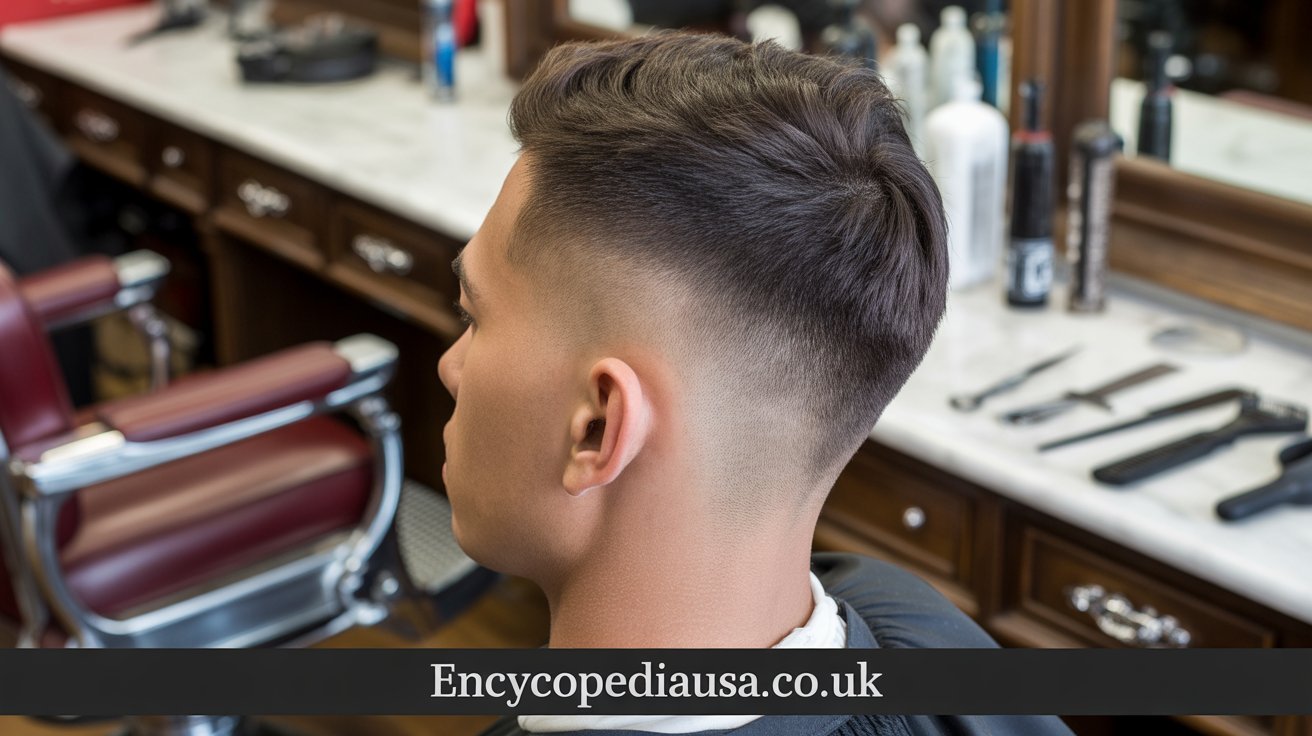
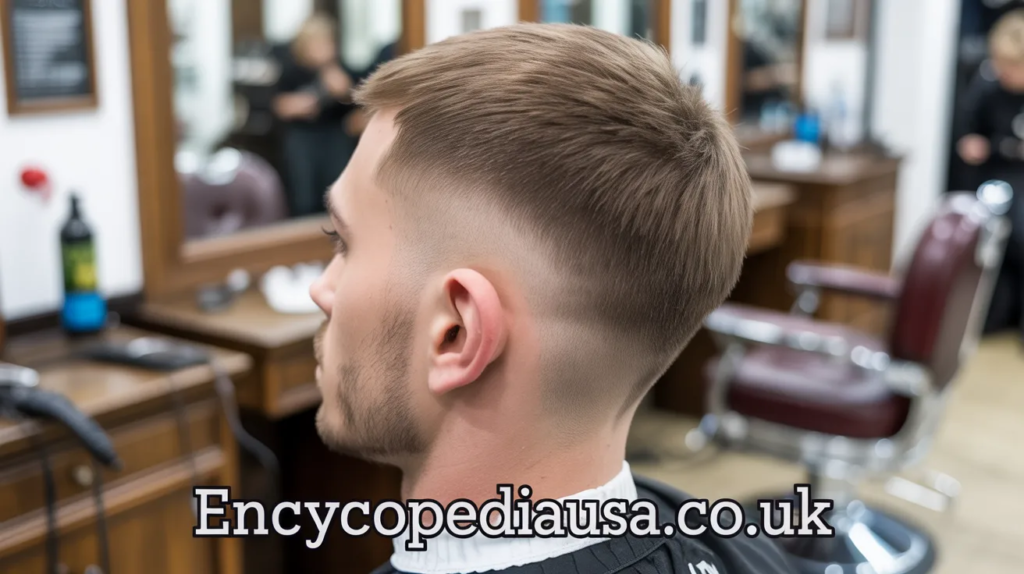
The high taper fade is a haircut where your hair gradually transitions from longer on top to shorter on the sides and back. The “high” part refers to where the fade starts—typically around the temples or even higher.
Unlike a skin fade that goes down to bare skin, a taper fade leaves some hair length throughout. Think of it as a softer, more gradual transition.
Here’s what makes it different:
- Starting point: The fade begins high on your head, creating maximum contrast
- Gradient effect: Hair length decreases smoothly without harsh lines
- Versatility: Works with various hair textures and styles on top
- Professional appearance: Clean enough for the office, stylish enough for weekends
The high taper fade sits between a mid fade and a temple fade. It offers more drama than a low fade while maintaining professional viability.
Why Choose a High Taper Fade?
You might wonder why this particular style has become so popular. The answer comes down to versatility and visual impact.
It Works With Your Face Shape
The high taper fade creates vertical lines that elongate your face. If you have a rounder face, this cut helps add definition. For square faces, it softens angles while maintaining masculine structure.
The height of the fade draws eyes upward. This emphasizes your hair on top and creates better overall proportions.
Low Maintenance, High Impact
Once you’ve got the cut, daily styling is minimal. The short sides mean less time blow-drying and less product needed overall.
You’ll need regular barbershop visits to maintain the fade. But between cuts, your morning routine stays simple.
Endless Styling Options
The beauty of a high taper fade lies in what you do with the top. You can rock:
- A textured crop for casual days
- Slicked-back style for formal occasions
- Messy quiff for creative vibes
- Natural curls if that’s your texture
- Side part for classic sophistication
Your sides stay clean while you experiment with different looks on top.
Professional Yet Modern
This cut walks the line between conservative and contemporary perfectly. It’s appropriate for corporate environments while still showing personal style.
I’ve seen guys wear this cut in boardrooms and at music festivals. It adapts to your context.
High Taper Fade vs. Other Fades
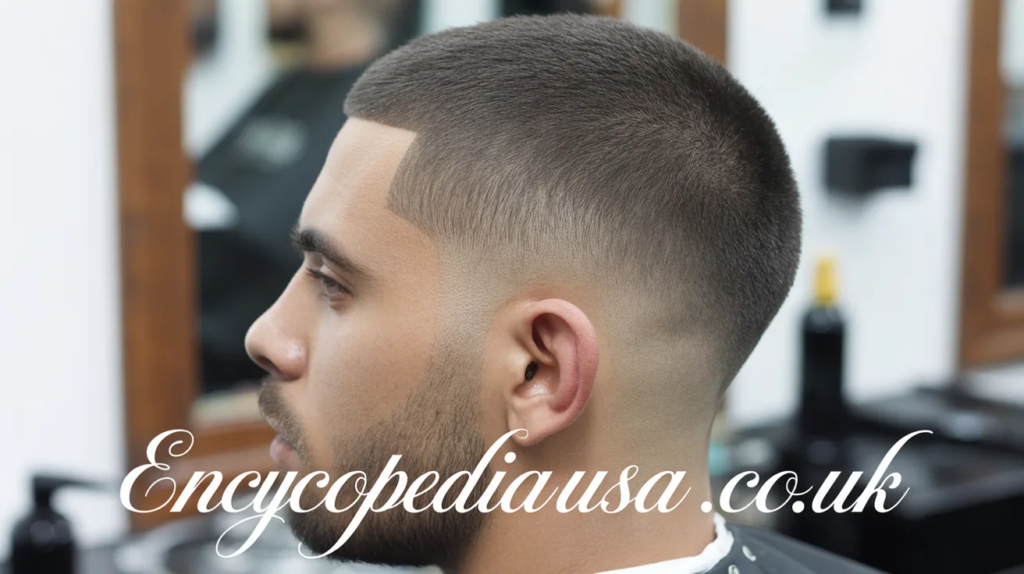
Understanding the differences helps you communicate better with your barber.
High Taper Fade vs. Low Taper Fade
The low taper starts near your ears. It creates a subtle transition that’s less dramatic. Choose a low fade if you want something more conservative or if you’re transitioning from longer hair.
The high taper fade starts at or above your temples. It’s bolder and creates stronger contrast. Pick this if you want maximum impact and don’t mind frequent maintenance.
High Taper Fade vs. Skin Fade
A skin fade (or bald fade) goes down to bare skin at the shortest point. It’s sharper and requires more frequent touch-ups.
The high taper fade maintains some hair length throughout. It’s slightly softer and grows out more gracefully. You might go an extra week between cuts compared to a skin fade.
High Taper Fade vs. Undercut
An undercut has a disconnected transition—no gradual fade. Hair on top contrasts sharply with clipped sides.
The high taper fade blends smoothly. There’s no harsh line. This makes it more versatile and easier to grow out if you change your mind.
How to Ask Your Barber for a High Taper Fade
Walking into a barbershop with confidence starts with knowing what to ask for. Here’s how to communicate effectively.
Be Specific About the Fade Height
Tell your barber “high taper fade” clearly. Point to where you want the fade to start—usually at your temples or slightly above.
Bring reference photos if possible. Pictures eliminate confusion and ensure you’re on the same page.
Specify the Top Length
The sides are only half the equation. Decide how much length you want on top:
- Short (1-2 inches): Easy maintenance, classic look
- Medium (2-4 inches): Versatile styling options
- Long (4+ inches): Maximum styling flexibility, requires more effort
Be clear about whether you want texture, layers, or a blunt cut on top.
Discuss the Gradient
Some guys prefer a subtle, gradual taper. Others want a more dramatic transition. Let your barber know your preference.
Ask about guard sizes if you’re comfortable with the terminology. A high taper fade might use a #3 or #4 on top of the fade area, gradually decreasing to a #1 or #0.5 at the bottom.
Mention Your Hair Type
Your barber will adjust their technique based on your hair. Curly hair requires different clipper work than straight hair. Thick hair fades differently than fine hair.
If this is your first time with a particular barber, be upfront about your hair’s quirks.
Styling Your High Taper Fade
The clean sides of your high taper fade are set. Now let’s talk about making the top look great.
Daily Styling Basics
Start with slightly damp hair—not soaking wet, not completely dry. Apply a small amount of product:
- Pomade: For sleek, controlled styles with shine
- Clay: For textured, matte looks with hold
- Cream: For natural movement with light control
- Gel: For maximum hold and structure
Work product through your hair with your fingers. Style according to your desired look.
Popular Styling Options
The Textured Crop: Use your fingers to create piece-y texture on top. This works great for casual settings and requires minimal effort.
The Side Part: Create a clean part with a comb. Apply pomade for shine or cream for a softer look. Perfect for professional environments.
The Messy Quiff: Push hair up and slightly back. Add height at the front. Use clay or paste for hold without stiffness.
Natural and Easy: Sometimes the best style is barely styled. Run some cream through damp hair and let it air dry. The clean sides do most of the visual work.
Working With Different Hair Types
Straight hair: Usually the easiest to style. Holds shape well with light products.
Wavy hair: Embrace the natural texture. Use cream to define waves without making them crunchy.
Curly hair: The high taper fade looks incredible with curls on top. Use curl cream or leave-in conditioner to enhance your natural pattern.
Thick hair: You might need stronger hold products. Consider texturizing spray for added control.
Maintaining Your High Taper Fade
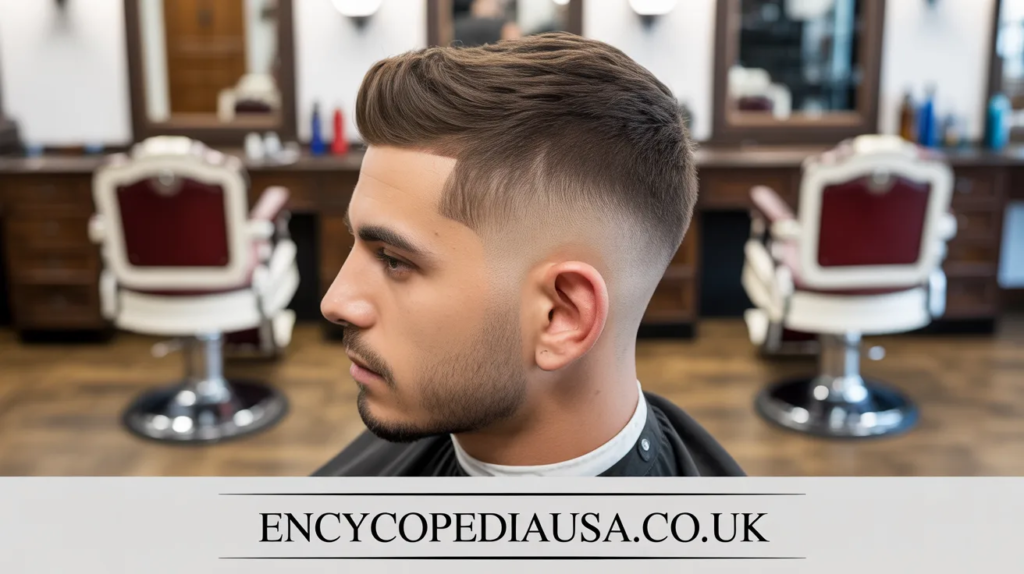
Getting the cut is step one. Keeping it sharp requires consistent maintenance.
Barbershop Visit Frequency
Plan on visiting your barber every 2-3 weeks. The high placement means the fade grows out more noticeably than a low taper.
If budget is tight, you can stretch to 4 weeks. But expect your fade to lose its crispness after week three.
Between-Cut Touch-Ups
Some guys learn to clean up their neckline at home. A simple trimmer and mirror setup can extend time between full cuts.
Be cautious though. It’s easy to make mistakes that your barber will need to fix. If you’re not confident, leave it to the professionals.
Hair Care Essentials
Even with short sides, proper hair care matters:
- Shampoo 2-3 times per week: Daily washing strips natural oils
- Condition regularly: Keeps hair on top healthy and manageable
- Use heat protectant: If you blow-dry or use hot tools
- Get regular trims: Even the top needs maintenance for shape
Healthy hair styles better and looks better. Don’t neglect basic care.
High Taper Fade Variations to Consider
The basic high taper fade template allows for creative variations.
High Taper Fade with Hard Part
A hard part is a shaved line that creates a distinct separation. It adds extra detail and visual interest. Your barber creates this with a razor or trimmer.
This variation works well if you style your hair with a side part. The hard part makes your style look more intentional and polished.
High Taper Fade with Beard
The connection between your fade and beard matters. Ask your barber to blend your sideburns into your beard naturally.
A well-groomed beard complements the clean lines of a high taper fade. The contrast between maintained facial hair and sharp fade creates a cohesive look.
High Taper Fade with Design
Fade designs or hair tattoos add personality. These can be simple lines, geometric patterns, or complex artwork.
Keep in mind that designs require more frequent maintenance. They fade away as your hair grows, usually within 1-2 weeks.
Curly High Taper Fade
If you have natural curls, embrace them on top. The high taper fade creates beautiful contrast between tight sides and voluminous curls.
Use curl-specific products to maintain definition. Avoid heavy products that weigh curls down.
Common Mistakes to Avoid
Even with the best intentions, things can go wrong. Here’s what to watch out for.
Going Too High Too Fast
If you’re new to fades, starting with a high taper might be jarring. Consider trying a mid taper first. You can always go higher on your next visit.
Once hair is cut, it takes time to grow back. Conservative choices give you room to adjust.
Neglecting the Top
Your fade looks great, but the top needs attention too. Don’t let the length on top get unmanageable between cuts. Ask your barber to trim and shape it during fade maintenance.
Using Wrong Products
Heavy products on short faded sides waste product and can look greasy. Focus your styling products on the hair on top.
Similarly, using too little product on longer top hair won’t give you the hold and style you want.
Skipping Barbershop Visits
Trying to stretch too long between cuts ruins the effect. A faded-out high taper loses its impact. Budget for regular maintenance when choosing this style.
Is a High Taper Fade Right for You?
This cut isn’t one-size-fits-all. Consider these factors before committing.
Your Lifestyle
Do you have time for regular barbershop visits? Can you spare 10-15 minutes each morning for styling? If you prefer wash-and-go simplicity, this might not be your cut.
However, if you enjoy the grooming process and like looking sharp, you’ll love the high taper fade.
Your Workplace
Most professional environments accept well-groomed fades. But some conservative industries might prefer more traditional cuts. Know your workplace culture.
The high taper fade can be styled conservatively for work and more creatively for personal time. It’s adaptable.
Your Hair Type
This cut works with virtually all hair types. But your specific hair will determine how easy maintenance becomes.
Fine hair might lack volume on top. Extremely curly hair requires specific products. Talk with your barber about how your hair type affects styling and maintenance.
The Cost Factor
Understanding the financial commitment helps you decide if this style fits your budget.
Initial Cut Cost
Expect to pay $30-$60 for a quality high taper fade at a reputable barbershop. Prices vary by location and barber experience.
Higher-end shops or renowned barbers might charge $60-$100 or more. You’re paying for skill and precision.
Ongoing Maintenance
Multiply that cut cost by roughly 2 visits per month. That’s $60-$120 monthly on haircuts alone.
Add product costs—quality pomades, clays, or creams run $15-$30 and last 2-3 months.
Is It Worth It?
That depends on your priorities. If looking sharp matters to you professionally or personally, the investment pays dividends in confidence and appearance.
Many guys find that a great haircut positively impacts how they feel and how others perceive them.
Conclusion
The high taper fade combines technical barbering with personal style expression. It offers clean sides, versatile top styling, and a modern aesthetic that works in multiple contexts.
Getting this cut right requires a skilled barber, clear communication, and commitment to maintenance. But when everything comes together, you’ll understand why it’s become one of the most popular men’s haircuts worldwide.
Whether you’re looking to refresh your look or trying a fade for the first time, the high taper fade delivers sharp style with practical wearability. Start by finding a barber whose work you admire. Bring reference photos. Be clear about what you want.
Your perfect high taper fade is just a barbershop visit away. Ready to take the plunge?
Frequently Asked Questions
What’s the difference between a high taper fade and a high fade?
The terms are often used interchangeably, but technically a taper leaves more length throughout while a fade can go closer to the skin. A high taper fade maintains some hair at all points but starts the gradient high on your head.
How long does a high taper fade take to grow out?
If you decide to grow out your high taper fade, expect an awkward phase around weeks 4-6. The sides will look shaggy while the top continues growing. Most guys need 3-4 months to grow everything out to an even length.
Can I get a high taper fade with thinning hair?
Absolutely. In fact, the high taper fade can help manage thinning hair by keeping sides very short and focusing attention on the top. Work with your barber to determine the best top length that maximizes your hair’s appearance.
What products work best for styling a high taper fade?
It depends on your desired look. Pomade for shine and sleekness, clay for matte texture, cream for natural movement, or gel for maximum hold. Start with small amounts—you can always add more.
How do I maintain my high taper fade between cuts?
Keep your hair clean and conditioned. Use quality styling products. Some guys touch up their neckline at home, but be careful not to overdo it. Regular barbershop visits every 2-3 weeks keep the fade looking sharp.
Is a high taper fade appropriate for professional settings?
Yes, when well-maintained. The clean lines and polished appearance work in most professional environments. Style the top conservatively for work if needed. The versatility is one of this cut’s biggest advantages.
Can I do a high taper fade at home?
While possible with the right tools and skills, it’s challenging. Fades require precision, proper clipper technique, and the ability to see all angles of your head. For best results, especially when starting out, visit a professional barber.
What face shapes look best with a high taper fade?
This cut works with most face shapes. Round faces benefit from the elongating effect. Square faces get softened angles. Oval faces—already well-proportioned—look great with high tapers. Your barber can adjust details to complement your specific features.
How high should the fade start?
A true high taper fade typically starts at or slightly above the temples. The exact placement depends on your head shape and personal preference. Communicate with your barber and don’t be afraid to adjust on future visits.
What’s the best length to keep on top with a high taper fade?
This is entirely personal. Shorter tops (1-2 inches) are low maintenance. Medium length (2-4 inches) offers styling versatility. Longer tops (4+ inches) provide maximum creative options but require more effort. Consider your lifestyle and styling commitment.
Also Read : Apple Watch SE 2nd Gen