

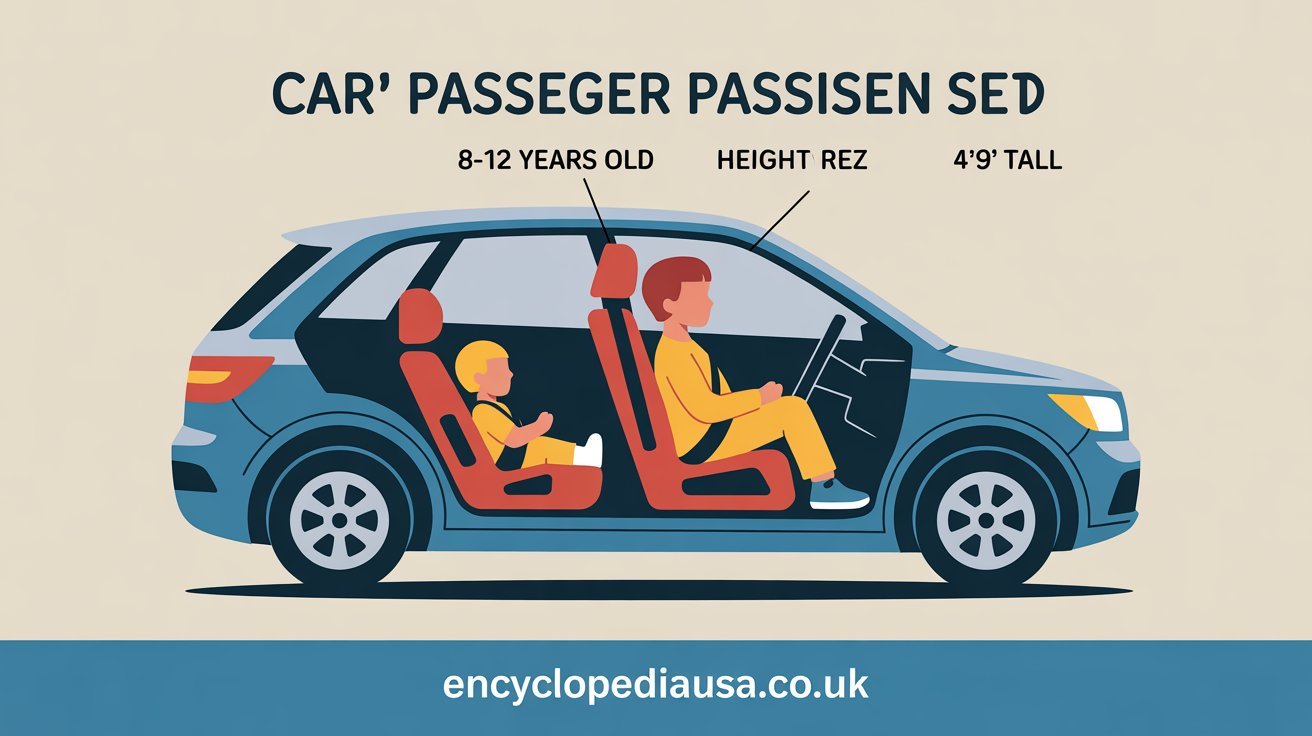
How Old Do You Have to Be to Sit in the Front Seat: The Essential Guide to Front Seat Safety 2026
Introduction
Every parent faces that inevitable moment. Your child looks up at you with hopeful eyes and asks, “Can I sit in the front seat now?”
It’s a question that comes loaded with excitement for them and anxiety for you. I remember when my niece first asked. She felt so grown-up at nine years old, convinced she was ready. But was she really?
Understanding how old do you have to be to sit in the front seat isn’t just about following rules. It’s about keeping your child safe. The front seat comes with serious risks, especially for younger passengers. Airbags, designed to protect adults, can actually harm children.
In this guide, you’ll learn the recommended ages, state-specific laws, and safety factors that matter. We’ll break down everything you need to know to make the right decision for your family. Whether your child is begging to move up or you’re simply planning ahead, this article will give you clarity and confidence.
Why the Front Seat Age Matters for Child Safety
The front seat isn’t just another seat in your car. It’s designed with adult passengers in mind.
Here’s what makes it different:
Airbags deploy at speeds between 100 and 220 mph. That force can cause serious injury to small bodies. Children under a certain size and weight face the highest risk.
The back seat is statistically safer. Studies show that children under 13 are 40% safer riding in the back. The rear position provides more distance from impact zones during crashes.
Key safety concerns include:
- Airbag deployment: Front airbags can strike children in the head, neck, or chest
- Seat positioning: Kids often sit too close to the dashboard
- Body size: Smaller bodies don’t absorb crash forces the same way adults do
- Bone development: Children’s bones are still growing and more vulnerable to injury
Understanding how old do you have to be to sit in the front seat starts with recognizing these dangers. Age alone doesn’t tell the whole story. But it’s a crucial starting point.
The General Age Recommendation: When Is It Safe?
Most safety organizations agree on one number: 13 years old.
The American Academy of Pediatrics (AAP) and the National Highway Traffic Safety Administration (NHTSA) both recommend keeping children in the back seat until age 13. This recommendation is based on decades of research and crash data.
But why 13 specifically?
By this age, most children have reached a size and weight that better matches adult safety features. Their bones are stronger. They’re tall enough that airbags won’t strike their heads directly.
Here’s what happens developmentally:
- Height typically reaches 4’9″ or taller
- Weight is usually over 80 pounds
- Body proportions better fit adult seat belts
- Head position clears the airbag danger zone
That said, some 13-year-olds still aren’t ready. And some 12-year-olds might be physically mature enough. The age is a guideline, not an absolute rule.
When considering how old do you have to be to sit in the front seat, remember that every child develops differently. Physical size matters as much as age. We’ll explore those factors in detail next.
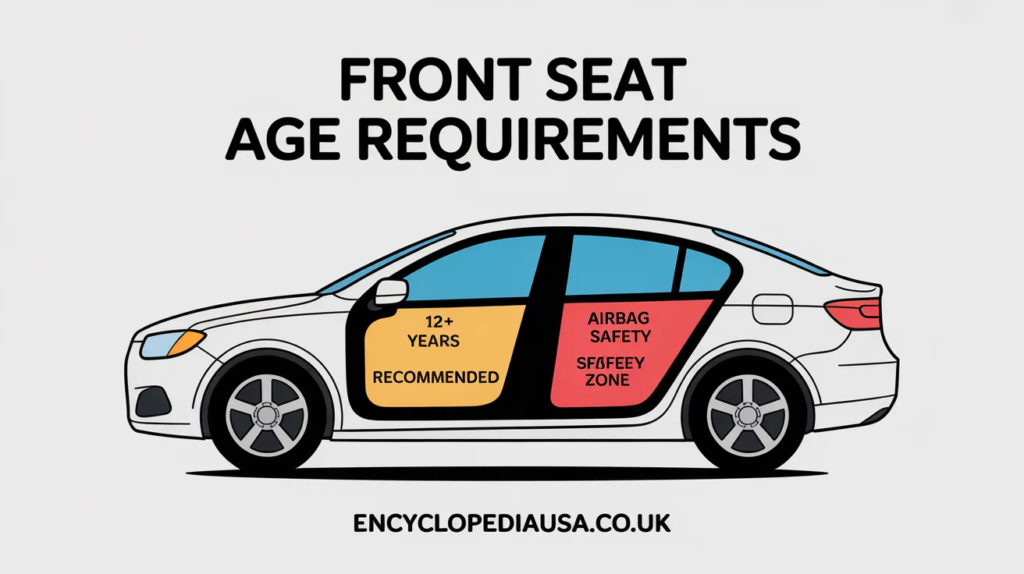
State-by-State Laws: Legal Requirements Vary
Here’s where it gets tricky. The answer to how old do you have to be to sit in the front seat depends partly on where you live.
Each state sets its own laws about child passenger safety. Some states specify front seat age requirements. Others focus on car seat and booster seat rules without mentioning the front seat directly.
Common state law patterns:
Many states require children under 8-12 years old to ride in the back seat. But the specific age varies. Some states tie the requirement to height or weight instead of age.
Examples of state requirements:
- California: Children under 2 must ride rear-facing; children under 8 must be in a car seat or booster (back seat strongly recommended)
- Florida: Children 5 and under must use proper restraints; no specific front seat law
- New York: Children under 4 must ride in car seats; those under 13 should ride in back seats
- Texas: Children under 8 must use car seats unless taller than 4’9″; back seat recommended
- Pennsylvania: Children under 8 must use appropriate car seats; under 4 must ride in back seat
Important note: State laws set the minimum legal standard. They don’t always match the safest recommendation. You might be legally allowed to put your 8-year-old in front, but that doesn’t mean it’s the best choice.
I always recommend checking your specific state’s current laws. Regulations change. Your state’s Department of Motor Vehicles or highway safety office has the most up-to-date information.
When thinking about how old do you have to be to sit in the front seat legally, remember: law and safety don’t always align. Follow the stricter guideline when in doubt.
Physical Requirements Beyond Age
Age tells part of the story. But your child’s physical development matters even more.
Height requirements:
Your child should be at least 4 feet 9 inches tall before sitting in front. This height ensures the seat belt fits properly across their body. Shorter children risk the belt crossing their neck or face during a crash.
The shoulder belt should rest across the collarbone and chest. The lap belt should sit low across the hips, not the stomach.
Weight considerations:
Most safety experts recommend a minimum weight of 80-100 pounds. Lighter children don’t trigger vehicle sensors properly. They may not sit firmly enough in the seat to stay protected.
Other physical factors:
- Sitting position: Can they sit with their back against the seat and knees bent over the edge?
- Feet position: Do their feet touch the floor comfortably?
- Belt fit: Does the seat belt stay in position without cutting into their neck?
I’ve seen tall 11-year-olds who meet the size requirements. I’ve also seen small 14-year-olds who don’t. Every child is different.
When asking how old do you have to be to sit in the front seat, add this question: Is my child physically ready? Size and proportion matter as much as the number of candles on their birthday cake.
Airbag Safety: The Biggest Front Seat Risk
Let’s talk about the elephant in the room—or rather, the airbag in the dashboard.
Airbags save adult lives. But they can seriously injure or kill children.
How airbags work:
During a crash, sensors trigger the airbag to inflate instantly. It shoots out at incredible speed. For adults sitting properly, this cushions the impact. For children sitting too close or too small, it creates a new danger.
The risks for children:
- Head and neck injuries from impact force
- Chest trauma from airbag deployment
- Abdominal injuries if sitting incorrectly
- Risk of death for children under 12
Critical safety measures:
If your child must sit in front, push the seat as far back as possible. They should sit at least 10 inches from the dashboard. Measure from the center of the steering wheel to their chest.
Can you turn off the airbag?
Some vehicles have an airbag off switch. This might seem like an easy solution. But it’s not recommended unless absolutely necessary. Most manufacturers and safety experts advise against it.
Only consider turning off the front airbag if:
- All back seats are occupied by younger children
- Your vehicle has no back seat
- A medical condition requires front seat positioning
Understanding how old do you have to be to sit in the front seat includes understanding airbag risks. This knowledge might convince you to wait longer than the minimum age.
Exceptions and Special Circumstances
Life doesn’t always fit neatly into safety guidelines. Sometimes reality forces exceptions.
When front seat riding might be necessary:
Your vehicle might only have a front seat. Pickup trucks, sports cars, and some older vehicles lack rear seating. In these cases, you have limited options.
What to do in a no-back-seat situation:
- Move the seat as far back as possible
- Keep the child properly restrained in an appropriate car seat or booster
- Consider disabling the airbag (check your manual and local laws)
- Drive extra carefully
Multiple children scenarios:
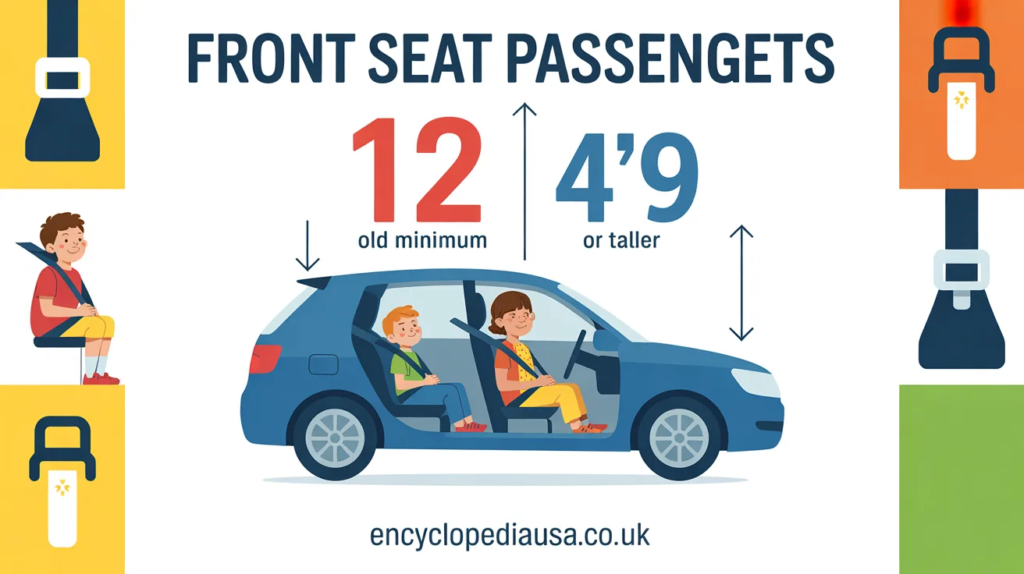
What if you have three kids and only two back seats? The oldest or largest child might need to sit in front. Use these criteria:
- Choose the child closest to age 13
- Pick the tallest and heaviest child
- Ensure they meet the physical requirements
- Position the seat back as far as possible
Emergency situations:
Sometimes you must transport an injured or sick child in front for monitoring. In emergencies, immediate safety might outweigh general guidelines. Use your best judgment.
Children with special needs:
Some children with medical conditions or disabilities might require front seat positioning. Parents may need to monitor medical equipment or provide immediate care. Consult your pediatrician and consider specialized safety equipment.
When considering how old do you have to be to sit in the front seat, remember that guidelines bend for real-world situations. Safety always comes first, but practical constraints matter too.
Making the Transition: When Your Child Is Ready
Your child has reached the magic age of 13. Or they meet all the physical requirements early. Now what?
Signs of readiness:
Beyond age and size, emotional maturity matters. Your child should:
- Understand and follow safety rules consistently
- Sit still without fidgeting excessively
- Resist the urge to play with dashboard controls
- Keep their feet down and back against the seat
Making it special:
The front seat transition is a milestone. Many kids have waited years for this moment. Make it memorable but emphasize the responsibility.
I suggest treating it like a ceremony. Explain the safety rules clearly. Let them know this privilege comes with expectations.
Setting clear expectations:
Before that first front seat ride, establish rules:
- Seat belt stays on at all times
- Sitting position stays proper
- No leaning forward or slouching
- Hands off the dashboard and controls
Gradual transition:
You don’t need to make it all-or-nothing. Some families start with short, low-speed trips. The child rides in front for a quick errand but returns to the back for highway driving.
This approach lets everyone adjust. Your child learns the responsibility. You gain confidence in their readiness.
When to delay the transition:
If your child shows poor judgment or can’t follow rules, wait longer. Maturity matters as much as age. Some 13-year-olds aren’t ready. Some 15-year-olds still need reminders.
Thinking about how old do you have to be to sit in the front seat includes considering emotional and behavioral readiness, not just physical milestones.
Common Mistakes Parents Make
Even well-meaning parents sometimes get front seat safety wrong.
Mistake #1: Moving children forward too early
The most common error is giving in to pressure. Your child begs. Other kids their age sit in front. You feel like you’re being overprotective.
Don’t cave. The back seat remains safer until age 13 for good reasons. Those statistics don’t change because your child really, really wants to sit up front.
Mistake #2: Assuming the law equals safety
Just because your state allows 8-year-olds in front doesn’t make it safe. Legal minimums often fall short of optimal safety standards.
Mistake #3: Ignoring proper seat positioning
Allowing your child to sit too close to the dashboard defeats safety measures. That 10-inch minimum distance matters critically.
Mistake #4: Inconsistent enforcement
Letting your child sit in front sometimes but not others sends mixed messages. They won’t understand why the rule changes. Consistency helps everyone stay safe.
Mistake #5: Not adjusting for growth
Your child’s readiness status changes as they grow. Re-evaluate regularly. What worked at 12 might need adjustment at 13.
Mistake #6: Forgetting about airbag risks
Parents sometimes disable airbags unnecessarily or forget to turn them back on. Others never consider the airbag position relative to their child’s size.
Understanding how old do you have to be to sit in the front seat means avoiding these common pitfalls. Your child’s safety depends on getting the details right.
Safety Tips for When They Do Sit in Front
Eventually, your child will ride in the front seat. Make sure they’re as safe as possible.
Proper seat belt use:
The lap belt must lie across the upper thighs, not the stomach. The shoulder belt should cross the chest and shoulder, not the neck or face. Adjust the seat position until the belt fits correctly.
Optimal seating position:
- Back firmly against the seat
- Bottom all the way back
- Knees bent comfortably over the seat edge
- Feet flat on the floor
- At least 10 inches from the dashboard
Regular reminders:
Kids forget or get lazy with safety habits. Remind them regularly about proper positioning. Check their seat belt before every drive.
Avoid distractions:
The front seat offers more temptations. Radio controls, climate settings, and your phone all sit within reach. Set clear rules about touching controls.
Model good behavior:
Your child watches how you sit and buckle up. Demonstrate the same safety practices you expect from them.
Keep teaching:
As your child grows into the front seat, continue education. Explain why each rule matters. Help them understand crash physics and safety features.
When you’ve determined how old do you have to be to sit in the front seat and your child meets the criteria, proper practices keep them protected.
What About Car Seats and Boosters in the Front?
This question deserves special attention. Can you ever put a car seat in the front passenger seat?
The short answer: Avoid it whenever possible.
Rear-facing car seats:
Never, ever place a rear-facing car seat in front of an active airbag. The airbag can strike the back of the car seat with fatal force. If you absolutely must use the front seat, disable the airbag first.
Forward-facing car seats:
Still dangerous with active airbags. The child sits closer to the dashboard than in a standard seat. Impact risks increase significantly.
Booster seats:
Slightly less risky than infant seats, but still not recommended. Boosters position children higher, potentially in the airbag deployment zone.
When you have no choice:
If your vehicle has no back seat:
- Disable the front passenger airbag
- Move the seat as far back as possible
- Use the appropriate car seat for your child’s age and size
- Follow manufacturer instructions exactly
- Consider getting a vehicle with a back seat
Legal considerations:
Some states specifically prohibit rear-facing car seats in front. Check your local laws. But even where legal, safety experts strongly discourage the practice.
The question of how old do you have to be to sit in the front seat assumes your child has outgrown car seats and boosters. While still in these restraints, the back seat is non-negotiable unless you have no alternative.
Frequently Asked Questions
1. How old do you have to be to sit in the front seat in most states?
Most states recommend children stay in the back seat until age 12 or 13. However, legal requirements vary by state. Some states set the minimum at 8 years old, while others don’t specify a front seat age at all. The safest guideline remains 13 years old, regardless of state law.
2. Can a 10-year-old sit in the front seat legally?
It depends on your state. Some states allow 10-year-olds in front seats legally. However, safety experts recommend waiting until age 13. Even where legal, the back seat remains statistically safer for children under 13.
3. What is the height requirement for sitting in the front seat?
Children should be at least 4 feet 9 inches tall before sitting in the front seat. This height ensures proper seat belt fit across the chest and hips. Shorter children risk injury from improperly positioned seat belts and airbag deployment.
4. Is it ever safe to put a car seat in the front?
Rear-facing car seats should never be placed in front of an active airbag. If you must use the front seat for a car seat, disable the airbag and move the seat as far back as possible. The back seat is always safer for children in car seats.
5. What happens if a child sits too close to the airbag?
Airbags deploy at 100-220 mph and can cause serious injury or death to children sitting too close. Children should sit at least 10 inches from the dashboard. The airbag can strike their head, neck, or chest with dangerous force during deployment.
6. Can I turn off the front passenger airbag?
Some vehicles have an airbag off switch. Check your owner’s manual. Most experts advise against disabling airbags unless absolutely necessary. Only consider it if you have no back seat or all back seats are occupied by younger children.
7. What if my 12-year-old is very tall?
Height and weight matter more than age alone. If your 12-year-old is at least 4’9″ tall, weighs over 80 pounds, and shows mature behavior, they may be physically ready. However, waiting until 13 provides an extra safety margin as bodies continue developing.
8. Are there different rules for pickup trucks with no back seat?
Vehicles without back seats create exceptions. You may need to transport children in front. Move the seat back as far as possible, consider disabling the airbag, and use appropriate restraints. Check your state’s specific laws for single-cab vehicles.
9. What’s the penalty for having a child in the front seat illegally?
Penalties vary by state. Fines typically range from $50 to $500 for child restraint violations. Some states assess points on your license. Beyond legal consequences, the real risk is your child’s safety in a crash.
10. Should siblings always sit in the back together?
If you have multiple children and limited back seats, prioritize the youngest and smallest children for back seat positions. The oldest child who meets minimum size and age requirements can sit in front if necessary. Never leave younger children in front while older children sit in back.
Conclusion
So, how old do you have to be to sit in the front seat? The safest answer is 13 years old.
But age is just one piece of the puzzle. Your child should also be at least 4’9″ tall and weigh 80-100 pounds. They need the maturity to sit properly and follow safety rules consistently.
State laws vary, but legal minimums don’t always equal optimal safety. The back seat remains 40% safer for children under 13. Airbags pose serious risks to smaller passengers, even when they meet basic size requirements.
When the time comes for the transition, make it gradual. Set clear expectations. Ensure proper seat positioning. Check that seat belts fit correctly. And never compromise on safety, even when your child begs or their friends already sit in front.
Every child develops differently. Some 13-year-olds aren’t ready. Some 12-year-olds might meet all physical criteria. Use the guidelines as a starting point, but evaluate your individual child’s readiness.
Your child’s safety is worth the wait. Those extra months or years in the back seat could save their life in a crash.
Has your child started asking about the front seat? What factors will you consider before making the transition? Share your thoughts and experiences in the comments below.
Also Read : Choose vs Chose