

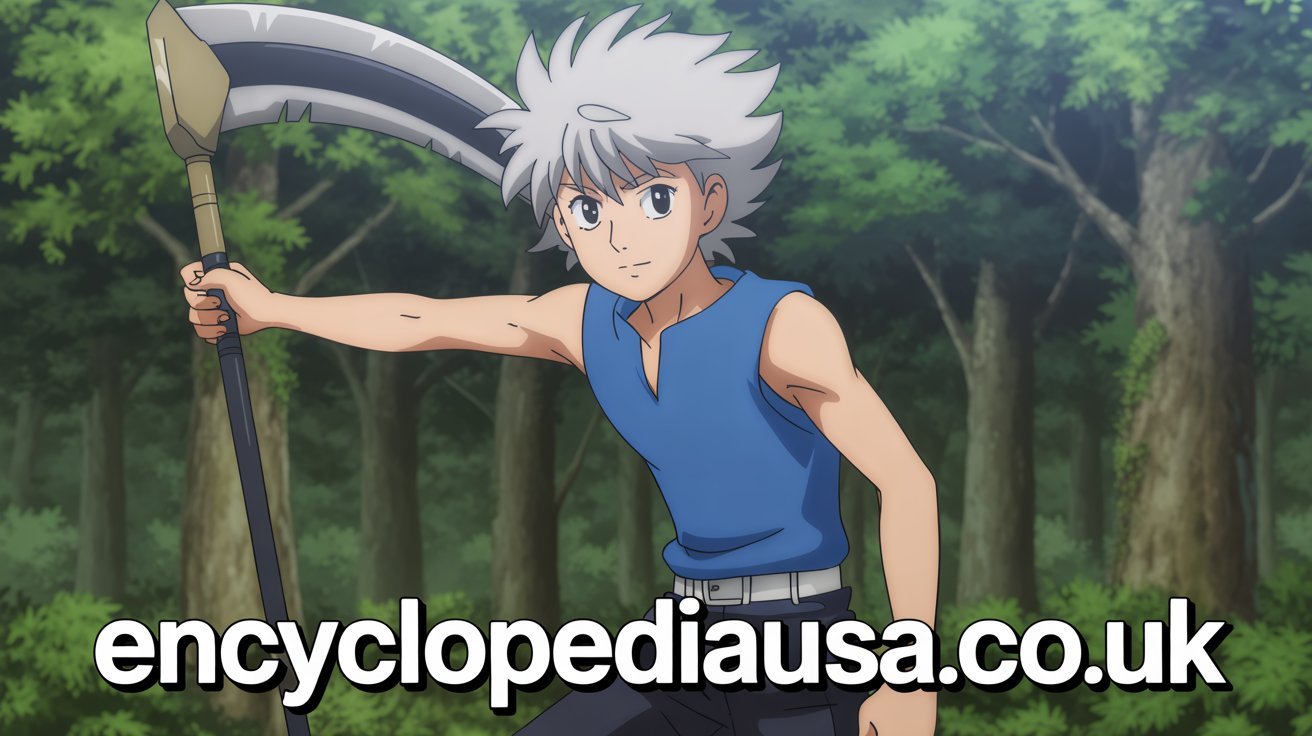
Why Kite HXH Remains the Most Heartbreaking Hunter x Hunter Character 2026
Introduction
If you’ve watched Hunter x Hunter, you know that Kite’s story hits differently. From the moment he appears to his devastating fate, Kite HXH represents everything beautiful and brutal about Yoshihiro Togashi’s masterpiece. He’s not just another mentor figure who guides the protagonist. He’s the catalyst that sets Gon on his darkest path.
I still remember watching Kite’s introduction and thinking he was just another side character. Boy, was I wrong. His role in shaping Gon’s journey goes far deeper than most fans initially realize. You’re about to discover why Kite remains one of the most complex and emotionally charged characters in the entire series, even with his limited screen time.
Let’s explore what makes Kite HXH so unforgettable and why his presence echoes throughout the Chimera Ant arc and beyond.
Who Is Kite in Hunter x Hunter?
Kite is a Hunter and student of Ging Freecss, Gon’s absent father. He first appears in the manga’s early chapters, though anime-only viewers might recognize him from the 2011 version’s first episode. Kite plays a crucial role in Gon’s origin story because he’s the one who saves young Gon from a Foxbear attack. More importantly, he tells Gon that his father is alive.
That single conversation changes everything. Without Kite, Gon might never have become a Hunter. He might never have left Whale Island searching for Ging. In many ways, Kite HXH is the person who sets the entire story in motion.
But Kite isn’t just a plot device. He’s a skilled Hunter with incredible abilities. His calm demeanor and strategic mind make him a natural leader. When you see him working with his students, you understand why people respect him. He combines strength with wisdom in a way that few characters in the series manage to achieve.
His appearance is distinctive too. With his long white hair and hunter’s attire, he looks like someone who’s spent years in the wilderness. That’s because he has. Kite dedicates his life to protecting rare species and investigating ecological threats. It’s this mission that eventually leads him to the Chimera Ants.
Kite’s Nen Ability: Crazy Slots Explained
One of the most fascinating aspects of Kite HXH is his Nen ability called Crazy Slots. This power manifests as a clown-like entity attached to his arm. When activated, it randomly selects one of nine weapons for Kite to use. He can’t choose which weapon appears. The slot machine decides for him.
This might sound like a terrible ability at first. Why would you want randomness in battle? But here’s the thing about Crazy Slots. Kite believes that the ability knows what he needs. He trusts the randomness because he thinks it responds to the situation somehow.
The weapons we see include a scythe, a rifle, and a mace. Each one serves different tactical purposes. The scythe particularly stands out because we see Kite using it to devastating effect against Chimera Ants. His skill with whatever weapon appears demonstrates his adaptability as a fighter.
There’s also a mysterious weapon numbered 3 that Kite calls his “trump card.” He mentions that he only gets this weapon when he absolutely cannot afford to die. We never see what weapon number 3 actually is in the anime. This mystery adds another layer to his character and abilities.
The Crazy Slots ability reflects Kite’s personality perfectly. He’s someone who adapts to circumstances rather than forcing situations to bend to his will. This flexibility makes him an excellent survivor and teacher. It also makes his eventual fate all the more tragic.
The Chimera Ant Arc: Kite’s Defining Moment
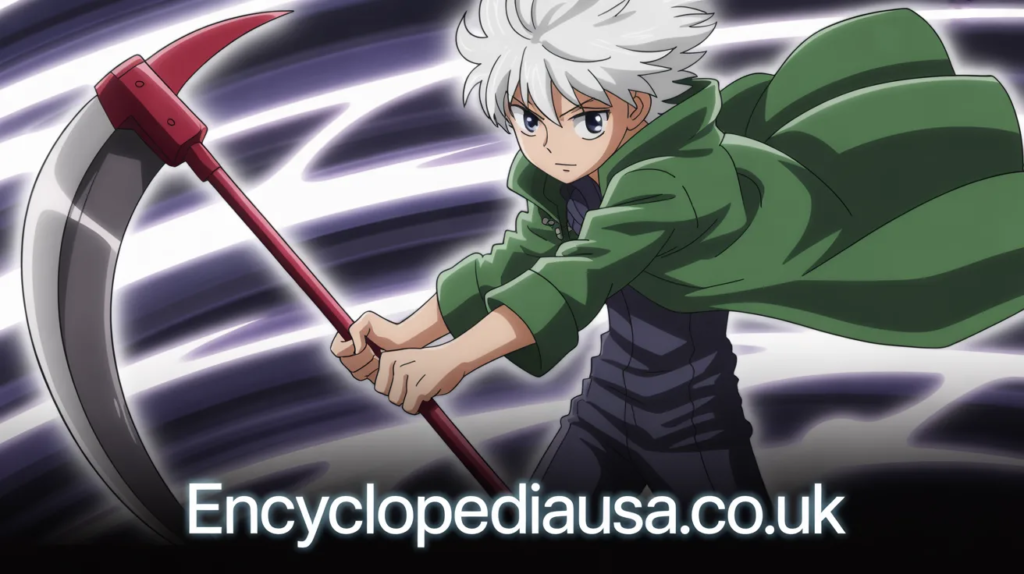
The Chimera Ant arc is where Kite HXH truly shines and suffers. When Kite discovers the Chimera Ant threat, he immediately recognizes the danger. These creatures eat other species and gain their traits. If left unchecked, they could threaten all of humanity. Kite assembles a small team to investigate and contain the situation.
He brings along two of his students, and later, Gon and Killua join the mission. You can see Kite’s protective nature throughout their journey. He constantly warns the boys about the danger. He tries to send them away multiple times. But Gon insists on staying and helping his mentor.
The investigation leads them deep into the NGL, an isolated nation that rejects modern technology. This makes communication nearly impossible. They’re essentially cut off from help. When they encounter Chimera Ants, the battles are intense and dangerous. Kite handles most threats efficiently, showcasing why he’s considered a skilled Hunter.
Everything changes when they encounter Neferpitou, one of the King’s Royal Guards. Pitou is on a completely different level from the ants they’ve faced. Within seconds, Kite realizes they’re outmatched. He orders Gon and Killua to run while he holds Pitou off. This moment defines his character. He sacrifices himself so the boys can escape.
Gon doesn’t want to leave. He wants to fight alongside Kite. But Kite is firm. He knows they’ll all die if they stay. So he uses his authority as an adult and Hunter to force them to retreat. It’s the last time we see Kite alive in his original body.
Kite’s Death and Rebirth: A Tragic Transformation
What happens next is one of the most disturbing sequences in Hunter x Hunter. Neferpitou defeats Kite and uses his body for puppet practice. When Gon and Killua return to rescue him, they find Kite’s corpse being controlled by Pitou’s Nen ability. The sight breaks something fundamental in Gon.
You might think this is the end of Kite’s story. In most anime, it would be. But Togashi doesn’t write conventional stories. Through circumstances that aren’t entirely clear, Kite’s soul is reborn as a Chimera Ant. Specifically, he becomes the twin sibling of Meruem, the Chimera Ant King.
This reborn Kite appears as a young girl with red hair. She’s one of the first Chimera Ants to retain complete memories of her previous life. When she meets Gon after everything is over, there’s this beautiful, heartbreaking moment of recognition. She remembers being Kite. She knows what happened.
The rebirth doesn’t feel like a cheap revival. It raises profound questions about identity and continuity of self. Is this new Kite really the same person? She has the memories and personality, but she’s in a completely different body with a different biology. The series doesn’t give easy answers to these questions.
What we do know is that this transformation serves a narrative purpose. It shows that even in death, Kite found a way to survive. Remember that mysterious weapon number 3? Many fans theorize that this weapon activated when Kite died, enabling his reincarnation. It’s the ultimate survival ability, proving that Crazy Slots really does protect him when he needs it most.
Why Kite’s Fate Devastates Gon
To understand Kite HXH’s impact, you need to understand what he represents to Gon. Kite isn’t just a mentor or ally. He’s the living connection to Ging, the father Gon has been searching for throughout the entire series. Finding Kite again after years should have been a joyful reunion. Instead, it leads to tragedy.
Gon blames himself for Kite’s death. He believes that if he’d been stronger, he could have helped. If he’d trained harder, mastered more techniques, pushed himself further, maybe Kite would still be alive. This guilt consumes him throughout the Chimera Ant arc. It transforms his character from an optimistic boy into someone capable of terrifying darkness.
The guilt reaches its peak when Gon confronts Neferpitou. By this point, Gon knows Kite has been reborn. But he doesn’t care. The anger, grief, and self-loathing have built up too much. He makes a Nen vow that trades all his potential future power for the strength to destroy Pitou right now. It’s essentially trading his life away.
This transformation into an adult form shows how completely Kite’s death warped Gon’s psyche. The cheerful boy who made friends easily and saw good in everyone becomes a vengeful force willing to die just to satisfy his rage. It’s one of the darkest character arcs in shonen anime history.
When I first watched this transformation, I was shocked. This wasn’t the Gon we’d followed for hundreds of episodes. Yet it made perfect sense. Togashi had been building toward this moment from the second Kite fell. The seeds of darkness were always there in Gon’s single-minded determination. Kite’s death just brought them to the surface.
Kite’s Relationship With Ging Freecss

You can’t discuss Kite HXH without exploring his connection to Ging. As Ging’s student, Kite learned from one of the world’s most talented Hunters. But their relationship goes beyond typical teacher and student dynamics. Ging trusted Kite with an incredibly important task: finding Ging’s son if anything ever happened.
Think about what that means. Ging essentially made Kite Gon’s backup guardian. If Gon ever needed guidance and Ging couldn’t be there, Kite would step in. That’s exactly what happens when Kite saves young Gon from the Foxbear. He fulfills his promise to Ging by protecting his son.
Kite also seems to understand Ging better than most people. He doesn’t judge Ging’s decision to leave Gon behind. He recognizes that Ging has his own path to follow. But he also makes sure Gon knows that his father is alive and cares about him in his own strange way.
The student even adopts some of the teacher’s methods. Ging is known for creating elaborate tests and challenges for people. Kite does something similar when training Gon and Killua. He pushes them to think strategically and understand the consequences of their choices. He’s passing down the lessons Ging taught him.
In the end, Kite becomes the bridge between father and son. He’s the physical proof that Ging exists and is worth finding. When that bridge is destroyed, the impact ripples through both Gon and the audience. We feel the loss just as deeply as the characters do.
The Symbolism Behind Kite’s Character
Kite HXH operates on multiple symbolic levels throughout Hunter x Hunter. His name itself suggests something ephemeral and free, like a kite flying in the wind. Yet kites are also tethered, controlled by someone on the ground. This duality reflects Kite’s role as both an independent Hunter and someone bound by duty to Ging.
His Crazy Slots ability symbolizes life’s unpredictability. You don’t always get the tools you want for the situations you face. You have to make do with what you’re given. Kite embraces this philosophy completely. He trusts in the process even when the outcome is uncertain.
The reincarnation as a Chimera Ant carries deep symbolic weight too. Kite represents the possibility of change and transformation. Even after being consumed by the most dangerous creatures in the world, his essence persists. He adapts and survives in a new form. This mirrors the themes of evolution and identity that run throughout the Chimera Ant arc.
There’s also something poignant about his rebirth as a young girl. Kite spent his adult life protecting endangered species and fighting threats. Now he gets a second chance at childhood, at innocence. It’s a bittersweet ending that suggests maybe he can finally rest after everything he’s endured.
His relationship with nature and wildlife connects to broader environmental themes. Kite dedicates his life to ecological balance. The Chimera Ants represent nature evolving beyond humanity’s control. In being transformed by them, Kite becomes part of the very ecosystem he tried to protect. There’s a strange poetry in that transformation.
How Kite Compares to Other Mentor Figures in Anime
When you look at mentor characters across anime, Kite HXH stands out for several reasons. Unlike most mentors who safely guide protagonists from the sidelines, Kite dies relatively early. This subverts expectations in a powerful way. We expect mentors to survive and offer wisdom throughout the story. Kite’s death reminds us that no one is safe in Hunter x Hunter.
His teaching style differs from typical anime mentors too. Characters like Master Roshi or Jiraiya often use humor and eccentricity to mask deep wisdom. Kite is more straightforward. He teaches through experience and example rather than cryptic lessons. When he warns about danger, he means it literally. There’s no hidden test or secret meaning.
The depth of his relationship with Gon also sets him apart. Most mentors train the protagonist for a specific goal or technique. Kite’s connection to Gon is personal and familial. He’s not just teaching combat skills. He’s filling the role that Ging abandoned. That makes his loss cut so much deeper.
What really distinguishes Kite is the consequence of his death. Many anime mentors die to motivate the hero. But Gon’s response to Kite’s death goes far beyond simple motivation. It nearly destroys him. It reveals darker aspects of his personality that might have stayed hidden otherwise. Kite’s death doesn’t just make Gon stronger. It makes him dangerous, both to others and himself.
The Legacy of Kite in Hunter x Hunter
Even after his death and rebirth, Kite HXH continues to influence the story. His sacrifice during the Chimera Ant arc sets multiple plot threads in motion. Gon’s transformation and near death. Killua’s decision to save his friend at any cost. The complex relationship between humans and Chimera Ants. All of these stem from Kite’s final stand against Neferpitou.
His reborn form also plays a role in the arc’s resolution. The Chimera Ant twins represent the possibility of coexistence between species. They show that the ants aren’t just mindless monsters. They can retain humanity and memories even after transformation. This complicates the moral landscape of the entire arc.
For fans, Kite represents the series’ willingness to break conventional storytelling rules. Togashi introduced this character, made us care about him, then brutally killed him off. But he didn’t stop there. The rebirth adds layers of complexity that keep us thinking about identity, death, and transformation long after the arc ends.
You can see Kite’s influence in how the fandom discusses Hunter x Hunter. He’s become a symbol of the series’ darker, more mature themes. When people talk about what makes HXH different from typical shonen anime, Kite’s arc often comes up. He proves that the series is willing to explore uncomfortable territory and sit with difficult emotions.
Why Fans Still Love Kite HXH Today
Years after the Chimera Ant arc concluded, Kite HXH remains one of the most discussed characters in the community. Part of this comes from his limited screen time. We want more of him. We want to see what he was like during his training with Ging. We want adventures that show his skills and personality in depth.
His design appeals to fans too. The long white hair, hunter gear, and calm demeanor create a striking visual. Fan artists love drawing Kite in various situations and alternate universes. There’s something inherently cool about his aesthetic that captures imagination.
The emotional impact of his story keeps people coming back as well. If you’ve experienced loss or felt responsible for something beyond your control, Kite’s arc resonates on a personal level. His death and Gon’s response reflect real grief and trauma. It’s handled with a maturity rare in anime.
The mysteries surrounding his character help maintain interest. What exactly is weapon number 3? How did his reincarnation really work? What other adventures did he have with Ging? These unanswered questions keep fans theorizing and discussing. We fill in the gaps with our imagination, keeping Kite alive in our minds.
I think fans also appreciate that Kite gets a relatively happy ending. Yes, his original body dies in a horrible way. But his rebirth offers hope. He gets another chance at life. He finds peace with Gon. After all the darkness of the Chimera Ant arc, that small light means everything.
Lessons We Learn From Kite’s Story
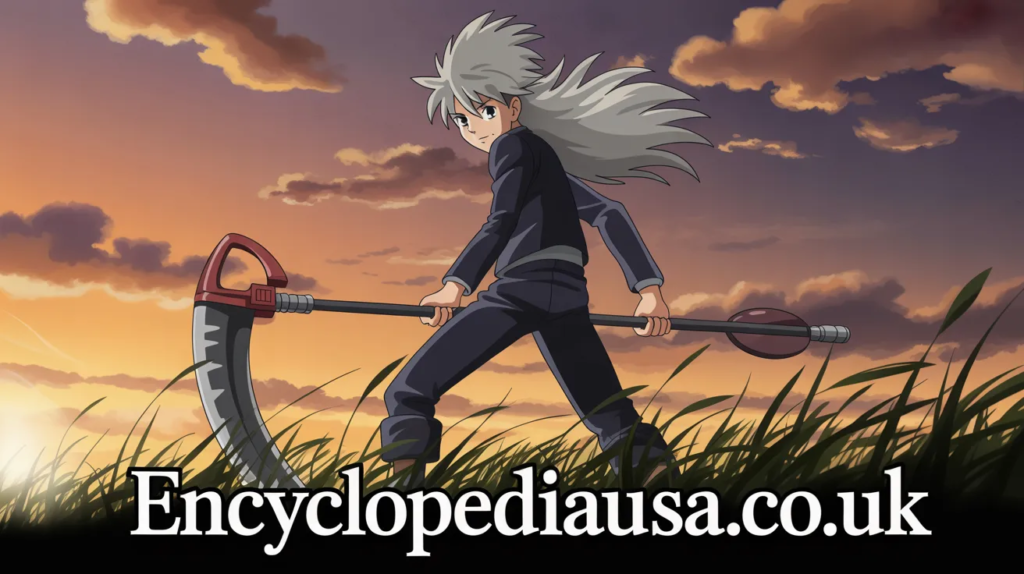
Kite HXH teaches us several valuable lessons through his brief time in the series. First, he shows the importance of adaptability. His Crazy Slots ability forces him to work with whatever he’s given. In life, we rarely get perfect circumstances. Success comes from making the best of what we have.
His willingness to sacrifice himself demonstrates true heroism. Kite doesn’t fight Neferpitou because he thinks he can win. He fights to give Gon and Killua time to escape. Real courage isn’t the absence of fear. It’s acting despite fear to protect others.
The way Kite balances strength with compassion offers another lesson. He’s powerful enough to handle most threats, but he never becomes cruel or arrogant. He respects nature and fights to protect the vulnerable. Power without purpose is meaningless.
His story also explores how we deal with loss. Gon’s unhealthy response to Kite’s death shows what happens when grief turns inward. It becomes destructive. Killua’s response, focusing on saving his friend, shows a healthier path. Both reactions are understandable, but only one leads to healing.
Finally, Kite’s reincarnation suggests that endings aren’t always final. Change is inevitable, but essence can persist through transformation. This applies to personal growth, relationships, and life transitions. We’re constantly being reborn into new versions of ourselves.
Conclusion
Kite HXH stands as one of Hunter x Hunter’s most impactful characters despite his relatively brief appearance. From saving young Gon and setting him on his path to becoming a Hunter, to his tragic death and mysterious rebirth, Kite’s journey embodies the series’ complex approach to storytelling. His sacrifice during the Chimera Ant arc doesn’t just move the plot forward. It fundamentally changes Gon’s character and challenges our understanding of death, identity, and transformation.
What makes Kite unforgettable isn’t just his cool abilities or mentor role. It’s how his story explores deep themes through genuine emotion and consequence. He proves that Hunter x Hunter operates on a different level from typical shonen anime, where death carries real weight and heroism demands sacrifice.
Which aspect of Kite’s character resonates most with you? Do you prefer his role as Gon’s savior and mentor, or does his tragic fate and rebirth hit harder? Share your thoughts with other fans and keep the conversation going about why this character continues to matter years after his story concluded.
Also Read : Labubu Price
