

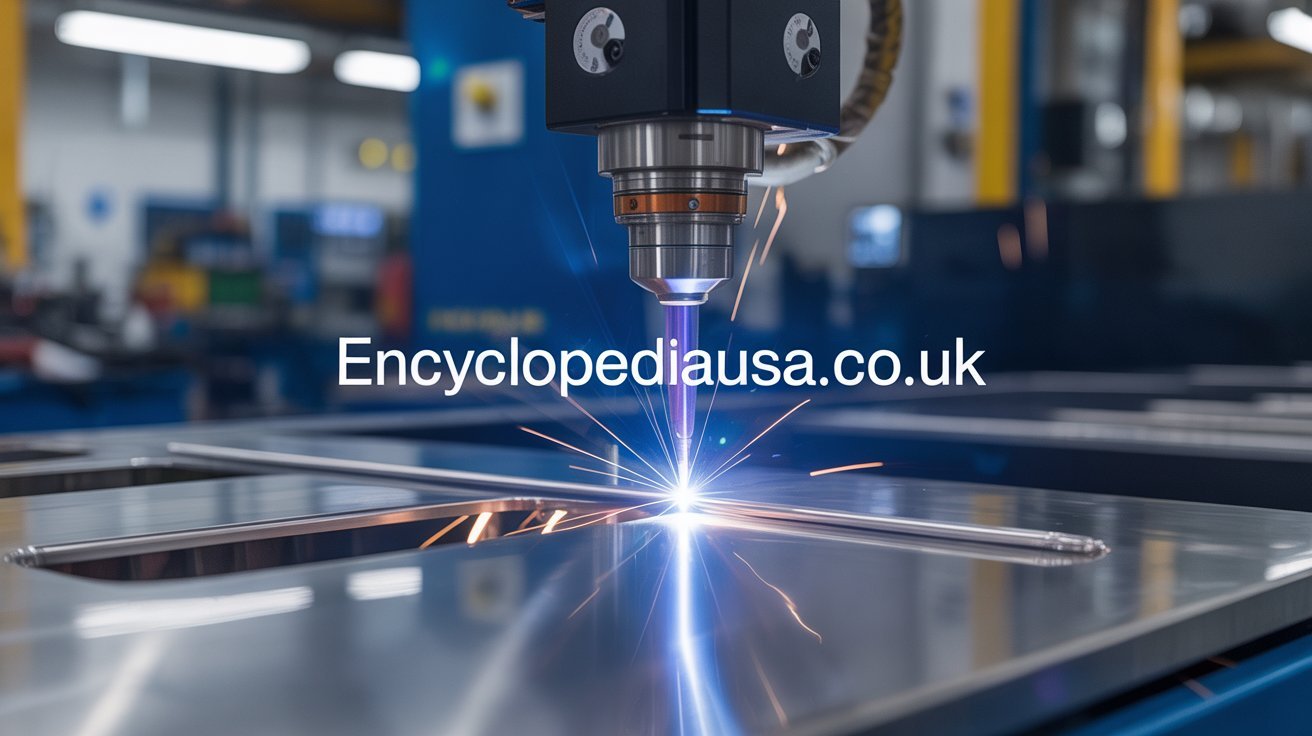
Laser Welder: Revolutionary Tool Transforming Metal Joining
Introduction
Imagine joining two pieces of metal together with pinpoint accuracy, minimal heat distortion, and a clean finish that requires almost no cleanup. This isn’t science fiction. It’s what a laser welder makes possible every single day in workshops around the world.
Traditional welding methods have served us well for over a century, but they come with limitations. Bulky equipment, intense heat spread, visible seams, and extensive post-weld finishing work are just some of the challenges. The laser welder changes this equation completely. This technology brings precision, speed, and quality to metal joining that traditional methods simply cannot match.
Whether you’re a professional fabricator, a manufacturing engineer, or a hobbyist exploring advanced metalworking, understanding laser welder technology opens new possibilities. This comprehensive guide walks you through everything you need to know. You’ll discover how laser welders work, what applications they excel at, the different types available, and how to choose the right one for your needs. Let’s explore why this tool is revolutionizing the metalworking industry.
What Is a Laser Welder
A laser welder uses concentrated light energy to join metal pieces together. The device generates a powerful laser beam that focuses on a tiny spot, creating intense heat that melts the metal. When the molten metal from two pieces flows together and cools, it forms a strong, permanent bond.
The technology behind laser welding is fascinating. The machine produces a laser beam through a process called stimulated emission. This beam travels through optical components that focus it into an extremely small point. The concentrated energy at this focal point generates temperatures exceeding 10,000 degrees Celsius.
What makes laser welding special is the precision and control it offers. The heat affected zone remains incredibly small compared to traditional welding. This means less distortion, less discoloration, and cleaner results. The laser beam can be controlled with remarkable accuracy, allowing you to weld intricate patterns and delicate components.
Key Components of a Laser Welder
Understanding the main parts helps you appreciate how these machines work. The laser source generates the beam. Different types of lasers exist, including fiber lasers, CO2 lasers, and solid state lasers. Each has unique characteristics suited to different applications.
The beam delivery system directs the laser from the source to the workpiece. This typically involves mirrors, lenses, and fiber optic cables. The focusing optics concentrate the beam to achieve the necessary power density. The control system manages beam power, pulse duration, and movement.
Modern laser welders include sophisticated cooling systems. These prevent overheating and maintain consistent performance. Safety features like protective housings, interlocks, and beam shutters protect operators from laser exposure.
How Laser Welding Works
The welding process begins when you position the metal pieces you want to join. The laser beam hits the metal surface at the joint location. The concentrated energy instantly heats the metal to its melting point.
As the metal melts, a small pool of molten material forms. If you’re joining two pieces, the molten metal from both flows together. The laser can move along the joint line, creating a continuous weld. Alternatively, it can pulse at specific points for spot welding.
The molten pool solidifies almost immediately after the laser moves away. This rapid cooling creates a strong metallurgical bond. The entire process happens in fractions of a second for each spot or in seconds for seam welds.
Conduction Versus Keyhole Welding
Two primary laser welding modes exist. Conduction mode welding uses lower power levels. The laser heats the metal surface, and heat conducts into the material. This creates a shallow, wide weld suitable for thin materials and applications where appearance matters.
Keyhole mode welding employs higher power levels. The intense energy vaporizes a small column of metal, creating a deep, narrow cavity. The laser beam penetrates this keyhole, welding deep into the material. This mode allows joining thicker metals with a single pass.
The mode you choose depends on your material thickness and application requirements. Many modern laser welders can switch between modes or operate in intermediate ranges.
Types of Laser Welders
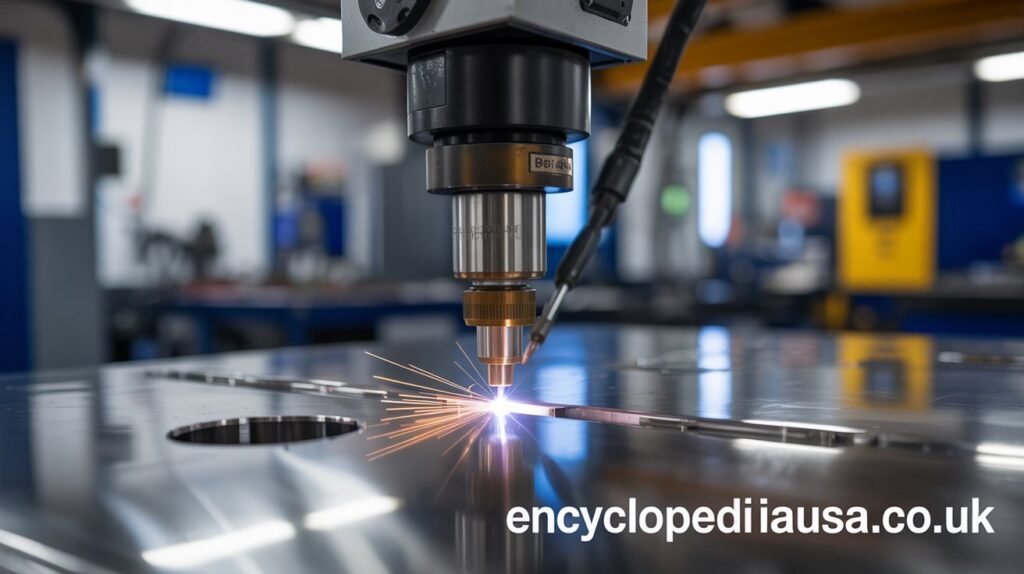
Several laser welder varieties exist, each with distinct characteristics. Understanding these differences helps you select the right tool.
Fiber Laser Welders
Fiber laser welders have become increasingly popular in recent years. These machines use optical fibers doped with rare earth elements to generate the laser beam. The fiber medium provides excellent beam quality and high electrical efficiency.
Fiber lasers excel at welding reflective metals like aluminum and copper. The beam wavelength is readily absorbed by these materials. These welders require minimal maintenance because they have no consumable parts. The compact size makes them suitable for diverse workshop environments.
The initial cost of fiber laser welders has decreased significantly, making them accessible to smaller operations. You’ll find these machines in automotive manufacturing, electronics production, jewelry making, and general fabrication.
CO2 Laser Welders
CO2 laser welders use a gas mixture as the lasing medium. These machines produce a different wavelength than fiber lasers. CO2 lasers work exceptionally well on non-metallic materials and thicker metals.
These welders have been around longer than fiber lasers. The technology is mature and well understood. CO2 laser welders typically cost less initially than equivalent fiber systems. However, they require more maintenance and consume more electricity.
The larger beam diameter of CO2 lasers makes them less suitable for extremely fine work. They shine when welding thicker materials or when a slightly larger heat affected zone is acceptable.
Handheld Laser Welders
The newest category gaining attention is handheld laser welders. These portable devices bring laser welding capability to situations where moving the workpiece isn’t practical. You hold the welding head like a large flashlight and move it along the joint.
Handheld laser welders are revolutionizing repair work, construction, and field applications. They’re much lighter than traditional welding equipment. The learning curve is gentler than conventional welding methods. Results are often cleaner with less grinding and finishing required.
These portable units typically have lower power than industrial stationary systems. However, for many applications, they provide more than enough capability. The convenience factor makes them attractive for maintenance operations and small fabrication shops.
Solid State Laser Welders
Solid state lasers use crystalline materials as the lasing medium. Nd:YAG lasers are the most common type in this category. These welders offer good beam quality and can operate in pulsed or continuous modes.
Solid state laser welders work well for precision applications. You’ll find them in medical device manufacturing, aerospace component production, and electronics assembly. The pulse capability allows extremely fine control over heat input.
Maintenance requirements for solid state systems fall between fiber and CO2 lasers. The laser rods eventually degrade and require replacement, but this happens over extended periods.
Advantages of Laser Welding
Laser welder technology offers numerous benefits that explain its growing adoption across industries.
Precision and Control
The focused laser beam allows welding with exceptional accuracy. You can create welds less than a millimeter wide. This precision enables joining tiny components that would be impossible with traditional methods.
The control extends to heat input. You can adjust laser power, pulse duration, and beam focus to match exact material requirements. This level of control minimizes distortion and prevents damage to heat sensitive components.
Computer controlled laser welders can follow complex patterns with perfect repeatability. This makes them ideal for high volume production where consistency matters.
Minimal Heat Affected Zone
Traditional welding spreads heat broadly around the weld area. This heat affected zone can alter metal properties, cause warping, and create discoloration. Laser welding concentrates heat precisely where needed.
The small heat affected zone means less distortion of the workpiece. Thin materials can be welded without warping. Dissimilar metals that are difficult to join with conventional methods often weld successfully with lasers.
Less heat also means faster cooling cycles. Production speed increases because you don’t wait for parts to cool before handling them.
Clean and Aesthetic Welds
Laser welds typically appear as thin, barely visible lines. The clean appearance often eliminates or significantly reduces finishing work. For visible applications, this saves time and money.
No filler material is usually required. The base metals join directly, creating a homogeneous weld. No spatter occurs, unlike arc welding processes. Your workpieces stay clean.
The reduced finishing requirements mean lower labor costs. Parts move through production faster. The quality and appearance often exceed what’s achievable with traditional methods.
Speed and Efficiency
Laser welding happens quickly. High power lasers can complete welds in fractions of the time required by conventional methods. This speed translates directly to increased productivity.
The efficiency extends to energy use. Modern fiber laser welders convert electrical energy to laser light very efficiently. Operating costs remain reasonable despite the advanced technology.
Automation integration is straightforward. Robotic systems can manipulate laser welding heads with precision. This combination enables lights out manufacturing for appropriate applications.
Applications of Laser Welders
Laser welder technology serves diverse industries and applications. The versatility makes these machines valuable across manufacturing sectors.
Automotive Manufacturing
The automotive industry has embraced laser welding extensively. Car bodies use laser welded seams that are stronger and lighter than traditional spot welds. The clean appearance eliminates the need for covering seams with trim pieces.
Battery production for electric vehicles relies heavily on laser welding. The precision and control allow joining thin battery components without damaging sensitive materials. Laser welding creates the reliable connections essential for safe battery operation.
Transmission components, exhaust systems, and structural elements all benefit from laser welding technology. The automotive sector continues finding new applications as the technology evolves.
Electronics and Technology
Electronic device manufacturing depends on precision joining methods. Laser welders create the tiny connections in smartphones, computers, and other devices. The minimal heat prevents damage to sensitive electronic components.
Battery tabs, shielding cans, connectors, and sensor assemblies all use laser welding. The clean process suits cleanroom environments where contamination must be minimized. The speed supports high volume production requirements.
Wearable technology presents unique challenges that laser welding addresses well. Tiny components, exotic materials, and appearance requirements all favor laser welding methods.
Jewelry and Precious Metals
Jewelers have discovered that laser welders transform their craft. Repairs that were previously impossible or risky become routine. You can weld near gemstones without heat damage because of the concentrated beam.
Creating custom pieces benefits from laser precision. Intricate designs that would challenge traditional soldering methods are achievable. The clean welds require minimal cleanup, preserving fine details.
Resizing rings, repairing chains, and joining dissimilar precious metals all become easier with laser welders. Many jewelry professionals consider these machines essential tools.
Medical Device Production
Medical devices demand the highest quality standards. Laser welding meets these requirements with clean, precise, biocompatible joints. Surgical instruments, implants, and diagnostic equipment use laser welded components.
The hermetic seals created by laser welding protect sensitive electronics inside medical devices. Pacemakers, hearing aids, and monitoring equipment rely on this sealing capability.
Regulatory compliance is easier with laser welding’s consistency and documentation capabilities. The process repeatability helps maintain quality standards across production runs.
Aerospace Components
Aerospace manufacturing values the strength to weight ratio that laser welding provides. Aircraft structures use laser welded assemblies that save weight without sacrificing strength. Engine components withstand extreme conditions thanks to high quality laser welds.
Exotic materials common in aerospace applications often weld better with lasers than traditional methods. Titanium, superalloys, and specialized stainless steels join successfully.
The precision available with laser welding allows tight tolerances essential for aerospace applications. Quality documentation and process control satisfy stringent aerospace requirements.
Choosing the Right Laser Welder
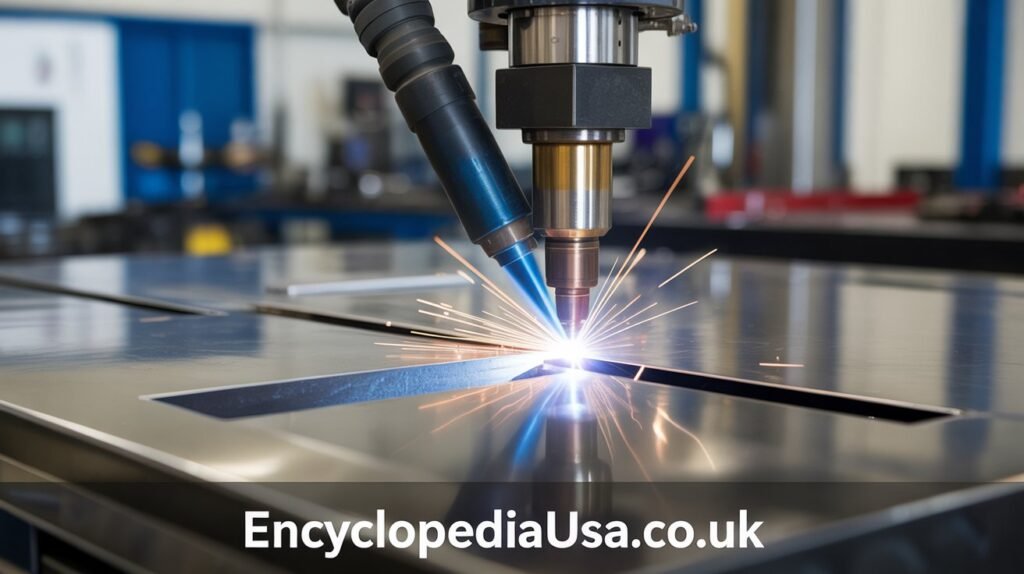
Selecting a laser welder involves considering multiple factors. Your specific needs should drive the decision.
Power Requirements
Laser power directly impacts what materials and thicknesses you can weld. Low power units around 100 watts suit jewelry and electronics. Mid range power from 500 to 2000 watts handles general fabrication. High power systems exceeding 2000 watts tackle heavy industrial applications.
Match the power to your typical workpiece. Buying more power than needed wastes money. Insufficient power frustrates you with inability to complete jobs.
Consider future needs too. If you plan to expand capabilities, a more powerful system might justify the additional investment.
Workspace and Size
Laser welders come in various sizes. Benchtop units fit small workshops. Large industrial systems require dedicated floor space and substantial power supplies.
Evaluate your available space honestly. Consider access for maintenance and material handling. Ensure adequate ventilation if required.
Handheld systems minimize space requirements but sacrifice some capability. Balance portability against performance needs.
Material Compatibility
Different laser types work better with specific materials. Fiber lasers excel at reflective metals like aluminum and copper. CO2 lasers handle a broader material range including some plastics.
List the materials you’ll weld most frequently. Research which laser type optimizes results for those materials. Some welders offer adjustability to accommodate various materials.
Material thickness matters too. Ensure your chosen welder handles the thickness range you encounter.
Budget Considerations
Laser welder prices span a huge range. Basic handheld units start around a few thousand dollars. Industrial fiber laser systems can exceed hundreds of thousands.
Consider total cost of ownership, not just purchase price. Maintenance, consumables, electricity, and training all factor in. More expensive systems often have lower operating costs.
Financing options may make higher quality equipment accessible. The productivity gains might justify the investment through increased revenue.
Ease of Use and Training
Some laser welders require extensive training and experience. Others feature intuitive interfaces suitable for beginners. Consider your team’s skill level and training availability.
User-friendly systems get you productive faster. Complex systems might offer more capability but demand more expertise. Find the right balance for your situation.
Support and training from the manufacturer matter. Good documentation, training programs, and technical support ease the learning curve.
Safety Considerations for Laser Welders
Laser technology involves serious safety concerns that you must address properly.
Eye Protection
Laser light can permanently damage your eyes instantly. Never look directly at the laser beam or specular reflections. Proper laser safety eyewear is mandatory when operating exposed beam systems.
Different laser wavelengths require specific protective eyewear. Ensure your safety glasses match your laser type. Replace damaged eyewear immediately.
Many modern laser welders include enclosed work areas that eliminate direct beam exposure. These designs improve safety significantly.
Skin Protection
High power laser beams can burn skin on contact. Keep body parts away from the beam path. Wear appropriate clothing that covers exposed skin.
Reflected beams pose risks too. Shiny surfaces can redirect laser energy unexpectedly. Organize your workspace to minimize reflective hazards.
Some materials produce hazardous fumes when laser welded. Proper ventilation removes these before they affect you.
Electrical Safety
Laser welders use high voltage electricity. Follow all electrical safety protocols. Ensure proper grounding and use appropriate circuit protection.
Only qualified personnel should service electrical components. Lockout and tagout procedures prevent accidental energization during maintenance.
Keep liquids away from electrical components. Water and electricity create dangerous combinations.
Workplace Organization
Maintain clear laser safety zones around equipment. Post appropriate warning signs. Limit access to trained personnel only.
Develop written safety procedures specific to your laser welder. Train all operators thoroughly. Conduct regular safety refreshers.
Keep fire extinguishers accessible. Some materials can ignite during welding. Quick response prevents small problems from becoming major incidents.
Maintenance and Care
Proper maintenance keeps your laser welder performing optimally and extends its service life.
Regular Cleaning
Optical components require careful cleaning. Dust and debris on lenses or mirrors degrade beam quality. Use proper cleaning materials designed for laser optics.
Clean cooling systems according to manufacturer recommendations. Restricted coolant flow causes overheating and reduced performance. Replace coolant at specified intervals.
Keep the work area clean. Metal particles and debris can damage equipment or create fire hazards.
Alignment Checks
Beam alignment affects weld quality. Periodic alignment verification ensures consistent results. Some systems include alignment aids that simplify this process.
Professional service might be necessary for complex alignment procedures. Follow manufacturer guidelines regarding alignment frequency and methods.
Document alignment checks as part of your quality system. Trending alignment data can predict when service is needed.
Consumable Replacement
Laser welders have various consumables. Protective windows, focusing lenses, and gas supplies require periodic replacement. Track usage and replace before performance degrades.
Quality replacement parts maintain system performance. Cheap alternatives might save money initially but cause problems later.
Keep spare consumables on hand. Downtime waiting for parts costs more than inventory investment.
Calibration and Testing
Regular performance testing verifies your welder operates within specifications. Simple test welds reveal performance changes before they affect production.
Calibration ensures accurate power delivery and parameter control. Some calibrations require specialized equipment. Plan for professional calibration services as needed.
Maintain records of all maintenance and calibration activities. Documentation supports quality systems and helps diagnose problems.
Future of Laser Welding Technology
Laser welder technology continues evolving rapidly. Several trends are shaping the future.
Increased Accessibility
Prices continue dropping as technology matures. What once required massive investment now fits smaller budgets. This democratization brings laser welding to more workshops.
User interfaces are becoming more intuitive. Advanced features that required expert knowledge now have simplified controls. More people can achieve professional results.
Educational resources are expanding. Training materials, online communities, and support networks help newcomers succeed.
Improved Capabilities
Power levels continue increasing while equipment size decreases. You’ll see more capability in more compact packages. Portable systems will match current stationary system performance.
Beam quality improvements enable finer work. New laser sources provide better control and efficiency. Material compatibility expands as technology advances.
Hybrid systems combining laser welding with other processes are emerging. These integrated solutions streamline production by combining operations.
Automation and Integration
Artificial intelligence and machine learning are entering laser welding. Smart systems will optimize parameters automatically. Quality monitoring will catch defects in real time.
Robotic integration will become more sophisticated. Collaborative robots will work safely alongside human operators. Flexible automation will handle small batch production economically.
Cloud connectivity will enable remote monitoring and diagnostics. Manufacturers will predict maintenance needs before breakdowns occur.
Conclusion
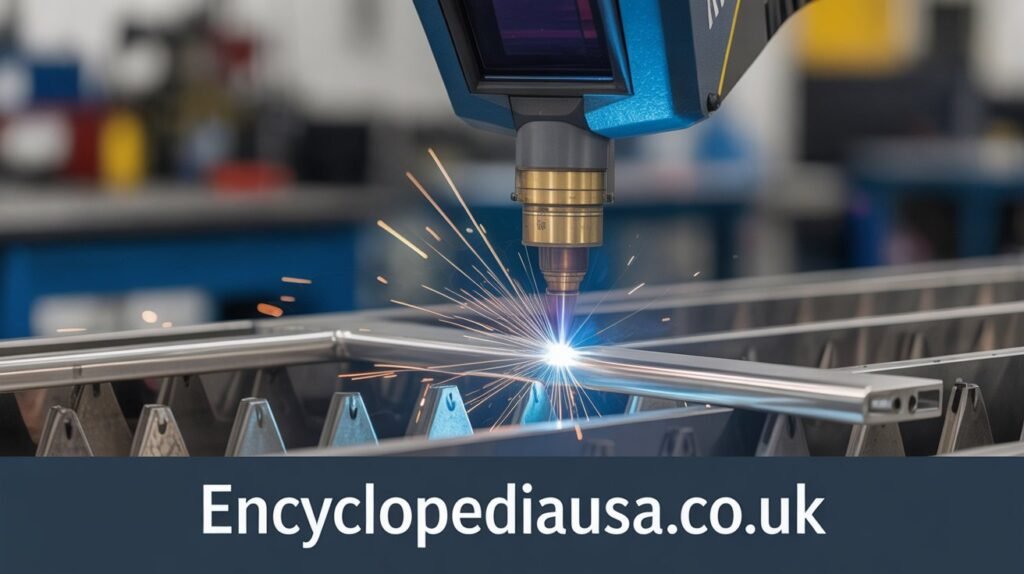
The laser welder represents a significant advancement in metal joining technology. Its precision, speed, and quality advantages make it indispensable across industries. From jewelry repair to aerospace manufacturing, these versatile tools solve challenges that traditional methods cannot.
Understanding how laser welders work, their various types, and their applications helps you appreciate their value. Whether you’re considering purchasing one or simply want to understand the technology, this knowledge empowers better decisions. The safety considerations and maintenance requirements deserve serious attention to protect operators and maximize equipment life.
As laser welding technology becomes more accessible and capable, its adoption will continue growing. The benefits it provides in quality, efficiency, and capability justify the investment for many applications. The future promises even more impressive developments as the technology matures.
Are you ready to explore how a laser welder might transform your metalworking capabilities? The precision and quality these machines deliver could be exactly what your projects need.
Frequently Asked Questions
How much does a laser welder cost?
Laser welder prices vary enormously based on type and capability. Basic handheld units start around three to five thousand dollars. Professional handheld systems range from eight to fifteen thousand dollars. Industrial fiber laser welding systems typically cost between fifty thousand and several hundred thousand dollars. Your specific needs determine the appropriate investment level.
Can a laser welder work on aluminum?
Yes, laser welders can effectively weld aluminum. Fiber lasers work particularly well with aluminum because their wavelength is readily absorbed by this reflective metal. The key is having sufficient power for your material thickness. Aluminum’s high thermal conductivity requires proper parameter settings, but modern laser welders handle it routinely.
Is laser welding stronger than traditional welding?
Laser welding typically produces joints as strong or stronger than the base metal. The narrow heat affected zone and rapid cooling create favorable metallurgical properties. Properly executed laser welds often exceed the strength of conventional welds. The minimal distortion and precise control contribute to overall joint quality and reliability.
Do you need special training to use a laser welder?
Training requirements depend on the system complexity. Simple handheld laser welders designed for beginners can be learned relatively quickly with basic instruction. Industrial systems require more extensive training. Laser safety training is mandatory for all users. Most manufacturers provide training programs. Previous welding experience helps but isn’t always necessary.
What materials cannot be laser welded?
Most metals can be laser welded with appropriate equipment and parameters. Highly reflective materials like copper require fiber lasers with sufficient power. Some material combinations are challenging due to incompatible metallurgy. Extremely thick materials might exceed portable system capabilities. Consult laser welder specifications and material compatibility charts for your specific application.
How long do laser welders last?
Laser welder lifespan depends on type and usage. Fiber laser sources typically last twenty thousand to one hundred thousand hours. CO2 laser tubes might need replacement after five to ten thousand hours. Proper maintenance significantly extends equipment life. Quality brands with good support often operate reliably for decades with appropriate care.
Can laser welders cut metal too?
Many laser systems designed for cutting can also weld, and some welding lasers can perform limited cutting. However, specialized laser cutters typically work better for cutting applications. The power levels and beam characteristics optimized for welding differ from cutting requirements. Some versatile systems handle both operations with parameter changes.
Are handheld laser welders safe?
Handheld laser welders incorporate safety features that make them safer than open beam industrial systems. Most include protective viewing windows that filter laser light. The enclosed design prevents direct beam exposure. However, laser safety protocols still apply. Proper training and following manufacturer safety guidelines ensure safe operation.
What thickness can laser welders handle?
Thickness capability depends on laser power and type. Low power handheld units effectively weld materials up to three or four millimeters thick. Mid range industrial systems handle up to ten millimeters in single pass welds. High power lasers can weld much thicker materials. Multiple passes extend capability for thicker sections.
Do laser welds require filler material?
Most laser welding applications join base metals directly without filler material. The concentrated heat melts the workpiece edges, which flow together and solidify. However, filler wire can be added when needed to fill gaps, adjust chemistry, or increase weld volume. Wire feed systems integrate with laser welders for applications requiring filler.
Read More: Oracle Layoffs
Category
Manufacturing / Metalworking / Welding Technology
Tags
Laser Welder, Laser Welding Technology, Fiber Laser Welder, Precision Welding, Metal Joining, Handheld Laser Welder, Industrial Welding, Fabrication Equipment, Advanced Manufacturing, Welding Innovation, Metal Fabrication, Laser Technology, Manufacturing Equipment, Precision Metalworking, Welding Solutions
Author Bio: John Harwen
A manufacturing technology specialist with extensive experience in advanced metalworking processes and industrial equipment. Having worked with laser welding systems across various industries, the author brings practical knowledge and technical expertise to help readers understand complex manufacturing technologies. Passionate about making advanced manufacturing accessible and understandable, the author translates technical concepts into clear, actionable information for professionals and enthusiasts alike.