

Exploring the Wonders of Lava Rock: Nature’s Volcanic Marvel 2026
Introduction to Lava Rock
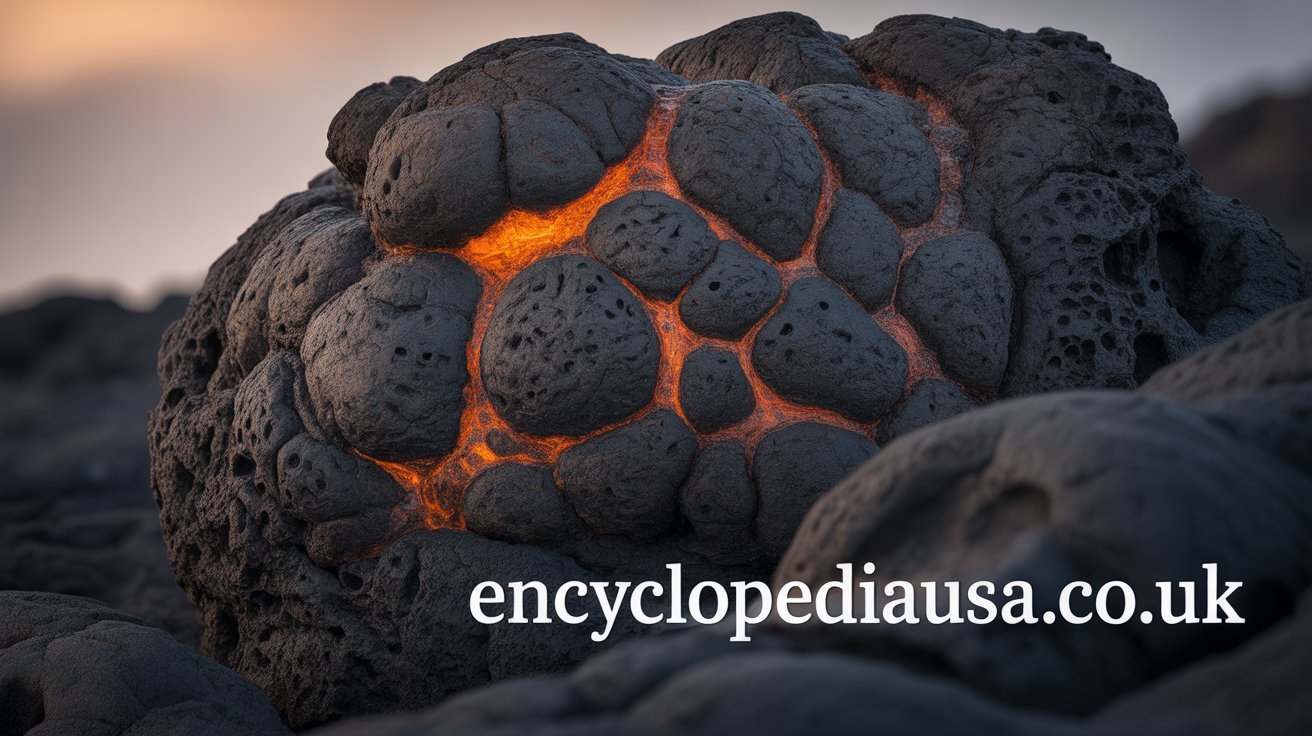
Lava rock, also known as volcanic rock, is an intriguing natural material that originates from volcanic eruptions. This type of rock is formed when molten lava cools and solidifies, creating various textures and structures depending on the conditions under which it solidifies. The initial eruption of lava occurs at various tectonic plates, which often leads to the formation of new landforms as the lava flows and cools over time.
There are several types of lava rock, each distinguished by its unique properties. Basalt, for example, is one of the most common types of volcanic rock, formed from quickly cooled lava that solidifies into a dense, fine-grained texture. Another significant type is pumice, a light and porous rock that often forms when lava is rapidly depressurized and cooled, trapping gas bubbles in the process. Scoria, on the other hand, is characterized by its darker color and vesicular texture, which is the result of gas escaping from the lava as it solidifies. These varieties of lava rock contribute to the diverse landscapes found in volcanic regions around the world.
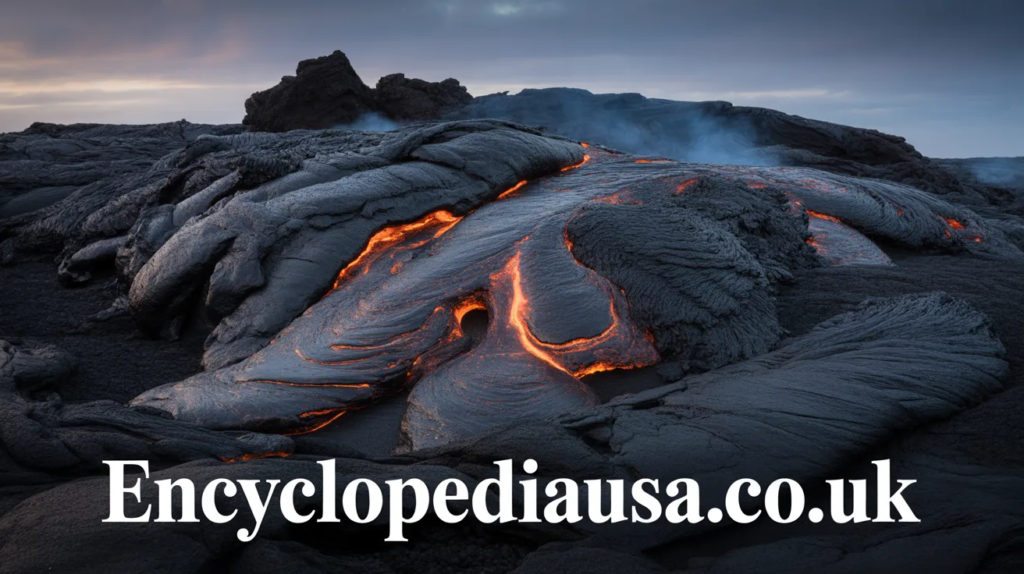
The significance of lava rock extends beyond its geological origins; it plays a crucial role in both natural ecosystems and various human applications. In nature, lava rock provides habitats for a range of flora and fauna, contributing to the biodiversity of volcanic landscapes. Furthermore, its unique properties lend themselves to numerous uses in construction, landscaping, and gardening, as well as in water purification and soil amendment processes. As we explore the wonders of lava rock, we gain a better understanding of its formation, types, and the impact it has on the environment and human industries.
The Formation Process of Lava Rock
Lava rock, also known as igneous rock, originates from molten lava that escapes from underground magma chambers during volcanic eruptions. When a volcano erupts, it releases not only lava but also various gases and particulate matter. The initial stage involves the eruption of lava at temperatures reaching up to 1,200 degrees Celsius (2,192 degrees Fahrenheit). As the lava flows from the volcano, it begins to cool and undergoes a transformation from a liquid state to a solid one.
The speed at which lava cools significantly affects its texture and composition. When lava flows rapidly cool, such as in contact with water or air, it can form volcanic glass or fine-grained rocks like obsidian. Conversely, when it cools slowly, typically within the Earth’s crust, it creates coarser-textured rocks. The cooling environment can greatly alter the characteristics of the resulting lava rock, leading to the formation of basalt, pumice, or scoria, among others.
The mineral content of lava also plays a crucial role in determining the type of lava rock produced. For instance, basalt, which is formed from low-viscosity lava that allows gases to escape easily, tends to have a fine texture and is rich in iron and magnesium. In contrast, volcanic rocks like pumice have a highly porous nature, originating from lava that traps gas bubbles during the cooling process. This diverse range of rock types emphasizes the importance of volcanic eruptions and their respective cooling conditions in the formation of lava rock.
Understanding the formation process of lava rock reveals its complexity and the various factors that contribute to its characteristics. The fascinating interplay between heat, pressure, and various environmental conditions continuously shapes the landscape of our planet, making lava rock not only a geological feature but also a significant component of Earth’s natural beauty.
Types of Lava Rock and Their Properties
Lava rock encompasses a variety of forms that result from volcanic activity, each exhibiting unique characteristics and physical properties. The primary types of lava rock include basalt, pumice, scoria, and obsidian, each playing a significant role in geological processes and human applications.
Basalt is perhaps the most prevalent type of lava rock, forming extensive volcanic landscapes. This dense, dark-colored stone is primarily composed of pyroxene and plagioclase, giving it a fine-grained texture. Basalt is known for its durability and strength, making it suitable for construction materials and road aggregates. Its color typically ranges from gray to black, occasionally showcasing subtle greenish tints due to mineral content.
Pumice is characterized by its light weight and porous texture. As a volcanic glass that cools quickly, pumice contains numerous air pockets, resulting in a foamy structure. Its light color, ranging from white to light gray, coupled with its abrasive properties, makes pumice a popular choice in beauty products, horticulture, and construction, often used as an additive in lightweight concrete.
Scoria, another type of volcanic rock, is similar to pumice but generally darker and heavier. Scoria is characterized by its rich reddish-brown color and vesicular texture, indicating a high concentration of gas bubbles formed during its solidification. Commonly used in landscaping and drainage systems, scoria’s aesthetic appeal and lightweight nature provide functional and decorative benefits.
Finally, obsidian is a naturally occurring volcanic glass formed from rapidly cooled lava, which gives it a smooth, shiny surface. Typically black, obsidian may also appear in hues of green, brown, or even translucent tones. Due to its sharp edges when fractured, it has been utilized for making tools and weapons throughout history.
Uses of Lava Rock in Landscaping
Lava rock has emerged as a prominent material in landscaping due to its aesthetic appeal and inherent durability. This unique volcanic stone is widely utilized in various gardening applications, making it an excellent choice for homeowners and landscapers alike. Commonly, lava rock is used as ground cover, where it serves to suppress weed growth while providing a natural and rustic look to garden beds. Unlike traditional mulch, lava rock does not decompose over time, ensuring that the landscape remains intact and visually pleasing for years.
Another popular application of lava rock is in decorative features. Its striking colors and textures can enhance the beauty of any landscape design. Gardeners often incorporate lava rock into ornamental gardens, pathways, and as a border around flower beds. The diverse sizes and shapes of lava rock allow for creative installations that draw attention and can complement a wide range of gardening styles.
In addition to its aesthetic benefits, lava rock is particularly effective for drainage purposes. Its porous structure promotes water retention in the soil while allowing excess moisture to escape, which is crucial in preventing root rot in plants. This drainage feature makes lava rock an ideal substrate for potted plants and in areas with heavy rainfall. By choosing lava rock for these purposes, landscapers can ensure better moisture management and healthier plant growth.
Compared to other landscaping materials, such as gravel or traditional mulch, lava rock provides numerous advantages. It is lightweight yet durable, and its natural color variations enhance the visual appeal of landscapes. Furthermore, lava rock is resistant to fading, ensuring that it remains vibrant over time, thereby making it a more sustainable landscaping choice.
Lava Rock in Construction and Building Materials
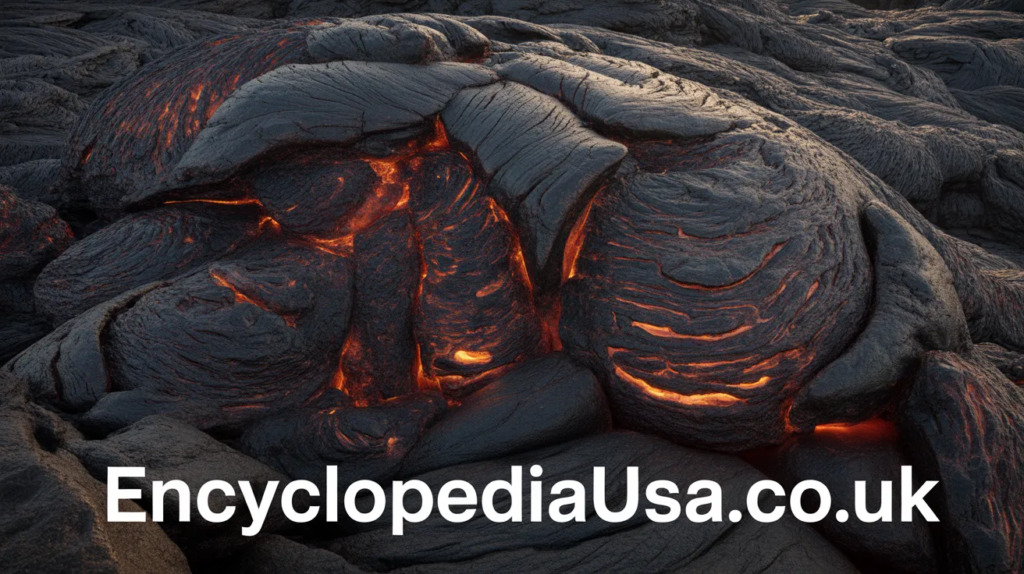
Lava rock, formed from volcanic activity, has gained popularity in the field of construction and building materials due to its unique properties and versatility. This natural material is not only aesthetically pleasing but also exemplifies sustainability. Given its lightweight and porous nature, lava rock proves to be an excellent aggregate for creating concrete, enhancing structural characteristics without adding excessive weight.
When utilized as an aggregate in concrete production, lava rock contributes to superior thermal insulation and fire resistance. The porous texture of lava rock allows it to trap air pockets, elevating the material’s thermal performance. This characteristic is particularly advantageous in energy-efficient building designs, as it mitigates heat transfer, thus reducing energy consumption for heating and cooling buildings.
Moreover, the insulating properties of lava rock extend beyond concrete. It is often used as a thermal insulation material in various construction applications, contributing to improved energy efficiency. Additionally, the use of lava rock in masonry work, such as bricks and block walls, serves to provide durability while still being lightweight. This combination of durability and lower environmental impact aligns well with current trends toward sustainable building practices.
The incorporation of lava rock in construction not only emphasizes the practical benefits of this volcanic material but also highlights the role it plays in promoting eco-friendly practices. With increasing awareness of environmental concerns, the demand for natural building materials like lava rock is on the rise, paving the way for a greener future in building design. Utilizing such natural resources helps balance aesthetics with functionality, making lava rock a smart choice for modern construction projects.
Lava Rock in Gardening and Horticulture
Lava rock is emerging as a popular choice in the gardening and horticultural community due to its unique properties and benefits. One of the primary advantages of using lava rock is its ability to improve soil drainage. When incorporated into garden beds, the porous structure of lava rock allows for excellent aeration, preventing water from pooling and ensuring that plant roots have access to sufficient oxygen. This quality is particularly beneficial in areas prone to heavy rain, where soil compaction can impede plant health.
Additionally, lava rock is rich in minerals that can enhance the growth of various plants. It contains essential nutrients like potassium, calcium, and magnesium, which contribute to soil fertility. When utilized as an amendment in potting mixes or garden soils, lava rock can help create a nutrient-rich environment that supports healthier plant development. Its slow release of minerals can be particularly advantageous for long-term crops, reducing the need for frequent fertilization.
Furthermore, lava rock serves effectively as a mulch material. By applying a layer of lava rock around plants, gardeners can help suppress weed growth while retaining soil moisture. This is especially useful in arid climates, where maintaining soil hydration is crucial for plant survival. The attractive appearance of lava rock also adds an aesthetically pleasing touch to garden landscapes, making it a favored choice for decorative mulch.
For practical application, gardeners can use lava rock in a variety of styles such as xeriscaping, container gardening, or raised beds. When planning a garden that utilizes lava rock, it is advisable to consider the specific needs of the plants being grown, ensuring that the rock is not too large, as this may impede the establishment of smaller root systems. Ultimately, integrating lava rock into gardening practices not only benefits plant health but also promotes sustainable landscaping techniques.
The Cultural Significance of Lava Rock
Lava rock, formed by the cooling and solidification of lava, holds profound cultural significance across various societies, particularly in regions that experience frequent volcanic activity. These black and porous stones are more than just geological formations; they are versatile materials used in a wide array of applications ranging from art to architecture, significantly influencing local heritage.
In many Pacific Island cultures, lava rock is revered not only for its physical qualities but also for its spiritual connections. For example, in Hawaii, volcanic rock is often integrated into traditional practices and rituals. The stones are associated with deities, and it is common to find them in ceremonial sites. The use of lava rock in construction, such as in the creation of heiau (temples), reflects a deep respect for the land and its volcanic origins. This shows how these stones transcend mere utility; they embody cultural narratives and traditions.
Additionally, in areas like Italy, where Mount Etna’s eruptions have shaped the land, lava rock is extensively used in architecture. The material is prized for its durability and aesthetic appeal, featuring prominently in buildings that are both functionally robust and architecturally beautiful. Artists and sculptors also utilize lava rock, carving it into intricate works that celebrate the surrounding environment while preserving cultural stories.
Furthermore, lava rock’s use in outdoor landscaping has become prevalent, with many communities incorporating it into public spaces, gardens, and parks. This not only enhances the natural beauty but also promotes a sense of community identity rooted in volcanic history. Consequently, the multi-faceted role of lava rock in these societies highlights its importance as a symbol of cultural pride and resilience.
Environmental Impact of Lava Rock Mining
Lava rock mining, while beneficial for various industrial applications, poses significant environmental challenges that warrant careful examination. One of the primary concerns is habitat disruption. The extraction processes often necessitate the removal of vegetation and soil, which can lead to a loss of biodiversity. The local fauna relies on these ecosystems for survival, and their displacement can have severe repercussions on food webs and ecological balance.
Additionally, the mining activities can contribute to soil erosion and water quality degradation. When lava rock is removed, the stabilization that vegetation provides is lost, leading to increased runoff and sedimentation in nearby waterways. This, in turn, can adversely affect aquatic ecosystems, diminishing water quality and endangering fish and other aquatic organisms.
In an effort to mitigate these environmental impacts, several sustainability practices have been proposed and implemented within the lava rock mining industry. For instance, responsible mining operations are increasingly prioritizing land reclamation efforts. This involves restoring mined areas to their natural state post-extraction, which not only helps to reestablish habitat but also aids in the recovery of native plant and animal populations. Moreover, the use of selective mining techniques reduces the volume of rock extracted and minimizes the disturbance of surrounding environments, thereby promoting more sustainable resource management.
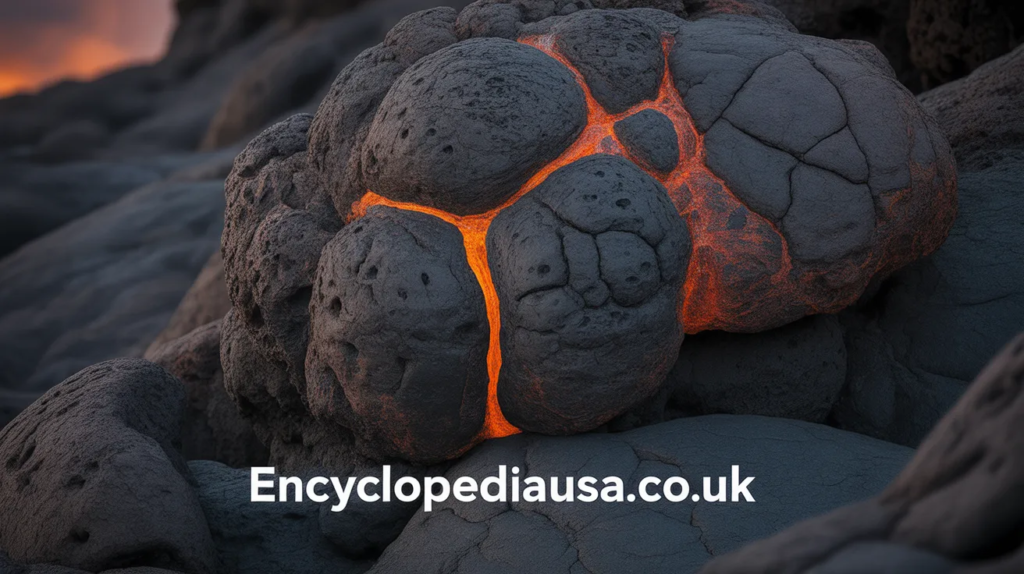
However, achieving a balance between commercial use of lava rock and ecological preservation remains a complex challenge. It requires coordinated efforts among industry stakeholders, environmental organizations, and regulatory bodies to ensure that mining practices do not compromise the integrity of ecosystems. Ultimately, understanding the environmental impact of lava rock mining is crucial for developing strategies that prioritize both economic benefits and ecological health.
Conclusion: The Lasting Legacy of Lava Rock
Lava rock, with its distinctive characteristics and origins, holds a significant place both in natural ecosystems and human endeavors. Its origins, stemming from volcanic eruptions, give it a unique formation process that contributes to its lightweight yet durable nature. This remarkable geological material serves a myriad of purposes, ranging from landscaping to construction, highlighting its multifaceted utility.
In the natural world, lava rock fosters diverse habitats and influences soil composition, thus playing an essential role in sustaining various flora and fauna. Its porous structure not only aids in water retention but also encourages aeration, making it conducive for gardening and agriculture. In addition, its aesthetic appeal is utilized in landscaping, providing beautiful, natural elements that enhance outdoor spaces.
In human applications, lava rock has been embraced in industries ranging from landscaping to building materials, showcasing its versatility. Whether used as aggregates in concrete or as decorative stones, it encourages creativity and innovation while ensuring resourceful practices. The durability of this volcanic rock makes it a sustainable choice, requiring less frequent replacement compared to other materials.
However, with its increasing popularity, it is vital to approach the extraction and use of lava rock with respect for the environment. Unsustainable mining practices can lead to the depletion of natural resources and disruption of local ecosystems. Therefore, promoting responsible use and sustainable practices in leveraging lava rock’s benefits is essential for future generations.
In conclusion, the legacy of lava rock is marked by its inherent beauty, practical applications, and the need for respect towards our natural resources. By appreciating and utilizing this volcanic marvel responsibly, society can enjoy the benefits it offers while maintaining a commitment to environmental sustainability.
Also Read : Black Leather Jacket
