

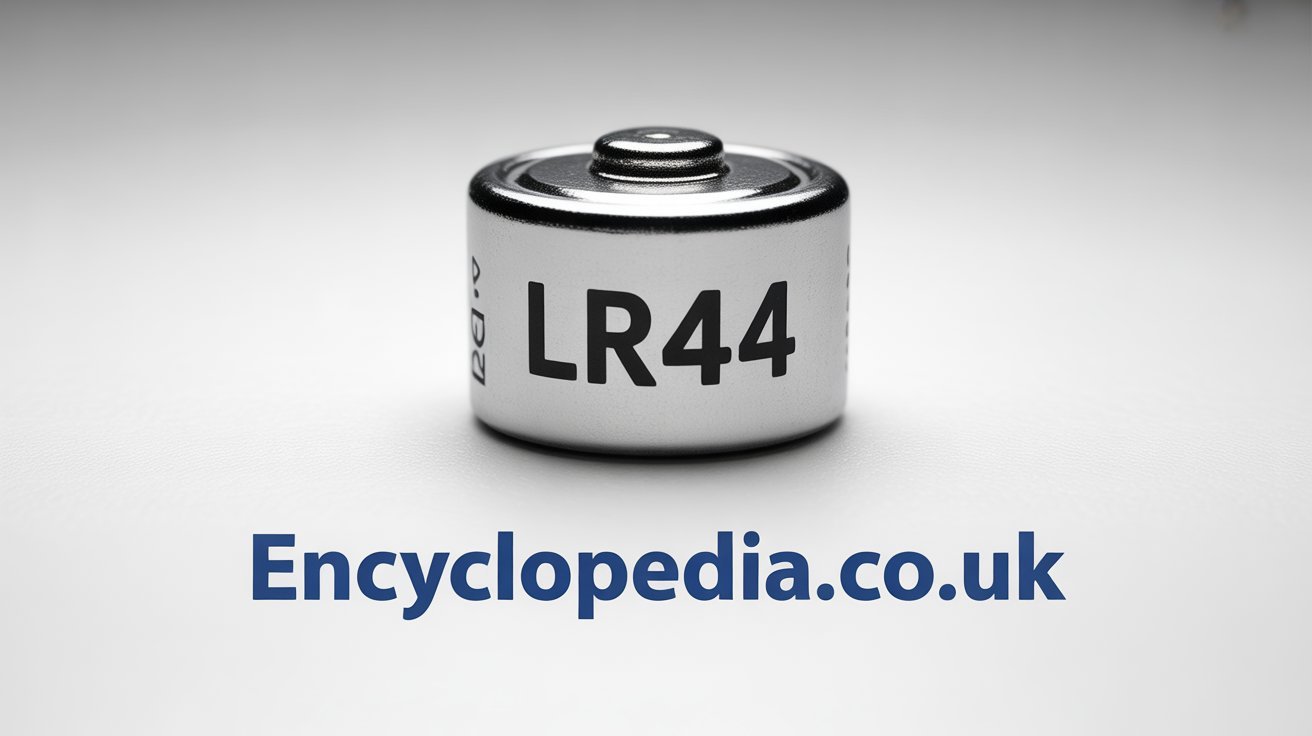
The Ultimate LR44 Battery Guide: Everything You Need to Know
Introduction
You’re holding a small device—maybe a digital thermometer, a laser pointer, or your kid’s favorite toy—and it suddenly stops working. You pop open the battery compartment and find a tiny button cell stamped with “LR44.” Sound familiar?
The LR44 battery is one of those small but mighty power sources you probably use more often than you realize. It’s tucked inside everything from calculators to medical devices, keeping your everyday gadgets running smoothly. Yet despite how common it is, many people don’t know much about it—what it does, how long it lasts, or what other batteries can replace it.
In this guide, I’ll walk you through everything you need to know about the LR44 battery. You’ll learn what makes it special, where it’s used, how to choose the right replacement, and tips to make it last longer. Let’s dive in.
What Is an LR44 Battery?
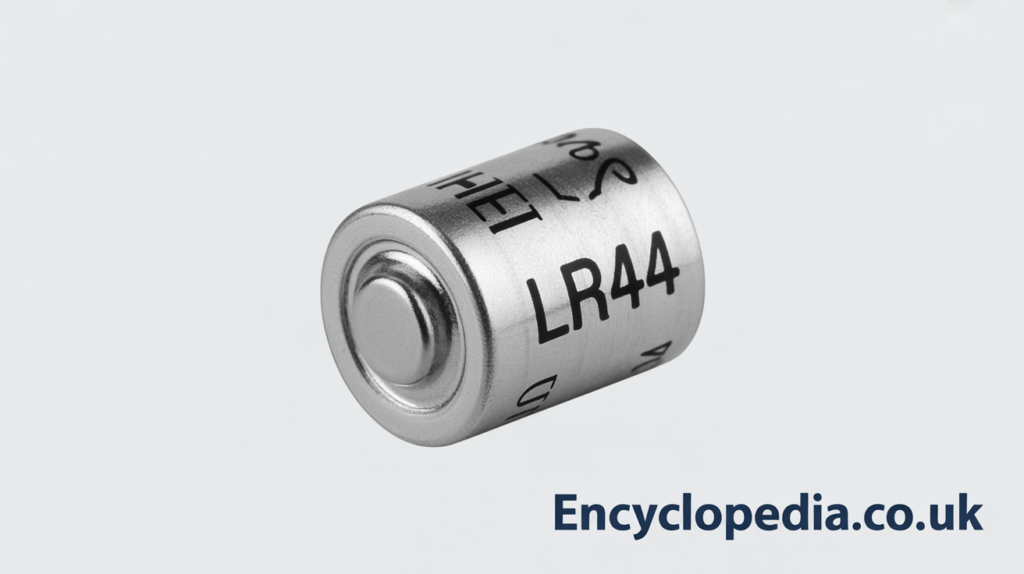
The LR44 battery is a small, round alkaline button cell battery. It’s about 11.6mm in diameter and 5.4mm in height—roughly the size of a shirt button. Don’t let its tiny size fool you, though. This little powerhouse delivers 1.5 volts of reliable energy.
The “LR” in its name stands for alkaline chemistry. The “44” is simply a size designation. You’ll find this battery under different names depending on the manufacturer, but they all refer to the same basic thing.
Common Features of the LR44 Battery
- Voltage: 1.5V
- Chemistry: Alkaline
- Diameter: 11.6mm
- Height: 5.4mm
- Capacity: Typically 110-150 mAh
- Shelf Life: 3-5 years when stored properly
The LR44 is known for its stable voltage output and decent shelf life. It’s designed for low-drain devices that need consistent, long-term power rather than quick bursts of high energy.
Where Are LR44 Batteries Used?
You’d be surprised how many devices rely on the LR44 battery. It’s one of those components you never think about until you need it. Here’s where you’ll commonly find them:
Medical Devices
- Digital thermometers
- Blood glucose meters
- Pulse oximeters
- Hearing aid testers
Household Items
- Calculators
- Digital watches
- Kitchen timers
- Bathroom scales
Toys and Gadgets
- Small LED flashlights
- Laser pointers
- Remote controls
- Electronic toys
Photography Equipment
- Light meters
- Some camera accessories
The LR44 battery powers devices that need steady, reliable energy over extended periods. If you have kids, you’ve probably replaced these batteries in toys more times than you can count.
LR44 Battery Equivalents: What Can You Use Instead?

Here’s where things get a bit confusing. The LR44 battery goes by many different names. Manufacturers label them differently, but they’re essentially the same battery. Knowing these equivalents can save you time and frustration when you’re shopping.
Direct Equivalents
- AG13 (common alternative name)
- A76 (Energizer’s designation)
- 357 (silver oxide version with slightly different characteristics)
- SR44 (silver oxide version)
- L1154 (another alkaline version)
- 157 (similar size and voltage)
Understanding the Difference: Alkaline vs. Silver Oxide
Not all equivalents are created equal. While LR44 is alkaline, some alternatives like SR44 and 357 are silver oxide batteries.
Alkaline (LR44):
- Lower cost
- Voltage drops gradually over time
- Good for low-drain devices
- Shorter lifespan in high-drain applications
Silver Oxide (SR44, 357):
- Higher cost
- Maintains stable voltage longer
- Better for watches and precision instruments
- Longer lifespan overall
I usually recommend sticking with alkaline LR44 batteries for everyday devices like toys and thermometers. But for watches or devices where consistent voltage matters, silver oxide alternatives are worth the extra cost.
How Long Does an LR44 Battery Last?
This is the million-dollar question, and unfortunately, there’s no one-size-fits-all answer. The lifespan of an LR44 battery depends entirely on how you use it.
Factors That Affect Battery Life
Device Power Consumption A calculator that’s used occasionally might run on an LR44 for over a year. A continuously operating device will drain it much faster.
Usage Frequency The more you use the device, the quicker the battery depletes. Simple enough, right?
Temperature Extreme cold or heat can reduce battery performance. Store your batteries (and devices) in moderate temperatures for best results.
Storage Conditions Batteries lose charge even when not in use. Proper storage extends shelf life significantly.
Typical Lifespan Estimates
- Low-drain devices (calculators, remote controls): 1-2 years
- Medium-drain devices (digital thermometers, watches): 6-12 months
- High-drain devices (toys with lights/sounds, laser pointers): 3-6 months
- Shelf life (unused, properly stored): 3-5 years
Keep in mind these are rough estimates. Your actual mileage may vary based on the factors mentioned above.
How to Know When Your LR44 Battery Needs Replacing
Unlike rechargeable batteries, you can’t simply plug in an LR44 for a refresh. Once it’s drained, it’s done. Here are the telltale signs it’s time for a replacement:
Common Warning Signs
- Your device stops working or powers off randomly
- Display screens become dim or fade
- Response time slows down (sluggish buttons, delayed reactions)
- Devices that produce sound become quieter or distorted
- LED lights appear dimmer than usual
Some devices have low-battery indicators, but many don’t. If your gadget starts acting wonky, the LR44 battery is often the culprit.
Testing Your LR44 Battery
You can test an LR44 battery with a multimeter. Set it to DC voltage and touch the probes to the battery’s positive and negative terminals. A fresh LR44 should read around 1.5V. If it drops below 1.2V, it’s time for a replacement.
Buying Guide: What to Look for When Purchasing LR44 Batteries
Not all LR44 batteries are created equal. Here’s what you should consider before making a purchase.
Brand Quality Matters
Premium Brands:
- Energizer
- Duracell
- Panasonic
- Sony
These brands typically offer better quality control and longer-lasting batteries. Yes, they cost more, but they’re worth it for important devices.
Budget Brands: Generic or lesser-known brands are fine for non-critical devices. Just don’t expect them to last as long.
Buy in Bulk (But Not Too Much)
LR44 batteries are cheaper when purchased in packs. But remember, they have a shelf life. Buy what you’ll reasonably use within 2-3 years.
Check the Expiration Date
Always look for the expiration or “use by” date on the package. Fresh batteries perform better and last longer.
Where to Buy
- Online retailers (Amazon, eBay): Great prices, bulk options
- Electronics stores (Best Buy, RadioShack): Convenient, reliable
- Pharmacies (CVS, Walgreens): Good for medical devices
- Dollar stores: Budget-friendly but check quality
I’ve found that buying multipacks online gives you the best value, especially if you have multiple devices that use LR44 batteries.
How to Properly Store LR44 Batteries

Proper storage can significantly extend your battery’s shelf life. Here’s how to do it right:
Storage Best Practices
Keep Them Cool and Dry Store batteries in a cool, dry place. Room temperature (around 20°C or 68°F) is ideal. Avoid hot garages, damp basements, or areas with temperature fluctuations.
Leave Them in Original Packaging The packaging protects batteries from moisture and prevents accidental contact with metal objects that could cause short circuits.
Avoid Metal Contact Don’t store loose batteries together or with metal objects like coins or keys. This can cause short circuits and drain the batteries.
Don’t Refrigerate Despite what you might have heard, refrigerating modern alkaline batteries doesn’t help. It can actually cause condensation issues.
Safety Considerations
Never store damaged or leaking batteries. Dispose of them properly. Keep all batteries away from children and pets. While LR44 batteries are small, they pose a serious choking hazard.
Environmental Impact and Disposal
LR44 batteries contain chemicals that shouldn’t end up in regular trash. Here’s how to handle them responsibly.
Proper Disposal Methods
Recycling Programs Many retailers (including Home Depot, Best Buy, and Lowe’s) offer battery recycling programs. Drop off your used batteries at designated collection points.
Municipal Hazardous Waste Programs Check with your local waste management agency. Many communities have specific days for hazardous waste collection.
Mail-In Programs Some organizations offer mail-in battery recycling services. You collect batteries in a container, then mail them in for proper disposal.
Why Proper Disposal Matters
Button cell batteries contain materials like mercury, zinc, and lithium. When improperly disposed of, these materials can leach into soil and groundwater. Recycling recovers these materials for reuse while protecting the environment.
Tips to Extend LR44 Battery Life
Want to squeeze more life out of your LR44 batteries? Here are some practical tips:
Device Usage Tips
Remove Batteries from Unused Devices If you’re not using a device for an extended period, take out the batteries. This prevents slow drainage and potential leakage.
Turn Off Devices When Not in Use Obvious, but worth mentioning. Don’t leave devices running unnecessarily.
Clean Battery Contacts Dirty or corroded contacts reduce efficiency. Use a cotton swab with rubbing alcohol to clean them periodically.
Avoid Temperature Extremes Don’t leave battery-powered devices in hot cars or freezing environments.
Purchasing Tips
Buy Fresh Batteries Check expiration dates and buy from retailers with high turnover.
Consider Silver Oxide for Critical Devices For watches or medical devices, silver oxide equivalents (SR44) last longer and maintain consistent voltage.
Troubleshooting Common LR44 Battery Issues
Running into problems? Here are solutions to common issues:
Battery Doesn’t Fit Properly
Even though batteries might be labeled as equivalents, slight variations in size can occur. Make sure you’re using the correct type for your device. Check the device manual for specific battery recommendations.
Device Still Doesn’t Work After Battery Replacement
The problem might not be the battery. Check for corroded contacts, ensure proper polarity (+/-), and verify that all connections are secure. Sometimes the issue lies with the device itself.
Battery Drains Too Quickly
This could indicate a device malfunction. If new batteries drain rapidly, the device might be drawing too much power due to a short circuit or component failure.
Battery Leakage
Remove leaking batteries immediately. Clean the compartment with vinegar or lemon juice to neutralize alkaline residue. Wear gloves and avoid skin contact with battery acid.
Frequently Asked Questions
1. Can I use an SR44 battery instead of an LR44?
Yes, SR44 (silver oxide) can replace LR44 (alkaline). SR44 batteries often last longer and maintain more stable voltage, making them ideal for watches and precision devices. They’re interchangeable size-wise but cost more.
2. Are LR44 and AG13 batteries the same?
Yes, they’re identical. AG13 is simply another name for the LR44 battery. Different manufacturers use different designation systems, but the batteries have the same specifications and are fully interchangeable.
3. How much does an LR44 battery cost?
Individual LR44 batteries typically cost $1-3 each at retail stores. Buying in bulk packs online can reduce the cost to $0.50-1.00 per battery. Premium brands cost more than generic alternatives.
4. Can LR44 batteries be recharged?
No, standard LR44 alkaline batteries are not rechargeable. Attempting to recharge them is dangerous and can cause leakage, overheating, or explosion. Only use batteries specifically designed for recharging.
5. What’s the difference between LR44 and CR44?
LR44 is alkaline with 1.5V, while CR44 is lithium with 3V. They’re not interchangeable. CR44 batteries are less common and used in specific devices that require higher voltage.
6. How should I dispose of LR44 batteries?
Take them to a battery recycling center or use store drop-off programs (Best Buy, Home Depot). Don’t throw them in regular trash. Many communities offer hazardous waste collection events for proper disposal.
7. Why do LR44 batteries leak?
Leakage occurs when batteries are left in devices too long after depleting, exposed to extreme temperatures, or stored improperly. Old batteries are more prone to leaking. Remove batteries from unused devices to prevent this.
8. Can extreme cold affect LR44 battery performance?
Yes, cold temperatures reduce battery efficiency and voltage output. Performance decreases significantly below freezing. Batteries often recover when returned to room temperature, but repeated exposure to extreme cold shortens overall lifespan.
9. Are there alternatives to buying new LR44 batteries?
While there’s no rechargeable equivalent with the exact same specifications, some devices can be modified to use different power sources. However, for most applications, buying new batteries is the most practical solution.
10. What does the expiration date on LR44 batteries mean?
The expiration date indicates when the manufacturer guarantees optimal performance. Batteries gradually lose charge over time, even when unused. After expiration, they’ll still work but may not last as long or provide full voltage.
Conclusion
The LR44 battery might be small, but it plays a huge role in keeping your everyday devices running. From thermometers to toys, calculators to watches, this little button cell is everywhere. Understanding how it works, what it’s compatible with, and how to maximize its lifespan saves you money and frustration.
Remember the key points: know your equivalents (AG13, A76, 357), store batteries properly in cool, dry places, and dispose of them responsibly through recycling programs. Whether you opt for alkaline LR44 or silver oxide SR44 depends on your device’s needs and your budget.
Now that you’re armed with this knowledge, you’ll never be confused when your device needs a new battery. You’ll know exactly what to buy, where to find it, and how to make it last. Have you checked the devices in your home lately? You might be surprised how many rely on the trusty LR44 battery.
What’s your experience with LR44 batteries? Have any tips to share? Drop a comment below—I’d love to hear from you!
Also Read : 90s Fashion