

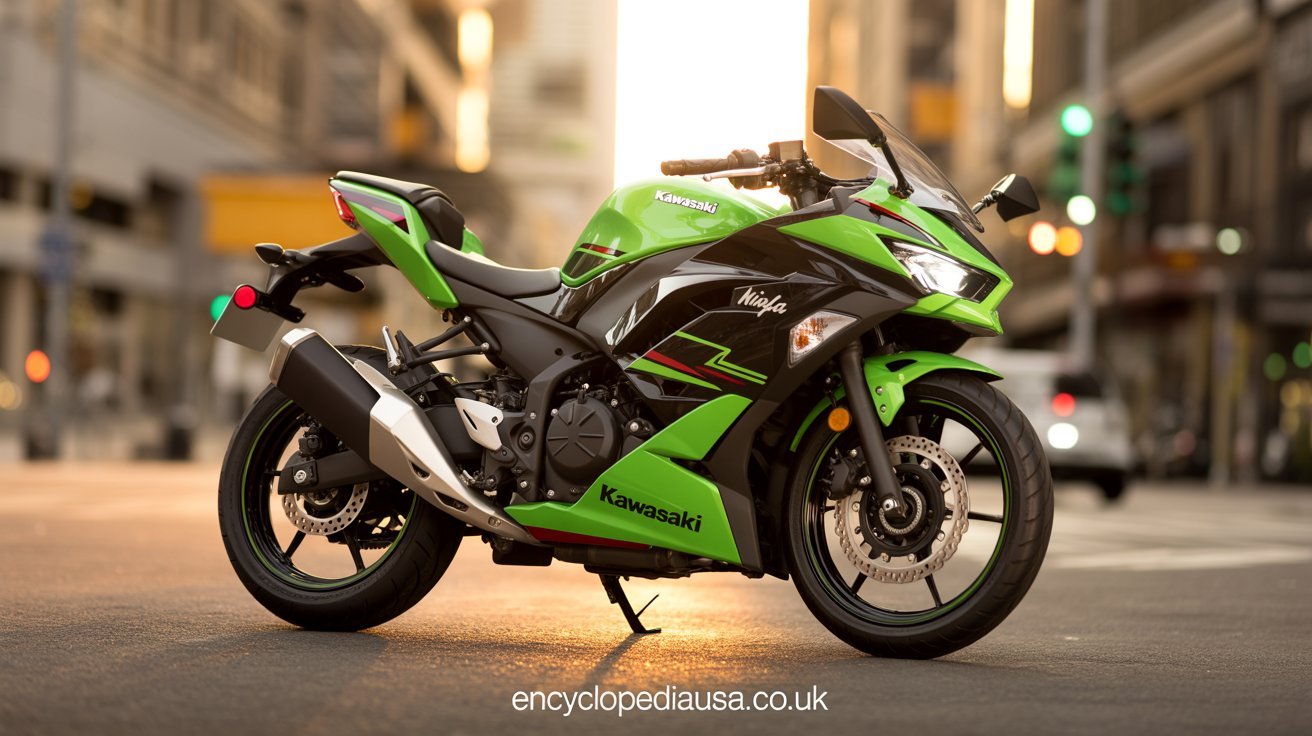
Ultimate Ninja 400 Guide: Everything You Need to Know
Introduction
If you’re searching for a sportbike that delivers the perfect balance of power, agility, and affordability, the Ninja 400 might just be your dream machine. Whether you’re a beginner looking to dive into the world of motorcycling or an experienced rider seeking a nimble track weapon, this bike has carved out a special place in riders’ hearts worldwide.
The Ninja 400 isn’t just another entry-level sportbike. It’s a machine that challenges what you thought was possible in the sub-500cc category. With its razor-sharp handling, surprisingly punchy engine, and stunning looks that mirror its bigger siblings, this bike proves you don’t need a liter bike to have serious fun on two wheels.
In this comprehensive guide, we’ll explore everything about the Ninja 400—from its impressive performance capabilities and real-world fuel economy to maintenance costs and why it’s become the benchmark in its class. You’ll discover whether this bike is right for you, what makes it stand out from competitors, and how to get the most out of your ownership experience.
What Makes the Ninja 400 Special?
The Perfect Entry Point
The Ninja 400 represents Kawasaki’s commitment to creating accessible performance. Unlike many beginner bikes that feel like compromises, this machine delivers genuine sportbike thrills without overwhelming new riders.
The 399cc parallel-twin engine produces around 49 horsepower. That might sound modest compared to superbikes, but here’s the thing—it’s perfectly calibrated for real-world riding. You’ll have enough power to merge confidently on highways, carve through canyon roads, and even hold your own at track days.
What sets the Ninja 400 apart is how usable that power feels. The torque curve is smooth and predictable. There are no sudden surges that catch you off guard. This makes the bike forgiving for beginners while still rewarding for experienced riders who know how to wring every ounce of performance from it.
Design That Turns Heads
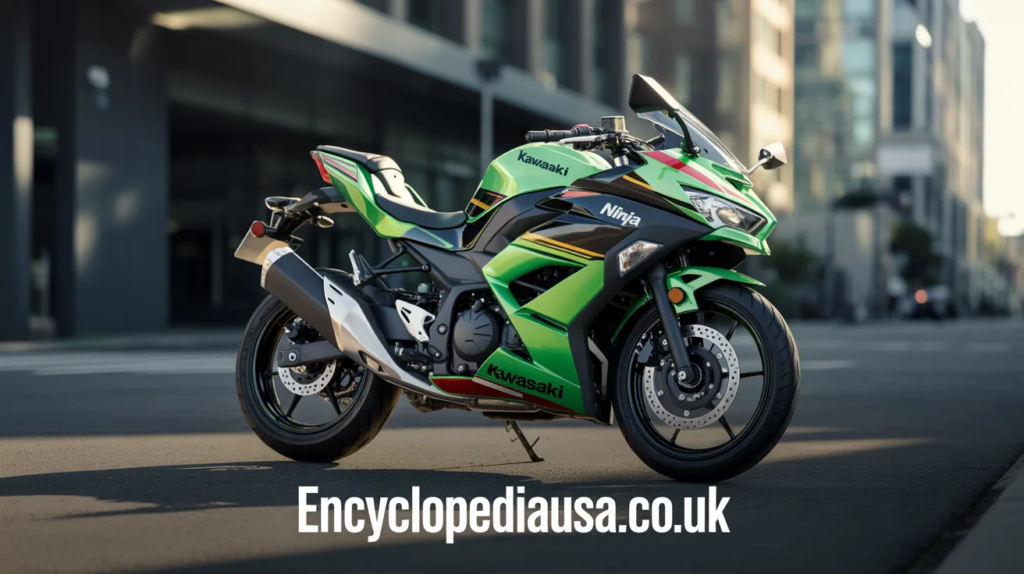
Let’s be honest—looks matter. The Ninja 400 doesn’t look like a “beginner bike.” Its aggressive styling borrows heavily from the Ninja ZX-10R superbike. Sharp bodywork, dual LED headlights, and a low-slung profile give it serious street presence.
People will do double-takes. They’ll assume you’re riding something much larger and more expensive. That’s part of the Ninja 400’s charm. It punches above its weight class in the aesthetics department.
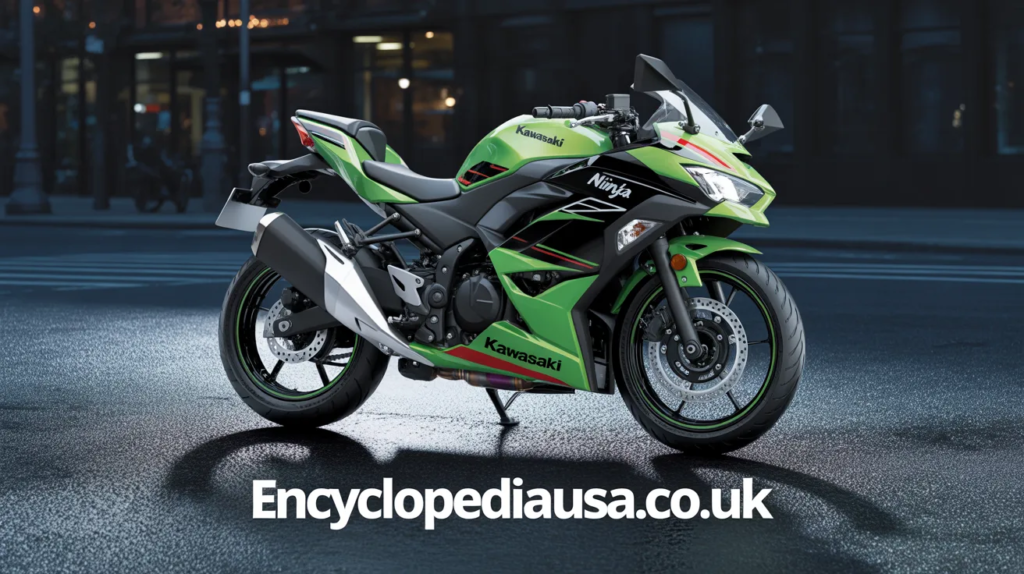
The attention to detail is impressive. From the sleek tail section to the muscular fuel tank, every element contributes to a cohesive, purposeful design. You get three color options typically—KRT Edition (Kawasaki Racing Team green), metallic variants, and classic combinations that suit different tastes.
Performance and Handling: Where the Ninja 400 Shines
Engine Performance
The heart of the Ninja 400 is its 399cc liquid-cooled, fuel-injected parallel-twin engine. This powerplant delivers performance that feels much larger than its displacement suggests.
Zero to 60 mph comes in around 4.5 seconds. Top speed hovers near 125 mph (depending on rider weight and conditions). These numbers prove the bike can genuinely perform when you need it to.
But raw numbers don’t tell the whole story. The engine character matters more for daily riding. The Ninja 400’s motor is smooth, responsive, and eager to rev. It makes power across a wide rpm range, so you’re not constantly hunting for the sweet spot.
Redline sits at 12,500 rpm. You’ll find yourself using that full range, especially on spirited rides. The quickshifter-ready transmission (on certain models) makes gear changes buttery smooth.
Handling That Inspires Confidence
Here’s where the Ninja 400 truly excels. The chassis is phenomenal. Lightweight (366 lbs wet), flickable, and confidence-inspiring—it transforms average riders into corner-carving enthusiasts.
The bike features:
- 41mm telescopic front fork
- Uni-Trak rear suspension
- Diamond-style frame
- 17-inch wheels front and rear
Turn-in is razor-sharp. You think about changing direction, and the bike responds instantly. Mid-corner stability is excellent, allowing you to maintain speed through sweepers without drama.
Track day regulars praise the Ninja 400 for its precision. You can brake deep into corners, carry impressive corner speed, and get on the throttle early. The bike rewards smooth, calculated inputs while remaining forgiving of minor mistakes.
Braking System
Safety starts with stopping power. The Ninja 400 comes equipped with:
- 310mm dual front disc brakes
- 220mm single rear disc brake
- ABS (Anti-lock Braking System) standard on most markets
The brakes offer excellent feel and modulation. You can brake hard without fear of locking the front wheel. ABS provides that extra safety margin, especially in wet conditions or emergency situations.
For new riders, this braking setup builds confidence. For experienced riders, it provides the tools needed to brake later and harder into corners.
Fuel Economy and Running Costs
Impressive Fuel Efficiency
One of the Ninja 400’s standout features is its exceptional fuel economy. Real-world testing shows you can expect:
- 55-65 mpg during normal riding
- 45-50 mpg during aggressive riding or track days
- 65-70 mpg during highway cruising
The 3.7-gallon fuel tank gives you approximately 200-240 miles of range before hitting reserve. This makes the bike practical for weekend trips and daily commuting alike.
Compare these numbers to larger sportbikes, and you’ll appreciate the savings. You’ll spend significantly less on fuel while still enjoying genuine sportbike performance.
Maintenance Costs
Kawasaki designed the Ninja 400 with reasonable maintenance intervals:
- Oil changes every 3,700 miles or annually
- Valve clearance checks at 7,500 miles initially, then every 15,000 miles
- Chain maintenance every 600 miles (cleaning and lubrication)
Parts remain affordable. Oil changes cost around $50-70 if done professionally, less if you DIY. Tires run $200-350 for a set, depending on brand and performance level.
Insurance typically costs less than bigger bikes. The Ninja 400’s classification as a beginner-friendly sportbike means lower premiums. Expect to pay $500-1,500 annually, depending on your location, age, and riding history.
Riding Position and Comfort
Ergonomics for Various Riders
The Ninja 400 strikes a balance between sportiness and practicality. The riding position is slightly aggressive but not extreme. You lean forward moderately, putting weight on your wrists without excessive strain.
Seat height measures 30.9 inches. This accommodates most riders, though shorter individuals might need to tip-toe at stops. Taller riders (over 6’2″) may feel slightly cramped on longer rides.
The seat itself offers decent comfort for the first hour. Beyond that, you’ll notice it’s firm—a common trait among sportbikes. Aftermarket seat options or gel pads can improve long-distance comfort.
Handlebar placement feels natural. You’re not stretched out like on a full superbike, but you’re engaged enough to feel connected to the front wheel. This position enhances control while remaining livable for daily use.
Highway and Long-Distance Capability
Can you tour on a Ninja 400? Absolutely, though with caveats. The bike handles highway speeds without strain. At 75-80 mph, the engine hums along comfortably without excessive vibration.
Wind protection is minimal. The small fairing deflects some air but doesn’t create a protective bubble. You’ll feel buffeting at highway speeds. An aftermarket windscreen can help.
Passenger accommodation exists but isn’t luxurious. The pillion seat is small and firm. Grab handles are present. Short trips with a passenger work fine. Multi-hour rides might test your passenger’s patience.
Ninja 400 vs. Competitors
How It Stacks Up
The Ninja 400 competes in a crowded segment. Let’s compare it to key rivals:
Yamaha YZF-R3:
- Similar power output (42 hp vs. 49 hp)
- Lighter by a few pounds
- The Ninja 400 offers more torque and better acceleration
- R3 has a loyal following but feels less refined
KTM RC 390:
- Single-cylinder vs. parallel-twin
- More aggressive riding position
- Ninja 400 provides smoother power delivery
- RC 390 edges out in raw performance but compromises comfort
Honda CBR500R:
- Larger displacement (471cc)
- More torque, less sporty handling
- The Ninja 400 is more agile and track-focused
- CBR500R better for touring and commuting
The Ninja 400 wins on balance. It’s sporty enough for enthusiasts, practical enough for beginners, and affordable enough to make sense financially.
Track Day Potential
Don’t let the “beginner bike” label fool you. The Ninja 400 is a legitimate track weapon. Lightweight, responsive, and capable—it allows you to focus on improving your skills rather than managing excessive power.
Track day organizations welcome the Ninja 400. You’ll find dedicated classes for 300-400cc bikes. The bike’s approachable power helps you master braking points, lines, and throttle control.
Many professional racers cut their teeth on similar platforms. The skills you develop on a Ninja 400 translate directly to larger bikes. You’ll become a better, smoother rider.
Customization and Modifications
Popular Upgrades
The aftermarket support for the Ninja 400 is robust. Popular modifications include:
Performance Upgrades:
- Full exhaust system (Akrapovic, Two Brothers, Yoshimura)
- ECU flash or Power Commander for tuning
- Upgraded air filter
- Sprocket changes for acceleration or top speed
Handling Improvements:
- Upgraded suspension (Ohlins, K-Tech)
- Aftermarket rear shock
- Adjustable rearsets
- Clip-on handlebars
Comfort and Protection:
- Taller windscreen
- Frame sliders
- Tank grips
- Comfortable seat options
Aesthetic Enhancements:
- Custom paint or vinyl wraps
- LED turn signals
- Tail tidy
- Carbon fiber accents
We recommend starting with protective gear and essential comfort items. Then, as you grow with the bike, performance modifications can further enhance the experience.
Should You Modify Right Away?
Here’s honest advice: ride the stock Ninja 400 first. Get comfortable. Learn its characteristics. The bike is incredibly capable straight from the factory.
After several thousand miles, you’ll understand what you want to improve. Maybe you desire more aggressive gearing for track days. Perhaps you need better wind protection for commuting. Let your riding style dictate modifications.
Budget-conscious riders should know that smart modifications hold value. Quality exhaust systems, suspension upgrades, and protective equipment can make the bike more enjoyable without breaking the bank.
Common Issues and Reliability
Known Problems
The Ninja 400 enjoys a solid reliability reputation. However, some common issues have emerged:
Chain and Sprocket Wear:
- Regular maintenance prevents problems
- Some owners report premature wear with aggressive riding
- Proper tension and lubrication are critical
Clutch Cable Adjustment:
- Cables can stretch over time
- Adjustments are simple and part of routine maintenance
- Hydraulic clutch conversions are available
Fuel Injection Quirks:
- Occasional cold-start hesitation
- Usually resolves with ECU updates
- Flash tuning can smooth throttle response
Suspension Preload:
- Stock suspension might feel soft for heavier riders
- Preload adjustments help significantly
- Aftermarket options available for serious riders
Overall, the Ninja 400 proves reliable with proper care. Follow the maintenance schedule. Address small issues before they become big problems. Treat the bike well, and it’ll reward you with years of trouble-free riding.
Warranty and Support
Kawasaki typically offers a 12-month unlimited mileage warranty. Extended warranty options exist for purchase. This coverage provides peace of mind for new bike purchases.
Dealer networks are well-established. Finding qualified service shouldn’t be difficult in most areas. Parts availability is excellent, with OEM and aftermarket options readily accessible.
Is the Ninja 400 Right for You?
Ideal Rider Profile
The Ninja 400 suits several rider types perfectly:
Beginners: The forgiving power delivery, manageable weight, and confidence-inspiring handling make it ideal for learning. You won’t outgrow it quickly, either.
Commuters: Fuel efficiency, reliability, and nimble handling excel in urban environments. Lane splitting (where legal) is effortless.
Track Day Enthusiasts: Lightweight performance and razor-sharp handling translate to lap time improvements and skill development.
Budget-Conscious Riders: Lower purchase price, affordable insurance, excellent fuel economy, and reasonable maintenance costs make financial sense.
Experienced Riders Downsizing: Returning riders or those seeking a fun, lightweight alternative to heavy superbikes find the Ninja 400 refreshingly enjoyable.
When to Consider Alternatives
The Ninja 400 isn’t perfect for everyone. Consider alternatives if you:
- Plan extensive two-up touring
- Regularly ride long highway distances
- Desire more upright, relaxed ergonomics
- Need significant wind protection
- Want maximum low-end torque for off-road capability
For pure sport touring, look at the Ninja 650 or Versys models. For adventure riding, explore dual-sport options. For cruising, Kawasaki’s Vulcan lineup offers comfort.
Buying Guide: New vs. Used
New Ninja 400 Purchase
Buying new offers advantages:
- Full manufacturer warranty
- Latest features and updates
- No unknown history or hidden issues
- Financing options often available
- Pride of ownership
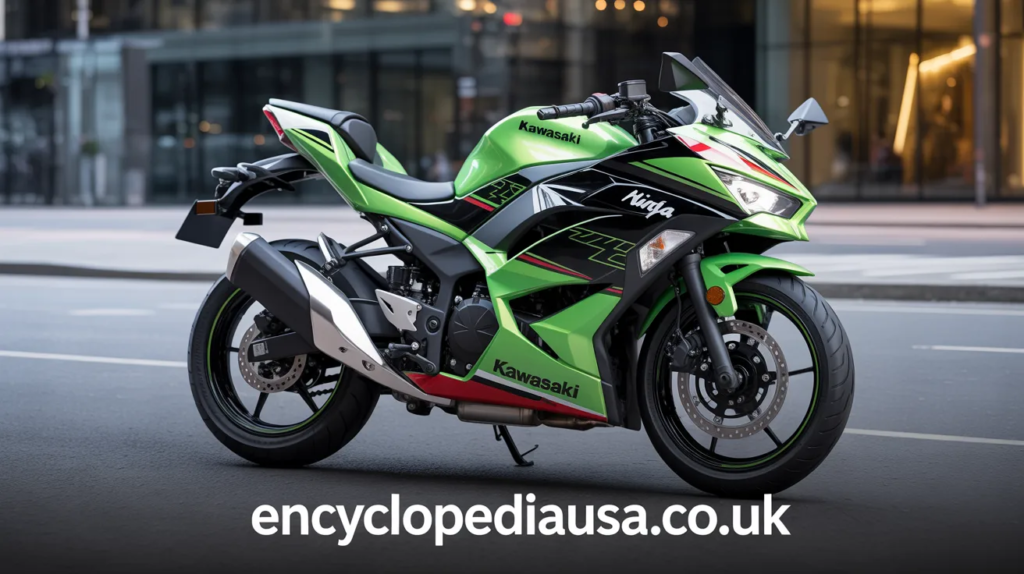
MSRP typically ranges from $5,099 to $5,499 (varies by market and model year). Dealer fees, setup charges, and taxes add to the final price. Expect to pay $6,000-7,000 out the door in most regions.
Negotiation room exists, especially during model year transitions. Research invoice prices. Shop multiple dealers. Don’t be afraid to walk away if the deal doesn’t feel right.
Used Ninja 400 Considerations
The used market offers value. Depreciation works in your favor. Well-maintained examples from 2018-2022 sell for $3,500-4,500 depending on mileage and condition.
When buying used, inspect carefully:
- Check service records
- Examine tires for wear and age
- Test ride if possible
- Look for crash damage or repairs
- Verify clean title
Low mileage doesn’t always mean better condition. A bike ridden regularly and maintained properly often beats a neglected garage queen with low miles.
Private party sales usually offer better prices than dealers. However, you sacrifice warranty and return policies. Weigh the savings against the risks.
Conclusion
The Ninja 400 represents Kawasaki’s finest work in the entry-level sportbike segment. It delivers genuine performance, stunning looks, and practical economics in one compelling package. Whether you’re starting your motorcycling journey or seeking a lightweight thrill machine, this bike deserves serious consideration.
You’ll appreciate the smooth, responsive engine. You’ll love the precise, confidence-building handling. You’ll enjoy the attention it attracts. Most importantly, you’ll develop skills and create memories that last a lifetime.
The motorcycle community consistently ranks the Ninja 400 among the best beginner sportbikes—not just for new riders, but for anyone seeking pure riding enjoyment. Its combination of performance, value, and capability is hard to beat.
Ready to experience the Ninja 400 for yourself? Schedule a test ride at your local Kawasaki dealer. Feel the difference. Make your decision from the saddle.
What’s your biggest question about the Ninja 400? Have you ridden one? Share your experiences and thoughts in the comments below!
Frequently Asked Questions
Q1: Is the Ninja 400 good for beginners?
Absolutely. The Ninja 400 is one of the best beginner sportbikes available. Its manageable power, lightweight chassis, and forgiving nature make it perfect for learning. You won’t outgrow it quickly either, as it offers enough performance to keep experienced riders entertained.
Q2: What is the top speed of a Ninja 400?
The Ninja 400 reaches approximately 125 mph in ideal conditions. Actual top speed varies based on rider weight, wind conditions, and elevation. For most riders, the bike hits 120-125 mph, which is more than adequate for street riding.
Q3: How much does a Ninja 400 cost?
New Ninja 400 models typically retail between $5,099-$5,499 MSRP. After dealer fees, setup, and taxes, expect to pay $6,000-7,000 out the door. Used models from 2018-2022 range from $3,500-4,500 depending on condition and mileage.
Q4: What is the fuel economy of the Ninja 400?
The Ninja 400 achieves excellent fuel economy, typically 55-65 mpg in mixed riding conditions. Highway cruising can yield 65-70 mpg, while aggressive riding or track days might drop it to 45-50 mpg. The 3.7-gallon tank provides 200-240 miles of range.
Q5: Can the Ninja 400 go on the highway?
Yes, the Ninja 400 handles highway riding confidently. It maintains 75-80 mph comfortably without straining. However, wind protection is minimal, so you’ll experience buffeting at higher speeds. An aftermarket windscreen can help improve comfort.
Q6: How does the Ninja 400 compare to the R3?
The Ninja 400 offers more power (49 hp vs. 42 hp), better torque, and superior acceleration compared to the Yamaha R3. The R3 is slightly lighter and has loyal fans, but most riders prefer the Ninja 400’s more refined power delivery and overall performance.
Q7: Is the Ninja 400 good for track days?
The Ninja 400 excels at track days. Its lightweight chassis, sharp handling, and approachable power make it ideal for learning proper technique and improving lap times. Many track organizations have dedicated classes for 300-400cc bikes.
Q8: What maintenance does a Ninja 400 require?
Regular maintenance includes oil changes every 3,700 miles, chain cleaning and lubrication every 600 miles, and valve clearance checks at 7,500 miles initially, then every 15,000 miles. Following the maintenance schedule ensures reliability and longevity.
Q9: Can two people ride comfortably on a Ninja 400?
The Ninja 400 accommodates a passenger, but comfort is limited. Short trips work fine, but the small, firm pillion seat and minimal grab handles make long-distance two-up riding challenging. It’s designed primarily as a solo sportbike.
Q10: What are common problems with the Ninja 400?
The Ninja 400 is generally reliable. Common issues include chain and sprocket wear (preventable with maintenance), clutch cable stretching (easy adjustment), occasional cold-start hesitation (ECU updates help), and soft suspension for heavier riders (preload adjustment helps). Overall reliability is excellent.
Also Read : First They Came for the Communists