


Oracle Layoffs: Devastating Truth Behind Tech Giant’s Job Cuts
Introduction
Losing your job feels like the ground disappearing beneath your feet. When a company as massive as Oracle announces layoffs, thousands of lives change overnight. The tech industry has witnessed unprecedented workforce reductions, and Oracle layoffs have become a significant part of this troubling trend.
Oracle Corporation, one of the world’s largest enterprise software companies, has made headlines repeatedly for workforce reductions across various divisions. These cuts have affected employees in cloud services, sales, marketing, and other departments. Whether you’re an Oracle employee worried about your position, a job seeker reconsidering Oracle as an employer, or simply someone tracking tech industry trends, understanding what’s happening is crucial.
This comprehensive guide explores everything you need to know about Oracle layoffs. You’ll discover why these cuts are happening, which departments face the greatest impact, how Oracle communicates these decisions, what severance packages look like, and how affected employees can move forward. We’ll also examine what these layoffs mean for Oracle’s future and the broader technology sector. Let’s dive into the reality behind these workforce reductions.
Understanding the Oracle Layoffs Situation
Oracle has implemented multiple rounds of workforce reductions over recent years. These aren’t isolated incidents but part of a broader restructuring strategy. Understanding the scope and scale helps you grasp the full picture of what’s unfolding.
The company has eliminated positions across various business units and geographical locations. No single department or region has been immune to these cuts. From software engineers to sales representatives, marketing professionals to customer support staff, the reductions have touched virtually every corner of Oracle’s operations.
Industry analysts estimate that Oracle layoffs have affected thousands of workers globally. However, exact numbers remain difficult to confirm because Oracle, like many tech companies, doesn’t always publicly disclose comprehensive layoff figures. What we do know comes from affected employees sharing their experiences, internal communications that become public, and occasional company statements.
The Scale of Job Cuts
Oracle employs over 140,000 people worldwide. Even seemingly small percentage cuts translate to thousands of jobs. When a company this size announces workforce reductions, the ripple effects extend far beyond those directly affected. Families face uncertainty. Local economies where Oracle maintains major offices feel the impact. The tech talent market experiences fluctuations as thousands of experienced professionals suddenly seek new opportunities.
Some layoff rounds targeted specific divisions more heavily than others. Cloud infrastructure teams saw significant cuts as Oracle reorganized its strategy. Sales organizations faced restructuring that eliminated numerous positions. Marketing departments experienced consolidation that reduced headcount substantially.
Timeline of Recent Cuts
Oracle layoffs have occurred in waves rather than one massive reduction. This approach spreads the impact over time but creates ongoing uncertainty for remaining employees. You never quite know when the next round might come.
Recent years have seen multiple significant layoff announcements. Each round brings renewed anxiety for Oracle workers wondering whether their positions will survive the next restructuring. This constant uncertainty takes a psychological toll that extends beyond the immediate financial concerns of losing employment.
Why Oracle Is Cutting Jobs
Understanding the reasoning behind Oracle layoffs requires examining multiple factors. Companies rarely reduce their workforce for a single reason. Instead, various business pressures and strategic decisions converge to make layoffs seem necessary from management’s perspective.
Shifting to Cloud Services
Oracle has been transforming from a traditional software licensing company to a cloud services provider. This transition changes the skills and roles the company needs. Legacy product support requires different expertise than cloud infrastructure management. As Oracle shifts its business model, certain positions become redundant while new roles emerge.
The cloud computing market is intensely competitive. Amazon Web Services, Microsoft Azure, and Google Cloud dominate the landscape. Oracle entered this space later than competitors and has struggled to capture market share. Reducing costs through workforce reductions allows Oracle to price its cloud services more competitively and invest more heavily in cloud infrastructure development.
Economic Pressures and Market Conditions
The broader economic environment influences corporate decision making significantly. Rising interest rates, inflation concerns, and recession fears have caused many tech companies to reevaluate their workforce sizes. Oracle is not immune to these pressures.
Tech companies expanded rapidly during the pandemic when digital transformation accelerated across industries. Many hired aggressively to meet increased demand. As growth rates normalized and economic uncertainty increased, companies including Oracle decided they had overextended and needed to right-size their operations.

Automation and Efficiency Gains
Technology companies face ironic pressures from their own products. Automation tools, artificial intelligence, and improved software systems reduce the need for human workers in certain roles. Oracle’s own products enable customers to do more with fewer people. The company applies these same efficiency principles internally.
Customer support increasingly relies on AI-powered chatbots and self-service portals. Sales processes incorporate automation that reduces the need for large sales teams. Marketing leverages technology platforms that accomplish with small teams what previously required much larger departments. These efficiency gains, while beneficial to Oracle’s bottom line, come at the cost of jobs.
Redundancy From Acquisitions
Oracle has acquired numerous companies over the years. These acquisitions often create duplicate roles across merged organizations. Two companies each had human resources departments, IT teams, and administrative staff. After merging, Oracle doesn’t need two complete sets of these functions.
Integration following acquisitions inevitably leads to workforce reductions as Oracle eliminates redundant positions and consolidates operations. Employees from acquired companies face particular uncertainty as Oracle decides which systems, processes, and people to retain versus eliminate.
Which Departments Face the Biggest Cuts
Oracle layoffs have not affected all departments equally. Some areas have experienced disproportionately heavy cuts while others have seen more modest reductions or even continued hiring.
Cloud and Infrastructure Teams
Ironically, even as Oracle invests heavily in cloud services, cloud-related teams have faced significant layoffs. These cuts often target legacy cloud products or redundant roles created through acquisitions. Oracle is streamlining its cloud operations and focusing resources on core offerings while eliminating teams working on less strategic products.
The company has consolidated engineering teams and reduced the number of separate cloud products it maintains. This consolidation improves efficiency but eliminates jobs in the process.
Sales and Marketing Organizations
Sales departments across the tech industry have faced substantial cuts, and Oracle is no exception. The company has reorganized its sales structure multiple times, each reorganization resulting in position eliminations. Marketing teams have also shrunk considerably as Oracle consolidates campaigns and reduces spending on certain marketing channels.
Changes in how enterprise software is sold contribute to these cuts. Cloud-based subscriptions require different sales approaches than traditional software licensing. Oracle needs fewer salespeople for its evolving business model, particularly as more sales occur through digital channels rather than direct sales representatives.
Administrative and Support Functions
Back-office functions like human resources, finance, legal, and facilities management have experienced layoffs as Oracle centralizes these services and leverages technology to increase efficiency. Positions that once existed in multiple offices worldwide now consolidate into fewer locations or eliminate entirely through automation.
Customer support has also faced cuts as Oracle shifts toward self-service support models and reduces the number of human support representatives available to customers.
Regional Offices
Some geographical regions have been hit harder than others. Oracle has closed certain offices entirely, resulting in all employees at those locations losing their jobs. Other locations have seen targeted reductions while remaining operational.
The United States, India, and Europe have all experienced significant Oracle layoffs. The specific regional impact often depends on what functions those offices performed and whether Oracle considers those functions essential to its future strategy.
How Oracle Communicates Layoffs
The way companies communicate layoffs significantly impacts affected employees. Oracle’s approach to announcing and implementing workforce reductions has varied across different situations but generally follows certain patterns.
Notification Methods
Oracle typically notifies affected employees through individual meetings with managers or HR representatives. You might receive a calendar invitation for an unexpected meeting or a message asking you to join a video call. These conversations are usually brief and follow a script outlining that your position is being eliminated, effective immediately or with a short notice period.
Some employees report learning about layoffs through broader organizational announcements before receiving individual notification. Finding out your department is being eliminated through company-wide communication before speaking directly with your manager creates additional stress and uncertainty.
Timing and Transparency
Companies generally prefer to conduct layoffs quickly to minimize disruption and uncertainty. Oracle often implements cuts swiftly, with affected employees losing access to systems almost immediately after notification. This approach is common in the tech industry due to security concerns about disgruntled employees retaining access to sensitive systems and data.
The lack of advance warning means you cannot prepare for the possibility. One day you’re working normally, and the next you’re unemployed. This abrupt transition is jarring and leaves little time to process emotionally before needing to take practical steps like filing for unemployment benefits.
Internal Communications
Oracle typically sends internal communications explaining the business rationale for layoffs. These messages often emphasize strategic realignment, focus on core priorities, or economic necessity. Remaining employees receive reassurance that these cuts position the company for future success.
However, these corporate messages often feel hollow to those losing their jobs. Explaining that layoffs serve strategic purposes doesn’t ease the personal impact when you’re the one affected.
Severance Packages and Benefits
When Oracle lays off employees, the company typically provides severance packages that include financial compensation and benefits continuation. Understanding what you’re entitled to helps you navigate this difficult transition.
Financial Compensation
Oracle’s severance packages generally include several weeks or months of pay based on your tenure with the company. Longer-serving employees typically receive more generous severance than those who worked at Oracle for shorter periods. The specific formula varies but often provides one to two weeks of pay per year of service.
Some employees negotiate enhanced severance packages, particularly if they have unique circumstances or specialized knowledge. While Oracle generally applies standardized formulas, there may be room for discussion in certain situations.
Benefits Continuation
Health insurance coverage typically continues for a period after your employment ends. Oracle usually offers COBRA continuation, which allows you to maintain your existing health coverage by paying the full premium yourself. Some severance packages include a period where Oracle continues covering premiums before COBRA begins.
Other benefits like life insurance and disability coverage generally end when employment terminates. Understanding exactly what benefits continue and for how long helps you avoid gaps in coverage while seeking new employment.
Stock Options and Equity
If you held Oracle stock options or restricted stock units, layoffs affect these assets. Vested equity typically remains yours, though you may have limited time to exercise stock options after employment ends. Unvested equity is usually forfeited, though some severance negotiations include accelerated vesting provisions.
Understanding the tax implications of exercising stock options or selling restricted stock is crucial. Consulting with a financial advisor helps you make informed decisions about handling equity compensation after a layoff.
Outplacement Services
Oracle sometimes provides outplacement services to help laid-off employees find new positions. These services might include resume writing assistance, interview coaching, job search strategy consultation, and access to job boards. The availability and quality of outplacement support varies depending on your role, location, and the specific layoff circumstances.
Taking advantage of these services when offered makes sense. Job searching while dealing with the stress and uncertainty of unemployment is challenging. Professional guidance can accelerate your job search and improve outcomes.
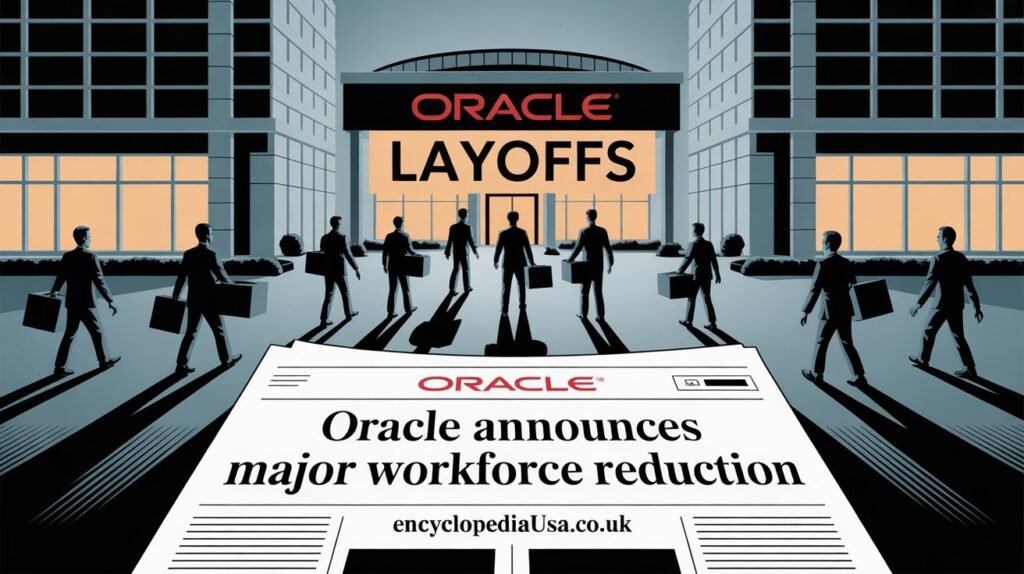
What Affected Employees Should Do
If you’re facing an Oracle layoff or have already been let go, taking specific actions helps you navigate this transition effectively and position yourself for future success.
Immediate Financial Steps
First, assess your financial situation honestly. Calculate how long your savings and severance will last. Identify expenses you can reduce or eliminate temporarily. Creating a bare-bones budget helps your money stretch further while job hunting.
File for unemployment benefits immediately if eligible. Don’t wait because processing takes time, and you want benefits flowing as quickly as possible. The money helps bridge the gap between jobs.
Review Your Severance Agreement
Read your severance agreement carefully before signing. These documents often include non-compete clauses, non-disparagement agreements, and releases of legal claims against Oracle. Understanding what you’re agreeing to is essential.
Consider having an employment attorney review the severance agreement, especially if you have concerns about any terms. The cost of legal consultation is often worthwhile to ensure you understand your rights and obligations fully.
Update Your Professional Profiles
Update your LinkedIn profile, resume, and other professional materials immediately. Don’t wait until you’ve processed the layoff emotionally. Getting these materials current allows you to respond quickly when opportunities arise.
Your LinkedIn profile should reflect your most recent accomplishments at Oracle while remaining factual about your employment status. Many recruiters actively search for former Oracle employees, so having an updated, searchable profile increases your visibility to potential employers.
Network Actively
Reach out to your professional network to let people know you’re seeking new opportunities. Don’t hide your layoff as if it’s something shameful. Workforce reductions are common in the tech industry, and most people understand they’re not reflections of individual performance.
Former colleagues, classmates, industry contacts, and professional acquaintances may know of opportunities or be willing to make introductions. Networking remains one of the most effective job search methods.
Consider Your Next Career Move
A layoff, while painful, creates an opportunity to reassess your career direction. Do you want to continue in a similar role at a different company? Are you interested in pivoting to a new industry or function? Would consulting or contract work appeal to you?
Taking time to reflect on what you want next, rather than desperately grabbing the first available position, often leads to better long-term outcomes. That said, you need to balance thoughtful career planning with the practical necessity of generating income.
Impact on Oracle’s Company Culture
Repeated Oracle layoffs affect more than just those who lose their jobs. Remaining employees experience the cuts’ impact on company culture, morale, and day-to-day work environment.
Survivor Guilt and Morale
Employees who keep their jobs after layoffs often experience survivor guilt. You might feel relieved you weren’t affected but guilty that colleagues lost their positions while you didn’t. This emotional complexity is normal but challenging.
Morale typically drops after layoffs as remaining employees question whether more cuts are coming. Productivity can suffer when people spend time worrying about job security rather than focusing on work. Trust in leadership often erodes when workforce reductions occur repeatedly.
Increased Workload
When Oracle eliminates positions without reducing workload proportionally, remaining employees must absorb additional responsibilities. You might find yourself covering tasks previously handled by laid-off colleagues. This increased workload creates stress and potential burnout.
Companies sometimes view layoffs as opportunities to identify inefficiencies and streamline processes. However, the reality often involves overworked remaining staff struggling to maintain quality and meet deadlines with reduced teams.
Reduced Innovation
Fear and uncertainty stifle innovation. When you’re worried about job security, taking risks or proposing ambitious new projects feels dangerous. Playing it safe becomes the default approach. This risk-averse culture can harm Oracle’s long-term competitiveness, even if workforce reductions improve short-term financial metrics.
The best talent often leaves voluntarily after layoffs, even if they weren’t directly affected. Seeing colleagues let go and experiencing deteriorating morale prompts strong performers to seek opportunities at more stable or growing companies.
Legal Considerations and Worker Rights
Understanding your legal rights when facing Oracle layoffs helps protect your interests and ensures you receive everything you’re entitled to under the law.
WARN Act Requirements
The federal Worker Adjustment and Retraining Notification Act requires large employers to provide 60 days’ advance notice of plant closings or mass layoffs affecting 50 or more employees at a single site. If Oracle doesn’t provide proper WARN notice, affected employees may be entitled to 60 days of back pay and benefits.
Some Oracle layoffs have triggered WARN Act requirements, while others fell below the thresholds or met exceptions to notification requirements. Understanding whether WARN applies to your situation affects your legal options.
Discrimination Protections
Employment discrimination laws prohibit layoffs based on protected characteristics like age, race, gender, religion, disability, or national origin. If you suspect Oracle’s layoff decisions discriminated against you or disproportionately impacted protected groups, you may have legal recourse.
Age discrimination claims are particularly common in tech industry layoffs because older workers often earn higher salaries. If Oracle’s layoffs disproportionately affected older employees, this could indicate illegal age discrimination.
Severance Agreement Considerations
Severance agreements typically require you to release legal claims against Oracle in exchange for severance pay. Once you sign, pursuing legal action becomes extremely difficult. If you have concerns about potential discrimination, contract violations, or other legal issues, consult an attorney before signing the severance agreement.
You generally have a specific timeframe to review severance agreements, often 21 days for individual terminations or 45 days for group layoffs. You also typically have seven days after signing to revoke your acceptance. Understanding these deadlines prevents rushed decisions you might later regret.
How to Spot Warning Signs
While Oracle layoffs sometimes come without much warning, certain signs might indicate your position could be at risk. Recognizing these signals allows you to prepare proactively.
Organizational Changes
Restructuring announcements, leadership changes, and strategic shifts often precede layoffs. If Oracle announces major organizational changes affecting your department, view this as a potential warning sign. Companies rarely restructure without workforce implications.
Mergers of teams, elimination of product lines, or consolidation of offices frequently result in position eliminations as redundancies are removed.
Budget Cuts and Project Cancellations
Freezing of hiring, budget reductions, or cancellation of projects indicate financial pressure. When companies tighten spending, workforce reductions often follow. If Oracle eliminates discretionary spending and postpones initiatives in your area, your position may become vulnerable.
Pay attention to whether senior leadership seems concerned about costs or frequently mentions efficiency and optimization. These themes often foreshadow workforce reductions.
Changes in Your Role or Access
If you notice your responsibilities diminishing, exclusion from important meetings, or removal of access to certain systems or information, these could indicate your position is being phased out. Managers sometimes gradually transition work away from employees targeted for layoffs.
Being left out of future planning discussions or strategic initiatives may signal that leadership doesn’t envision you in the organization long-term.
Industry and Market Trends
Broader tech industry trends can signal potential Oracle layoffs. When multiple tech companies announce workforce reductions, others often follow. Economic downturns, stock market declines, or slowing customer demand create pressures that frequently result in layoffs.
Monitoring Oracle’s financial performance, stock price, and analyst commentary provides context about the company’s health and potential future workforce decisions.
The Broader Tech Industry Context
Oracle layoffs are part of a larger pattern affecting the entire technology sector. Understanding this broader context helps you see that what’s happening at Oracle reflects industry-wide trends rather than isolated incidents.
Tech Industry Workforce Reductions
Major tech companies including Amazon, Google, Microsoft, Meta, Salesforce, and dozens of others have announced significant layoffs recently. Tens of thousands of tech workers have lost jobs across the industry. Oracle’s workforce reductions, while substantial, are not unique.
This industry-wide trend reflects changing market conditions, normalization after pandemic-era hiring surges, and shifting investor expectations. Tech companies that once prioritized growth at any cost now focus on profitability and efficiency.
Changing Investor Expectations
Public market investors increasingly demand profitable growth rather than rapid expansion regardless of profitability. Tech companies enjoyed years where high growth justified losses. That tolerance has diminished substantially.
Oracle faces pressure to demonstrate not just revenue growth but also margin expansion and efficient operations. Workforce reductions directly improve profit margins in the short term, even if they create long-term challenges.
Economic Uncertainty
Recession fears, inflation, interest rate increases, and geopolitical tensions create economic uncertainty that influences corporate decision making. Companies become more conservative when the economic outlook is unclear. Reducing workforce size provides financial flexibility and reduces fixed costs during uncertain times.
Whether these economic concerns prove justified, their perception drives corporate behavior. Oracle, like its peers, is positioning defensively to weather potential economic challenges.
What This Means for Oracle’s Future
Oracle layoffs will shape the company’s trajectory in coming years. The decisions Oracle makes about workforce size and composition affect its competitive position, innovation capacity, and ability to execute on strategic initiatives.
Short Term Financial Impact
Layoffs immediately reduce operating expenses, which improves profit margins and makes financial statements look healthier. Oracle’s stock price sometimes rises following layoff announcements as investors view workforce reductions as fiscal discipline.
However, these short-term financial improvements come with costs. Severance payments create one-time expenses. Lost institutional knowledge and reduced capacity can harm execution on critical projects.
Long Term Competitive Concerns
Cutting too deeply or eliminating the wrong positions can handicap Oracle competitively. If layoffs remove talented engineers, skilled salespeople, or experienced managers, Oracle may struggle to compete effectively against rivals.
The cloud computing market remains intensely competitive. Oracle needs strong teams to build compelling products, win customer business, and deliver excellent service. Workforce reductions that compromise these capabilities could harm Oracle’s competitive position long-term.
Talent Retention Challenges
Repeated layoffs make Oracle a less attractive employer. Top talent seeks stable environments where they can build careers without constant job security concerns. If Oracle develops a reputation for frequent workforce reductions, recruiting and retaining high performers becomes more difficult.
Losing institutional knowledge when experienced employees leave, whether through layoffs or voluntary departures following layoffs, creates gaps that take years to rebuild.
Career Alternatives After Oracle
If you’ve experienced Oracle layoffs, numerous career paths exist beyond finding another corporate position at a similar company. Exploring these alternatives might lead to fulfilling opportunities you hadn’t previously considered.
Other Tech Companies
Your Oracle experience makes you attractive to competitors and companies in adjacent spaces. Cloud computing, enterprise software, database management, and related fields all need professionals with your background. Companies like Salesforce, SAP, Microsoft, Amazon, and countless others might value your Oracle experience.
Don’t limit yourself to Oracle’s direct competitors. Many companies use Oracle products and seek employees who understand those systems from the inside.
Consulting and Contract Work
Former Oracle employees often transition to consulting roles, either independently or with consulting firms. Your insider knowledge of Oracle products and enterprise software implementations is valuable to companies deploying these systems.
Contract positions offer flexibility and often command high hourly rates. While you lose benefits and job stability, contract work can be lucrative and provide variety that permanent positions sometimes lack.
Startups and Smaller Companies
Large corporations and nimble startups offer very different experiences. If Oracle’s bureaucracy frustrated you, a smaller company might provide the autonomy and impact you craved. Startups particularly value experienced professionals who can bring enterprise-level expertise to growing organizations.
Equity compensation at startups carries risk but also potential for significant financial upside if the company succeeds. Evaluate startup opportunities carefully, but don’t dismiss them because they differ from Oracle.
Career Pivoting
A layoff creates space to consider whether you want to continue on your current career path. Some former Oracle employees use this transition point to pivot into different industries, start businesses, pursue passion projects, or make other significant career changes.
While scary, these pivots sometimes lead to greater satisfaction and success than staying on the trajectory you were following.
Resources for Laid Off Oracle Employees
Numerous resources exist to help you navigate life after Oracle layoffs. Taking advantage of available support improves your transition experience and outcomes.
Professional Organizations
Industry associations and professional organizations provide networking opportunities, job boards, training resources, and community support. Groups related to your specific role or industry can be particularly valuable during job searches.
Many professional organizations offer reduced membership rates for unemployed members, making them accessible even when money is tight.
Online Learning Platforms
Using unemployment time to upgrade skills makes you more competitive when applying for new positions. Online learning platforms offer courses in emerging technologies, management skills, and other valuable areas. Some courses provide certificates that enhance your resume.
Many platforms offer free or low-cost options, and some states provide funding for unemployed workers to access training programs.
Career Coaches and Counselors
Professional career coaches help you refine your job search strategy, improve interviewing skills, and navigate career transitions. While these services cost money, the investment often pays off through faster job placement or better employment offers.
Some career counseling services operate on sliding scale fees based on your financial situation, making them accessible even during unemployment.
Mental Health Support
Losing your job affects your mental health and emotional well-being. Don’t hesitate to seek support from therapists, counselors, or support groups. Many communities offer low-cost or free mental health services for unemployed individuals.
Taking care of your psychological health during this stressful time is just as important as addressing financial and career concerns.

Conclusion
Oracle layoffs represent a painful reality for thousands of employees facing unexpected job loss. These workforce reductions stem from strategic shifts toward cloud computing, economic pressures, efficiency initiatives, and changing business needs. While Oracle frames these cuts as necessary for future competitiveness, they create immediate hardship for affected workers and uncertainty for those who remain.
If you’re experiencing Oracle layoffs, remember that this setback doesn’t define your career or worth. The tech industry’s current turbulence affects many companies, not just Oracle. You possess valuable skills and experience that other employers need. Taking immediate practical steps, leveraging available resources, and maintaining perspective helps you navigate this transition successfully.
For those still at Oracle, understanding the factors driving layoffs helps you assess your own situation and prepare appropriately. The company’s future remains uncertain as it competes in challenging markets while managing costs. Whether Oracle’s strategic decisions prove successful will unfold over coming years.
The broader lesson is that job security in the tech industry is never guaranteed. Building financial resilience, maintaining current skills, and cultivating professional networks provides protection regardless of whether you face layoffs. Have you started preparing for unexpected career transitions, or does reading about Oracle layoffs motivate you to build a stronger safety net?
Frequently Asked Questions
How often does Oracle conduct layoffs?
Oracle has implemented multiple layoff rounds in recent years without a predictable pattern. Workforce reductions sometimes occur annually, sometimes more frequently, and sometimes with longer gaps between events. The frequency depends on business performance, strategic changes, and economic conditions. Employees face ongoing uncertainty about when additional cuts might occur.
Do Oracle layoffs affect remote workers differently than office workers?
Oracle layoffs affect both remote and office-based employees. However, some patterns suggest certain remote positions face higher risk, particularly if Oracle closes entire offices or consolidates operations. Your location matters less than your role, department, and how critical your position is to Oracle’s strategic priorities. Remote work status alone doesn’t protect you from or make you more vulnerable to layoffs.
Can I be rehired by Oracle after being laid off?
Yes, former Oracle employees can potentially be rehired later, though no guarantees exist. Some companies maintain policies preventing rehiring laid-off workers for specific periods, while others welcome former employees back if appropriate positions become available. Your relationship with Oracle, circumstances of your departure, and business needs all influence rehiring possibilities.
What happens to my Oracle retirement accounts after a layoff?
Your 401(k) or other retirement accounts remain yours after Oracle layoffs. You have several options including leaving the money in Oracle’s plan, rolling it over to an IRA, rolling it into a new employer’s plan, or withdrawing the funds. Consult a financial advisor before making decisions, as tax implications vary significantly based on which option you choose.
Are certain age groups more affected by Oracle layoffs?
While Oracle doesn’t publicly share demographic data about layoffs, age discrimination concerns arise in many tech industry workforce reductions. Older workers sometimes face disproportionate impact because they typically earn higher salaries. If you believe age discrimination occurred in your layoff, consult an employment attorney about your rights under the Age Discrimination in Employment Act.
How do Oracle layoffs compare to other tech companies?
Oracle’s layoffs are substantial but not uniquely large compared to other major tech companies. Amazon, Google, Microsoft, and Meta have all announced layoffs affecting tens of thousands of employees industry-wide. Oracle’s cuts represent a significant percentage of its workforce but align with broader tech industry trends rather than representing an outlier situation.
Will Oracle provide references after laying me off?
Oracle’s reference policy typically allows confirming employment dates and titles but limits additional information. Your direct manager might provide more detailed references personally if you maintained a good relationship, though they may face company policy restrictions. Cultivating relationships with colleagues and managers throughout your career creates reference sources independent of official company policies.
How quickly should I expect to find new employment after Oracle layoffs?
Job search timelines vary tremendously based on your role, location, industry demand, and economic conditions. Some former Oracle employees find new positions within weeks, while others search for months. Tech professionals with in-demand skills typically find employment faster than those in less sought-after roles. Using your network actively and applying strategically typically produces faster results than passive job searching.
Does Oracle offer any job placement assistance?
Oracle sometimes provides outplacement services to laid-off employees, though availability varies by role, location, and circumstances. These services might include resume assistance, interview coaching, and access to job search resources. Ask about available support when you receive your severance package. Taking advantage of offered services improves your job search effectiveness.
Can I negotiate my severance package with Oracle?
While Oracle typically applies standardized severance formulas, negotiation is sometimes possible, particularly for senior employees or those with unique circumstances. Factors that might strengthen negotiation leverage include long tenure, specialized knowledge, strong performance record, or potential legal concerns. Having an employment attorney review your situation helps determine whether negotiation makes sense.
Also Read Encyclopediausa.co.uk
Author Bio: John Harwen
A technology industry analyst and career development writer with extensive experience covering corporate restructuring and workforce trends in the tech sector. Having witnessed multiple industry cycles and supported professionals through career transitions, the author provides practical, empathetic guidance for navigating job loss and career uncertainty. Passionate about helping tech professionals understand industry dynamics and make informed career decisions during challenging times.