

What Is Palm Sunday: Sacred Celebration Explained Beautifully
Introduction
Have you ever wondered why people wave palm branches in church during the spring? Or noticed believers carrying woven palm leaves home after Sunday services? This beautiful tradition marks Palm Sunday, one of Christianity’s most significant celebrations. What is Palm Sunday, and why does it hold such deep meaning for millions of believers worldwide?
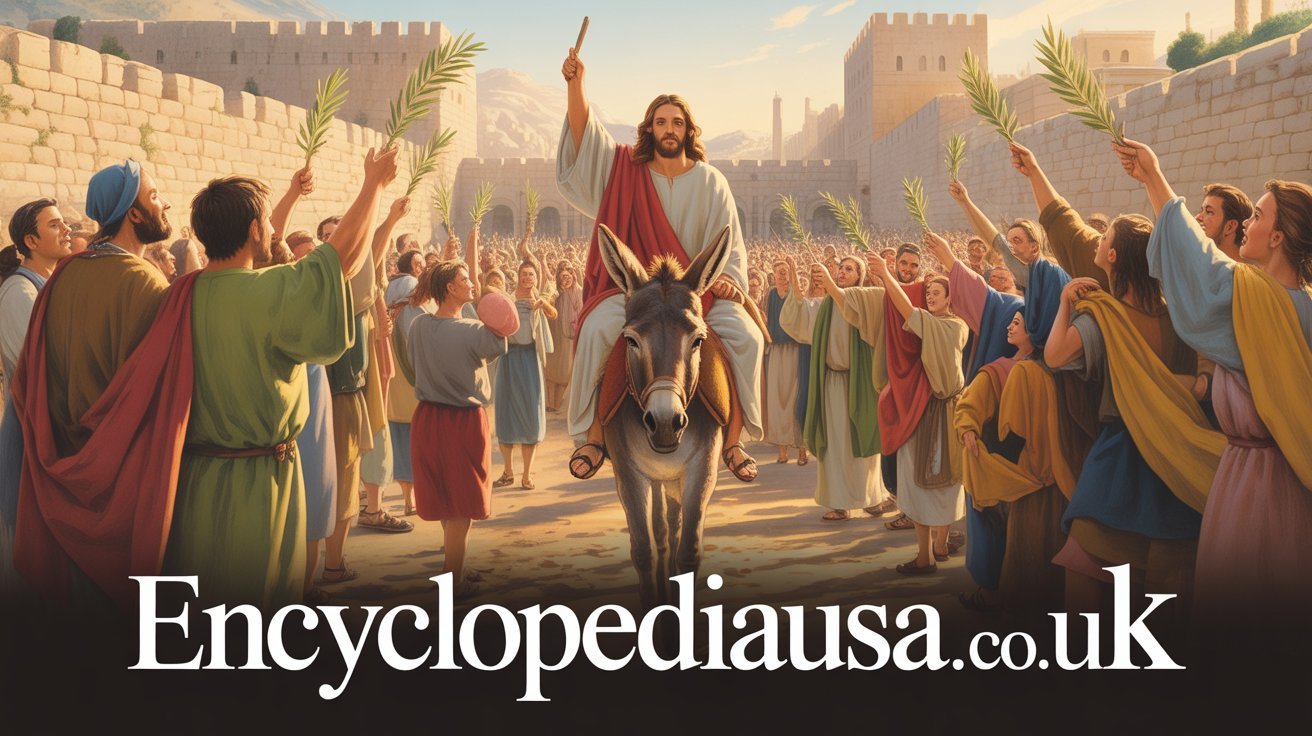
Palm Sunday represents the beginning of Holy Week, the most sacred period in the Christian calendar. This special day commemorates Jesus Christ’s triumphant entry into Jerusalem, just days before his crucifixion. The celebration combines joy and solemnity, triumph and tragedy, hope and sorrow. Understanding what is Palm Sunday helps you appreciate the profound spiritual journey that unfolds during Holy Week.
This comprehensive guide explores everything about Palm Sunday. You’ll discover its biblical origins, understand its theological significance, learn about global traditions, and see how different Christian denominations observe this holy day. Whether you’re deepening your faith, exploring Christianity, or simply curious about religious traditions, you’ll find clear answers here. Let’s explore this meaningful celebration together.
The Biblical Story Behind Palm Sunday
The foundation of Palm Sunday comes directly from scripture. All four Gospels record Jesus’s entry into Jerusalem, showing its importance to early Christian witness. Understanding what is Palm Sunday requires knowing this pivotal biblical narrative.
Jesus’s Journey to Jerusalem
Jesus traveled to Jerusalem knowing what awaited him. He understood that his arrival would trigger events leading to his crucifixion. Despite this knowledge, he deliberately chose to enter the holy city during Passover, when massive crowds gathered for the Jewish festival.
The journey from Galilee to Jerusalem covered approximately 90 miles. Jesus traveled with his disciples and many followers. As they approached Jerusalem, the atmosphere intensified with anticipation. People recognized Jesus as the teacher and miracle worker whose fame had spread throughout the region.
The decision to enter Jerusalem publicly rather than quietly demonstrated Jesus’s purposeful mission. He wasn’t hiding or avoiding his destiny. Instead, he presented himself openly to the city and its religious authorities.
The Triumphal Entry
The Gospel accounts describe Jesus sending two disciples ahead to bring him a young donkey. This detail fulfills ancient prophecy from Zechariah, which declared that Jerusalem’s king would arrive riding on a donkey. The symbolism was clear to those familiar with Hebrew scripture.
When Jesus rode into Jerusalem, crowds gathered along the route. People spread their cloaks on the road before him, creating a carpet of honor. Others cut branches from palm trees and laid them down, or waved them in celebration. This welcome typically honored kings and victorious military leaders.
The crowds shouted “Hosanna,” which means “save now” or “save, we pray.” They proclaimed Jesus as the Son of David, acknowledging his messianic identity. The phrase “Blessed is he who comes in the name of the Lord” came from Psalm 118, a messianic psalm Jews associated with their expected deliverer.
Why the Donkey Matters
The choice of a donkey rather than a horse carries profound meaning. Military conquerors and warrior kings rode horses into cities. Peaceful rulers arriving in goodwill rode donkeys. Jesus’s selection of a donkey communicated that his kingdom differed from earthly political powers.
This humble entrance contrasted sharply with Roman military processions the people regularly witnessed. Jesus established his kingship through service and sacrifice, not conquest and domination. The donkey symbolized this radically different approach to power and leadership.
Zechariah’s prophecy specifically mentioned a donkey, making this detail significant for Jewish observers who recognized the scriptural fulfillment. Jesus deliberately enacted prophecy, revealing his identity to those with spiritual eyes to see.
The Significance of Palm Branches
Palm branches play a central role in understanding what is Palm Sunday. These symbols carry layers of meaning rooted in Jewish culture and biblical tradition.
Symbol of Victory and Celebration
In ancient Mediterranean culture, palm branches represented victory, triumph, and celebration. Victorious armies returning from battle received welcomes featuring palm branches. Athletes who won competitions received palm crowns. The branches symbolized success, honor, and achievement.
By waving palm branches, the Jerusalem crowds declared Jesus victorious. They recognized him as their champion and deliverer. The palms announced that something momentous and celebratory was occurring. This wasn’t just another teacher arriving; this was their long-awaited king.
The association between palms and victory appears throughout scripture. The Book of Revelation describes believers in heaven holding palm branches, having achieved victory through Christ. This connection between earthly Palm Sunday and heavenly triumph enriches the symbolism.
Jewish Festival Connections
Palm branches featured prominently in Jewish religious observances, particularly the Feast of Tabernacles. During this festival, worshipers waved palm branches called “lulav” as part of prescribed rituals. The connection between palms and worship was deeply established in Jewish consciousness.
Using palm branches to welcome Jesus therefore connected his arrival to established religious practice. The crowds drew on familiar worship traditions to honor someone they recognized as specially anointed by God. The palms bridged everyday religious observance and messianic expectation.
Modern Palm Sunday Traditions
Today, churches distribute palm branches or palm crosses during Palm Sunday services. Congregants often take these home as reminders of Jesus’s Jerusalem entry. The blessed palms serve as devotional objects throughout the year.
Many believers place palm branches near crucifixes, religious images, or prayer spaces in their homes. Some keep them until the following year’s Ash Wednesday, when the dried palms are burned to create ashes for Ash Wednesday services. This practice connects multiple liturgical seasons.
Different regions use various plants when palms aren’t available. Northern climates might use willow, yew, or other native branches. The specific plant matters less than the symbolic representation of the original palm branches.
Understanding Holy Week
Palm Sunday begins Holy Week, making what is Palm Sunday inseparable from the events that follow. Understanding this broader context deepens appreciation for the day’s significance.
The Week’s Timeline
Holy Week follows a specific progression of commemorations. Palm Sunday starts the week with celebration and triumph. The following days grow increasingly somber as they approach Good Friday’s crucifixion. Holy Saturday represents waiting and grief. Easter Sunday explodes with resurrection joy.
This emotional and spiritual journey from triumph to tragedy to ultimate victory forms Christianity’s central narrative. Palm Sunday sets this journey in motion. Without understanding the week ahead, you miss much of Palm Sunday’s meaning.
Each day of Holy Week traditionally commemorates specific events from Jesus’s final days. Monday through Wednesday recall his teaching in the temple and conflicts with religious authorities. Thursday remembers the Last Supper. Friday marks his crucifixion. Saturday holds vigil. Sunday celebrates resurrection.
From Hosanna to Crucifixion
One of Holy Week’s most striking elements is how quickly public opinion shifted. The same crowds who shouted “Hosanna” on Sunday were shouting “Crucify him” by Friday. This dramatic reversal reveals human fickleness and the volatile nature of popular opinion.
Understanding what is Palm Sunday includes grappling with this contrast. The celebration contained seeds of rejection. The triumph would lead to suffering. Jesus knew this from the beginning, yet he still rode into Jerusalem accepting the crowds’ praise while knowing their coming betrayal.
This progression teaches about the cost of faithfulness and the reality of human nature. It shows that true kingship sometimes requires enduring rejection and suffering. The palm branches eventually gave way to a crown of thorns.
Different Christian Traditions
Various Christian denominations observe Palm Sunday with unique customs and emphases. Exploring these differences shows the richness of global Christian practice.
Catholic Observance
The Catholic Church calls this day “Palm Sunday of the Passion of the Lord.” Services include blessing palm branches and a procession commemorating Jesus’s entry into Jerusalem. The Mass includes reading the Passion narrative from one of the Gospels.
Catholic tradition emphasizes the dual nature of the day: triumph and approaching suffering. The liturgy balances celebration of Jesus’s kingship with anticipation of his sacrifice. Red vestments, typically worn on martyrs’ feast days, are sometimes used to foreshadow the coming crucifixion.
Many Catholic communities organize outdoor processions before Mass. Congregants walk together carrying blessed palms, recreating the journey into Jerusalem. These processions bring the biblical narrative to life in contemporary settings.
Protestant Practices
Protestant denominations observe Palm Sunday with varying degrees of liturgical formality. Traditional mainline churches like Episcopalian, Lutheran, and Methodist congregations often use liturgies similar to Catholic practices, including palm distribution and Passion readings.
Evangelical and non-denominational churches might focus more on preaching about Jesus’s entry into Jerusalem than on formal liturgical elements. Some distribute palms while others emphasize the theological meaning without physical symbols. The approach varies widely based on each congregation’s tradition.
Reformed traditions often connect Palm Sunday to broader themes of Christ’s kingship and God’s sovereignty. The emphasis falls on understanding Jesus’s deliberate fulfillment of prophecy and his willing submission to the Father’s plan.
Orthodox Celebrations
Eastern Orthodox churches call this day “Palm Sunday” or “Willow Sunday” in regions where palms don’t grow. Orthodox liturgy for this feast is particularly elaborate, featuring special hymns, processions, and services that can last several hours.
Orthodox tradition emphasizes Christ’s victory over death, even while commemorating events leading to crucifixion. The theological focus remains on triumph rather than sorrow. Icons depicting Jesus’s Jerusalem entry receive special veneration during services.
Many Orthodox communities bless not just palms or willows but also pussy willows, flowers, and other spring plants. These blessed plants are taken home and kept as sacramentals throughout the year.
Theological Meaning and Symbolism
Beyond the historical event, what is Palm Sunday theologically? The day contains profound spiritual truths that have shaped Christian understanding for centuries.
Jesus as Messiah King
Palm Sunday’s central theological claim is that Jesus is the promised Messiah, the anointed king from David’s lineage. The crowds’ acclamation as “Son of David” acknowledged this messianic identity. The fulfillment of Zechariah’s prophecy confirmed it.
However, Jesus’s kingship subverted expectations. People anticipated a political liberator who would overthrow Roman occupation and restore Israel’s independence. Jesus came as a spiritual savior offering liberation from sin and death. This unexpected form of messiahship confused and disappointed many.
Understanding Jesus as king remains central to Christian faith. Palm Sunday celebrates this kingship while revealing its unique, sacrificial nature. True power serves others. Real victory comes through love. Genuine authority submits to God’s will.
Humility and Service
The donkey symbolizes humility that characterizes Jesus’s entire ministry. From birth in a stable to death on a cross, Jesus embraced lowliness. Palm Sunday’s humble king challenges worldly definitions of greatness and success.
This theme of servant leadership pervades Jesus’s teachings. He washed disciples’ feet, associated with social outcasts, and ultimately died a criminal’s death. Palm Sunday’s humility foreshadowed the ultimate humiliation of crucifixion.
Christians are called to imitate this humility. Celebrating Palm Sunday means recommitting to Jesus’s example of service. The day challenges believers to examine how they exercise whatever influence and authority they possess.
Prophecy Fulfilled
Palm Sunday demonstrates how Jesus fulfilled ancient Hebrew prophecies. Zechariah predicted the king arriving on a donkey. Psalm 118 provided the crowds’ acclamation. These fulfillments validated Jesus’s claims and mission.
For early Christians explaining their faith to Jewish audiences, these prophetic connections proved crucial. Palm Sunday showed that Jesus wasn’t inventing a new religion but fulfilling God’s ancient promises. The continuity between Old and New Testaments centered on Christ.
This fulfillment theme reminds believers that God’s plans unfold across generations. What God promises, he accomplishes. Palm Sunday represents one moment in salvation history’s grand arc from creation to final restoration.
How Palm Sunday Is Celebrated Today
Modern Palm Sunday observances blend ancient tradition with contemporary expression. Understanding current practices shows how what is Palm Sunday remains vibrant and meaningful.
Church Services
Most Christian churches hold special services on Palm Sunday. These typically include palm distribution, processions, and readings from the Gospel accounts of Jesus’s entry into Jerusalem. Many churches read the entire Passion narrative, previewing Holy Week’s progression.
Music plays an important role in Palm Sunday worship. Hymns like “All Glory, Laud, and Honor” and “Hosanna, Loud Hosanna” have been sung for centuries. Contemporary worship communities use modern songs celebrating Christ’s kingship and anticipating resurrection.
Children often participate prominently in Palm Sunday services. Many churches organize children’s processions with palm branches. This involvement creates lasting memories and teaches younger generations about this important feast.
Family Traditions
Families develop their own Palm Sunday customs. Some create palm crosses together at home. Others use blessed palms to mark significant places in their homes. Many families begin Holy Week devotions on Palm Sunday, reading scripture together daily until Easter.
Taking palms home connects worship in church to faith at home. The physical reminder of Jesus’s Jerusalem entry keeps the day’s significance present throughout the year. When family members encounter the palms, they remember Christ’s sacrifice and victory.
Some families use Palm Sunday to begin Holy Week fasting or special prayers. The day marks a shift toward more intentional spiritual focus during Christianity’s most sacred week. These practices deepen engagement with the Easter mystery.
Community Processions
Many communities organize public Palm Sunday processions. Believers walk through streets carrying palms, sometimes accompanied by music or prayers. These public demonstrations witness to faith in contemporary society.
Processions recreate the biblical event in modern contexts. Participants experience something of what the Jerusalem crowds might have felt. The physical act of walking together builds community and embodies the faith being celebrated.
Some churches coordinate processions that visit multiple congregations or significant community locations. These ecumenical events demonstrate Christian unity and shared devotion to Christ. They show the broader community that faith remains alive and active.
Palm Sunday Around the World
Global Christianity celebrates Palm Sunday with fascinating regional variations. These diverse practices reveal how universal faith adapts to local cultures.
European Traditions
In many European countries, Palm Sunday processions are elaborate public events. Spanish communities create intricate religious floats carried through streets. Italian cities host processions featuring historical costumes and dramatic reenactments.
Germanic traditions include “Palmbuschen,” bundles of various blessed branches decorated with ribbons and sometimes pretzels. These decorative bundles are displayed prominently in homes. The combination of palm substitutes reflects regional adaptation of the tradition.
Eastern European communities often bless pussy willows on this day, as palms don’t grow in colder climates. The emerging spring branches symbolize new life and resurrection, connecting to Easter themes.
Latin American Celebrations
Latin American Palm Sunday observances blend Catholic liturgy with indigenous cultural expressions. Elaborate processions feature ornate palm arrangements, flowers, and religious images. Communities create stunning visual displays of devotion.
In some regions, people weave intricate palm crosses and decorative items sold near churches. These handcrafted pieces demonstrate artistic skill while serving religious purposes. The tradition supports local artisans and beautifies worship.
Music and dance sometimes accompany Latin American Palm Sunday celebrations. The festive atmosphere celebrates Christ’s kingship with joy appropriate to welcoming a beloved ruler.
African Expressions
African Christian communities celebrate Palm Sunday with characteristic enthusiasm and vibrant worship. Palm branches, readily available in many regions, feature prominently in celebrations. Churches organize energetic processions with singing and dancing.
African Christianity often emphasizes Christ’s victory and kingship. Palm Sunday’s triumphant themes resonate strongly in these contexts. The celebration affirms Jesus’s power and authority over all earthly powers.
Many African churches blend traditional music and instruments with Palm Sunday worship. Drums, dancing, and call-and-response singing create joyful, participatory celebrations that engage entire communities.
Preparing for Palm Sunday
Understanding what is Palm Sunday includes knowing how to prepare spiritually for this important feast.
Spiritual Preparation
The weeks before Palm Sunday, particularly Lent, serve as preparation time. Lenten disciplines of prayer, fasting, and charity ready hearts to enter Holy Week meaningfully. Palm Sunday marks Lent’s culmination and Holy Week’s beginning.
Reflecting on Jesus’s journey to Jerusalem helps prepare for Palm Sunday. Reading the Gospel accounts, considering his courage, and contemplating his mission deepen appreciation for the day. Spiritual preparation transforms Palm Sunday from routine observance to genuine encounter.
Some believers use the days before Palm Sunday for confession or reconciliation. Entering Holy Week with cleared conscience and renewed commitment enhances the entire experience from Palm Sunday through Easter.
Practical Preparations
Churches prepare by ordering palms, planning liturgies, and organizing processions. Volunteers practice readings, prepare music, and arrange spaces for worship. These practical preparations enable smooth, meaningful services.
Individuals might prepare by planning Holy Week participation. Will you attend multiple services? Which days will you observe specially? How will you mark this sacred time? Advance planning helps you fully engage rather than letting the week pass unnoticed.
Families can prepare by discussing Holy Week’s meaning with children. Age-appropriate books, activities, and conversations help younger family members understand and appreciate the significance. Preparation creates anticipation and engagement.
Common Misconceptions
Several misunderstandings about Palm Sunday persist. Clarifying these helps deepen accurate understanding of what is Palm Sunday.
It’s Not Just About Palms
While palm branches are important, Palm Sunday’s meaning extends far beyond the physical symbols. The day commemorates Jesus’s messianic claim, his humble kingship, and the beginning of events leading to salvation. Palms are meaningful symbols, not the celebration’s substance.
Focusing exclusively on palms while missing the theological significance reduces a profound feast to mere tradition. Understanding the deeper meaning enriches participation and prevents superficial observance.
It’s Not Separate from Holy Week
Palm Sunday shouldn’t be celebrated in isolation from the rest of Holy Week. The day initiates a journey that continues through crucifixion to resurrection. Celebrating Palm Sunday without engaging the rest of Holy Week misses the complete narrative.
The triumph of Palm Sunday gains full meaning only in light of Good Friday’s suffering and Easter’s victory. These days form an interconnected whole that tells Christianity’s central story.
It’s Not About Political Triumph
Jesus’s entry into Jerusalem wasn’t a political revolution or nationalistic uprising, despite some crowds’ hopes. His kingdom operates differently than earthly governments. Misunderstanding this leads to distorted interpretations of Jesus’s mission and message.
Palm Sunday challenges believers to examine what kind of kingdom they’re seeking. Do we want Jesus on our terms, serving our agendas? Or do we submit to his surprising, self-giving kingship? The question remains as relevant today as in first-century Jerusalem.
Why Palm Sunday Matters Today
In our contemporary world, what is Palm Sunday’s continuing relevance? The ancient celebration speaks powerfully to modern life.
Lessons About True Leadership
Palm Sunday presents a leadership model desperately needed today. Jesus led through service, humility, and sacrifice rather than domination and self-interest. This countercultural approach challenges contemporary leadership in all spheres.
The donkey-riding king reminds us that true greatness serves others. Authentic authority empowers rather than controls. Genuine leadership sacrifices for those being led. These principles apply in families, workplaces, churches, and governments.
Hope in Difficult Times
Palm Sunday’s combination of triumph and approaching suffering speaks to human experience. Life includes both celebration and hardship, hope and sorrow. Jesus’s journey validates this reality while offering hope that suffering isn’t the final word.
The crowds’ quick shift from “Hosanna” to “Crucify” reveals human fickleness and the danger of popular opinion. Yet Jesus remained faithful despite abandonment and betrayal. This steadfastness encourages believers facing their own challenges.
Call to Authentic Faith
Palm Sunday challenges superficial faith. The crowds welcomed Jesus enthusiastically but abandoned him quickly when he didn’t meet their expectations. This warning remains relevant. Do we want Jesus on our terms, or are we willing to follow wherever he leads?
True discipleship costs something. It requires more than waving branches and shouting praises. Palm Sunday invites believers to examine whether their faith remains strong when following Jesus becomes difficult.
Conclusion
Understanding what is Palm Sunday reveals a celebration rich with meaning, history, and contemporary relevance. This day commemorates Jesus Christ’s humble yet triumphant entry into Jerusalem, marking the beginning of Holy Week’s sacred journey. From the waving palm branches to the fulfillment of ancient prophecy, Palm Sunday demonstrates God’s unexpected ways of working in the world.
The celebration invites you to join the Jerusalem crowds in recognizing Jesus as king while understanding that his kingdom operates through service, sacrifice, and love rather than force and domination. Whether you observe Palm Sunday through liturgical worship, family traditions, or personal reflection, the day offers profound spiritual meaning. As you encounter palm branches or hear the “Hosanna” acclamation, remember the humble king who rode into Jerusalem knowing what awaited him, yet choosing love over self-preservation. What will your response to his kingship be?
Frequently Asked Questions
Why is it called Palm Sunday?
Palm Sunday gets its name from the palm branches people waved and laid before Jesus as he entered Jerusalem. The Gospel accounts specifically mention these palms, which symbolized victory and celebration in ancient culture. The name connects the celebration directly to this biblical detail. Churches continue using palms today to commemorate the original event.
When is Palm Sunday celebrated?
Palm Sunday falls on the Sunday before Easter, which means the date changes annually. Easter’s date depends on the lunar calendar, occurring on the first Sunday after the first full moon following the spring equinox. Palm Sunday therefore moves between late March and mid-April. The exact date varies year to year.
What do you do with palms after Palm Sunday?
Many Christians keep blessed palms in their homes throughout the year, placing them near crucifixes, religious images, or prayer spaces. Some people save palms until the following year’s Ash Wednesday, when they’re burned to create ashes for Ash Wednesday services. Others dispose of them respectfully by burning or burying them rather than discarding them in regular trash.
Do all Christian churches celebrate Palm Sunday?
Most Christian denominations observe Palm Sunday, including Catholic, Orthodox, Anglican, Lutheran, Methodist, and many evangelical churches. However, the style and formality of observance varies widely. Some churches have elaborate liturgical celebrations while others mark the day more simply. A few traditions don’t observe the liturgical calendar and therefore don’t celebrate Palm Sunday specifically.
What is the difference between Palm Sunday and Easter?
Palm Sunday commemorates Jesus’s entry into Jerusalem and begins Holy Week, while Easter celebrates his resurrection from the dead three days after crucifixion. Palm Sunday is triumphant but anticipates coming suffering. Easter is the ultimate triumph over death. The two celebrations are connected parts of the same story, with Palm Sunday initiating the week that culminates in Easter.
Can you attend Palm Sunday service if you’re not Christian?
Most churches welcome anyone to attend Palm Sunday services, regardless of religious background. You might not participate in communion if offered, as that’s typically reserved for baptized believers. However, observing the service, receiving palms, and joining processions are usually open to all visitors. Churches appreciate respectful guests.
Why did people lay palm branches before Jesus?
In ancient culture, spreading cloaks and branches before someone honored them as royalty or a victorious leader. The gesture created a carpet showing respect and submission. By laying palm branches, the Jerusalem crowds acknowledged Jesus as their king and messiah. The action fulfilled prophecies and demonstrated their hope that he would deliver them.
What does Hosanna mean?
Hosanna comes from Hebrew and means “save now” or “save, we pray.” It’s both a plea for salvation and an exclamation of praise. The crowds shouted “Hosanna” recognizing Jesus as their deliverer while praising God for sending him. The word appears in Psalm 118, which Jews associated with messianic expectations.
Is Palm Sunday a holy day of obligation for Catholics?
Palm Sunday itself is not a holy day of obligation requiring Mass attendance. However, it begins Holy Week, and many Catholics attend as part of their Lenten observance and preparation for Easter. The following Thursday, Friday, and Saturday feature important liturgies that many faithful attend, though only Easter Sunday is officially obligatory.
What happened between Palm Sunday and Easter?
The week between Palm Sunday and Easter includes Jesus teaching in the temple, the Last Supper on Thursday evening, his arrest and trials Thursday night and Friday morning, his crucifixion on Friday afternoon, and his time in the tomb Friday evening through Sunday morning. This week, called Holy Week, represents Christianity’s most sacred period.
Also Read Encyclopediausa.co.uk
Author Bio
A theology enthusiast and religious studies writer passionate about making Christian traditions accessible and meaningful to contemporary readers. With background in biblical studies and comparative religion, the author brings scholarly knowledge and practical faith together. Dedicated to explaining religious celebrations in ways that respect tradition while speaking to modern spiritual seekers, the author helps readers discover deeper meaning in sacred observances.
