

Wheel Offset: Master the Critical Factor for Perfect Fitment
Introduction
Have you ever wondered why some cars look perfectly proportioned with wheels sitting flush with the fenders while others appear awkward with wheels tucked too far in or sticking out dangerously? The answer lies in a single critical measurement called wheel offset. This seemingly small number makes a massive difference in how your vehicle looks, handles, and performs.
Wheel offset is one of the most misunderstood aspects of wheel fitment. Many car enthusiasts focus on wheel diameter and width but overlook offset until they encounter rubbing issues or handling problems. Understanding wheel offset before purchasing new wheels saves you from expensive mistakes and potential safety hazards.
This comprehensive guide explains everything you need to know about wheel offset. You’ll discover what offset actually means, how it’s measured, why it matters for your vehicle, and how to choose the correct offset for your specific needs. Whether you’re upgrading to aftermarket wheels, lowering your car, or simply curious about wheel specifications, this article provides the knowledge you need to make informed decisions.
What Is Wheel Offset
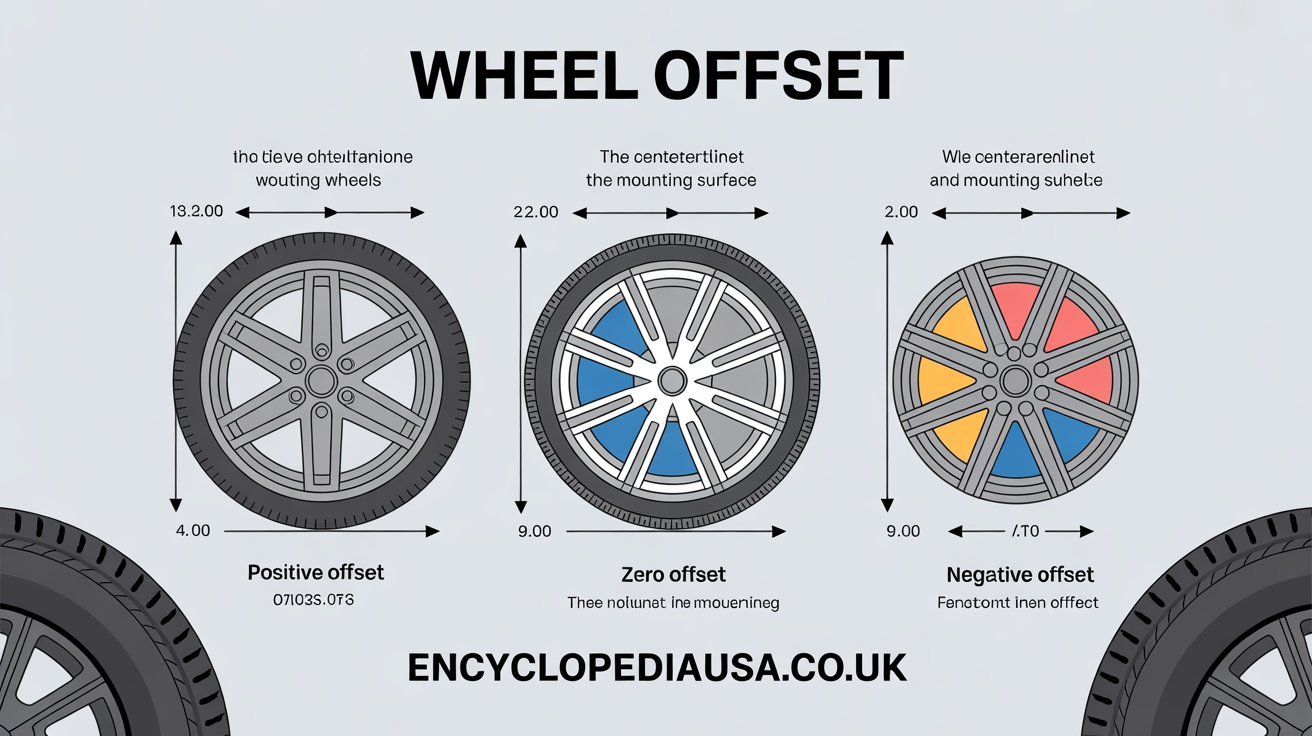
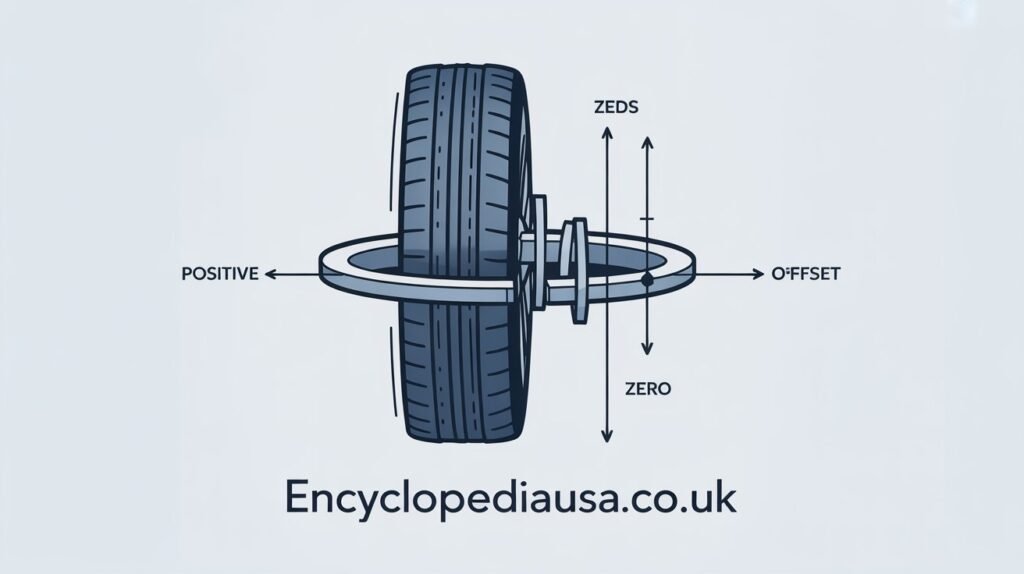
Wheel offset refers to the distance between the wheel’s mounting surface and its centerline. This measurement, expressed in millimeters, determines how far your wheel sits inside or outside the wheel well. The mounting surface is where your wheel bolts to the hub, while the centerline runs through the middle of the wheel’s width.
Think of wheel offset as the positioning system for your wheels. It controls whether wheels sit deep within the fenders, flush with the body, or extend beyond the vehicle’s profile. This positioning affects everything from appearance to suspension geometry to tire clearance.
Manufacturers engineer specific offset ranges for each vehicle model. These specifications ensure proper clearance for suspension components, brake calipers, fenders, and body panels. Deviating from recommended offset ranges without proper knowledge can create serious problems.
The Three Types of Offset
Understanding the three offset types helps you grasp how wheels position themselves relative to your vehicle. Each type creates different fitment characteristics and visual effects.
Positive Offset
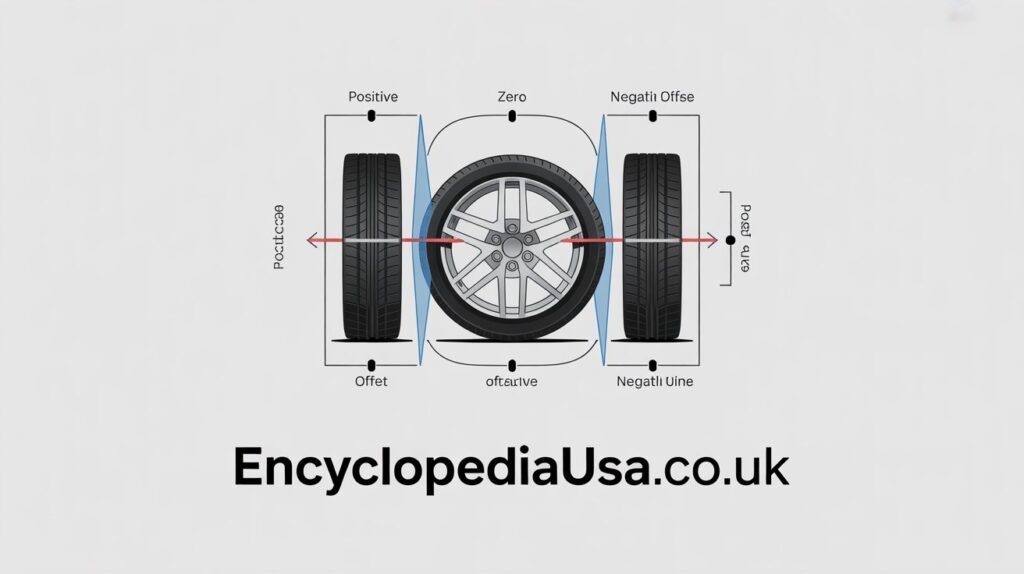
Positive offset occurs when the mounting surface sits closer to the outside face of the wheel. This pushes the wheel deeper into the wheel well. Most modern front wheel drive vehicles use positive offset to accommodate front wheel drive components and maintain proper track width.
The higher the positive offset number, the further inward the wheel sits. For example, a wheel with fifty millimeter positive offset sits further inside than one with thirty millimeter positive offset. Modern cars typically use positive offsets ranging from thirty to fifty millimeters.
Zero Offset
Zero offset means the mounting surface aligns perfectly with the wheel’s centerline. This creates a balanced position where the wheel sits neither in nor out. Zero offset is less common in modern vehicles but appears frequently on older cars and some truck applications.
Wheels with zero offset provide a neutral starting point for understanding offset measurements. They serve as the baseline from which positive and negative offsets deviate.
Negative Offset
Negative offset places the mounting surface toward the inside face of the wheel. This pushes the wheel outward from the vehicle’s body. Many trucks, SUVs, and older rear wheel drive cars use negative offset to achieve wider track width and aggressive stance.
Deep dish wheels often feature significant negative offset. The more negative the number, the further outward the wheel extends. A wheel with negative twenty five millimeter offset sits considerably further out than one with negative ten millimeter offset.
How to Measure Wheel Offset
Measuring wheel offset accurately requires understanding the specific formula and having the right tools. The measurement always uses millimeters and can be positive, negative, or zero.
The offset formula is: Offset equals the distance from the wheel’s mounting surface to the back edge, minus half the total wheel width. This calculation determines where the mounting surface sits relative to the wheel’s centerline.
Measuring an Installed Wheel
You can estimate offset on wheels already mounted to your vehicle. First, measure from the mounting surface to the outer edge of the wheel. Then measure the total wheel width from inner edge to outer edge. Divide the total width by two to find the centerline. Subtract the centerline measurement from the mounting surface measurement.
This method provides approximate offset but may not be perfectly accurate due to measurement challenges. For precise offset information, check the markings on the wheel itself.
Reading Offset from Wheel Markings
Most wheels display offset information stamped or etched into the barrel. Look for markings like “ET45” or “45mm offset.” The ET stands for “Einpresstiefe,” the German term for insertion depth, which means offset.
The number following ET indicates the offset in millimeters. ET45 means forty five millimeter positive offset. If you see a negative sign, like “ET negative 12,” the wheel has twelve millimeter negative offset.
Why Wheel Offset Matters
Choosing correct wheel offset isn’t just about aesthetics. This measurement impacts vehicle safety, performance, and longevity. Understanding these effects helps you make smart decisions about wheel modifications.
Impact on Handling and Safety
Wheel offset directly affects your vehicle’s track width, which is the distance between the center of the left and right tires. Changing offset alters track width, which influences handling characteristics. Wider track width generally improves stability but can create excessive strain on suspension components.
Incorrect offset changes suspension geometry in ways engineers never intended. This affects steering response, cornering ability, and overall vehicle dynamics. Your car might handle unpredictably or develop dangerous characteristics at high speeds.
The forces applied to wheel bearings, ball joints, and other suspension components increase when offset deviates significantly from factory specifications. These parts wear faster and may fail prematurely, creating safety hazards.
Clearance Issues and Rubbing
The most common problem from incorrect offset is tire rubbing. If offset is too aggressive, meaning too far positive or negative for your vehicle, tires contact suspension components, fenders, or inner wheel wells. This rubbing damages tires and body panels while creating annoying noise.
Inner clearance issues occur with excessive positive offset. The inner edge of the tire or wheel contacts suspension arms, struts, or the inner fender. This typically happens during suspension compression or when turning sharply.
Outer clearance problems arise from excessive negative offset. The tire’s outer edge rubs against the fender lip or body panels. This becomes especially problematic on lowered vehicles where suspension travel pushes tires closer to fenders.
Effects on Speedometer Accuracy
Changing wheel offset combined with different wheel or tire sizes affects speedometer readings. While offset alone doesn’t directly change speedometer accuracy, people often change offset alongside tire diameter. The altered overall diameter makes your speedometer read incorrectly.
Understanding this relationship helps you choose wheel and tire combinations that maintain accurate speed readings. Significant speedometer errors can result in speeding tickets or unsafe driving situations.
Influence on Brake Clearance
Wheel offset determines how close the wheel barrel sits to brake components. Insufficient clearance causes the wheel to contact brake calipers, making installation impossible. This is particularly important for vehicles with large brake kits or performance brake upgrades.
Always verify brake clearance when changing to wheels with different offset. Even a few millimeters can determine whether wheels fit properly over your braking system.
Calculating Proper Offset for Your Vehicle
Determining correct offset for your specific application requires considering multiple factors. Simply copying someone else’s setup rarely works because each vehicle’s configuration is unique.
Starting with Factory Specifications
Your vehicle’s original equipment offset provides the safest starting point. This offset ensures proper clearance, maintains correct suspension geometry, and keeps your vehicle operating as designed. You can find factory offset specifications in your owner’s manual or online databases.
Most manufacturers allow some offset deviation while maintaining safe operation. Typically, you can vary five to ten millimeters from factory offset without major issues. Larger deviations require careful consideration of consequences.
Accounting for Wheel Width Changes
Wider wheels change how offset affects fitment. When increasing wheel width, you must adjust offset to maintain similar tire positioning. Adding one inch of width typically requires reducing offset by approximately six millimeters to keep the outer edge in the same location.
This relationship between width and offset is crucial. A nine inch wide wheel with forty millimeter offset positions tires differently than an eight inch wheel with the same offset. Understanding this helps you achieve desired fitment.
Considering Suspension Modifications
Lowered vehicles require different offset considerations than stock height cars. Lowering reduces the gap between tires and fenders, making aggressive offset more likely to cause rubbing. Conversely, lifted trucks can accommodate more extreme offsets due to increased clearance.
Suspension modifications like coilovers, air suspension, or lift kits change clearance dynamics. Account for these modifications when selecting offset to avoid fitment issues.
Using Offset Calculators and Tools
Online offset calculators help visualize how offset changes affect wheel positioning. These tools let you input current and proposed specifications to see how the wheel position shifts. While helpful, these calculators provide estimates rather than guarantees.
Physical test fitting remains the most reliable method. Mounting wheels temporarily and checking clearance at all suspension positions ensures proper fitment before final installation.
Common Offset Ranges by Vehicle Type
Different vehicle categories typically use specific offset ranges based on their design and purpose. Understanding these ranges helps you recognize appropriate offset for your vehicle type.
Passenger Cars and Sedans
Modern front wheel drive sedans typically use positive offset between thirty five and fifty millimeters. This range accommodates front wheel drive components while maintaining proper track width. Compact cars often use higher positive offset than larger sedans.
Sport sedans might use slightly lower positive offset to achieve wider track width for improved handling. Performance oriented models sometimes use offsets in the twenty five to forty millimeter range.
SUVs and Crossovers
SUVs and crossovers generally use positive offset between thirty and fifty millimeters, similar to sedans. However, their larger wheel wells and suspension designs often accommodate more offset variation. Body on frame SUVs might use lower positive offsets or even slight negative offsets.
Three row SUVs and larger crossovers typically stick to moderate positive offset for stability and interior space. Compact crossovers use higher positive offset similar to the cars they’re based on.
Trucks and Off Road Vehicles
Pickup trucks demonstrate the widest offset variety. Stock trucks often use offset between zero and positive twenty millimeters. Off road and lifted trucks frequently run negative offset to achieve aggressive stance and wider track width.
Many truck enthusiasts prefer negative twelve to negative forty four millimeter offset for the “wheels out” look. However, extreme negative offset on trucks creates significant drivetrain stress and accelerates component wear.
Sports Cars and Performance Vehicles
Performance cars use offset strategically to optimize handling. Many sports cars use staggered setups with different offsets front and rear. This accommodates wider rear tires while maintaining proper weight distribution effects.
High performance models might use positive fifteen to forty millimeter offset depending on width and intended use. Track focused cars often use specific offsets to maximize tire contact patch and handling precision.
Wheel Offset and Vehicle Aesthetics
Beyond technical considerations, wheel offset dramatically influences your vehicle’s appearance. The stance and presence of your car changes significantly with different offsets.
Achieving Flush Fitment
Flush fitment means wheels sit perfectly aligned with the fender edge. This look requires precise offset selection based on your wheel width and fender dimensions. Achieving true flush fitment often requires custom offset specifications.
The flush look appeals to many enthusiasts because it maximizes the wheel and tire package without excessive protrusion. However, reaching flush fitment on lowered cars sometimes requires rolling or pulling fenders to prevent rubbing.
Aggressive Stance Considerations
Aggressive stance involves wheels extending beyond fenders for a bold, motorsport inspired look. This requires negative offset or very low positive offset. The aggressive appearance comes with tradeoffs including increased tire wear, suspension stress, and potential legal issues in some jurisdictions.
If you’re pursuing aggressive fitment, understand the maintenance and reliability implications. Components wear faster and your ride quality may suffer. Many enthusiasts accept these compromises for the desired aesthetic.
Sunken or Tucked Wheel Look
Some prefer wheels sitting deep within fenders for a subtle, OEM plus appearance. This requires higher positive offset than factory specifications. The tucked look works well on certain vehicle styles but can appear awkward on others.
Excessive positive offset risks inner clearance issues and reduces track width significantly. Balance aesthetic preferences with practical limitations.
Spacers and Offset Modification
Wheel spacers offer a method to effectively change offset after purchasing wheels. These components fit between the hub and wheel, pushing the wheel outward.
How Wheel Spacers Work
Spacers are measured in millimeters of thickness. A ten millimeter spacer reduces effective offset by ten millimeters. If your wheel has forty millimeter offset, adding a ten millimeter spacer creates thirty millimeter effective offset.
Spacers allow you to adjust fitment without buying new wheels. They’re particularly useful for achieving flush fitment or correcting offset that’s too aggressive. However, spacers introduce additional components into your wheel mounting system.
Hub Centric vs Lug Centric Spacers
Hub centric spacers include a center bore that matches your vehicle’s hub, providing proper centering. These spacers transfer vehicle weight through the hub rather than wheel studs. Hub centric design is safer and reduces vibration.
Lug centric spacers rely on wheel studs for centering. These are generally less desirable because they can cause vibration and uneven stress on studs. Always choose hub centric spacers when possible.
Safety Considerations with Spacers
Quality spacers from reputable manufacturers are generally safe when properly installed. However, spacers add stress to wheel studs and bearings. Thicker spacers increase this stress proportionally.
Most experts recommend keeping spacers twenty five millimeters or less for safety. Thicker spacers should use bolt on designs with their own studs rather than slip on types. Always ensure proper torque specifications and check tightness regularly after installation.
Legal and Safety Regulations
Some regions have laws governing wheel offset and protrusion. Understanding these regulations prevents legal trouble and ensures safe operation.
Tire Protrusion Laws
Many jurisdictions prohibit tires from extending beyond fenders by specified amounts. These laws exist for safety reasons because protruding tires can spray debris, damage other vehicles, and injure pedestrians.
Common regulations limit protrusion to specific measurements or require fender coverage of the entire tire width. Violating these laws results in fines and may require removing wheels to pass vehicle inspections.
Mudflap and Fender Requirements
Some areas require mudflaps or fender extensions when wheels extend beyond original body lines. These regulations aim to reduce road spray and protect other drivers. Off road vehicles and trucks frequently face these requirements.
Check local regulations before installing wheels with aggressive offset. You may need to add fender flares or mudflaps to remain compliant.
Insurance Implications
Extreme wheel modifications might affect insurance coverage. Some policies exclude coverage for modified vehicles or require disclosure of modifications. Undisclosed modifications could void claims if they contributed to an accident.
Consult your insurance provider before making significant offset changes. Understanding policy implications prevents unpleasant surprises during claims.
Common Wheel Offset Mistakes
Many enthusiasts make avoidable errors when selecting wheel offset. Learning from common mistakes saves money and frustration.
Ignoring Manufacturer Specifications
The most frequent mistake is disregarding factory offset recommendations completely. While deviation from stock offset is sometimes acceptable, totally ignoring specifications invites problems. Manufacturers determine offset ranges through extensive testing and engineering.
Use factory specifications as your baseline. Understand why you’re deviating and what effects to expect. Dramatic offset changes without research rarely end well.
Not Test Fitting Before Purchase
Buying wheels without confirming fitment leads to expensive returns or wheels you can’t use. Offset that works on one vehicle model might not work on yours even if the models seem similar. Suspension components, fender designs, and brake sizes vary.
Whenever possible, test fit wheels before purchasing. Many wheel retailers offer test fitting services. If buying used wheels, verify exact specifications match your needs.
Mixing Offset with Improper Width
Choosing offset without considering wheel width creates fitment disasters. A wheel that’s too wide with inappropriate offset guarantees rubbing. The relationship between these measurements is inseparable.
Always consider offset and width together as a package. Changing one requires adjusting the other to maintain desired fitment.
Forgetting Tire Size in the Equation
Tire width and sidewall height dramatically affect overall fitment. A wheel with perfect offset might still cause rubbing if you mount excessively wide or tall tires. The complete package of wheel offset, wheel width, tire width, and tire diameter determines final fitment.
Calculate total package dimensions before purchasing. Online fitment calculators help visualize how all these factors interact.
Measuring and Verifying Fitment
Ensuring proper fitment requires careful measurement and verification. These steps prevent expensive mistakes and safety issues.
The String Method
The string method provides a simple way to estimate required offset. Tie string across your wheel well opening at the point where you want your wheel face to sit. Measure from the string to the hub mounting surface. This measurement approximates the offset needed for your desired fitment.
While not perfectly accurate, the string method offers a reasonable starting point. It works best for initial estimates before detailed calculations.
Professional Fitment Analysis
Many wheel specialists offer computerized fitment analysis. They input your vehicle specifications, suspension modifications, desired wheel dimensions, and tire sizes. The software predicts fitment outcomes with reasonable accuracy.
Professional analysis costs money but prevents expensive mistakes. The service pays for itself if it stops you from buying incompatible wheels.
Checking Clearance at All Points
After installing new wheels, verify clearance throughout the full range of motion. Turn the steering wheel lock to lock while someone watches for contact. Bounce the suspension through its full travel. Drive over bumps while listening for rubbing sounds.
Clearance when parked doesn’t guarantee clearance during driving. Suspension compression, body roll, and steering input change wheel position relative to body panels. Comprehensive checking reveals issues before they damage components.
Advanced Offset Considerations
Beyond basic fitment, advanced topics affect wheel offset selection for specific applications.
Offset in Staggered Setups
Staggered wheel setups use different widths front and rear. This requires different offsets front and rear to maintain appropriate fitment. Rear wheels are typically wider with lower offset to fill wider rear fenders.
Calculating offset for staggered setups requires considering each axle independently. The goal is achieving balanced appearance and proper clearance at both ends of the vehicle.
Offset and Camber Relationship
Suspension camber, the angle of the wheels relative to vertical, interacts with offset to affect tire positioning. Negative camber angles the top of the wheel inward, changing which part of the tire sits closest to fenders.
Vehicles with significant negative camber can often run more aggressive offset because the camber tucks the top of the wheel inward. However, this relationship complicates fitment calculations.
Temperature and Load Effects
Tire dimensions change with temperature and load. Hot tires expand slightly, reducing clearance. Heavy loads compress suspension, moving tires closer to fenders. These dynamic changes matter when running minimal clearance.
Leave some safety margin in your fitment. What clears perfectly when cold and unloaded might rub when tires are hot and the car is loaded with passengers and cargo.
Maintaining Wheels with Modified Offset
Wheels with offset different from factory specifications require extra attention and maintenance.
Regular Inspection Routines
Check wheels, tires, and suspension components more frequently when running modified offset. Look for signs of rubbing like marks on tires or fenders. Inspect suspension bushings and ball joints for premature wear.
Early detection of issues prevents major failures. Monthly visual inspections take minutes but catch problems before they become dangerous.
Monitoring Tire Wear Patterns
Improper offset can cause uneven tire wear. Watch for excessive wear on inner or outer edges indicating alignment or clearance issues. Unusual wear patterns signal that something isn’t right with your setup.
Address abnormal wear immediately by checking alignment and clearance. Ignoring wear patterns leads to shortened tire life and potential handling problems.
Suspension Component Lifespan
Components like wheel bearings and ball joints may wear faster with modified offset. Budget for more frequent replacement of these parts. The increased stress from altered geometry takes its toll over time.
This doesn’t mean you can’t modify offset, just that you should understand the maintenance implications. Many enthusiasts happily accept increased maintenance for their desired appearance and performance.
Conclusion
Wheel offset represents a critical specification that dramatically affects your vehicle’s appearance, handling, and safety. Understanding offset empowers you to make informed decisions about wheel purchases and modifications. The difference between perfect fitment and expensive mistakes often comes down to a few millimeters of offset.
Remember that offset works with wheel width, tire size, and suspension setup to create overall fitment. Consider all these factors together rather than focusing on offset alone. Starting with manufacturer specifications and making informed modifications based on your specific goals and vehicle creates the best outcomes.
Whether you’re seeking flush fitment, aggressive stance, or simply replacing worn wheels, proper offset selection ensures your investment looks great and performs safely. Take time to research, measure, and verify fitment before committing to new wheels. Your vehicle and wallet will thank you. What offset works best for the look you’re trying to achieve?
Frequently Asked Questions
What does wheel offset actually mean?
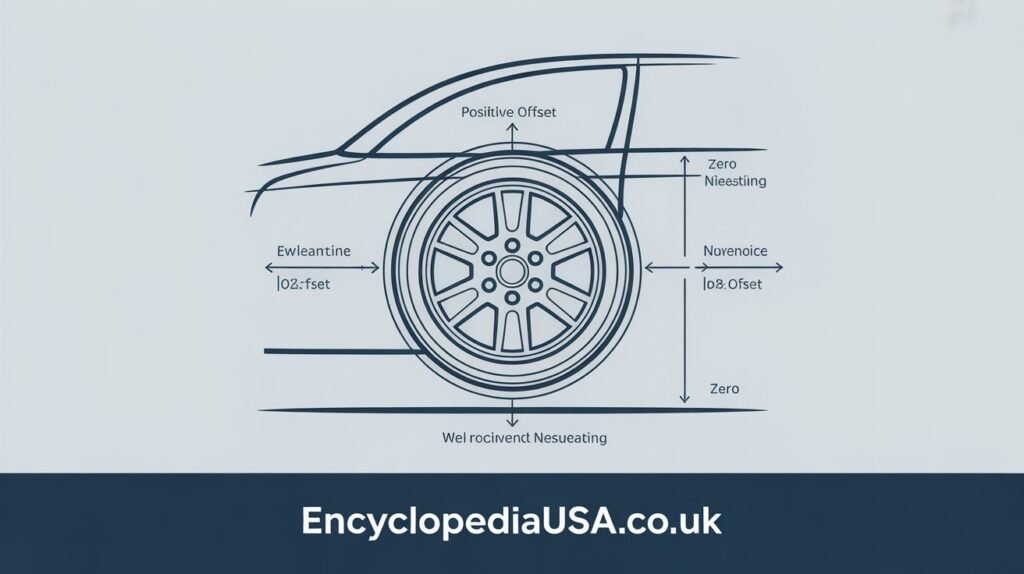
Wheel offset is the distance in millimeters between the wheel’s mounting surface and its centerline. Positive offset means the mounting surface is closer to the outside face of the wheel, pushing it inward. Negative offset places the mounting surface toward the inside face, pushing the wheel outward. Zero offset means the mounting surface aligns perfectly with the centerline.
Can I change my wheel offset without problems?
You can change offset within reasonable limits, typically five to ten millimeters from factory specifications without major issues. Larger changes require careful consideration of clearance, suspension geometry, and handling effects. Always verify that your chosen offset provides adequate clearance for suspension, brakes, and body panels throughout full steering and suspension travel.
How do I know what offset I need?
Start with your vehicle’s factory offset specification, found in the owner’s manual or online databases. Consider your wheel width, tire size, and any suspension modifications. Use online fitment calculators as estimates, but verify fitment through test fitting when possible. Consulting with wheel fitment specialists provides expert guidance for your specific application.
Will wrong offset damage my car?
Incorrect offset can cause multiple problems. Tires may rub suspension components or fenders, causing damage and excessive wear. Altered suspension geometry affects handling and may create dangerous driving characteristics. Excessive offset changes increase stress on wheel bearings, ball joints, and other components, potentially causing premature failure. Severely wrong offset can make your vehicle unsafe.
What’s the difference between offset and backspacing?
Offset measures from the mounting surface to the wheel centerline in millimeters. Backspacing measures from the mounting surface to the inner edge of the wheel in inches. Both describe wheel positioning but use different reference points and measurement units. Offset is the standard specification used globally, while backspacing appears primarily in American truck and off road communities.
Can wheel spacers fix offset problems?
Spacers can adjust effective offset by pushing wheels outward. Each millimeter of spacer thickness reduces offset by one millimeter. Quality hub centric spacers are generally safe for adjustments up to twenty five millimeters. However, spacers add components to your wheel mounting system and increase stress on studs and bearings. Proper offset wheels are preferable to correcting major offset errors with thick spacers.
Does offset affect my speedometer?
Offset itself doesn’t directly affect speedometer accuracy. However, people often change offset alongside different wheel and tire sizes that alter overall diameter. The changed diameter affects how far your vehicle travels per wheel revolution, making your speedometer read incorrectly. Maintaining similar overall tire diameter to factory specifications preserves speedometer accuracy.
Why do manufacturers use different offsets?
Manufacturers select offset to optimize clearance for specific components, achieve desired handling characteristics, and create intended styling. Front wheel drive cars typically use higher positive offset to accommodate drivetrain components. Trucks use lower offset or negative offset for wider stance and load capacity. Each vehicle’s design determines optimal offset range.
Can I use different offset front and rear?
Yes, staggered setups with different widths front and rear require different offsets to achieve balanced fitment. Many performance and sports cars use this configuration. Calculate each axle’s offset independently based on wheel width and fender clearance. The goal is proper clearance and appealing appearance at both ends of the vehicle.
Is aggressive offset bad for my car?
Aggressive offset, meaning significantly different from factory specs, creates additional stress on suspension components and typically reduces component lifespan. It may also cause rubbing, affect handling, and violate legal requirements in some areas. Many enthusiasts accept these tradeoffs for desired appearance. Understanding consequences helps you make informed decisions about whether aggressive offset suits your priorities.
More Read: How Did Twitch Die
Author Bio
An automotive enthusiast and technical writer specializing in vehicle modifications and wheel fitment. With years of experience helping car owners understand complex specifications, the author translates technical jargon into practical, actionable advice. Passionate about proper fitment and vehicle safety, the author combines mechanical knowledge with clear communication to help readers make informed decisions about wheel upgrades and modifications.
