
The Controversial Truth About Yair Netanyahu You Need to Know
Introduction
When you hear the name Yair Netanyahu, what comes to mind? For many people around the world, he represents one of the most controversial figures in Israeli politics today. As the eldest son of Prime Minister Benjamin Netanyahu, Yair has managed to capture international attention without holding any official government position. His social media presence, political statements, and lifestyle choices have sparked debates that go far beyond Israel’s borders.
You might wonder why someone who has never been elected to office generates so much discussion. The answer lies in his unique position at the intersection of political power, social media influence, and public controversy. Whether you follow Middle Eastern politics closely or just catch occasional headlines, understanding who Yair Netanyahu is helps you grasp the changing nature of political influence in our digital age.
This article takes you through everything you need to know about Yair Netanyahu. You will discover his background, his rise to prominence, the controversies that surround him, and why he matters in today’s political landscape.
Who Is Yair Netanyahu?
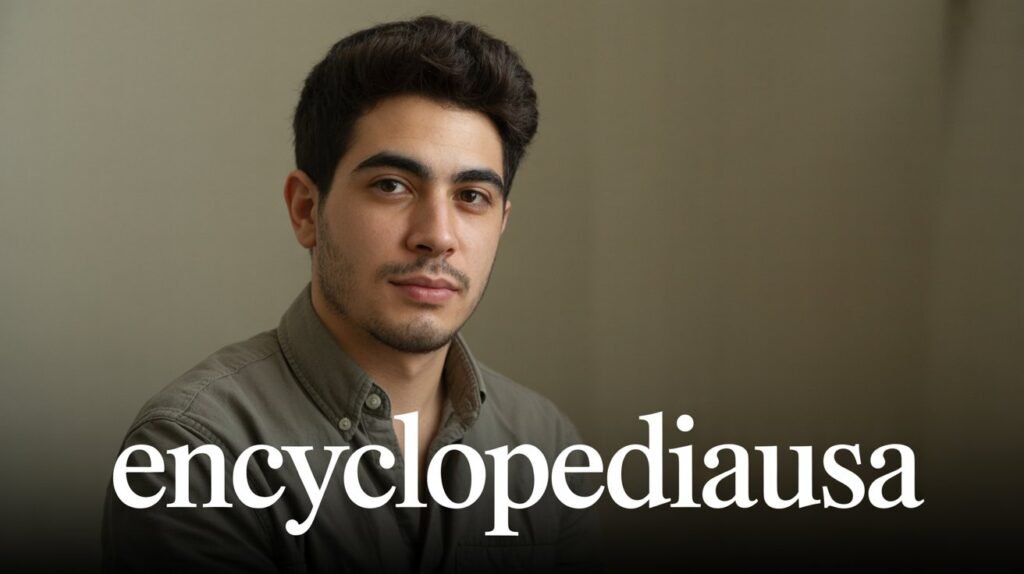
Yair Netanyahu was born on March 24, 1991, in Jerusalem. He grew up in one of Israel’s most famous political families. His father, Benjamin Netanyahu, has served as Prime Minister of Israel for multiple terms. His mother, Sara Netanyahu, has also been a subject of public interest and controversy over the years.
Growing up in the Prime Minister’s residence gave Yair a childhood unlike most others. He attended prestigious schools and had access to experiences that few people his age could imagine. Despite this privileged upbringing, or perhaps because of it, he developed a public persona that many find divisive.
Yair completed his military service in the Israel Defense Forces, serving as a spokesperson. This role gave him early experience in communication and media relations. After his service, he pursued university studies but his academic career has been less publicized than his online activities.
Unlike many children of political leaders who maintain low profiles, Yair embraced public attention. He became active on social media platforms, particularly Twitter and Facebook, where he shares his political views without filter or diplomatic restraint.
The Rise of a Social Media Personality
Yair Netanyahu’s journey to prominence began on social media. He recognized early that platforms like Twitter gave him direct access to audiences without needing traditional media gatekeepers. His posts often defend his father’s policies, attack political opponents, and comment on Israeli and international affairs.
His social media strategy differs sharply from typical political communication. While most political figures carefully craft their messages, Yair posts impulsively and provocatively. This approach has earned him a devoted following among some supporters who appreciate his directness. Critics see the same behavior as reckless and inappropriate for someone so close to power.
You can find his posts covering everything from security issues to cultural debates. He shares memes, videos, and lengthy text posts. His content often goes viral, not always for positive reasons. International media outlets regularly report on his more controversial statements.
The power of his social media presence cannot be underestimated. With hundreds of thousands of followers, his posts reach audiences that rival traditional news organizations. This influence matters because he can shape narratives, respond to criticism instantly, and mobilize supporters.
His online activity raises questions about the role of family members in modern politics. Should the relatives of elected officials have such public platforms? When does their speech reflect on the government? These questions become particularly relevant when Yair Netanyahu speaks on sensitive political matters.
Major Controversies and Public Incidents
Yair Netanyahu has been at the center of numerous controversies. These incidents have shaped public perception of him both in Israel and internationally.
The Audio Recording Scandal
One of the most significant controversies involved an audio recording from 2015 that surfaced in 2018. In the recording, Yair could be heard outside a strip club discussing a gas deal his father had promoted. The conversation included crude remarks and suggestions that appeared to connect business deals with government policy. The incident sparked outrage and questions about potential corruption.
The recording damaged both Yair’s reputation and raised concerns about his father’s administration. Critics argued it demonstrated inappropriate behavior and possible conflicts of interest. Supporters dismissed it as a young man’s indiscretion blown out of proportion by political opponents.
Social Media Posts and Legal Battles
Yair’s Twitter activity has led to multiple legal challenges. He has faced lawsuits for defamation after posting about various individuals and organizations. Some of these cases have resulted in court orders requiring him to delete posts or pay damages.
His posts about Holocaust survivors, anti-government protesters, and political activists have generated particular controversy. Critics accuse him of spreading misinformation and attacking vulnerable groups. He maintains that he exercises his right to free speech.
International incidents have also occurred. His posts about George Soros, the billionaire philanthropist, were criticized as antisemitic by some observers. This irony of an Israeli leader’s son being accused of antisemitism highlighted the complexity of modern political discourse.
Lifestyle and Security Expenses
Questions about Yair’s lifestyle have created ongoing controversy. Reports suggest he has lived abroad for extended periods, including time in Miami, while receiving security protection funded by Israeli taxpayers. Critics question why someone without an official government role receives such extensive security resources.
The cost of protecting him has been estimated at significant sums. This spending becomes controversial during times of budget constraints or when other Israelis feel their security needs are not being met. Defenders argue that as the Prime Minister’s son, he faces legitimate security threats that justify the protection.
His travels and lifestyle appear luxurious to many observers. Photos and reports show him enjoying expensive venues and experiences. For a country where many citizens struggle economically, these images create resentment among some segments of the population.
Political Influence Without Office
Yair Netanyahu holds no elected position and no formal role in government. Yet his influence on Israeli politics is undeniable. This influence operates through several channels.
His social media posts often align with or amplify his father’s political messaging. When the Prime Minister faces criticism, Yair frequently defends him online. When the government promotes a policy, his posts help spread supportive narratives. This coordination suggests a level of strategic communication planning.
He has become a voice for a particular segment of the Israeli right wing. His followers appreciate his uncompromising stance on security issues, his defense of Israeli settlements, and his criticism of the media and judiciary. This base provides political support that benefits his father’s coalition.
International observers note that Yair’s activities sometimes complicate diplomatic relations. His posts about foreign leaders, international organizations, or other countries can create diplomatic incidents. Government officials then must decide whether to distance themselves from his statements or remain silent.
The phenomenon of politically influential family members is not unique to Israel. You can find similar examples throughout history and across countries. However, the combination of social media, contentious politics, and security concerns makes Yair’s case particularly noteworthy.
The Broader Context of Political Families
Understanding Yair Netanyahu requires placing him within the broader context of political dynasties. Throughout history, the children and relatives of leaders have played various roles.
Some become politicians themselves, running for office and building their own careers. Others work behind the scenes as advisors or through charitable foundations. Still others try to avoid the spotlight entirely, seeking privacy despite their family connections.
Yair has chosen a different path. He maintains high visibility without accepting official responsibility. This position gives him the ability to influence without accountability. He can make controversial statements, then claim he speaks only for himself, not the government.
This arrangement creates advantages and risks. The advantage is freedom to speak boldly without diplomatic constraints. The risk is that his statements can embarrass the government or create problems his father’s administration must address.
You might compare his role to other political family members around the world. Some have faced similar controversies. Others have successfully navigated the challenges of being related to powerful leaders. The differences often come down to judgment, temperament, and the specific political culture they operate within.
Public Opinion and Media Coverage
Israeli public opinion on Yair Netanyahu is sharply divided. Supporters see him as a brave voice willing to challenge political correctness and defend national interests. Critics view him as entitled, reckless, and a symbol of political dynasty problems.
Media coverage reflects this division. Right-leaning outlets often defend him or downplay controversies. Left-leaning and centrist media outlets regularly criticize his behavior and question the appropriateness of his influence. International media tends to focus on his most controversial moments, often presenting him negatively.
Polls show that many Israelis have strong opinions about him, even those who do not follow politics closely. He has become a cultural figure beyond just politics. References to him appear in comedy, art, and public discourse about privilege and power.
The generational aspect matters too. Younger Israelis who grew up with social media may view his online activity differently than older generations. Questions of free speech, appropriate behavior for public figures, and the nature of political discourse all play into how different groups perceive him.

The Legal and Security Implications
Yair’s activities have legal dimensions beyond the defamation cases he has faced. Security experts worry that his posts sometimes reveal sensitive information or create security risks. His location, activities, and associations all become potential vulnerabilities.
The Israeli security establishment must protect him while also managing the risks his behavior creates. This balancing act consumes resources and attention. Some security officials have reportedly expressed frustration with the complications his lifestyle choices create.
Legal scholars debate whether family members of officials should face different standards than ordinary citizens. Should Yair be held to higher standards because of his father’s position? Or should he enjoy the same free speech rights as anyone else? These questions have no easy answers.
International legal implications exist too. His statements about foreign entities or individuals could theoretically create legal liability in other jurisdictions. The complex web of international law, diplomatic immunity, and free speech creates a challenging legal landscape.
What This Means for Israeli Democracy
The Yair Netanyahu phenomenon raises important questions about democratic governance. When family members of elected officials wield significant influence without holding office or facing electoral accountability, what does this mean for democracy?
Critics argue it represents a form of unelected power that undermines democratic principles. If Yair can shape political discourse and policy discussions without winning votes, it creates an accountability gap. Voters can choose or reject Benjamin Netanyahu, but they have no direct say over his son’s influence.
Defenders counter that in a democracy, anyone can speak publicly and try to influence debates. Yair’s family connection gives him a platform, but he earns his audience through his own communication. If people choose to listen to him, that is their democratic right.
The debate extends to questions about privilege and meritocracy. Does Yair’s position result from his own abilities and efforts, or does it simply reflect the accident of birth? How much should a democratic society tolerate dynastic advantage?
These philosophical questions become practical when they affect governance. If government decisions appear influenced by family considerations rather than public interest, it erodes trust in institutions. Maintaining the integrity of democratic processes requires clear boundaries between personal interests and public duty.
Comparing International Examples
Looking at other countries helps provide perspective. The United States has seen controversial presidential children, from Alice Roosevelt’s antics in the early 1900s to more recent examples. The United Kingdom’s royal family includes members who have courted controversy while benefiting from public resources.
Each country handles these situations differently based on its political culture, legal framework, and media environment. Some place strict limitations on what relatives of leaders can do or say. Others allow wide latitude while expecting public accountability through media scrutiny.
Yair’s situation shares elements with various international cases but also has unique features. Israel’s security environment, its contentious political landscape, and its particular media ecosystem all shape how his activities play out.
You can learn from these comparisons that there is no universal solution. Democracies must constantly negotiate the tension between individual rights and the special responsibilities that come with proximity to power.
The Future and What Comes Next
What does the future hold for Yair Netanyahu? Several possibilities exist depending on political developments and personal choices.
If his father remains in power, Yair will likely continue his current pattern of activity. His influence may grow or contract depending on political circumstances and public reaction to his behavior. He might eventually seek elected office himself, though he has not indicated such plans.
If Benjamin Netanyahu’s political career ends, whether through electoral defeat, legal issues, or retirement, Yair’s position would change significantly. He might retreat from public life or attempt to build his own political brand independent of his father.
The legal cases against him will continue to develop. These could result in significant consequences that alter his behavior or his public role. Alternatively, he might successfully defend against all legal challenges and claim vindication.
Changes in social media platforms and online discourse could also affect his influence. If the platforms he uses change their policies or if public appetite for his style of communication shifts, his impact might diminish.
Whatever happens, Yair Netanyahu has already secured his place in the history of Israeli politics. Future scholars will study his role as an example of how family, politics, and social media intersect in the modern era.
Why You Should Pay Attention
Even if you do not live in Israel or follow Middle Eastern politics closely, the Yair Netanyahu story matters. It illustrates broader trends affecting democracies worldwide.
The rise of social media has changed political communication fundamentally. Traditional gatekeepers like journalists and party officials have less control over who gets heard. This democratization of voice brings benefits but also challenges. Yair represents both the promise and peril of this new landscape.
Questions about political dynasties affect many countries. When leadership becomes concentrated in certain families, it raises concerns about fairness, meritocracy, and democratic vitality. Understanding how one country grapples with these issues can inform thinking about similar situations elsewhere.
The intersection of security, privilege, and accountability creates dilemmas with no perfect solutions. How do societies protect the families of leaders while ensuring public resources are used appropriately? Yair’s case provides a concrete example of these abstract challenges.
Finally, the role of controversial figures in political discourse affects everyone. Do such figures help by making debates more honest and passionate? Or do they harm by coarsening discourse and spreading misinformation? Your answer to this question shapes your view not just of Yair Netanyahu but of political communication more broadly.
Lessons and Takeaways
What can we learn from examining Yair Netanyahu’s role in Israeli politics?
First, family connections create opportunities but also obligations. Having a famous and powerful parent opens doors, but it also brings scrutiny and expectations. How individuals handle this situation reveals character and judgment.
Second, social media amplifies both reach and risk. The ability to communicate directly with large audiences is powerful. But without filters and institutional constraints, it is easy to make mistakes with lasting consequences.
Third, influence without accountability poses challenges for democratic systems. When individuals shape policy debates without facing electoral consequences, it tests the resilience of democratic institutions.
Fourth, public opinion matters even for unelected figures. Yair’s controversies affect his father’s political standing and Israel’s international image. No one with a public platform operates in isolation.
Fifth, the definition of appropriate behavior continues to evolve. What one generation considers normal free speech, another might view as irresponsible. These generational and cultural differences complicate judgments about political figures.
Making Sense of a Complex Figure
Yair Netanyahu defies simple categorization. He is neither purely a villain nor a hero. He is not just a privileged youth nor solely a political influencer. He embodies contradictions that reflect the complex society he comes from.
He can be simultaneously criticized for inappropriate behavior and defended for exercising free speech rights. His lifestyle can appear extravagant while his supporters insist he faces genuine security threats. His influence can seem outsized for someone without official position, yet also understandable given his family connection and communication skills.
Understanding him requires holding multiple truths at once. Democratic societies benefit from diverse voices and open debate. They also need accountability and respect for institutions. Families of leaders deserve some privacy and protection. The public also has legitimate interests in how power operates.
Rather than forcing Yair Netanyahu into a simple narrative, we can recognize him as a case study in modern political complexity. He reveals tensions and challenges that many societies face. How Israel and the world respond to these challenges will shape politics for years to come.

Conclusion
Yair Netanyahu remains one of the most talked about figures in Israeli politics despite holding no official position. His social media presence, controversial statements, and lifestyle choices have made him a lightning rod for debates about privilege, accountability, and the nature of political influence in the digital age.
Whether you view him as a courageous voice against political correctness or as an entitled provocateur, his impact on Israeli political discourse is undeniable. He represents a new breed of political influencer who operates outside traditional structures while wielding significant power.
The questions his case raises extend far beyond Israel’s borders. How should democracies handle influential family members of leaders? What are the proper limits of political speech in the social media age? How do we balance security needs with accountability for public resources?
As you follow news from Israel and around the world, keep these questions in mind. The answers we develop will shape the future of democratic governance and political communication. Yair Netanyahu’s story is still being written, and its lessons continue to unfold.
What do you think about the role of political family members in modern democracies? The conversation continues, and your perspective matters.
Frequently Asked Questions
What does Yair Netanyahu do for a living?
Yair Netanyahu does not have a publicly known conventional job or career. He is primarily known for his social media activity and public statements. He has lived abroad at times and his lifestyle appears to be supported by his family, though specific details about his income sources are not publicly disclosed. His main occupation seems to be as a social media influencer focused on political topics.
Why is Yair Netanyahu controversial?
Yair Netanyahu is controversial for multiple reasons. His social media posts often include provocative statements that critics say spread misinformation or attack vulnerable groups. An audio recording of him discussing government business deals in crude terms sparked corruption concerns. His lifestyle and security costs paid by taxpayers while living abroad have also generated criticism. His influence on politics without holding elected office raises accountability questions.
Has Yair Netanyahu ever held political office?
No, Yair Netanyahu has never held any elected political office or formal government position. His influence comes entirely from his status as the Prime Minister’s son and his social media presence. He served in the Israel Defense Forces as a spokesperson, but this was standard military service, not a political role.
Where does Yair Netanyahu currently live?
Yair Netanyahu’s exact current residence is not always publicly confirmed and appears to change. He has spent extended periods living in Miami, Florida, and has also resided in Israel. His living arrangements have been controversial because Israeli taxpayers fund his security protection regardless of where he stays.
What is Yair Netanyahu’s relationship with his father?
Yair Netanyahu appears to have a close relationship with his father, Prime Minister Benjamin Netanyahu. He frequently defends his father publicly on social media and aligns with his political positions. Their relationship seems personally warm and politically coordinated, though they maintain it is a normal family bond rather than a political partnership.
Has Yair Netanyahu faced legal consequences for his actions?
Yair Netanyahu has faced several legal challenges, primarily defamation lawsuits related to his social media posts. Some cases have resulted in court orders requiring him to delete posts or pay damages to plaintiffs. However, he has not faced criminal charges. The legal cases are ongoing and continue to develop.
How much does Yair Netanyahu’s security cost Israeli taxpayers?
The exact cost of Yair Netanyahu’s security is not publicly disclosed in detail. Reports suggest it amounts to significant sums, particularly when he travels or lives abroad. Critics argue these costs are inappropriate for someone without an official government role, while supporters maintain the security is necessary due to legitimate threats against the Prime Minister’s family.
Does Yair Netanyahu have siblings?
Yes, Yair Netanyahu has a younger brother named Avner Netanyahu, born in 1994. Avner maintains a much lower public profile than Yair and rarely appears in news coverage or on social media. Benjamin Netanyahu also has an adult daughter from a previous relationship who similarly keeps a private life.
What education does Yair Netanyahu have?
Yair Netanyahu attended university after completing his military service, but details about his educational achievements are less publicized than his other activities. His formal educational credentials have received less attention than his social media presence and political statements.
Will Yair Netanyahu run for political office in the future?
Yair Netanyahu has not announced any plans to run for elected office. Whether he will pursue a political career remains unknown. His current approach gives him influence without electoral accountability, which may be more appealing to him than the scrutiny and limitations that come with holding office. However, political circumstances could change his calculation in the future.
Also Read Encyclopediausa
Author Bio
Sarah Mitchell is a political analyst and journalist specializing in Middle Eastern affairs and digital political communication. With over a decade of experience covering international politics, she focuses on the intersection of traditional governance and modern social media influence. Sarah holds a master’s degree in International Relations and has reported from multiple countries across the Middle East. Her work appears in various publications analyzing how political families and digital platforms are reshaping democratic discourse worldwide.