


Puerto Rico Weather: What Nobody Tells You Before You Visit
Introductions:
If you have ever dreamed about waking up to warm Caribbean air, stepping onto a white sand beach, and feeling that first burst of tropical sunshine on your skin, Puerto Rico probably belongs on your bucket list. But before you pack your bags, you need to understand one thing: Puerto Rico weather can surprise you in ways your hotel brochure never mentions.
The island sits in the northeastern Caribbean, and its climate runs warm all year long. Temperatures rarely drop below 70°F (21°C) even at night. But warmth does not mean predictable. Rain, humidity, trade winds, and yes, the occasional hurricane all play a role in shaping your experience on the island.
This guide breaks down everything you need to know about Puerto Rico weather, from the driest months to the stormiest ones, so you can plan a trip that actually matches your expectations.
Quick Answer: The best time to visit Puerto Rico is between mid-December and April. These months bring lower humidity, less rainfall, and calm seas — perfect conditions for beach days and outdoor adventures.
Understanding Puerto Rico’s Climate: The Big Picture
Puerto Rico enjoys a tropical climate with two main seasons: a dry season and a wet season. Unlike places that experience dramatic temperature swings between summer and winter, the island stays warm year round. What changes is the rainfall and humidity.
82°F
Average Year-Round High
70°F
Average Year-Round Low
70%
Average Humidity
60in
Annual Rainfall (avg.)
Trade winds blow steadily from the northeast, which helps keep the northern coast slightly cooler and wetter than the south. The southern coast, around Ponce, tends to be drier and sunnier. The mountainous interior, home to El Yunque National Forest, receives the most rainfall of all. Some areas there get over 180 inches of rain per year.
So when people ask “what is Puerto Rico weather like?” the honest answer depends on exactly where on the island you plan to spend your time.
Puerto Rico Dry Season: December to April
This is the golden window for most travelers. From mid-December through April, rainfall drops significantly, skies stay clearer, and the trade winds keep temperatures feeling comfortable even on the hottest afternoons.
What You Can Expect
- Daytime highs hover between 80°F and 85°F (27°C to 29°C).
- Evenings cool down to around 70°F to 74°F (21°C to 23°C).
- Rainfall is possible but short lived, usually in the form of brief afternoon showers.
- Ocean water stays warm at around 77°F to 80°F (25°C to 27°C).
- Humidity feels manageable compared to the wet season months.
December and January bring the coolest temperatures of the year. You will not need a heavy jacket, but a light layer at night is a smart idea, especially in the mountains. February through April is widely considered the most pleasant time to visit. The air feels fresh, the crowds at major beaches are manageable outside of spring break, and outdoor activities like hiking El Yunque or kayaking through the bioluminescent bays are absolutely enjoyable.
Personal Tip: I visited Puerto Rico in late February and the weather was near perfect. The beaches were not as packed as I expected, and every afternoon hike felt breezy rather than draining. It is the kind of trip that spoils you for every other destination.

Puerto Rico Wet Season: May to November
Once May arrives, rainfall picks up noticeably. The wet season runs through November, and while it does not mean constant rain, you should expect daily showers — often heavy and brief. Afternoons tend to be the wettest part of the day.
Why Travelers Still Visit in the Wet Season
Many people assume the wet season is a reason to avoid Puerto Rico. That is not entirely fair. Here is why the island still attracts visitors even during wetter months:
- Hotel rates and airfare drop significantly compared to peak season.
- Crowds thin out at popular beaches like Flamenco Beach and Luquillo.
- Lush green landscapes make for dramatic scenery and great photography.
- Temperatures stay warm, and most rain falls in short bursts rather than all-day downpours.
- Surfing conditions improve on the west coast, especially in Rincon.
May and June sit in a sweet spot within the wet season. Rainfall increases, but the threat of serious tropical storms remains relatively low. If you want to visit on a budget and do not mind the occasional afternoon shower, these months can work very well for you.
Important: July through October marks peak hurricane season in the Caribbean. While Puerto Rico does not get hit every year, the risk is real. Always check forecasts, purchase travel insurance, and monitor the National Hurricane Center if you plan to visit during this period.
Hurricane Season in Puerto Rico: What You Really Need to Know
The Atlantic hurricane season officially runs from June 1 through November 30. Puerto Rico sits directly in the path that many Caribbean hurricanes follow, which means the island faces real risk during peak months. The most active stretch runs from August through October.
Historical Context
Hurricane Maria struck Puerto Rico in September 2017 as a Category 4 storm and caused catastrophic damage across the island. Recovery took years. This is not meant to scare you away but to illustrate that hurricane risks in Puerto Rico are not hypothetical. They are part of the island’s reality.
That said, most hurricane seasons pass without a direct hit on Puerto Rico. Many travelers visit in September and October without any weather disruptions whatsoever. The key is staying informed and flexible.
Tips for Visiting During Hurricane Season
- Book refundable flights and hotels whenever possible.
- Purchase comprehensive travel insurance that covers trip cancellation and interruption.
- Download the National Hurricane Center app and check it daily during your stay.
- Know where your hotel’s emergency shelter is located.
- Keep a go bag with essentials in case you need to evacuate quickly.
- Follow local government alerts and listen to official guidance.
If a storm develops and heads toward Puerto Rico, most major airlines offer fee-free rebooking. Act early rather than waiting to see what happens. Airports can get overwhelmed when everyone tries to leave at the same time.
☀️Dry Season
Dec to Apr. Best weather. Clear skies, low humidity, perfect beaches.
🌧️Wet Season
May to Nov. Daily showers. Lower prices. Great for budget travelers.
🌀Hurricane Peak
Aug to Oct. Higher storm risk. Stay informed and travel insured.
Puerto Rico Weather Month by Month
Here is a clear breakdown of what each month looks like so you can match your travel plans to your comfort level.
January and February
These are the coolest and driest months of the year. Expect temperatures around 80°F during the day and lows near 70°F at night. Rainfall is low and brief when it occurs. This is also the busiest tourist season, so book your accommodations early.
March and April
Temperatures climb slightly into the mid-80s. Rainfall remains low. Spring break brings larger crowds, especially to Rincon and the beach towns. Outside of spring break weeks, this is arguably the most pleasant time to visit Puerto Rico.
May and June
The wet season begins but remains manageable. Daytime highs reach 87°F to 90°F. Afternoon showers become more frequent. Humidity increases noticeably. The upside is that crowds drop and prices fall.
July and August
These are hot, humid months with daily rainfall and the beginning of serious hurricane season activity. Temperatures hover between 88°F and 92°F. Outdoor activities are best done in the morning before the heat and storms build. Monitor weather forecasts closely during this period.
September and October
Peak hurricane months. Rainfall is heavy and frequent. Temperatures remain in the upper 80s. This is the riskiest time to visit from a weather perspective. That said, you can find deeply discounted travel deals, and many weeks pass without any significant storm activity.
November
Hurricane season officially winds down by late November. Rainfall decreases. Temperatures start to feel slightly more comfortable. This month offers a nice transitional sweet spot for travelers who want lower prices but better weather odds than September or October.
December
The dry season returns. Temperatures drop slightly to a very comfortable range. December feels festive on the island, with holiday celebrations adding an extra layer of charm to your visit. It is one of the best months to experience Puerto Rican culture alongside its beautiful weather.
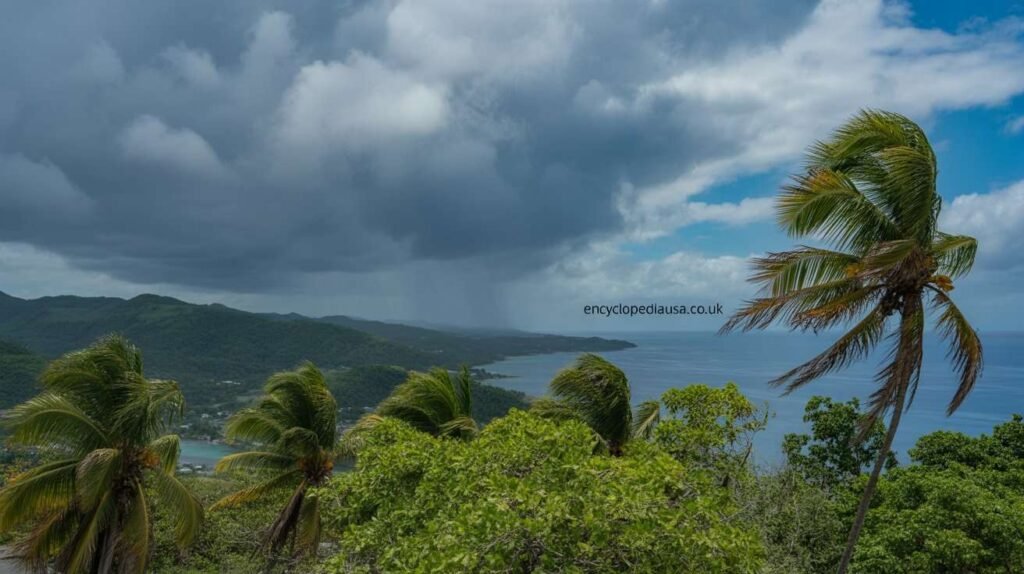
Regional Weather Differences Across Puerto Rico
One thing many travelers overlook is that Puerto Rico’s weather varies significantly from one region to another. The island is only about 100 miles long and 35 miles wide, but the mountains in the middle create dramatic microclimates.
San Juan and the North Coast
The northern coast receives more rainfall than the south and experiences more cloud cover. That said, San Juan still enjoys plenty of sunny days, especially during the dry season. Trade winds keep the air moving, which makes the humidity feel less oppressive than it sounds.
Ponce and the South Coast
If you want sun and less rain, head south. Ponce and the surrounding area sit in the rain shadow of the central mountains. This region is noticeably drier and sunnier year round. Some days in Ponce feel like a completely different island compared to the lush, wet north.
El Yunque and the Interior Mountains
El Yunque National Rainforest is called a rainforest for a good reason. It receives an extraordinary amount of rainfall and stays lush and green all year. If you plan to hike here, bring waterproof gear regardless of the season. Rain can fall at any moment, and that is part of what makes the forest so magical.
Rincon and the West Coast
Rincon sits on the western tip of the island and draws surfers from around the world, especially between November and March when Atlantic swells create excellent waves. The weather here is generally warm and breezy, with moderate rainfall during the wet season.
Culebra and Vieques
These small islands off Puerto Rico’s east coast tend to be drier and sunnier than the main island. They are home to some of the most beautiful beaches in the Caribbean. Weather conditions there often feel more stable, and the trade winds make even the hotter months feel tolerable.
What to Pack Based on Puerto Rico Weather
Packing smart makes a huge difference when you travel to a tropical destination. Here is a quick guide based on when you are visiting.
For the Dry Season (December to April)
- Lightweight breathable clothing for day trips
- A light cardigan or layer for evenings in restaurants or air-conditioned spaces
- High-SPF sunscreen — the tropical sun is intense even on cloudy days
- A hat and sunglasses
- Comfortable walking sandals and closed-toe shoes for hiking
- A small umbrella in case of brief showers
For the Wet Season (May to November)
- Everything from the dry season list, plus a compact waterproof rain jacket
- Waterproof sandals that dry quickly
- Moisture-wicking fabrics that handle sweat and rain
- Extra sets of clothes because humidity means things dry slowly
- Waterproof bag or dry sack to protect electronics
- Insect repellent — mosquitoes are more active in wet months
The Best Time to Visit Puerto Rico: A Final Word
The best time to visit Puerto Rico depends entirely on your priorities. If you want the most reliable sunshine and the lowest chance of rain, go between December and April. If you want cheaper prices and do not mind occasional afternoon showers, May and June offer a solid compromise. If you are a surfer or a budget-conscious traveler willing to monitor storm forecasts, the late wet season may work for you.
Puerto Rico weather is warm and welcoming in every season. The island does not have a “bad” time to visit in the way that colder destinations do. What it has is a range of trade-offs that you can navigate once you understand the patterns.
The one rule that applies no matter when you go: wear sunscreen every single day. The tropical sun reflects off the water and white sand in ways that catch even experienced travelers off guard. I have seen people get sunburned during overcast days because they assumed the clouds would protect them. They do not.
Quick Takeaways
Puerto Rico weather stays warm year round with average highs in the low to mid-80s Fahrenheit. The dry season runs December through April and offers the most reliable sunshine. The wet season brings daily showers from May through November. Hurricane season peaks between August and October. Regional differences across the island mean you should research your specific destination within Puerto Rico. Pack sunscreen no matter when you visit.
Ready to start planning? Which season fits your travel style? Drop your travel dates and questions in the comments below — we love helping people plan their perfect Puerto Rico trip.

Frequently Asked Questions About Puerto Rico Weather
What is the weather like in Puerto Rico in January?
January is one of the best months to visit Puerto Rico. Temperatures average around 80°F during the day and drop to about 70°F at night. Rainfall is low, skies are mostly clear, and the trade winds make the air feel comfortable. It is peak tourist season, so expect higher hotel prices and book early.
Does Puerto Rico get cold?
Not in the way most North Americans or Europeans define cold. The coolest temperatures occur in December and January, when nighttime lows can dip to around 68°F to 70°F. In the central mountain areas, temperatures can feel cooler, occasionally reaching the low 60s at elevation. But a heavy coat is never necessary on the coast.
Is Puerto Rico safe to visit during hurricane season?
Visiting during hurricane season carries some risk, but most trips go smoothly. The key is to buy travel insurance, book refundable reservations, and monitor the National Hurricane Center forecasts daily. If a storm develops and heads toward the island, airlines typically offer rebooking options. The peak risk window runs from August through October.
What is the rainiest month in Puerto Rico?
September and October are typically the rainiest months in Puerto Rico. They sit in the middle of peak hurricane season and see the highest overall rainfall totals. Even during these months, however, much of the rain falls in concentrated afternoon bursts rather than all-day downpours.
How hot does Puerto Rico get in the summer?
Summer temperatures in Puerto Rico typically range from 88°F to 93°F (31°C to 34°C) during the day, with high humidity making it feel hotter. The heat is most intense in July and August. Morning hours are far more comfortable for outdoor activities than afternoons.
Is Puerto Rico humid year round?
Yes, Puerto Rico is humid throughout the year because it is a tropical island. Humidity levels range from about 60% in the dry season to over 80% during the wet season. Trade winds help offset the humidity along the coast, but the interior mountains and rainforest feel noticeably more muggy.
What month has the best weather in Puerto Rico?
February and March consistently rank as the months with the best overall weather in Puerto Rico. Rainfall is minimal, temperatures are warm but not oppressive, humidity is lower than summer levels, and the trade winds keep things feeling fresh. Outside of spring break weeks, crowds are also more manageable.
Does it snow in Puerto Rico?
No, Puerto Rico does not get snow. The island sits in the tropics and temperatures never drop low enough for snow at sea level. Even the highest mountain peaks, like Cerro de Punta at 4,390 feet, do not experience snowfall. Puerto Rico’s coldest weather is simply cool by any mainland winter standard.
How should I prepare for Puerto Rico’s wet season weather?
Pack a lightweight waterproof rain jacket, quick-drying clothes, and waterproof sandals. Plan outdoor activities for the morning when rainfall is typically lowest. Carry a small waterproof bag to protect your phone and camera. Stay aware of weather updates, especially from August through October when tropical storm risk increases.
Is Puerto Rico weather the same across the whole island?
No. Puerto Rico’s weather varies considerably by region. The north coast and the rainforest interior receive more rainfall. The south coast around Ponce is drier and sunnier. The small islands of Culebra and Vieques tend to be drier than the main island. Always research the specific area where you plan to spend most of your time.
Also Read Encyclopediausa.co.uk
Author Bio: Maria Elena Voss
Travel Writer & Caribbean Specialist
Maria Elena is a travel writer with over 12 years of experience covering Caribbean destinations. She has visited Puerto Rico six times across different seasons and writes extensively about tropical travel planning, weather-aware itineraries, and sustainable tourism in Latin America and the Caribbean. Her work appears in leading travel publications across North America and Europe.