

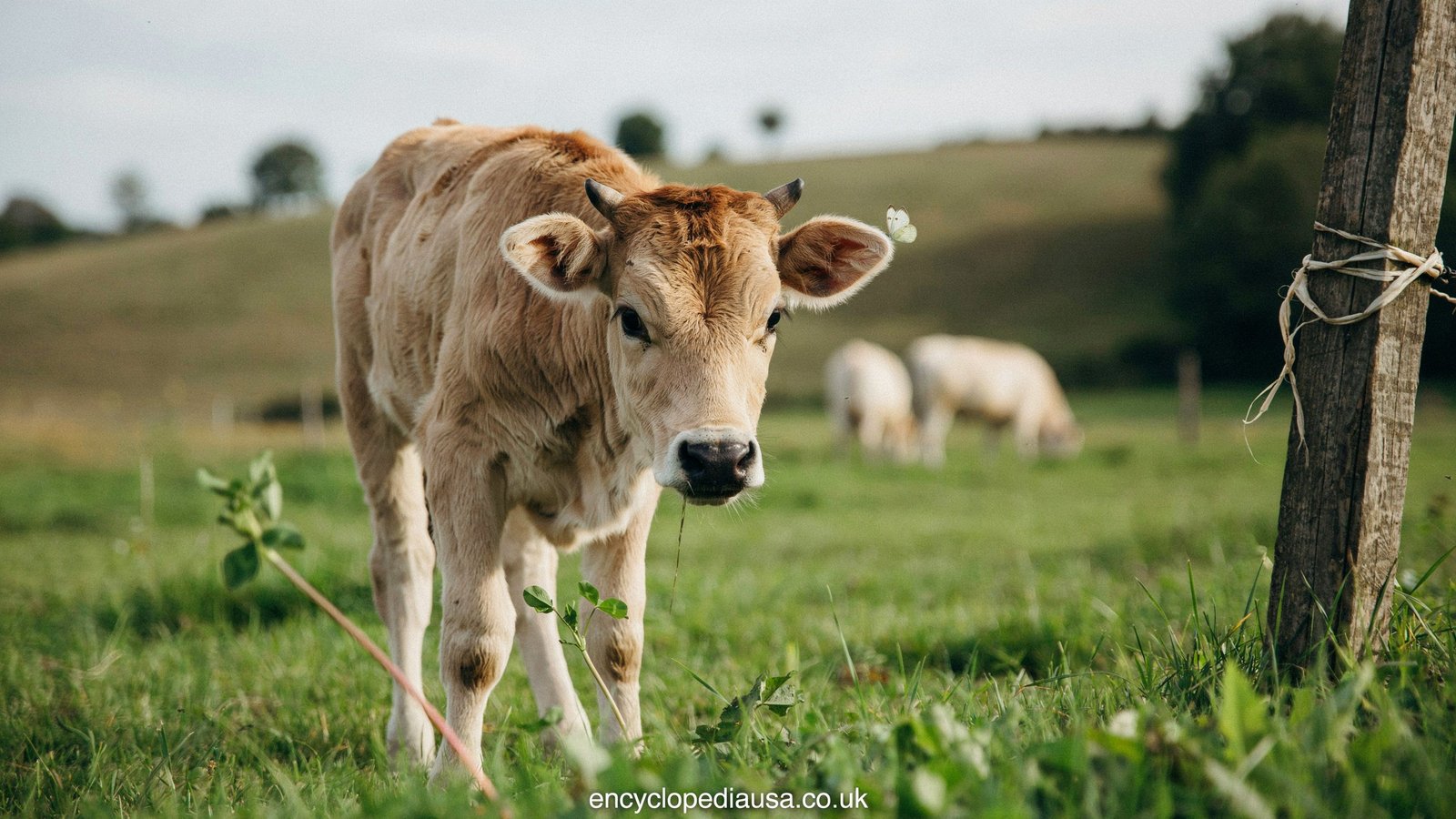
Miniature Zebu: Tiny Cattle, Huge Rewards (and a Few Risks)
Introduction
You probably did a double take the first time you saw one. A cow the size of a large dog, complete with a hump on its back and the calm eyes of an old soul. That is the miniature zebu, and once you meet one, you will understand why so many small farms and hobby ranchers fall for them instantly.
The miniature zebu is not a shrunken version of a regular cow. It is its own breed, shaped by nature rather than human tinkering, and it comes with a personality that surprises almost everyone who meets one. In this article, you will learn what makes this breed so popular, how a miniature zebu business actually works, what it costs, what to watch out for, and whether this pint sized animal deserves a spot on your property.
We will walk through everything from their history to their health, their market value to their quirks. By the end, you will know exactly what you are getting into, and whether the miniature zebu is the right fit for your land, your goals, and your lifestyle.
What Exactly Is a Miniature Zebu
Before diving into the business side, it helps to understand the animal itself. The miniature zebu traces its roots back to western Asia, with most experts pointing to the jungles of southern India as its original home. Unlike many miniature breeds that were bred down in size over generations, the miniature zebu reached its small stature through natural selection. Nobody engineered this animal. It simply evolved that way.
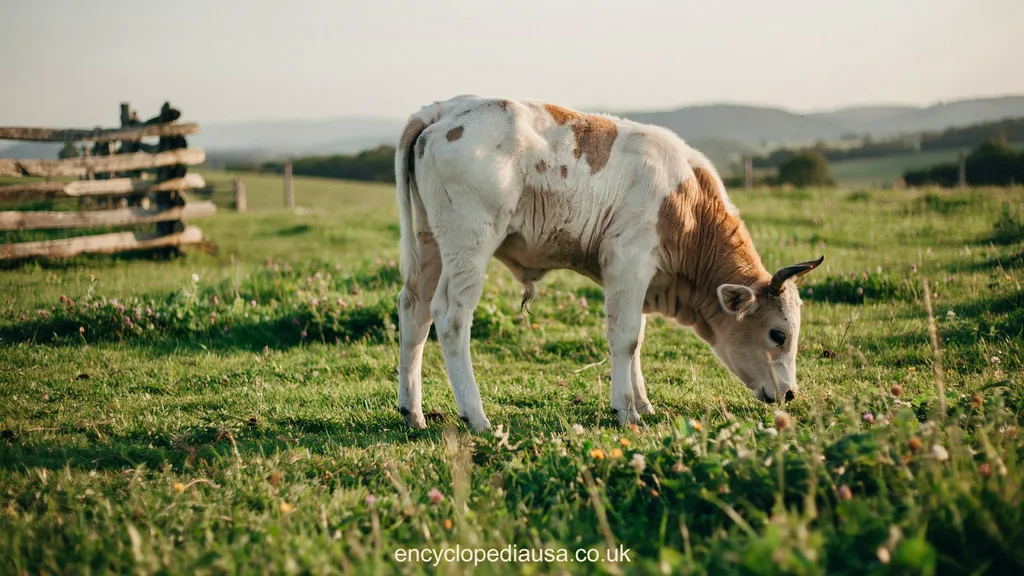
These cattle stand under 42 inches at the hump, with most landing between 36 and 38 inches. Adult bulls can weigh up to 600 pounds, while cows usually top out around 500 pounds. Despite their small frame, they carry the signature hump and dewlap of Bos indicus cattle, and their horns sweep upward or curve back in a way that gives them real character.
You will find them in shades of steel gray, black, red, cream, spotted, brindle, and white. Bulls tend to run darker than cows, especially around the neck and shoulders.
A Quick Look at Their Background
Miniature zebu cattle belong to one of the oldest cattle lineages on the planet, with some experts tracing their ancestry back as far as 6000 BC. They share genetics with several rare donor breeds, including the Vechur and Kasaragod cattle of India, many of which are now endangered in their home regions.
In the United States, the breed was formally recognized in 1991 when the International Miniature Zebu Association started a herd book. At that point, small zebu cattle were already living in more than twenty American zoos and on roughly fifty private properties. By 2016, registered numbers had grown past six thousand animals, and that number keeps climbing as more people discover the breed.
Company Introduction
If you are exploring this space as a buyer, breeder, or future business owner, you are stepping into a niche but growing corner of the livestock world. Most miniature zebu operations start small, often on just a few acres, and grow through reputation rather than massive marketing budgets.
A typical miniature zebu farm or ranch positions itself as a breeder, educator, and community hub all at once. Owners often host visitors, answer questions about the breed, and sell animals directly rather than through auction houses. This personal, relationship driven model is part of what makes the industry feel different from standard cattle ranching.
I have noticed that the most successful operations treat every sale as the start of a relationship, not the end of a transaction. Buyers want guidance long after the animal goes home, and farms that offer that support tend to build loyal customers who come back for more animals or refer friends.
Services and Products
A miniature zebu business usually offers more than just the animals themselves. Here is what you can typically expect from a well run operation.
Breeding Stock Sales
This is the core product for most farms. Buyers purchase registered bulls, cows, and heifers for breeding programs, hobby farms, or simply as unusual pets.
Show and Pet Quality Animals
Some buyers want animals purely for companionship or for 4H and FFA programs, since their small size makes them easier for children and beginners to handle.
Milk and Dairy Products
In regions where it is legal and practical, some farms sell raw milk or dairy products. Miniature zebu milk carries up to five percent butterfat, with smaller fat globules that many people find easier to digest than standard cow milk.
Educational Tours and Farm Visits
Many ranches open their gates for visitors, school groups, or photography sessions. This builds community goodwill and creates an additional revenue stream.
Consulting and Mentorship
Experienced breeders often charge for consulting services, helping newer owners with pasture setup, breeding decisions, and herd health planning.
Market Position
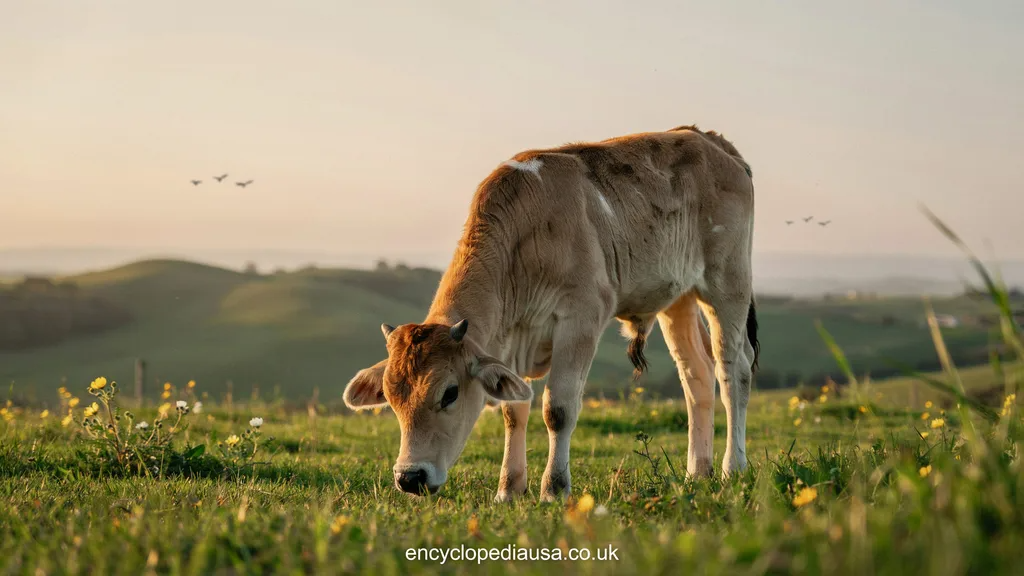
The miniature zebu occupies a unique spot in the livestock market. It is not competing directly with commercial beef or dairy cattle. Instead, it sits in a specialty niche alongside other miniature livestock breeds, appealing to hobby farmers, small acreage landowners, and animal lovers who want livestock without needing hundreds of acres.
Demand has grown steadily over the past decade. Smaller properties, rising interest in homesteading, and social media exposure have all played a role. People see a miniature zebu calf online and want one of their own, and that curiosity often turns into serious inquiries.
This breed also benefits from genuine practicality. A miniature zebu eats roughly one third of what a standard 900 to 1000 pound cow consumes. That means a property that could only support a handful of regular cattle can comfortably support a larger herd of miniature zebu, which expands the addressable market to smaller farms that would never consider full sized cattle.
Revenue Model
Most miniature zebu operations build revenue through a mix of the following streams.
- Direct animal sales. This remains the primary income source, with prices varying based on age, color, registration status, and bloodline.
- Stud services. Farms with quality bulls often charge breeding fees to owners who want to improve their own herds.
- Milk and dairy sales. Where legal, this adds a recurring revenue stream beyond one time animal sales.
- Educational experiences. Farm tours, photo sessions, and birthday events bring in extra income while building brand awareness.
- Merchandise and content. Some farms sell branded merchandise or monetize their social media following, since these animals photograph beautifully and attract large online audiences.
Pricing for miniature zebu cattle varies widely depending on region, bloodline quality, and registration papers. Registered, high quality animals command a premium, while unregistered or older animals sell for less. Buyers should always ask about lineage and health history before purchasing.
Competitors
The miniature zebu does not exist in a vacuum. Several other miniature cattle breeds compete for the same buyer attention and acreage.
- Miniature Highland Cattle. Known for their shaggy coats and long horns, these cattle appeal to buyers who want a dramatic, photogenic animal.
- Dexter Cattle. A versatile dual purpose breed used for both milk and meat, popular among small scale homesteaders.
- Miniature Hereford. A compact version of the classic beef breed, often chosen by buyers focused on meat production.
- Vechur Cattle. A close genetic relative of the miniature zebu, though far less common outside India.
What sets the miniature zebu apart from these competitors is its naturally occurring small size, tropical heat tolerance, and remarkable disease resistance. Many of the other miniature breeds were bred down over generations, while the miniature zebu reached its size through evolution alone. That story resonates with buyers who want something authentic rather than artificially created.
Future Plans
The miniature zebu industry is still young compared to traditional cattle farming, which leaves plenty of room for growth. Breeders and associations are increasingly focused on a few key goals.
Expanding genetic diversity tops the list, since a healthy gene pool protects the breed from inbreeding issues down the road. Many farms are also investing in better record keeping and DNA testing to verify bloodlines and improve breeding outcomes.
There is also a growing push toward agritourism. More farms are adding guest experiences, farm stays, and educational programs to diversify income beyond animal sales alone. As interest in regenerative and small scale farming continues to rise, the miniature zebu is well positioned to benefit, since it fits naturally into permaculture and rotational grazing systems.
Conservation efforts are another priority. Several of the original donor breeds from Asia are endangered in their home countries, so preserving genetic lines in places like the United States carries real significance for the species as a whole.
See more…
Benefits of Raising Miniature Zebu
There is a long list of reasons people fall in love with this breed. Here are the standout benefits.
- Small space requirements. You can graze several miniature zebu on land that would barely support one standard cow.
- Low food costs. Their efficient foraging habits and small size mean lower feed bills overall.
- Disease resistance. These cattle show strong natural resistance to ticks, parasites, flies, and bloat.
- Heat tolerance. Originating from tropical climates, they thrive in hot weather better than most cattle breeds.
- Long lifespan. Miniature zebu often live 18 to 21 years, with some reports of cattle remaining productive into their twenties.
- Gentle temperament. Their calm, social nature makes them manageable for children, beginners, and families.
- Nutritious milk. With high butterfat content and smaller fat globules, their milk is often easier to digest.
- Strong herd bonds. These animals are deeply social and rarely stray from their herd once a pecking order is established.
Pros and Cons
No animal is perfect for every situation, so let us look at both sides honestly.
Pros
- Requires far less land and feed than standard cattle
- Naturally hardy with strong disease resistance
- Friendly and easy to handle, even for children
- Long, productive lifespan
- Growing resale and breeding market
Cons
- Slow to mature, which delays breeding income
- Cold sensitivity means winter housing is essential in colder climates
- Limited meat or milk yield compared to standard breeds, since output scales with size
- Higher upfront cost for registered, quality bloodlines
- Smaller buyer pool compared to mainstream cattle breeds, which can slow resale in some regions
Tips and Tricks for New Owners
If you are considering bringing miniature zebu cattle onto your property, keep these practical tips in mind.
First, always buy from a reputable breeder who provides registration papers and a clear health history. This protects you from unexpected genetic or health issues down the road.
Second, build proper winter shelter before your first cold season. These cattle handle heat beautifully but struggle in freezing temperatures without a dry, draft free barn.
Third, do not rush breeding. Miniature zebu mature slowly, and pushing a young female to breed too early can cause complications. Patience pays off here.
Fourth, let them browse. Unlike many cattle breeds that stick to grass, miniature zebu enjoy brush, vines, and varied vegetation. Giving them access to diverse forage keeps them healthier and happier.
Fifth, invest in secure but low stress fencing. These animals are smart and social, and they do best when they can see their herd mates rather than being isolated.
Finally, connect with breed associations and local owner groups. The miniature zebu community is tight knit, and experienced owners are usually happy to share advice with newcomers.
Alternatives to Consider
If after reading this you are not fully convinced the miniature zebu is right for you, a few alternatives might fit better depending on your goals.
If you want a larger milk supply, a Dexter cow might suit you better, since it offers a balance of manageable size with higher dairy output. If visual drama matters more to you than practicality, Miniature Highland Cattle bring a striking look with their long horns and shaggy coats. For those focused primarily on meat production, a Miniature Hereford may deliver better returns per animal.
That said, if your priorities include low land use, strong heat tolerance, and a genuinely unique, naturally occurring breed, nothing quite matches the miniature zebu.
Visit…
Frequently Asked Questions
How big does a miniature zebu get? Most miniature zebu cattle stay under 42 inches tall at the hump, with bulls weighing up to 600 pounds and cows reaching around 500 pounds.
Are miniature zebu good pets? Yes. Their gentle temperament, manageable size, and strong social bonds make them popular as both livestock and companion animals.
How much land does a miniature zebu need? Because of their small size and efficient foraging habits, you can often keep several miniature zebu on land that would only support one standard sized cow.
Do miniature zebu produce milk? Yes, and their milk is notably rich, with butterfat content reaching up to five percent and smaller fat globules that many people find easier to digest.
How long do miniature zebu live? They typically live between 18 and 21 years, with some continuing to breed well into their later years.
Can miniature zebu handle cold weather? Not well. They are a tropical breed at heart, so they need proper winter shelter in colder climates to stay healthy.
Why are miniature zebu so expensive? Registered, high quality bloodlines come from limited breeding stock, and demand has grown faster than supply in many regions, which keeps prices elevated.
Are miniature zebu used for meat? Yes, in some regions, though their smaller size means lower meat yield compared to standard cattle breeds.
What is the difference between a miniature zebu and a regular zebu? A miniature zebu reached its small size through natural selection rather than human breeding programs, making it a distinct and naturally occurring breed rather than a scaled down version of larger zebu cattle.
Conclusion
The miniature zebu proves that good things really do come in small packages. From its ancient origins in southern Asia to its growing popularity on small farms across the world, this breed offers a rare combination of practicality, charm, and resilience. You get an animal that needs less land, handles heat like a champion, resists disease naturally, and forms genuine bonds with the people who raise it.
Of course, no animal is right for everyone. The slow maturity rate, cold sensitivity, and higher upfront cost mean you should go in with realistic expectations. But for the right buyer, someone with a small property, a love for animals, and patience for the long game, the miniature zebu delivers rewards that few other breeds can match.
If you have been on the fence about adding a miniature zebu to your property, now is a great time to reach out to a trusted breeder and start asking questions. Have you ever met one in person? Share your experience, and if you found this guide helpful, pass it along to anyone else curious about this remarkable little breed.
Read more…
About the Author
Sarah Mitchell has spent over a decade writing about livestock, homesteading, and small farm management. She grew up around cattle ranches and now focuses on helping new and experienced farmers make informed decisions about raising specialty and heritage breeds. When she is not writing, she spends her time visiting local farms and trading notes with breeders across the country.