

Pink Pineapple Fruit: Benefits, Taste, Nutrition & Everything You Need to Know in 2026
Introduction
Pink pineapple is one of the most eye-catching tropical fruits, known for its naturally pink flesh, sweet flavor, and unique appearance. But beyond its vibrant color, many people want to know what makes pink pineapple different from regular pineapple, how it tastes, and whether it offers any nutritional benefits.
In this guide, we’ll explore Pink Pineapple Fruit in detail, including its taste, nutrition, potential health benefits, how it is grown, how it compares with traditional pineapple, and what you should know before trying it in 2026. Whether you’re curious about this unusual fruit or considering adding it to your diet, this guide covers the essential facts in simple terms.
What Is a Pink Pineapple Fruit?
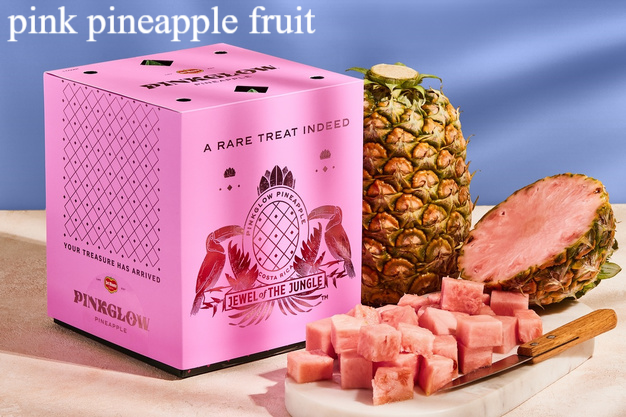
A pink pineapple is a special pineapple variety with bright pink flesh instead of the usual yellow color you see in a regular pineapple. The most famous version is called Pinkglow, and it is grown and sold exclusively by Fresh Del Monte.
You might think this fruit is artificially dyed, but that is not the case. The pink color comes from a pigment called lycopene, the same compound that gives tomatoes and watermelon their red and pink shades. Regular pineapples also contain lycopene, but an enzyme inside the fruit converts it into beta carotene, which creates the familiar yellow color. Del Monte found a way to slow down that enzyme, so the lycopene stays in the fruit and gives it a stunning pink hue.
Del Monte also calls it the Jewel of the Jungle, and once you see one in person, you will understand why. The outside looks like a normal pineapple, but the inside reveals a bright, almost candy like pink color that surprises everyone who slices into it for the first time.
Is the Pink Pineapple Natural or Genetically Modified?
You deserve a clear answer here, since this question comes up a lot. The pink pineapple is created through bioengineering. Scientists did not add any dye or artificial color. Instead, they adjusted the natural enzyme activity inside the plant so that the lycopene already present in the fruit does not convert into beta carotene.
The FDA has reviewed this fruit and confirmed that it is just as safe and nutritious as a regular pineapple. Lycopene itself is a well known antioxidant that you already consume when you eat tomatoes, watermelon, or red grapefruit, so there is nothing unusual about your body processing it.
If you prefer fruits without any bioengineering, you should know this upfront so you can make your own choice. But if safety is your main concern, health authorities have confirmed there is no added risk.
How Long Does It Take to Grow a Pink Pineapple?
You might assume a fruit this special grows quickly in a lab, but the opposite is true. Developing this pineapple variety took Fresh Del Monte more than sixteen years of research. Each individual plant then needs about two years to produce a single fruit.
The plants grow only in one specific region of Costa Rica, where the soil and climate conditions match exactly what the fruit needs to thrive. This limited growing region is one of the biggest reasons the pink pineapple remains so rare and expensive.
Once a pineapple is harvested, Del Monte removes the crown and replants it. This allows the company to grow the next batch of plants sustainably instead of wasting the plant material, but it also means every pineapple you buy arrives without its leafy top.
What Does Pink Pineapple Taste Like?
You are probably most curious about the flavor, and this is where the fruit truly stands out. A pink pineapple tastes noticeably less acidic than a regular pineapple. Many people describe the flavor as smoother, sweeter in a gentle way, and free of that sharp tang that sometimes makes your mouth pucker after a few bites.
Because it is easier on your palate, you can eat a much larger portion without feeling that familiar burning sensation on your tongue. The texture stays juicy and tender, similar to a well ripened traditional pineapple, so you get all the tropical freshness without the usual acidity.
If you love pineapple but find regular varieties too intense, this fruit might completely change how you feel about eating it.
Why Is Pink Pineapple So Expensive?
You will notice the price tag right away, since a single pink pineapple often costs between twenty five and thirty dollars in the United States. Several factors explain this high price.
- The fruit takes sixteen years of research to develop and two years to grow each time.
- It grows in only one region of Costa Rica with specific soil and climate needs.
- Harvests remain limited, so supply stays low compared to demand.
- Del Monte holds a patent on the variety, so no other grower can produce it.
- Packaging, shipping, and cold storage add extra cost since the fruit needs careful handling.
Even with the high price, many buyers say the experience of tasting and gifting this fruit feels worth it, especially for special occasions or as a unique present.
Nutritional Value of Pink Pineapple
You get real nutritional benefits along with the visual appeal. A typical one hundred gram serving contains around fifty calories, three grams of fiber, and eight grams of natural sugar. It also provides potassium, a small amount of calcium, and the antioxidant lycopene that gives it that signature color.
This makes the pink pineapple a reasonably light snack option, similar in calorie count to a regular pineapple, while adding the extra benefit of lycopene, a compound linked to heart health and antioxidant support in various studies.
Where Can You Buy a Pink Pineapple?
You can order a Pinkglow pineapple directly through Del Monte’s official website, and it also shows up at select grocery chains and specialty produce retailers across North America. Availability has also expanded into parts of Asia and the Middle East, including a recent launch in the United Arab Emirates through a quick commerce delivery platform.
source: southernliving.com
Because supply stays limited, you may need to check back regularly or sign up for restock alerts if your local store sells out quickly. Buying directly from Del Monte usually guarantees fresher fruit, since it ships soon after harvest and arrives chilled at your door.
How to Store and Serve Pink Pineapple
Once your pink pineapple arrives, you should refrigerate it right away if you are not eating it immediately. Wrap the whole fruit tightly in plastic to lock in freshness. If you have already cut it, store the pieces in an airtight container and try to finish them within three days for the best flavor and texture.
You can enjoy pink pineapple in many creative ways. Try these ideas:
- Slice it fresh and eat it plain to enjoy the natural sweetness.
- Add it to a fruit platter as a colorful centerpiece for parties.
- Blend it into smoothies for a naturally pink drink.
- Use it in a pink colada instead of a regular pina colada.
- Top desserts or salads with small pieces for a pop of color and flavor.
Frequently Asked Questions
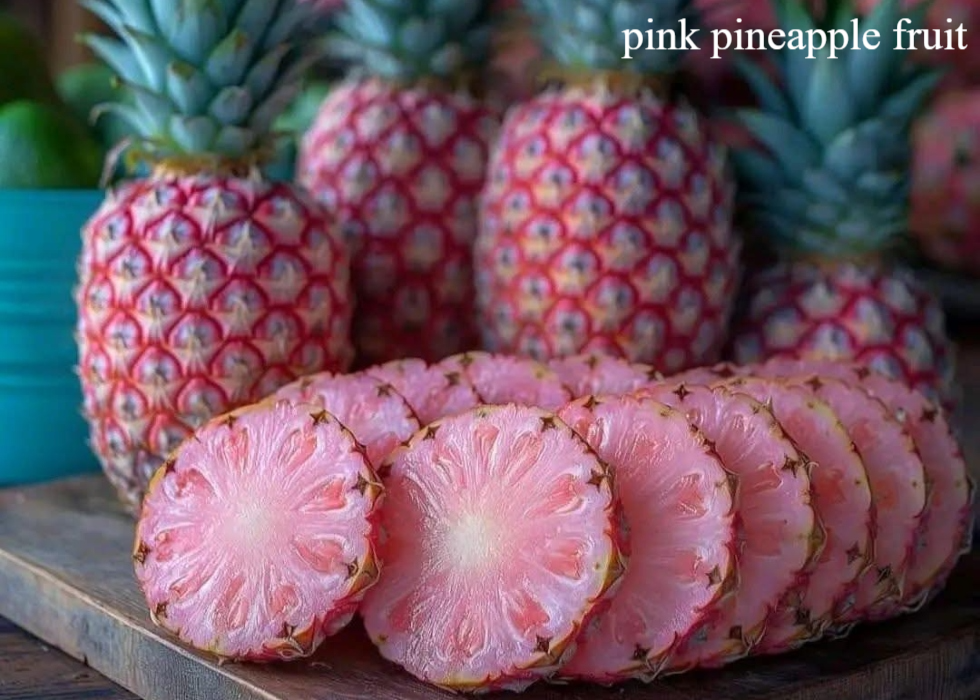
Is pink pineapple real or dyed? It is completely real. The pink color comes from natural lycopene that stays in the fruit because of a change in enzyme activity, not from any artificial dye.
Does pink pineapple taste different from regular pineapple? Yes, it tastes less acidic and smoother, which makes it easier to eat in larger amounts without the sharp tang of a traditional pineapple.
Is pink pineapple safe to eat? Yes, health authorities including the FDA have confirmed that pink pineapple is just as safe and nutritious as regular pineapple.
Why does pink pineapple cost so much? It costs more because of the sixteen years of development, the limited growing region in Costa Rica, low harvest volume, and patent exclusivity held by Del Monte.
Where does pink pineapple grow? It grows exclusively in one region of Costa Rica that has the ideal soil and climate conditions for the variety.
Final Thoughts
The pink pineapple fruit proves that nature and science can work together to create something truly extraordinary. You get a fruit that looks like a piece of art on the outside and inside, tastes smoother than a traditional pineapple, and carries a fascinating sixteen year story behind every bite.
If you ever get the chance to try one, do not hesitate. It is more than just a pretty fruit. It is a genuinely different pineapple experience that most people only get to enjoy once in a while, which makes it feel even more special when you finally taste it for yourself.