
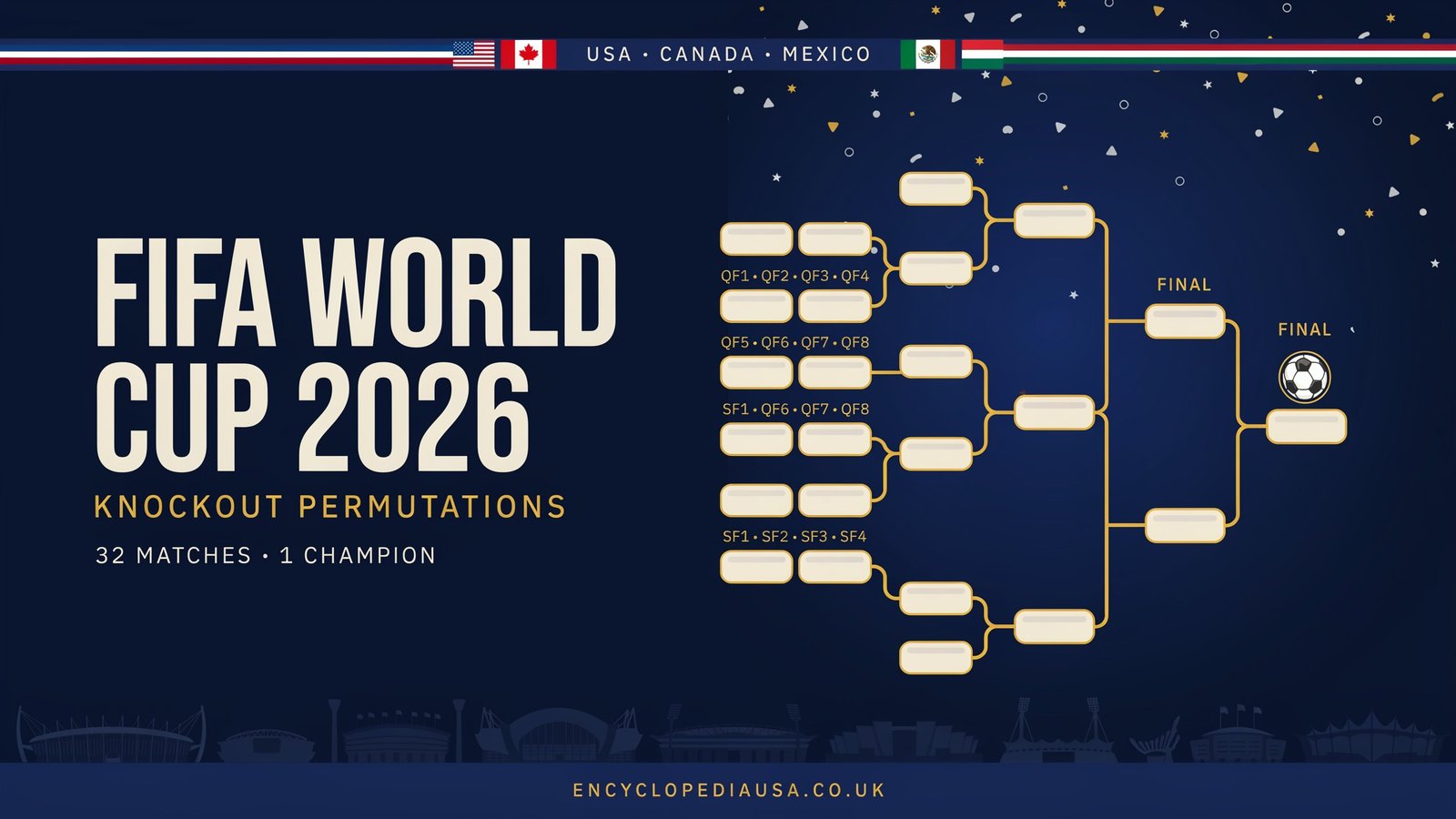
FIFA World Cup 2026 Knockout Permutations: Shocking Twists Ahead
Introduction
You have probably heard people arguing about how teams qualify for the knockout stage, and honestly, the new format makes it confusing. FIFA World Cup 2026 knockout permutations are unlike anything fans have seen before, mainly because the tournament now features 48 teams instead of 32. That single change rewrites every rule you thought you knew about groups, points, and qualification scenarios.
I remember watching previous World Cups where simple math decided who moved on. This time, things work differently, and you need a clear guide to follow along without getting lost. This article breaks down everything in plain language, covering how the format works, which teams look strongest, and what scenarios could unfold once the knockout rounds begin.
You will find a complete overview of the tournament structure, a look at squad strength, historical data between rival nations, standout players to watch, current form, predictions, useful statistics, and a final verdict. By the end, you should feel confident explaining the new system to your friends during match day.
Match Overview: How The New Format Works
The 2026 edition marks the first World Cup with 48 participating nations, a major jump from the previous 32 team setup. FIFA split the field into twelve groups of four teams each, and this single decision changes everything about knockout permutations.
Here is the basic structure you need to understand:
- Twelve groups, each with four teams, play a round robin stage
- The top two teams from every group qualify automatically
- The eight best third placed teams also advance
- This produces 32 teams for the knockout rounds, similar to past tournaments, but the path getting there looks completely different
Because eight third placed teams squeeze through, the FIFA World Cup 2026 knockout permutations become a puzzle. A team finishing third in one group might advance while a third placed team from another group misses out, purely based on points, goal difference, and disciplinary record.
Why This Matters For Fans
You cannot just watch your favorite team’s three group matches and relax. You need to track results across multiple groups simultaneously, since one late goal somewhere else can change your team’s fate completely. This creates dramatic final matchdays where several games finish at the same time, all carrying weight for different nations.
Team Lineups: Squads Built For The Big Stage
Coaches across the world have spent years preparing rosters for this expanded tournament. With more spots available, several nations qualified for the first time, bringing fresh energy and unpredictable squad depth.
Traditional Powerhouses
Countries like Brazil, France, Argentina, and Spain continue building squads around proven international stars mixed with rising talent. These teams typically carry deep benches, allowing rotation through grueling knockout stretches without losing quality.
First Time Qualifiers
Nations making their World Cup debut often rely on a handful of standout players surrounded by determined squads with little fear of reputation. These teams sometimes shock bigger names precisely because they play without pressure.
You should watch lineup announcements closely during the group stage, since coaches often rest key players once qualification looks secure, preparing fresher legs for the knockout rounds ahead.
Head To Head Record: Historical Context Matters
Understanding past meetings between potential knockout opponents gives you real insight into possible outcomes. Many traditional rivalries carry psychological weight that statistics alone cannot capture.
For example, matchups between European and South American giants have historically produced tense, low scoring affairs in knockout settings. Meanwhile, head to head records between emerging football nations remain limited, making predictions trickier and more exciting.
Here are a few patterns worth noting:
- Host nations historically perform better than their seeding suggests, partly due to crowd support
- Teams with recent knockout experience tend to handle pressure better in penalty shootouts
- Rivalries with long histories often produce tighter, more cautious matches compared to fresh matchups
Since the United States, Mexico, and Canada co host the 2026 tournament, expect home advantage to play a real role in shaping FIFA World Cup 2026 knockout permutations, especially for matches played in front of passionate American or Mexican crowds.
Key Players To Watch In The Knockout Rounds
Every tournament produces breakout stars, and 2026 should be no different. Some players carry their nations through tough knockout stretches purely through individual brilliance.
Proven Match Winners
Established stars with previous World Cup experience understand how to handle knockout pressure. They know penalty shootouts, extra time fatigue, and tactical discipline required when one mistake ends your tournament.
Rising Talents
Younger players breaking into the spotlight often bring unpredictable energy that defenders struggle to prepare for. Scouts and fans alike love spotting the next global superstar during these high stakes matches.
See More…
You should pay attention to:
- Goalkeepers with strong penalty saving records, since shootouts often decide knockout games
- Forwards capable of scoring against deep, defensive setups common in elimination rounds
- Midfielders who control tempo, since fatigue becomes a major factor across extra time periods
Recent Form: Who Enters The Tournament Hot
Form heading into the World Cup often predicts early knockout success more reliably than reputation alone. Teams on winning streaks carry confidence that translates into composed performances under pressure.
Qualifying campaigns reveal plenty about a team’s current state. Squads that struggled through qualifiers sometimes arrive at the tournament lacking rhythm, while dominant qualifiers often carry that momentum forward.
Friendly matches played in the months before the tournament also offer clues. Coaches use these games to test lineups, formations, and player combinations they plan to rely on once knockout matches begin.
I always check recent friendly results before placing any predictions, since form genuinely shifts month to month in international football.
Match Prediction: Possible Knockout Scenarios
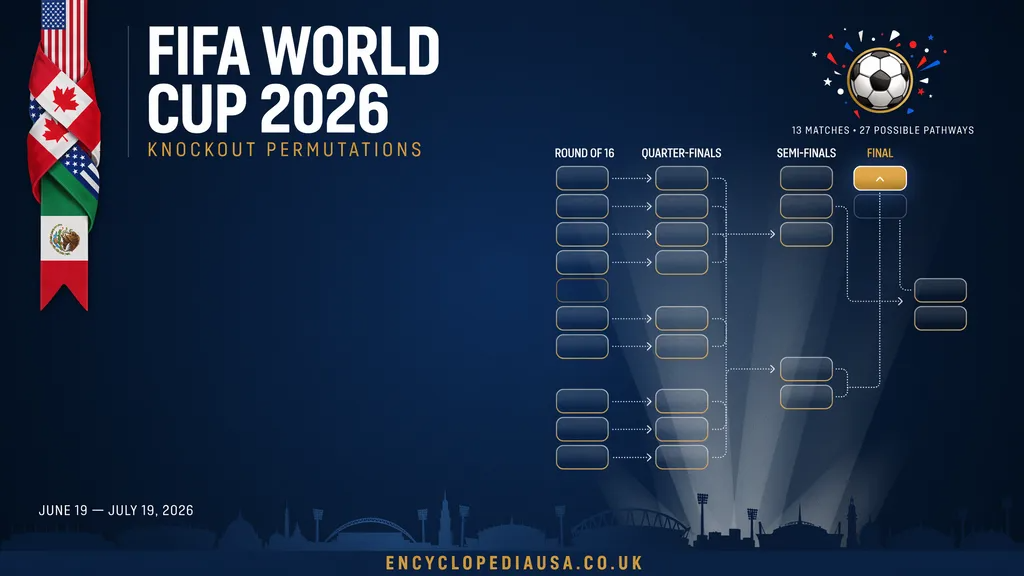
Predicting exact FIFA World Cup 2026 knockout permutations feels nearly impossible given 48 teams and twelve groups, but certain patterns typically emerge.
Likely Scenarios
Strong traditional nations usually top their groups, sending the more dangerous third placed teams into tougher knockout paths. This often creates a stacked side of the bracket where multiple favorites collide earlier than fans expect.
Underdog Possibilities
With eight third placed spots available, smaller nations have realistic paths into the round of 32. Once inside the knockout stage, anything becomes possible, since single elimination format rewards discipline over reputation.
Based on historical World Cup patterns, expect at least one major upset during the early knockout rounds. The expanded format increases unpredictability simply through sheer team volume and tighter group margins.
Visit…
Quick Prediction Breakdown
- Group winners generally advance further than third placed qualifiers
- Host nations typically reach at least the quarterfinal stage
- One traditional powerhouse usually exits earlier than expected, creating major headlines
Statistics That Shape Knockout Outcomes
Numbers tell a story that emotions sometimes overlook. Reviewing relevant statistics helps you understand realistic knockout possibilities rather than relying purely on gut feeling.
Goal Scoring Trends
Recent World Cups show knockout matches average fewer goals compared to group stage games. Teams play cautiously once elimination becomes a real threat, often prioritizing defensive solidity over attacking risk.
Extra Time And Penalties
Roughly one in four knockout matches historically reaches extra time, with around half of those eventually decided by penalty shootouts. This statistic alone explains why goalkeeper quality matters so much during the later rounds.
Expanded Format Impact
With 32 teams reaching the knockout stage from 48 total participants, the qualification rate sits higher than previous tournaments. This means more teams enter knockout rounds with less proven international experience, potentially increasing upset frequency.
Quick statistical summary:
| Category | Typical Pattern |
|---|---|
| Average goals per knockout match | Slightly lower than group stage |
| Matches reaching extra time | Around 25 percent historically |
| Shootouts decided by goalkeeper save | Roughly 50 percent of extra time games |
| Host nation knockout success rate | Historically strong |
Common Questions About Knockout Permutations
You probably still have specific questions about how everything fits together. Let me address the most common ones here.
How Many Teams Qualify For Knockouts In 2026?
Thirty two teams qualify for the knockout stage. This includes the top two teams from each of the twelve groups, plus the eight best third placed teams ranked by points, goal difference, and additional tiebreakers.
Why Did FIFA Expand To 48 Teams?
FIFA expanded the tournament to include more nations, increase global participation, and generate additional revenue and interest across previously underrepresented football regions.
Does Goal Difference Decide Knockout Qualification?
Goal difference plays a major role when teams finish level on points, both within groups and when ranking third placed teams against each other for those eight precious knockout spots.
Will The Expanded Format Reduce Match Quality?
Not necessarily. While some early group matches may feel less competitive, the increased knockout stage volume typically maintains intensity, since every match still carries elimination stakes.
How Does Host Nation Advantage Work In Knockouts?
Host nations generally benefit from reduced travel fatigue, familiar climate conditions, and overwhelming crowd support, all factors that have historically boosted host team performance in knockout rounds.
Are Penalty Shootouts Still Used In 2026?
Yes, penalty shootouts remain the deciding method whenever knockout matches stay level after extra time, following the same format used throughout previous World Cup tournaments.
Which Teams Look Strongest For Knockout Success?
Traditional powerhouses with deep squads and recent tournament experience generally enter as favorites, though the expanded format increases realistic chances for several emerging football nations as well.
Final Verdict
The FIFA World Cup 2026 knockout permutations introduce genuine complexity that rewards attentive fans willing to track multiple groups simultaneously. This expanded format creates more drama, more opportunities for smaller nations, and ultimately a richer tournament experience overall.
You now understand how the group stage feeds into knockout qualification, why head to head history still matters, which players could define the tournament, and what statistics suggest about likely outcomes. While exact predictions remain difficult given so many participating nations, certain patterns like host advantage and goalkeeper importance should hold true.
I genuinely believe this expanded format makes the tournament more exciting, even though it demands closer attention from fans like you and me. Are you ready to track your favorite team through this new knockout maze? Share your own predictions with friends and see who gets closest once the actual results roll in.
Read More…
Category
Sports, FIFA World Cup 2026, Football News
Tags
Author Bio
Written by a long time football analyst who has covered three previous World Cup tournaments. The author specializes in breaking down complex tournament formats into clear, practical guides that everyday fans can actually use and enjoy.