
FIFA World Cup 2026 Round of 32 Explained: Exciting New Era, Confusing New Rules
Introduction
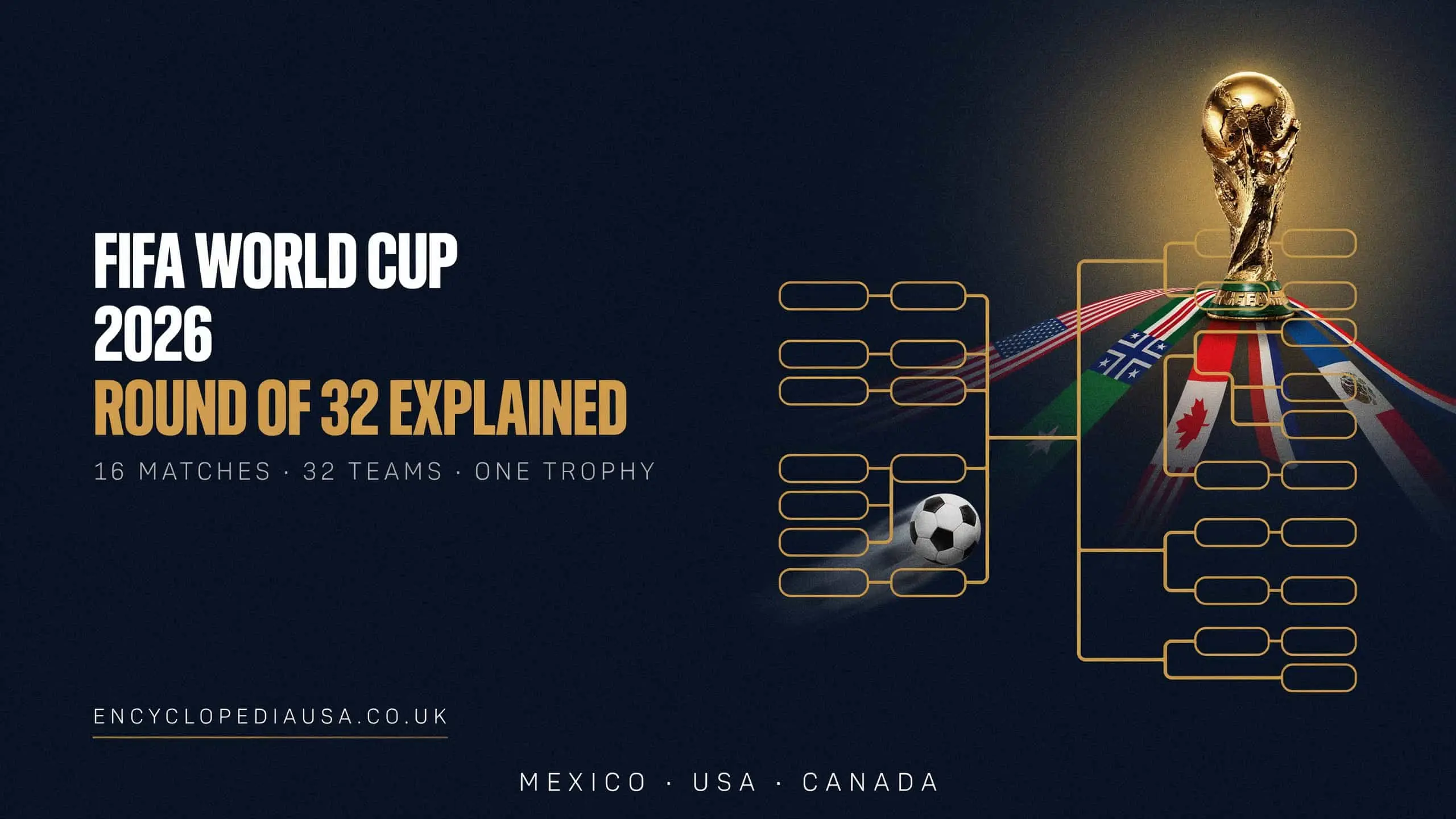
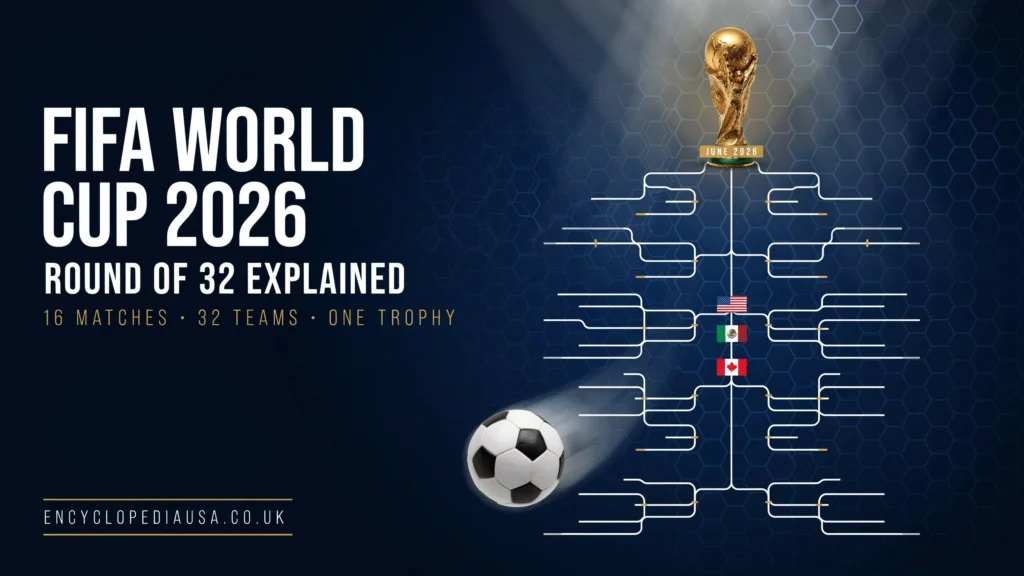
You probably grew up watching the World Cup move straight from the group stage into the Round of 16. That world no longer exists. The FIFA World Cup 2026 Round of 32 explained simply means a brand new knockout layer has been added, and honestly, it changes everything about how you should watch this tournament. With 48 teams now competing instead of 32, FIFA needed an extra round to trim the field before the traditional knockout rounds begin.
This shift brings real excitement because more nations get a shot at the global stage. It also brings frustration for fans who liked the old, simpler format. In this article, you will get a full breakdown of how the Round of 32 works, which teams tend to thrive here, how to read the bracket, and what history tells you about upsets at this stage. I will also walk you through team lineups, head to head trends, key players to watch, recent form, predictions, and the numbers that matter most.
By the end, you will understand the FIFA World Cup 2026 Round of 32 better than most pundits on television.
What Is the Round of 32 in FIFA World Cup 2026
The Round of 32 is the new knockout stage introduced because the tournament expanded from 32 teams to 48. Instead of jumping from groups directly into the Round of 16, FIFA added one more elimination round to handle the larger field.
Here is how it works in plain terms.
- 48 teams get split into 12 groups of four.
- The top two teams from each group qualify automatically.
- The eight best third place teams also advance.
- That gives you 32 teams total, which then enter a single elimination bracket.
- From there, one loss and you are out.
This format mirrors what fans already know from the Euros and Copa America, so it should feel familiar fairly quickly. The big difference is scale. You now get a full extra matchday of pure knockout drama before the tournament even reaches the Round of 16.
Why FIFA Added This Stage
FIFA wanted more nations involved, more matches sold, and more global interest from emerging football markets. A 48 team World Cup needed a structured way to cut the field down to a clean bracket of 32. The Round of 32 solves that problem while keeping the group stage intact.
You get more football, more storylines, and more chances for smaller nations to make a deep run. That is a win for variety, even if it adds complexity.
Match Overview
Every Round of 32 fixture follows a single elimination format. There are no second legs and no away goals rule. If the match ends level after 90 minutes, it goes to extra time. If it remains tied after that, a penalty shootout decides the winner.
This stage typically produces tighter, more cautious football compared to the group phase. Teams know one mistake ends their tournament, so you will often see:
- Lower scoring matches than the group stage
- More defensive setups from underdog teams
- Increased reliance on set pieces and counter attacks
- Higher emotional intensity from players and fans alike
I always tell people this round separates teams that are simply good from teams that are built for knockout pressure. Talent matters, but composure matters just as much here.
Team Lineups
Lineups at this stage shift compared to the group stage for a simple reason. Coaches now prioritize results over rotation. You will usually see strongest available elevens, fewer experimental formations, and tactical setups built specifically to stop the opponent’s main threat.
What Changes in Lineups at This Stage
Expect these patterns across most Round of 32 matchups.
- Star players who were rested in dead rubber group games return to the starting eleven
- Coaches often add an extra defensive midfielder for stability
- Wingers with pace get prioritized to exploit tired defensive lines
- Set piece specialists earn their spot due to the importance of margins
If you want to predict a lineup accurately, look at training session reports and press conferences in the 48 hours before kickoff. Coaches rarely hide their intentions completely, and journalists usually pick up on subtle hints.
Head to Head Record
Head to head history matters less at this stage than people assume, simply because many of these matchups have never happened before in a World Cup setting. Still, when nations have met previously, patterns often repeat.
Here is what to look for when researching head to head data.
- Recent meetings carry more weight than meetings from decades ago
- Knockout history matters more than friendly results
- Home continent advantage can still apply even at a neutral venue, since fan support and travel fatigue play a role
A good rule of thumb is this. If two teams have split results evenly in the past, look at current form instead of history to break the tie in your prediction.
Key Players
Every Round of 32 matchup tends to hinge on a handful of individuals who can change a game in seconds. These are the players you want to watch closely.
Types of Players Who Decide Knockout Games
- Clutch finishers who convert limited chances into goals
- Deep lying playmakers who control tempo under pressure
- Goalkeepers with strong penalty shootout records
- Set piece takers who can score from free kicks or corners
I have noticed over the years that knockout football rewards composure over flair. A player who stays calm in a one on one situation often matters more than a player with flashy dribbling skills but shaky decision making.
How to Identify a Player Who Thrives Here
Look at their performance in previous knockout tournaments, not just league form. Players who have already experienced high pressure moments tend to handle them better the second time around.
Recent Form
Recent form going into the Round of 32 usually tells you more than season long stats. A team’s last five matches, including group stage games, reveal current confidence, fitness, and tactical sharpness.
What Recent Form Should Include
- Results from the last five matches across all competitions
- Goals scored and conceded in that stretch
- Injury news affecting key players
- Travel and rest schedule before the knockout match
Teams that peaked early in the group stage sometimes fade by this point. Meanwhile, teams that started slowly but improved with each match often carry momentum into the knockout rounds. Momentum is real in football, even if it cannot be measured perfectly.
See More…
Match Prediction
Predicting Round of 32 matches requires balancing data with intuition. Here is a simple framework you can use for any fixture in this round.
- Compare recent form over the last five matches.
- Check head to head history if it exists.
- Identify which team has more knockout experience.
- Factor in injuries to key players.
- Consider tactical matchups, such as a possession heavy team facing a counter attacking side.
From there, you can form a reasonable prediction. I personally weigh recent form and knockout experience the heaviest, since both tend to correlate strongly with performance under pressure.
Common Patterns in Round of 32 Predictions
- Favorites win roughly two thirds of matches at this stage historically in similar tournament formats
- Upsets happen most often when a stronger team rests key players too aggressively in earlier rounds
- Penalty shootouts favor teams with calm, experienced goalkeepers
Statistics That Matter Most
Numbers tell a story that emotion sometimes misses. When researching any Round of 32 matchup, focus on these statistical categories.
- Expected goals (xG) to measure true attacking quality beyond the scoreline
- Possession percentage to understand control of tempo
- Shots on target to gauge clinical finishing
- Pass completion rate under pressure situations
- Save percentage for goalkeepers in high stakes moments
Statistics work best when you combine multiple categories rather than relying on just one number. A team with high possession but low xG, for example, may be controlling the ball without creating real danger.
Visit….
Final Verdict
The FIFA World Cup 2026 Round of 32 adds a new layer of drama that rewards preparation, composure, and squad depth. Teams that manage rotation wisely during the group stage and peak at the right time tend to perform best here. Underdogs get a genuine chance to shine because a single match can flip everything.
If you want to follow this stage closely, track recent form, watch for lineup changes, and pay attention to set piece situations. These small details often decide matches that look even on paper.
Frequently Asked Questions
What is the Round of 32 in the FIFA World Cup 2026? It is the new knockout stage added because the tournament expanded to 48 teams. The top two teams from each group plus the eight best third place teams make up this round.
How many teams qualify for the Round of 32? A total of 32 teams qualify, coming from 12 groups of four nations each.
Does the Round of 32 use extra time and penalties? Yes. If a match is tied after 90 minutes, it moves to extra time, and penalties decide the winner if needed.
Why did FIFA add a Round of 32 stage? FIFA expanded the World Cup to 48 teams, and an extra knockout round was needed to reduce the field to a clean bracket of 32 before the Round of 16.
Is the Round of 32 harder to predict than the group stage? Yes, generally. Single elimination football introduces more variance, and teams often play more cautiously, which can lead to unexpected results.
Do third place teams have a real chance in this round? Yes. Third place qualifiers have advanced from groups before in similar formats and can absolutely cause upsets if they carry momentum.
What stats matter most when predicting Round of 32 matches? Expected goals, recent form, shots on target, and goalkeeper performance under pressure tend to matter most.
How is this different from the old 32 team World Cup format? The old format went straight from groups to the Round of 16. The new format adds one extra knockout round because more teams now qualify overall.
Read More…
Author Bio: Sara Khalid is a football writer who has covered major international tournaments for the past six years. She focuses on breaking down complex tournament formats into simple, practical guides for everyday fans. When she is not writing, she is usually watching matches with a notebook in hand, tracking patterns most viewers miss.