


define sitcomThe Simple Definition Everyone Actually Understand in 2026
insoduction
You have watched dozens of them. You quote lines from them at parties. But if someone asked you to define a sitcom in one sentence, would you know exactly what to say?
Let us clear that up right now, in plain language, without the jargon.
The Quick Definitiondefine sitcom
A sitcom, short for situation comedy, is a scripted comedy show built around a fixed group of characters who face funny situations in their everyday lives. Each episode usually stands on its own, wraps up in twenty to thirty minutes, and returns the characters to their normal routine by the end.
Think Friends, The Office, or Brooklyn Nine Nine. These shows do not send characters on a different adventure every week. Instead, they place the same people in the same world and let comedy grow from their personalities, relationships, and daily struggles.
That is the heart of it. A sitcom is comedy rooted in situation, not spectacle.
Where the Word Comes From
The term sitcom blends two words: situation and comedy. It first appeared in the 1950s when television borrowed the format from radio comedy shows. Radio already had families and workplaces full of recurring characters trading jokes every week. Television simply gave that formula a face and a set.
Once shows like I Love Lucy proved the format worked on screen, the word sitcom stuck around for good.
The Core Features That Make a Show a Sitcom
You can spot a sitcom by checking a few key ingredients. If a show has most of these, you are watching one.
1. A Fixed Setting
Most sitcoms happen in one main location. It might be an apartment, an office, a bar, or a family home. You know the space so well that it almost feels like a character itself.
2. A Recurring Cast
You follow the same people episode after episode. Their personalities do not reset. Their relationships grow, shrink, and sometimes reset for comedic effect, but you always recognize who they are.
3. Episodic Structure
Each episode usually tells a complete story. You can often watch episodes out of order and still follow along. Some modern sitcoms add ongoing storylines, but the classic format keeps each episode mostly self contained.
4. A Short Runtime
Sitcoms typically run for twenty to thirty minutes, which fits neatly into a standard television slot. This tight window forces writers to build jokes fast and resolve conflicts quickly.
5. Comedy Rooted in Relationships
The humor rarely relies on big action or elaborate plots. It comes from how characters react to each other, their quirks, their misunderstandings, and their everyday problems.
6. Live Studio Audience or Laugh Track (Sometimes)
Older sitcoms often used a laugh track or filmed in front of a live audience. Newer sitcoms, especially mockumentary style shows like The Office or Modern Family, drop the laugh track entirely and rely on natural comedic timing instead.
Types of Sitcoms You Should Know
Not every sitcom looks the same. Over the decades, a few clear styles have developed.
Family Sitcoms These focus on a household and the daily chaos of raising kids or managing family dynamics. Full House and Modern Family fall into this category.
Workplace Sitcoms These are set in an office or job environment. The Office and Parks and Recreation are perfect examples.
Friend Group Sitcoms These follow a close circle of friends navigating life together. Friends and How I Met Your Mother built entire identities around this format.
Mockumentary Sitcoms These use a fake documentary style, complete with character interviews and shaky camera work, to add realism to the comedy.
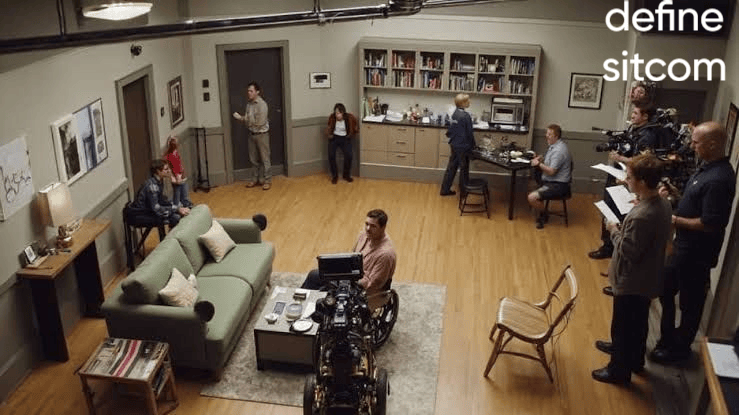
Single Camera vs Multi Camera Sitcoms This refers to filming technique rather than content. Multi camera sitcoms use several cameras and often a studio audience, giving them a stagey, theatrical feel. Single camera sitcoms use one camera and film more like a movie, giving them a more cinematic and natural look.
Why Sitcoms Stay So Popular
You might wonder why this format has survived for over seventy years while so many other TV trends fade away. A few reasons stand out.
Sitcoms are easy to jump into. You do not need to remember complicated plots from ten episodes ago.
They offer comfort. Familiar characters in familiar settings feel like visiting old friends.
They are quick to watch. A twenty minute episode fits into almost any schedule, making sitcoms perfect for binge watching or unwinding after a long day.
They connect emotionally. Even though sitcoms focus on comedy, the best ones sneak in real emotional moments that make you care about the characters.
Sitcom vs Other Comedy Formats
People often confuse sitcoms with other types of comedy shows, so let us clear up the differences.
A sketch comedy show, like Saturday Night Live, features short unrelated comedic scenes with no ongoing characters or storyline.
A sketch show changes everything each week. A sitcom keeps the same world and cast.
A comedy drama, sometimes called a dramedy, blends serious storytelling with comedic elements. Shows like Ted Lasso or Fleabag mix humor with deeper emotional arcs, which sets them apart from a pure sitcom’s lighter tone.
A stand up comedy special is simply one comedian performing live, with no scripted characters or ongoing plot at all.
Understanding these differences helps you label shows accurately and appreciate what makes a sitcom unique.
How Sitcoms Are Written
Writing a sitcom takes a specific skill set. Writers usually work in a room together, bouncing jokes off each other until they land on the funniest version of a scene.
Most episodes follow a simple structure. Something disrupts the normal routine. Characters react in ways true to their personalities. Chaos builds. Everything resolves, often with a lesson or a laugh, by the final scene.
This structure repeats episode after episode, but great writers keep it fresh by exploring new angles on familiar personalities.
Common Questions About Sitcoms
What does sitcom stand for? Sitcom stands for situation comedy, a scripted comedy show built around recurring characters and everyday situations.
What makes a show a sitcom instead of a regular comedy show? A sitcom features a consistent cast, a fixed setting, and episodic storytelling, unlike sketch shows or stand up specials, which do not follow ongoing characters.
How long is a typical sitcom episode? Most sitcom episodes run between twenty and thirty minutes, fitting into a standard television time slot.
Are sitcoms scripted or improvised? Sitcoms are scripted, though many actors add improvised lines during filming, which sometimes make it into the final cut.
What is the difference between single camera and multi camera sitcoms? Multi camera sitcoms use several cameras and often a live audience, giving them a theatrical feel. Single camera sitcoms use one camera and film more like a movie, giving them a natural, cinematic style.
Final Thoughts
A sitcom is more than just a funny show. It is a carefully built format where familiar characters, tight runtimes, and everyday situations combine to create comfort and laughter week after week. Once you understand its core ingredients, you will start noticing them in every sitcom you watch, from classic reruns to today’s biggest hits.
The next time someone asks you what a sitcom really means, you will have a clear, confident answer ready to go.