


Microwave Drawer: The Smart Kitchen Upgrade You’ll Actually Use 2026
Introduction
Picture this: you’re juggling a hot casserole dish, trying to open your microwave door, and suddenly wishing your kitchen was just a bit more intuitive. If you’ve ever felt that frustration, you’re not alone. The microwave drawer has emerged as a game-changing solution that’s redefining how we think about kitchen appliances.
A microwave drawer isn’t just another trendy kitchen gadget. It’s a practical innovation that combines accessibility, safety, and modern design. Whether you’re renovating your kitchen or simply looking to upgrade your cooking space, understanding what a microwave drawer offers can help you make a smarter decision.
In this guide, you’ll discover everything about microwave drawers. We’ll explore how they work, their benefits and drawbacks, installation considerations, and whether they’re the right fit for your home. Let’s dive into why this under-the-counter appliance is gaining serious traction among homeowners and designers alike.
What Is a Microwave Drawer?
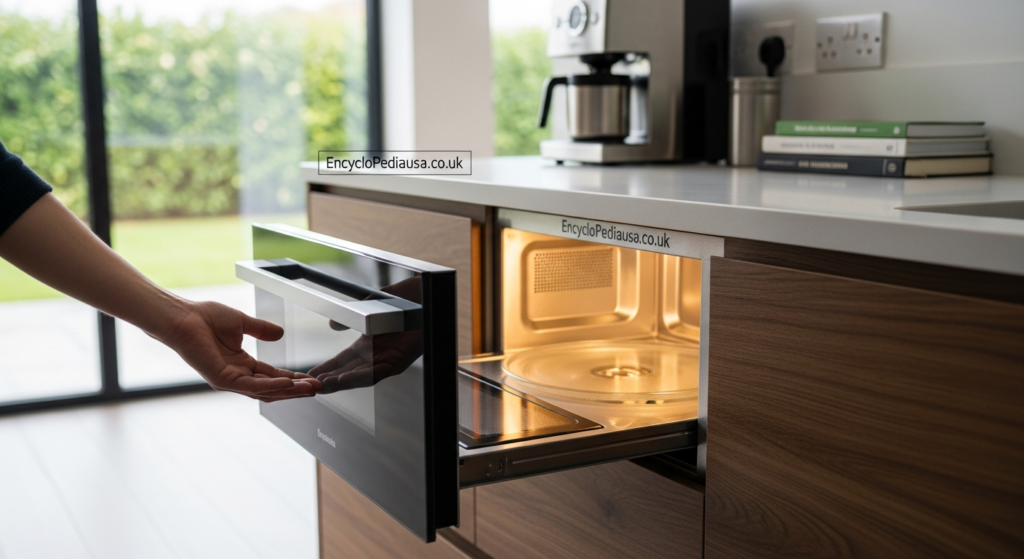
A microwave drawer is exactly what it sounds like—a microwave that opens like a drawer rather than with a traditional side-swinging door. Instead of reaching up or sideways, you simply pull the drawer toward you. The controls are typically located on the front panel, and the cooking chamber slides out smoothly for easy access.
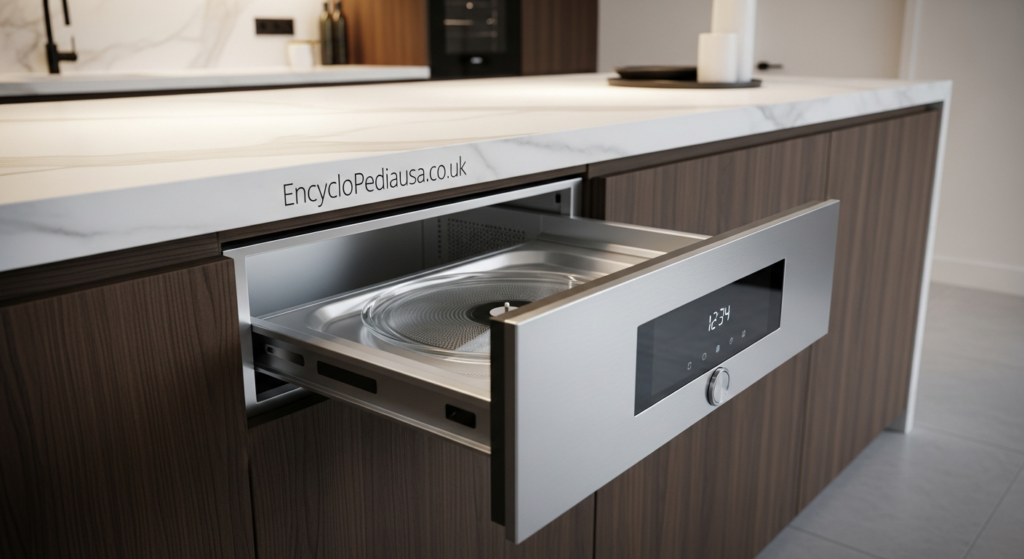
This design represents a fundamental shift from conventional microwaves. Most microwave drawers install below your countertop or in kitchen islands. Some models can also be mounted in cabinetry at custom heights. The sleek, integrated look makes them virtually invisible when closed, creating a seamless kitchen aesthetic.
The concept originated from professional kitchens where efficiency matters. Sharp Electronics actually pioneered the microwave drawer design and holds the patent. Today, while Sharp remains the primary manufacturer, you’ll find microwave drawer models sold under various brand names.
How Does a Microwave Drawer Work?
The functionality is straightforward. You press a button or touch sensor to release the drawer. It glides open, revealing the cooking chamber. You place your food inside, close the drawer, select your settings, and press start. The smooth-gliding mechanism makes the entire process feel effortless.
Most microwave drawer units feature sensor cooking technology. This means the appliance can detect moisture levels and adjust cooking time automatically. You’ll also find preset functions for common tasks like defrosting, reheating, and popping popcorn.
Why Choose a Microwave Drawer? Key Benefits
Ergonomic Accessibility
The primary advantage of a microwave drawer is accessibility. You don’t need to reach overhead or bend awkwardly. This design particularly benefits people with mobility challenges, shorter individuals, or anyone who struggles with traditional microwave placement.
Children can use a microwave drawer more safely under supervision. There’s no risk of hot food spilling when opening a door above their heads. Elderly family members also find the drawer design much easier to manage.
Streamlined Kitchen Design
A microwave drawer creates a clean, uncluttered appearance. It doesn’t occupy precious counter space. Your kitchen maintains visual flow without a bulky appliance interrupting the sightlines. This matters especially in open-concept homes where the kitchen connects to living spaces.
Designers love microwave drawers for contemporary and minimalist kitchens. The appliance integrates seamlessly into cabinetry. When closed, it’s practically invisible. This sleek integration elevates the entire kitchen aesthetic.
Enhanced Safety Features
Traditional microwaves mounted above stoves pose burn risks. Reaching over hot burners to access your microwave isn’t ideal. A microwave drawer eliminates this hazard entirely. You’re working at a comfortable height away from cooking surfaces.
The drawer design also prevents door-related accidents. There’s no swinging door to bump your head on or to block pathways. In compact kitchens, this makes a significant difference in daily functionality.
Frees Up Counter and Wall Space
Counter space is kitchen gold. A microwave drawer liberates your countertops for food prep, small appliances, or decorative elements. You also avoid mounting brackets on walls, which can limit your design options for backsplashes and shelving.
This space efficiency works beautifully in apartments, condos, or smaller homes. Every square inch counts, and a microwave drawer maximizes your usable area.
Easier Cleaning and Maintenance
Cleaning a microwave drawer is generally simpler than traditional models. The horizontal opening gives you better access to all interior surfaces. You can wipe down the chamber without contorting your arm or dealing with awkward angles.
The exterior stays cleaner too. Since there’s no protruding door, you won’t see fingerprints and smudges as obviously. A quick wipe of the control panel keeps everything looking fresh.
Potential Drawbacks of Microwave Drawers
Higher Price Point
Let’s address the elephant in the room: microwave drawers cost significantly more than standard microwaves. Expect to invest between $1,000 and $1,500 for most models. Premium versions can exceed $2,000. This represents roughly three to five times the cost of a decent countertop microwave.
The price reflects the specialized design, engineering, and installation requirements. For budget-conscious shoppers, this investment requires careful consideration.
Installation Complexity
A microwave drawer isn’t a plug-and-play appliance. Professional installation is typically necessary. You’ll need proper cabinetry dimensions, electrical connections, and potentially modifications to your existing kitchen layout.
Installation costs add another $200 to $500 to your total expense. This isn’t a DIY-friendly project unless you have significant carpentry and electrical experience.
Limited Brand Options
Sharp dominates the microwave drawer market due to patent restrictions. While other brands sell microwave drawers, they’re often manufactured by Sharp. This limited competition means fewer choices in features, finishes, and price ranges.
You won’t find the variety you’d see with traditional microwaves. This can feel restrictive when you’re trying to match specific kitchen aesthetics or find particular features.
Smaller Capacity Concerns
Most microwave drawer units offer around 1.0 to 1.2 cubic feet of interior space. This is smaller than many countertop models. Large dishes, oversized dinner plates, or bulky containers might not fit comfortably.
If you regularly heat family-sized casseroles or use your microwave for large cooking tasks, the size limitation could prove frustrating.
Potential Repair Challenges
Specialized appliances sometimes mean specialized repairs. If your microwave drawer malfunctions, finding qualified technicians might take longer. Replacement parts could cost more and be harder to source than standard microwave components.
Extended warranties become more important with microwave drawer purchases. Factor this additional cost into your budget planning.
Installation Considerations for Your Microwave Drawer
Measuring Your Space
Accurate measurements are crucial. Standard microwave drawer dimensions are approximately 24 inches wide, 15-16 inches high, and 20-24 inches deep. However, you’ll need additional clearance for ventilation and drawer operation.
Measure your cabinet opening carefully. Account for the drawer’s full extension when opened. You don’t want installation day surprises that require cabinet modifications.
Electrical Requirements
Most microwave drawer units require a dedicated 120-volt electrical circuit. The outlet should be positioned correctly within the cabinet space. Some installations need circuit upgrades to handle the appliance’s power requirements.
Consult with your electrician before purchasing. Electrical work costs can vary significantly based on your current kitchen setup.
Height Placement
The ideal height for a microwave drawer is typically 12-18 inches below your countertop. This puts the cooking chamber at a comfortable level for most adults. Installing in kitchen islands offers excellent accessibility from multiple sides.
Consider your household’s needs. If children will use the appliance, lower placement might make sense. For primarily adult use, standard height works best.
Ventilation Needs
Adequate ventilation prevents overheating and extends your appliance’s lifespan. Most microwave drawer models have specific clearance requirements. Leave at least 2-3 inches of space around the unit for proper airflow.
Check the manufacturer’s specifications carefully. Insufficient ventilation can void your warranty and create safety hazards.
Microwave Drawer vs. Traditional Microwave: Which Wins?
Space Utilization
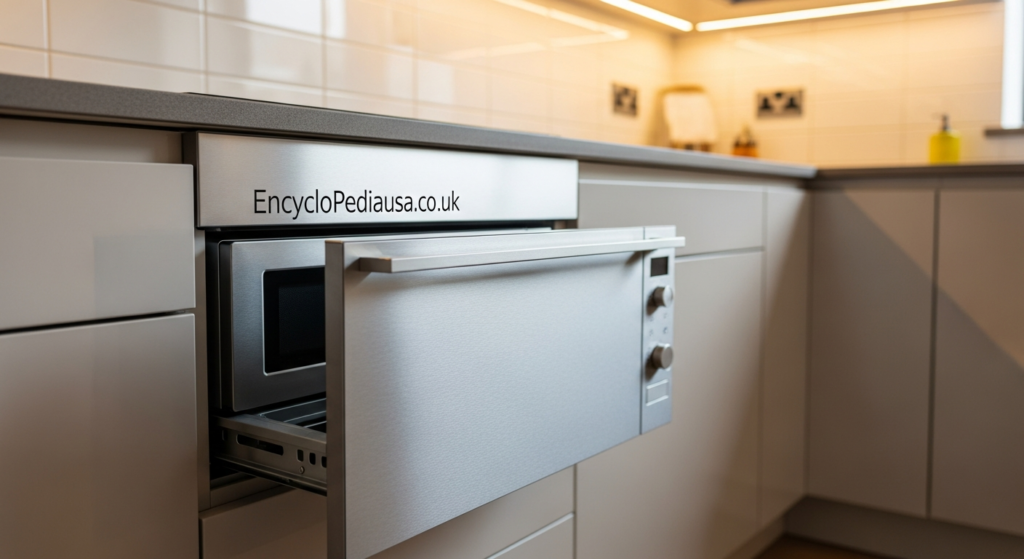
A microwave drawer excels in space efficiency. Countertop microwaves occupy valuable workspace. Over-the-range models limit your range hood options. The drawer design integrates seamlessly without these compromises.
Traditional microwaves win on installation flexibility. You can place them anywhere an outlet exists. No cabinet modifications required.
Daily Usability
The microwave drawer offers superior ergonomics for most users. The comfortable height and smooth operation make daily use effortless. Traditional microwaves mounted above counters work fine if you’re tall and able-bodied.
Accessibility gives the microwave drawer a clear advantage for diverse households.
Cost Comparison
Standard microwaves cost $100-$500. Even premium countertop models rarely exceed $600. A microwave drawer’s $1,000+ price tag is substantially higher. Add installation costs, and the gap widens further.
Budget-focused buyers naturally lean toward traditional options.
Aesthetic Appeal
Modern kitchens increasingly favor integrated appliances. The microwave drawer delivers on this trend perfectly. Traditional microwaves, while functional, often interrupt visual flow.
If design matters deeply to you, the microwave drawer justifies its premium.
Top Features to Look for in a Microwave Drawer
Sensor Cooking Technology
Quality sensor cooking automatically adjusts power and timing based on your food’s moisture. This feature prevents overcooking and delivers more consistent results. Look for models with multiple sensor programs.
Easy-Touch Controls
Intuitive controls make operation effortless. Touch panels should respond quickly and clearly display information. Some microwave drawer models offer smartphone connectivity for remote operation.
Interior Lighting
Adequate lighting helps you monitor cooking progress. LED lights provide bright, energy-efficient illumination. Multiple light positions ensure you can see clearly regardless of drawer extension.
Stainless Steel Interior
Stainless steel resists staining and simplifies cleaning. It’s more durable than painted interiors. This feature adds to the appliance’s longevity and maintains a fresh appearance.
Child Safety Lock
If kids access your kitchen, a safety lock prevents unsupervised operation. This feature gives peace of mind while still allowing drawer opening for retrieval.
Multi-Stage Cooking
Advanced models let you program multiple cooking stages. Start with defrost, then automatically switch to reheating at different power levels. This automation improves cooking results for complex dishes.
Maintenance Tips for Your Microwave Drawer
Regular Cleaning Routine
Wipe the interior after each use to prevent buildup. Use mild soap and warm water for most cleaning. Avoid abrasive cleaners that might scratch stainless steel surfaces.
The horizontal design makes cleaning easier than traditional microwaves. Take advantage of this accessibility.
Control Panel Care
Clean the control panel with a soft, damp cloth. Don’t spray cleaners directly on electronic components. Keep the panel dry to prevent electrical issues.
Drawer Track Maintenance
Periodically check the drawer glides for debris. Wipe the tracks clean to maintain smooth operation. Proper track maintenance prevents jamming and extends mechanical life.
Ventilation Check
Ensure ventilation spaces remain clear. Don’t block airflow with storage items. Clean vent areas during regular kitchen cleaning to prevent dust accumulation.
Professional Servicing
Schedule professional maintenance every 2-3 years. Technicians can identify potential issues before they become problems. This proactive approach protects your investment.
Is a Microwave Drawer Worth the Investment?
The answer depends on your specific circumstances. A microwave drawer makes excellent sense if you’re:
- Renovating your kitchen with a modern design vision
- Prioritizing accessibility for family members with mobility challenges
- Maximizing limited kitchen space
- Building a high-end home where integrated appliances matter
- Valuing ergonomics and daily convenience
The microwave drawer might not suit you if you’re:
- Working with a tight budget
- Renting rather than owning your home
- Satisfied with your current microwave setup
- Needing maximum cooking capacity
- Uncomfortable with specialized appliance repairs
Consider your cooking habits, kitchen layout, and long-term plans. The microwave drawer represents a premium choice that delivers tangible benefits for the right household.
Conclusion
A microwave drawer transforms how you interact with one of your kitchen’s most-used appliances. The ergonomic design, space efficiency, and sleek integration make it an attractive option for modern homes. Yes, the higher cost and installation complexity require careful consideration. But for many homeowners, the benefits justify the investment.
Think about your daily kitchen routine. Consider who uses your kitchen and how. Imagine the convenience of accessible, space-saving design. If these advantages align with your needs, a microwave drawer could be the upgrade that makes your kitchen truly work for you.
What’s your biggest frustration with your current microwave setup? Would a drawer design solve it? Share your thoughts, and don’t hesitate to consult with kitchen designers or appliance specialists. Your perfect kitchen configuration is worth the research.
FAQs
Q: How long do microwave drawers typically last? A: With proper maintenance, a quality microwave drawer should last 10-15 years. This lifespan is comparable to traditional built-in microwaves. Regular cleaning and professional servicing extend longevity.
Q: Can I install a microwave drawer myself? A: While technically possible for experienced DIYers, professional installation is recommended. The process involves precise cabinet measurements, electrical connections, and proper ventilation setup. Incorrect installation can void warranties and create safety hazards.
Q: Do microwave drawers use more energy than regular microwaves? A: No, microwave drawer energy consumption is similar to traditional models. The drawer mechanism doesn’t significantly impact electricity usage. Wattage typically ranges from 950-1200 watts, comparable to standard microwaves.
Q: Can you install a microwave drawer in an existing kitchen? A: Yes, but you’ll need suitable cabinet space. Existing cabinets may require modification to accommodate proper dimensions and ventilation. Retrofitting costs vary based on your current kitchen configuration.
Q: Are microwave drawers safe for children to use? A: When properly supervised, yes. The lower height and drawer design actually make them safer than overhead models. Most units include child safety locks. Always teach proper microwave safety regardless of appliance type.
Q: What’s the warranty coverage for microwave drawers? A: Most manufacturers offer 1-2 year limited warranties. Extended warranty options are available and recommended given the higher investment. Warranty terms vary by brand, so review coverage details carefully.
Q: Can a microwave drawer replace my over-the-range microwave? A: A microwave drawer provides cooking functions but doesn’t offer range ventilation. If your over-the-range microwave serves as your primary vent hood, you’ll need a separate ventilation solution when switching to a drawer model.
Q: Do microwave drawers work with all kitchen island designs? A: Most kitchen islands can accommodate a microwave drawer with proper planning. You’ll need adequate depth, electrical access, and clearance for drawer operation. Consult with your designer to ensure compatibility.
Q: How loud are microwave drawers compared to regular microwaves? A: Microwave drawer noise levels are comparable to traditional models. The drawer mechanism operates quietly. Cooking noise depends on wattage and what you’re heating, not the drawer design itself.
Q: Can I get a microwave drawer in colors besides stainless steel? A: Options are limited compared to traditional microwaves. Most microwave drawer models come in stainless steel finishes. Some brands offer black stainless or custom panel-ready options that match your cabinetry.
Also Read : Similac 360 Total Care