
Columbia House CD Club: The Amazing Deal That Vanished
Meta Description: Remember Columbia House CD Club? Discover the incredible deals, the hidden catch, and why this iconic music club still sparks nostalgia today.
URL Slug: columbia_house_cd_club
Introduction
Do you remember tearing open a mailbox flyer that promised twelve CDs for just a penny? That was the magic of Columbia House CD Club. For millions of music lovers in the 1990s and early 2000s, this club felt like winning the lottery. You picked your favorite albums, paid almost nothing upfront, and waited eagerly for the mailman.
But there was more to Columbia House CD Club than free music. Behind the excitement sat a clever business model that shaped how people bought music before streaming existed. In this article, you will learn how the club worked, why it became so popular, what eventually caused its downfall, and what lessons it still teaches us today. If you grew up with a stack of Columbia House CDs on your shelf, this trip down memory lane is for you.
What Was Columbia House CD Club?
Columbia House CD Club started as a mail order music service. It let you join a subscription program and receive a batch of CDs at an unbelievably low price. You simply picked your albums from a catalog, mailed back a form, and waited for your package to arrive.
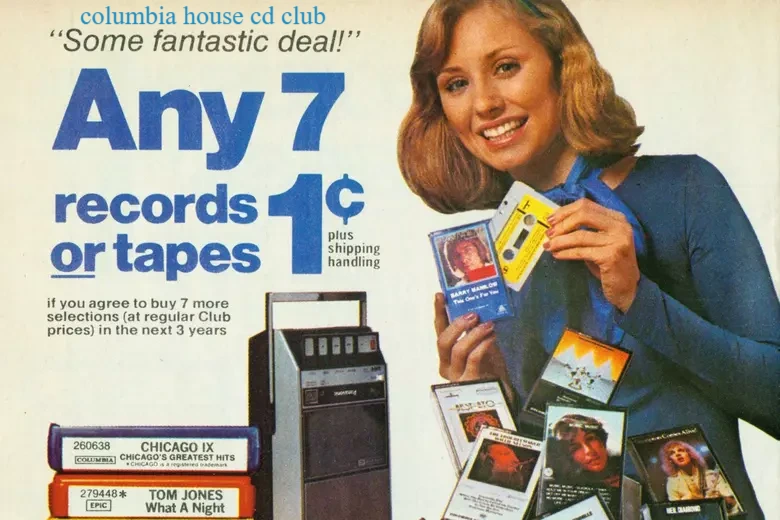
The company built its reputation on generosity. New members often received eight, ten, or even twelve CDs for a single penny. It felt too good to be true, and in some ways, it was.
How Columbia House CD Club Worked
The club operated on a simple system. You agreed to buy a certain number of CDs at regular club prices over the next year or two. In exchange, you received your first batch almost free.
Every month, you got a mailer listing a featured album. If you did nothing, that album shipped to you automatically. This system encouraged constant spending, even from members who forgot to respond in time.
The Famous 12 CDs for a Penny Deal
This offer became the heart of Columbia House CD Club marketing. Magazines, newspapers, and even the backs of cereal boxes carried these irresistible ads. You picked twelve albums, paid shipping and a tiny fee, and your collection grew overnight.
It felt like a dream for teenagers and young adults building their first music libraries. Many people joined the club multiple times under different names just to grab another round of cheap CDs.
Why Millions of People Joined
Music access looked very different before digital streaming. You could not simply search for a song and play it instantly. Buying music meant driving to a store or waiting for mail delivery.
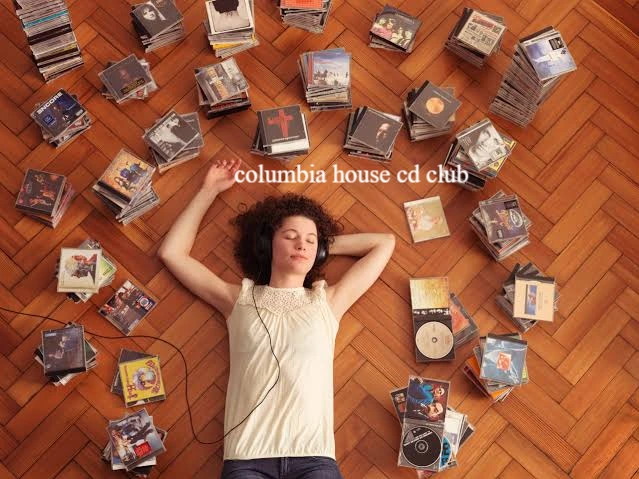
Columbia House CD Club solved a real problem. It gave people a convenient and affordable way to build a personal music collection. Here are a few reasons the club attracted so many members.
- It offered massive savings on the first order.
- It delivered music straight to your door.
- It featured popular artists across every genre.
- It required no internet connection or complicated signup.
For many households, this club became the easiest way to discover new music without leaving home.
The Catch Behind the Bargain
Nothing this generous comes without conditions. Columbia House CD Club made its real money through the required future purchases. Members had to buy several albums at full club price, which often cost more than retail stores.
Shipping and handling fees added up quickly too. What started as a penny deal often turned into a costly year long commitment.
Negative Option Billing Explained
The monthly mailer system used something called negative option billing. If you ignored the mailer, the featured CD shipped automatically and charged your account. This method generated steady revenue for the company.
Many members forgot to decline in time. They ended up with albums they never wanted, which led to frustration and eventually widespread criticism of the club.
Why Columbia House CD Club Eventually Shut Down
Several factors led to the decline of Columbia House CD Club. Digital downloads changed everything. Services like iTunes allowed people to buy single songs instantly without waiting for mail delivery.
Streaming platforms soon followed, offering unlimited music for a flat monthly fee. Physical CDs started losing their appeal fast. Combined with ongoing complaints about billing practices and legal challenges, the club could not keep up with a changing industry. The company filed for bankruptcy in 2015, closing a chapter that once dominated music retail.
The Legacy of Columbia House Today
Even though the club no longer exists, its influence remains strong in pop culture memory. Many people fondly recall Columbia House CD Club as their introduction to owning music. Social media often lights up with nostalgic posts whenever someone mentions the penny deal.
The club also taught an important business lesson about subscription models. Modern streaming services borrowed the same idea of automatic recurring payments, just without the physical shipping.
Lessons You Can Learn From Columbia House CD Club
Looking back, this club offers useful insight into consumer habits and marketing psychology. Here is what stands out most.
- A great introductory offer can build massive customer loyalty quickly.
- Hidden long term commitments often follow attractive short term deals.
- Convenience always wins customer attention, even decades ago.
- Subscription models work best when customers stay informed and engaged.
I still remember flipping through those glossy catalogs as a kid, circling album covers I wanted most. That excitement never fully fades, even years later.
Frequently Asked Questions
Is Columbia House CD Club still around? No, the company shut down operations and filed for bankruptcy in 2015. It no longer offers CDs or memberships today.
How did Columbia House make money if CDs were nearly free? The company profited from the required future purchases members agreed to buy at regular club prices, along with shipping and handling fees.
What happened to Columbia House? Digital music, online streaming, and changing consumer habits led to declining sales. The company eventually closed after struggling to compete with modern platforms.
Can you still get free CDs like Columbia House offered? No similar service exists today. Most people now access music through streaming apps instead of physical CD subscriptions.
Was Columbia House a scam? It was not a scam, but its billing method confused many customers. The negative option system led to unwanted charges for people who forgot to respond to mailers.
What replaced Columbia House CD Club? Digital download stores and streaming services replaced the need for mail order CD subscriptions entirely.
How many CDs could new members get from Columbia House? New members typically received between eight and twelve CDs for a very small initial payment, depending on the specific promotion running at the time.
Did Columbia House sell other products besides CDs? Yes, the company also offered DVDs, video games, and other entertainment media through similar subscription clubs.
Conclusion
Columbia House CD Club represents a unique era in music history. It combined generous introductory deals with a subscription model that kept members buying for months. While the flashy penny offers attracted millions, the hidden commitments eventually led to its downfall.
Today, streaming has replaced the need for mail order music clubs, but the nostalgia remains strong. Do you still remember your favorite Columbia House haul? Share your memories with friends who grew up flipping through those iconic catalogs, and keep the conversation going about one of music retail’s most unforgettable chapters.
Category: Music History and Pop Culture Nostalgia
Tags: Columbia House, CD Club, Music Nostalgia, 90s Music Culture, Retro Shopping, Mail Order Music, Subscription Business Model, Throwback Media
About the Author
Sarah Mitchell is a pop culture writer who specializes in music history and retro consumer trends. She enjoys exploring how entertainment brands shaped everyday life for past generations and sharing those stories with modern readers.