

Corn Snake: Perfect Beginner Pet or Overrated Reptile?
Introduction
Imagine holding a gentle, beautifully patterned serpent that feels like smooth, cool silk against your skin. The corn snake represents one of nature’s most stunning and approachable reptiles. These gorgeous creatures captivate reptile enthusiasts worldwide with their vibrant colors, docile temperament, and manageable care requirements.
If you’re considering a pet snake, the corn snake probably tops your list. These North American natives have earned their reputation as the perfect beginner reptile for excellent reasons. They tolerate handling well, rarely bite, stay relatively small, and come in dozens of breathtaking color variations. Whether you’re a complete novice or an experienced herpetoculturist, corn snakes offer rewarding companionship.
This comprehensive guide explores everything you need to know about corn snakes. You’ll discover their natural history, behavioral characteristics, housing requirements, feeding guidelines, health considerations, and breeding basics. We’ll cover common myths, answer frequently asked questions, and provide practical advice that actual corn snake owners wish they’d known from day one. By the end, you’ll understand exactly why these remarkable reptiles have become the world’s most popular pet snake species.
What Makes Corn Snakes Special
Corn snakes possess unique qualities that distinguish them from other snake species. Understanding what makes these reptiles special helps you appreciate why they’ve become beloved pets for millions of people worldwide.
Natural History and Wild Behavior
Corn snakes scientifically known as Pantherophis guttatus inhabit the southeastern United States. You’ll find wild populations from New Jersey south through Florida and west into Louisiana and parts of Kentucky. These adaptable serpents thrive in various habitats including pine forests, overgrown fields, abandoned buildings, and rocky hillsides.
The name “corn snake” likely comes from their frequent presence in cornfields where they hunt rodents. Farmers historically welcomed these snakes because they controlled pest populations naturally. Their distinctive belly pattern resembling Indian corn kernels may also contribute to the common name.
In the wild, corn snakes are primarily nocturnal or crepuscular, meaning they’re most active during twilight hours. They spend daylight hours hiding under logs, rocks, loose bark, or in rodent burrows. This secretive behavior protects them from predators like hawks, owls, and larger snakes.
Physical Characteristics and Appearance
Adult corn snakes typically reach lengths between three and five feet, though some individuals grow slightly larger. Females generally grow longer than males, while males develop proportionally thicker tails. This size makes them substantial enough to feel impressive without becoming unmanageably large.
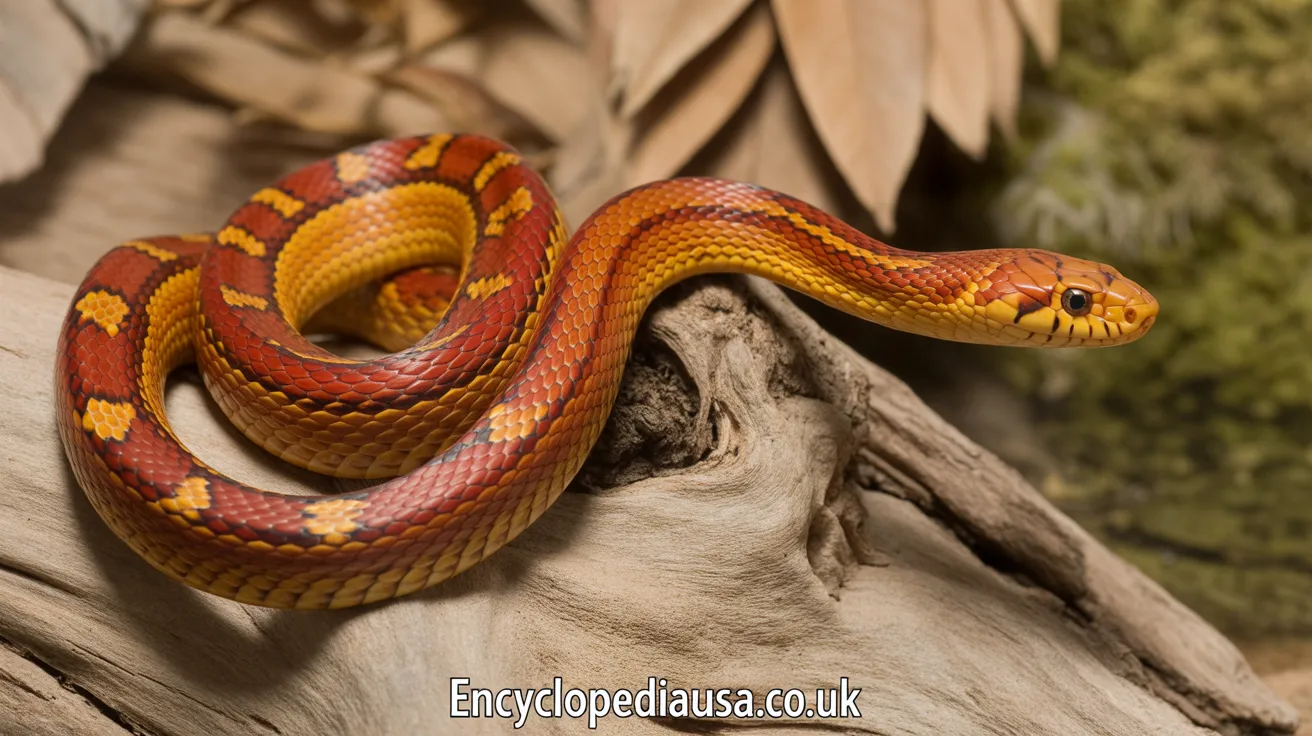
Their natural coloration features orange or reddish-brown background colors with darker red or brown blotches outlined in black. The belly displays a distinctive black and white checkerboard pattern. Regional variations exist, with some populations showing more vibrant oranges and others appearing more subdued or grayish.
Captive breeding has produced hundreds of color and pattern variations called morphs. You can find corn snakes in nearly every imaginable color including pure white, solid black, lavender, pink, yellow, and combinations thereof. Some morphs lack patterns entirely while others display intricate designs that differ dramatically from wild types.
Temperament and Personality Traits
Corn snakes rank among the most docile snake species commonly kept as pets. They rarely display aggression toward humans even when stressed. While individual personalities vary, most corn snakes tolerate regular handling without becoming defensive or attempting to bite.
Hatchling corn snakes sometimes act more defensive than adults. They may vibrate their tails, musk, or occasionally strike when frightened. This behavior typically diminishes with gentle, consistent handling over several weeks. Patience during this adjustment period creates confident, calm adult snakes.
These reptiles demonstrate surprising intelligence and recognize feeding schedules, familiar handlers, and environmental patterns. Some owners report their corn snakes appearing to anticipate feeding times or showing curiosity during cage maintenance. While not affectionate like mammals, they develop predictable behaviors that create bonds with attentive keepers.
Setting Up the Perfect Corn Snake Habitat
Creating an appropriate environment is crucial for corn snake health and wellbeing. Proper housing provides security, appropriate temperatures, and enrichment opportunities that allow natural behaviors.
Enclosure Size and Type Requirements
A 20-gallon terrarium suits hatchling and juvenile corn snakes adequately. As your snake grows, you’ll need to upgrade to larger accommodations. Adult corn snakes thrive in 40-gallon breeder tanks or larger enclosures measuring at least 36 inches long by 18 inches wide.
Glass terrariums with secure screen tops work excellently for corn snakes. The transparency allows easy observation while the screen provides ventilation. Plastic tubs also work well, especially for breeders maintaining multiple snakes. Whichever style you choose, ensure the enclosure has a completely secure lid because corn snakes are accomplished escape artists.
Front-opening enclosures offer advantages over top-opening designs. Approaching from above can trigger defensive responses since predators typically attack from overhead. Front access feels less threatening and makes daily maintenance easier. However, top-opening enclosures work fine with calm, well-adjusted snakes.
Temperature and Humidity Control
Corn snakes require a thermal gradient allowing them to thermoregulate. The warm end should maintain temperatures between 85 and 88 degrees Fahrenheit while the cool end stays around 75 to 80 degrees. This range lets your snake move between areas to reach its preferred body temperature.
Under-tank heating pads or heat tape provide the safest heating options. Place these heat sources under one end of the enclosure to create the necessary gradient. Always use a thermostat to prevent overheating, which can cause serious burns or death. Heat lamps work but can dry out the enclosure excessively.
Humidity levels should remain between 40 and 50 percent normally, increasing to 60 or 70 percent during shedding periods. A large water bowl provides ambient humidity while allowing drinking and occasional soaking. Lightly misting the enclosure during sheds helps prevent stuck skin without creating constantly damp conditions.
Substrate and Furnishing Choices
Substrate selection impacts both aesthetics and maintenance ease. Aspen shavings are popular because they’re absorbent, relatively inexpensive, and allow natural burrowing behavior. Cypress mulch and coconut husk products also work well while helping maintain humidity.
Avoid cedar and pine shavings, which contain aromatic oils toxic to reptiles. Newspaper and paper towels provide functional but unattractive options ideal for quarantine or medical situations. Some keepers use reptile carpet, though this requires regular washing and doesn’t allow burrowing.
Provide at least two identical hiding spots, one on the warm end and one on the cool end. Commercial reptile hides work fine, but inverted plastic containers with entrance holes cut in them cost less and function equally well. Add branches, artificial plants, and other decorations to create visual barriers and climbing opportunities.
Feeding Your Corn Snake Properly
Nutrition directly impacts corn snake health, growth rates, and longevity. Understanding proper feeding practices ensures your snake thrives throughout its life.
Prey Selection and Sizing
Corn snakes are obligate carnivores that eat whole prey items in captivity. Frozen-thawed rodents provide the safest, most convenient food source. Never feed live prey, which can injure or kill even adult snakes through bites and scratches.
Choose prey items roughly the same diameter as the thickest part of your snake’s body or slightly larger. Prey that’s too small provides insufficient nutrition while oversized items risk regurgitation. Start hatchlings on pinky mice and gradually increase prey size as the snake grows.
Most adult corn snakes thrive on adult mice or small rats. Larger females might handle medium rats comfortably. Offering appropriately sized single prey items works better than multiple smaller items. The single larger meal provides better nutrition and feels more natural.
Feeding Schedule and Techniques
Hatchling corn snakes need food every five to seven days. Juveniles eat every seven to ten days as they grow rapidly during their first year. Adult corn snakes typically eat every ten to fourteen days, though some keepers feed adults weekly without issues.
Thaw frozen rodents completely before offering them. Place frozen prey in the refrigerator overnight or seal it in a plastic bag and submerge in warm water for quick thawing. Never use microwaves, which cook the prey unevenly and destroy nutritional value.
Feed your corn snake in its enclosure unless it consistently ingests substrate while eating. Some keepers prefer feeding in separate containers, though this adds stress through extra handling. If substrate ingestion becomes problematic, temporarily place your snake on newspaper during feeding time.
Common Feeding Problems and Solutions
New corn snakes sometimes refuse food due to stress from recent relocation. Give your snake at least a week to settle before attempting feeding. Ensure temperatures are correct because snakes won’t eat if they cannot properly digest food.
Corn snakes occasionally refuse food during breeding season, before shedding, or during winter cooling periods. These temporary fasts rarely cause concern unless prolonged beyond several weeks. Most snakes resume eating once triggering factors resolve.
If your corn snake consistently refuses frozen-thawed prey, try varying presentation methods. Warm the prey slightly using a hair dryer or heat lamp to increase scent. Move the prey with feeding tongs to simulate movement. In stubborn cases, leaving prey overnight in a dark, quiet enclosure often succeeds.
Health Care and Common Issues
Maintaining corn snake health involves preventive care, recognizing illness signs early, and knowing when veterinary intervention becomes necessary.
Normal Shedding Process
Corn snakes shed their skin periodically as they grow. Young snakes shed every four to six weeks while adults shed less frequently, perhaps every two to three months. You’ll notice your snake’s colors dulling and eyes turning cloudy blue several days before shedding.
During this pre-shed period, snakes often refuse food and become more reclusive than usual. This behavior is completely normal. The cloudiness clears a day or two before the actual shed, and most snakes complete the process within hours.
A healthy shed comes off in one complete piece like pulling off a sock. The shed should include eye caps and tail tip. Incomplete sheds indicate humidity problems or underlying health issues. Stuck shed around the eyes or tail requires careful removal to prevent complications.
Parasites and Infections
Captive-bred corn snakes rarely carry parasites, though wild-caught individuals often harbor mites, ticks, or internal parasites. Snake mites appear as tiny moving dots, often concentrating around the eyes and under scales. They cause irritation and can transmit diseases between reptiles.
Respiratory infections manifest through wheezing, mucus around the nostrils or mouth, and labored breathing. These serious conditions require immediate veterinary attention and antibiotic treatment. Proper temperatures and humidity prevent most respiratory issues.
Mouth rot or infectious stomatitis appears as redness, swelling, or cheese-like material in the mouth. This bacterial infection results from stress, injuries, or poor husbandry. Veterinary treatment with antibiotics and improved care usually resolves the condition.
When to Seek Veterinary Care
Find a reptile veterinarian before emergencies occur. Not all vets treat snakes, so locate an experienced exotics specialist in advance. Annual checkups help catch potential problems early even when your snake appears healthy.
Seek immediate veterinary care if your snake shows labored breathing, refuses food for extended periods beyond normal, regurgitates repeatedly, displays lethargy or unusual behavior, has visible injuries or swelling, or passes abnormal feces. Early intervention dramatically improves treatment success.
Expect your veterinarian to perform fecal examinations, physical assessments, and potentially blood work during wellness visits. These diagnostics establish baseline health parameters and detect hidden issues. The investment in preventive care saves money and suffering compared to treating advanced illnesses.
Handling and Interaction Guidelines
Proper handling techniques ensure safety for both you and your corn snake while building trust and confidence. Learning correct methods prevents stress and potential injuries.
Safe Handling Techniques
Always wash hands before and after handling your corn snake. Pre-handling washing removes food scents that might trigger feeding responses. Post-handling washing prevents transmitting bacteria like Salmonella, which many reptiles carry harmlessly but can sicken humans.
Support your snake’s body along its length rather than grabbing or restraining it. Let the snake move through your hands, gently guiding rather than controlling its movements. Never grab a snake behind the head unless absolutely necessary for medical procedures, as this restraint causes extreme stress.
Start handling sessions brief, perhaps five to ten minutes, especially with new or young snakes. Gradually extend duration as your snake becomes comfortable. Two to three handling sessions weekly provides adequate interaction without causing stress. More frequent handling is fine if your snake tolerates it well.
Reading Snake Body Language
Corn snakes communicate discomfort through body language. Rapid tongue flicking indicates heightened awareness or stress. Tail vibrating mimics rattlesnake warnings and signals the snake feels threatened. Musking releases foul-smelling secretions when extremely frightened.
A relaxed corn snake moves slowly and deliberately, exploring its environment with casual tongue flicks. Tense muscles, jerky movements, or attempting to flee indicate discomfort. If your snake displays these signs, return it to its enclosure and try again later.
Defensive strikes are extremely rare in established pet corn snakes. If threatened enough to strike, the snake typically delivers a quick tap without actually biting. Even if bitten, corn snake teeth are tiny and bites barely break skin. Remaining calm prevents reinforcing aggressive behavior.
Building Trust Over Time
New corn snakes need adjustment periods before regular handling. Provide a week of undisturbed settling time after bringing your snake home. Start handling sessions after this period, beginning with brief interactions and gradually increasing duration.
Consistency builds confidence faster than sporadic handling. Regular, gentle interactions teach your snake that handling doesn’t threaten its safety. Most corn snakes become comfortable with handling within several weeks to a few months.
Some corn snakes naturally tolerate more handling than others. Respect your individual snake’s personality. A snake that consistently shows stress signals despite patient, proper handling simply prefers minimal interaction. These snakes still make wonderful pets for keepers who enjoy observation more than handling.
Breeding Corn Snakes Basics
Breeding corn snakes appeals to many experienced keepers. Understanding the process helps you decide whether breeding interests you and prepares you for the commitment involved.
Preparation and Cycling
Corn snakes reach sexual maturity around two to three years of age, though size matters more than age. Females should weigh at least 300 grams before breeding to safely produce and lay eggs. Rushing breeding with undersized females risks serious health complications.
Breeding typically requires winter cooling to trigger reproductive behaviors. Gradually reduce temperatures to 50 to 60 degrees Fahrenheit for two to three months during winter. Stop feeding several weeks before cooling begins to prevent undigested food in the digestive tract.
After cooling, gradually return to normal temperatures. Introduce the male to the female’s enclosure, monitoring interactions closely. Breeding may occur immediately or take several days. Most breeders leave pairs together for a few days, separating them between attempts.
Egg Laying and Incubation
Female corn snakes lay eggs approximately 30 to 45 days after successful breeding. Provide a suitable laying box filled with slightly damp sphagnum moss. Most females readily use these boxes, though some choose other areas.
Clutch sizes typically range from 10 to 30 eggs depending on female size and age. Carefully remove eggs within 24 hours of laying, taking care not to rotate them. Place eggs in an incubator with slightly moist vermiculite or perlite substrate.
Maintain incubation temperatures between 78 and 84 degrees Fahrenheit with humidity around 80 percent. Eggs typically hatch after 60 to 70 days. Higher temperatures speed development but may affect sex ratios. Lower temperatures slow development but often produce healthier hatchlings.
Caring for Hatchlings
Baby corn snakes measure approximately 8 to 12 inches at hatching. House them individually in small containers with appropriate heating, hiding spots, and water. Small enclosures help hatchlings feel secure and make monitoring easier.
Most hatchlings shed within a week of emerging from eggs. Offer food after this first shed completes successfully. Some babies eat immediately while others take several weeks to start feeding. Patience during this period prevents stress that worsens feeding refusals.
Breeding corn snakes creates significant responsibilities. You need space for individual hatchling housing, reliable buyers or keepers for offspring, and resources to maintain non-feeding babies potentially for months. Consider these commitments carefully before breeding your snakes.
Color Morphs and Genetics
The incredible variety of corn snake color morphs represents one of the species’ most appealing aspects. Understanding basic genetics helps you appreciate morph development and breeding outcomes.
Popular Morph Varieties
Amelanistic or “amel” corn snakes lack black pigment, appearing in bright reds, oranges, and yellows against white backgrounds. This recessive trait was among the first morphs established. Amels remain extremely popular for their vibrant coloration.
Anerythristic morphs lack red pigment, displaying blacks, grays, and whites. When combined with amelanistic genetics, the result is snow corn snakes that appear nearly pure white with faint yellow highlights. Snows exemplify how combining morphs creates entirely new appearances.
Hypomelanistic or “hypo” morphs show reduced black pigment rather than complete absence. They appear lighter and brighter than normal corn snakes. Bloodred morphs eliminate the typical saddle pattern, replacing it with solid coloration. Tessera morphs display railroad-track patterning instead of traditional blotches.
Understanding Basic Genetics
Corn snake genetics involve dominant, recessive, and codominant inheritance patterns. Recessive traits require both parents to carry the gene for offspring to display the trait. Carriers appear normal but can produce morphs when bred to other carriers.
Dominant traits appear in offspring when inherited from just one parent. Codominant traits allow both genes to express simultaneously, creating intermediate appearances. Understanding these patterns helps predict breeding outcomes.
Many modern corn snakes combine multiple genetic traits, creating designer morphs with complex genetics. A single snake might carry amelanistic, anerythristic, and hypomelanistic genes simultaneously. These combinations produce stunning animals commanding premium prices from collectors.
Choosing Morphs Wisely
Beginners sometimes feel overwhelmed by morph options. Remember that all corn snakes regardless of color or pattern share identical care requirements and temperaments. Choose based on personal aesthetic preferences rather than perceived rarity or value.
Normal or wild-type corn snakes often cost significantly less than designer morphs. These natural beauties make excellent first snakes, allowing you to learn proper care before potentially investing in expensive morphs. Many experienced keepers maintain deep appreciation for wild-type appearance.
Some morphs carry genetic issues requiring awareness. Stargazing syndrome affects certain bloodlines, causing neurological problems. Reputable breeders avoid producing or selling affected animals. Purchase from ethical sources that prioritize health over aesthetics.
Lifespan and Long-Term Commitment
Corn snakes live remarkably long lives under proper care. Understanding this commitment helps you make informed decisions about pet ownership.
Expected Lifespan
Captive corn snakes typically live 15 to 20 years with proper care. Some individuals exceed 20 years, occasionally reaching their mid-twenties. This longevity rivals or exceeds many traditional pets like dogs and cats.
Compare this to wild corn snakes, which rarely survive beyond five to eight years. Predation, disease, parasites, and environmental hazards significantly reduce wild lifespans. Captivity eliminates most of these threats, allowing corn snakes to reach their genetic potential.
This extended lifespan represents a serious commitment. Consider where you’ll be in 15 or 20 years. Will you have space and resources to maintain your snake? Can you provide care during life changes like moving, career shifts, or family expansion?
Factors Affecting Longevity
Proper husbandry dramatically impacts corn snake lifespan. Maintaining correct temperatures, providing appropriate nutrition, ensuring adequate space, and monitoring health extends life expectancy. Neglecting these basics shortens lives considerably.
Genetics play significant roles in longevity. Snakes from healthy lineages typically outlive those from poor breeding stock. Purchasing from reputable breeders who prioritize health over appearance increases your chances of acquiring a long-lived snake.
Obesity shortens reptile lifespans significantly. Overfeeding creates fat deposits around organs, causing various health problems. Follow recommended feeding schedules and monitor body condition. A properly conditioned corn snake shows slight muscle definition without ribs being prominently visible.
Planning for the Future
Creating care plans for potential scenarios protects your snake if you cannot continue keeping it. Identify friends or family members willing to assume care if necessary. Some reptile rescues accept surrendered corn snakes, though space often limits acceptance.
Document your snake’s care routine, feeding schedule, health history, and behavioral quirks. This information helps caretakers maintain consistency if someone else must assume responsibility. Include veterinary records and contact information for your reptile vet.
Consider financial aspects of long-term corn snake keeping. Budget for food, substrate, electricity for heating, veterinary care, and eventual enclosure upgrades or replacements. While not expensive pets, corn snakes do require ongoing financial commitment throughout their lives.
Conclusion
The corn snake truly deserves its reputation as the ideal pet snake for beginners and experienced keepers alike. These beautiful, docile reptiles combine manageable size, straightforward care requirements, incredible color variety, and engaging personalities. Their hardiness forgives minor husbandry mistakes while their longevity provides decades of companionship.
Whether you’re drawn to vibrant amelanistic morphs, classic wild-type patterns, or exotic designer combinations, a corn snake exists to match your preferences. Their calm temperament makes handling enjoyable rather than stressful. Watching them explore, hunt, and shed provides endless fascination for those who appreciate reptile behavior.
Success with corn snakes requires commitment to proper housing, nutrition, and health monitoring. The investment of time, resources, and attention pays dividends through healthy, thriving snakes that bring joy for years or even decades. Start with solid fundamentals, remain patient during adjustment periods, and continuously educate yourself about best practices.
The corn snake community includes passionate keepers worldwide who share knowledge, breeding projects, and appreciation for these remarkable serpents. Joining this community through forums, social media groups, or local reptile clubs enhances your experience and provides support throughout your snake-keeping journey.
Are you ready to welcome a corn snake into your life? Whether you choose a hatchling to raise or an established adult seeking a new home, you’re beginning a rewarding relationship with one of nature’s most perfectly adapted predators. What aspect of corn snake keeping excites you most?
Frequently Asked Questions
Are corn snakes good pets for beginners?
Yes, corn snakes are widely considered the best beginner snake species. They tolerate handling well, rarely bite, adapt easily to captivity, and forgive minor care mistakes that might harm more sensitive species. Their moderate size and simple care requirements make them ideal first snakes. Most reptile experts recommend corn snakes over other species for those new to snake keeping.
How big do corn snakes get?
Adult corn snakes typically reach 3 to 5 feet in length, with females generally growing longer than males. Exceptional individuals occasionally exceed 5 feet but rarely surpass 6 feet. Hatchlings emerge at 8 to 12 inches and reach adult size within 2 to 3 years. Their manageable size makes housing and handling easy throughout their lives.
What do corn snakes eat?
Corn snakes eat whole prey animals, primarily rodents in captivity. Feed frozen-thawed mice or small rats appropriately sized for your snake. Hatchlings start on pinky mice and graduate to larger prey as they grow. Adult corn snakes typically eat one adult mouse or small rat every 10 to 14 days. Never feed live prey due to injury risks.
Do corn snakes bite?
Corn snakes rarely bite humans and are among the most docile snake species. While any snake can bite if sufficiently frightened or defensive, corn snakes almost never do so. Bites that do occur are typically quick defensive taps that barely break skin. Their small teeth cause minimal injury. Proper handling and respecting their body language virtually eliminates bite risk.
How long do corn snakes live?
Captive corn snakes typically live 15 to 20 years with proper care, and some individuals exceed 20 years. This longevity requires commitment to appropriate housing, nutrition, and veterinary care throughout the snake’s life. Wild corn snakes rarely survive beyond 5 to 8 years due to predation and environmental hazards. Proper captive care allows corn snakes to reach their genetic lifespan potential.
What temperature do corn snakes need?
Corn snakes require a thermal gradient with the warm end between 85 and 88 degrees Fahrenheit and the cool end around 75 to 80 degrees. This range allows proper thermoregulation and digestion. Use under-tank heating with thermostats to maintain consistent temperatures. Avoid temperatures above 90 degrees or below 70 degrees for extended periods, which can cause health problems.
How often do corn snakes shed?
Young, rapidly growing corn snakes shed every 4 to 6 weeks. Adult corn snakes shed less frequently, typically every 2 to 3 months depending on growth rate and individual variation. Shedding frequency decreases as snakes age and growth slows. Healthy sheds come off in one complete piece. Incomplete sheds indicate humidity or health issues requiring attention.
Can corn snakes live together?
No, corn snakes should be housed individually. These solitary snakes do not benefit from companionship and may become stressed by cohabitation. Housing multiple corn snakes together increases disease transmission, causes feeding competition, and can result in cannibalism. Separate housing eliminates these risks and allows proper monitoring of individual health and behavior.
What size tank does a corn snake need?
Hatchling corn snakes do well in 10 to 20-gallon enclosures. Juvenile snakes need 20 to 30-gallon tanks. Adult corn snakes require minimum 40-gallon enclosures, though larger is better. A 40-gallon breeder tank measuring 36 inches long provides adequate space for most adults. Larger enclosures allow more enrichment and natural behaviors.
How much do corn snakes cost?
Normal corn snakes typically cost between 40 and 80 dollars from breeders or pet stores. Common morphs range from 80 to 150 dollars. Rare or designer morphs can cost several hundred to over a thousand dollars depending on genetics and appearance. Initial setup costs including enclosure, heating, and accessories add 200 to 400 dollars to total investment.
Author Bio
A dedicated herpetologist and reptile enthusiast with over 15 years of experience keeping and breeding corn snakes and other colubrid species. Passionate about promoting responsible reptile keeping through education and sharing practical, evidence-based husbandry advice. Committed to helping new and experienced keepers provide optimal care for their scaly companions.
