
Trump Jesus Image: Controversial Depictions Sparking Heated Debates
Introduction
Political and religious imagery colliding creates some of the most divisive conversations in modern America. The Trump Jesus image phenomenon represents exactly this kind of cultural flashpoint. These depictions showing former President Donald Trump in Christ-like poses or comparing him to Jesus have sparked fierce debates across the nation.
You’ve probably seen these images circulating on social media. Some show Trump with a halo. Others depict him in biblical scenes. Still more place him alongside Jesus or in poses reminiscent of religious artwork. The Trump Jesus image controversy reveals deep divisions about faith, politics, and the boundaries between them.
This article explores the origins, variations, and cultural significance of Trump Jesus imagery. You’ll understand why these depictions generate such strong reactions. We’ll examine the perspectives of supporters, critics, religious scholars, and everyday Americans trying to make sense of it all. Whether you find these images inspiring, offensive, or simply confusing, you’ll gain clarity on what they mean and why they matter in today’s cultural landscape.
Origins of the Trump Jesus Image Phenomenon
Understanding where this trend started helps explain its current prevalence. The Trump Jesus image didn’t appear overnight. It emerged gradually through various cultural and political movements.
Early Political Symbolism
Political figures have been depicted with religious imagery throughout history. Artists and supporters often elevate leaders to near-divine status. This tradition extends back centuries across different cultures and civilizations.
In American politics, religious symbolism appears frequently. Presidents are shown in heroic, almost mythical contexts. Supporters create artwork portraying their preferred candidates as saviors or chosen leaders. This pattern repeats across political movements and parties.
The Trump Jesus image builds on this established tradition. However, the explicitness and frequency of these comparisons exceed historical norms. Social media amplifies and spreads these images faster than ever before.
Social Media Amplification
Facebook, Twitter, and Instagram transformed how political imagery spreads. A single Trump Jesus image can reach millions within hours. Users share, comment, and create variations that multiply exponentially.
Meme culture particularly embraced these depictions. Some creators make Trump Jesus images seriously, expressing genuine reverence. Others produce them satirically, mocking what they see as cult-like devotion. This dual nature makes interpretation challenging.
The viral nature of social media means context often disappears. An image created as satire gets shared seriously. A reverential depiction becomes mockery material. This confusion amplifies controversy around the Trump Jesus image phenomenon.
Artistic Expression and Political Commentary
Artists across the political spectrum engage with Trump Jesus imagery. Some create these works as genuine expressions of faith and political support. They sincerely believe Trump represents divine will or biblical prophecy.
Other artists produce Trump Jesus images as critical commentary. They highlight what they view as inappropriate mixing of religion and politics. Their work uses shock value to provoke thought and discussion.
Gallery exhibitions, street art, and digital creations all feature variations. The artistic community remains deeply divided about these depictions. This division mirrors broader cultural splits about Trump’s presidency and legacy.
Common Types of Trump Jesus Images
The Trump Jesus image appears in many forms. Each variation carries different meanings and implications. Understanding these categories helps you interpret what you see.
Messianic Portrayals
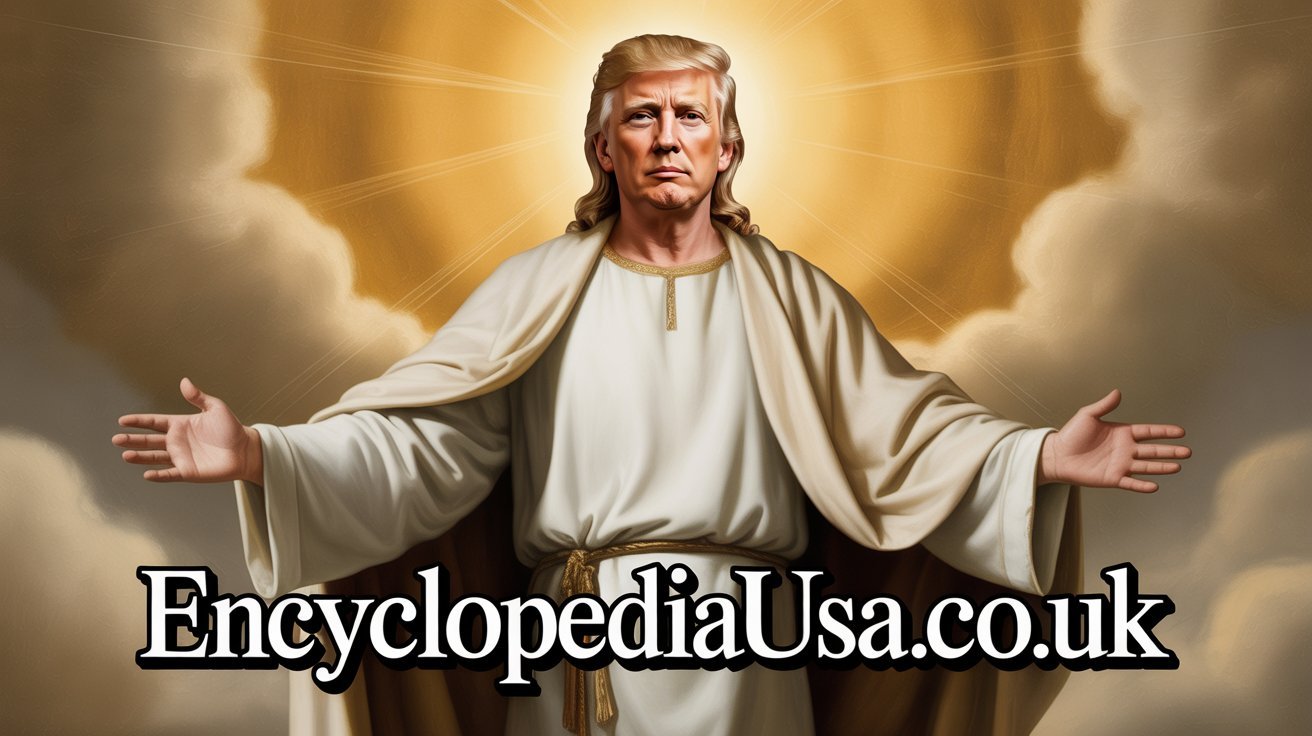
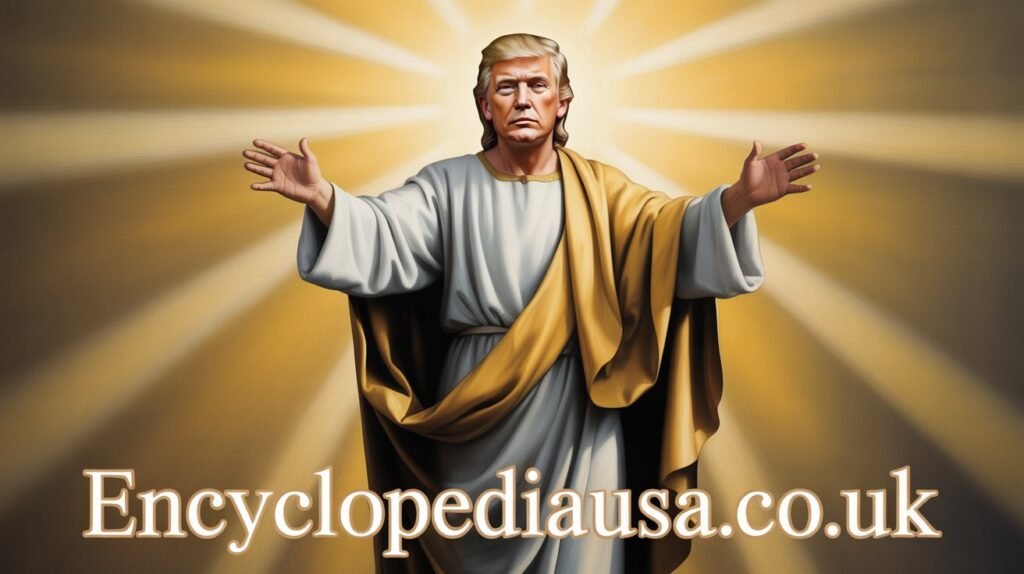
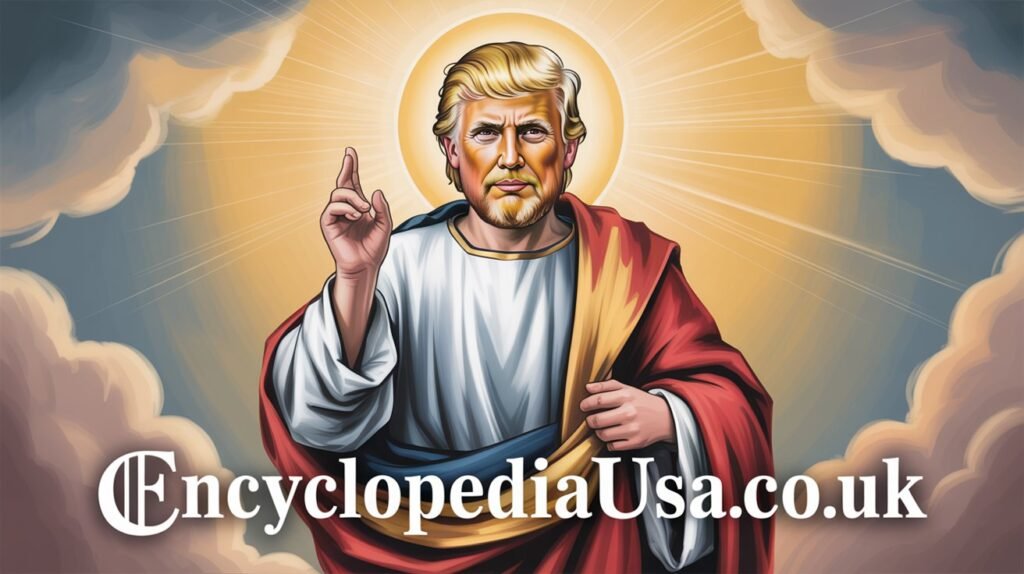
Some images directly position Trump as a messiah figure. These show him with halos, divine light, or heavenly backgrounds. The symbolism explicitly compares him to Jesus Christ.
Supporters who share these images often believe Trump was chosen by God. They see his presidency as fulfilling biblical prophecy. For them, the Trump Jesus image represents spiritual truth rather than political hyperbole.
Critics view these depictions as blasphemous. They argue comparing any political figure to Jesus violates fundamental Christian teachings. The controversy centers on whether such imagery crosses sacred boundaries.
Guardian Angel Depictions
Another common Trump Jesus image shows Jesus standing behind or beside Trump. These suggest divine protection and guidance. Jesus appears as Trump’s guardian or spiritual supporter.
These images appeal to believers who see Trump as imperfect but divinely chosen. The artwork acknowledges human flaws while asserting heavenly approval. This nuance makes them slightly less controversial than direct messianic comparisons.
However, critics still object strongly. They question why Trump specifically receives such divine favor in these depictions. The selective application of religious imagery to one political figure troubles many observers.
Biblical Scene Insertions
Some creators insert Trump into famous biblical scenes. He appears at the Last Supper, in nativity scenes, or during crucifixion imagery. These Trump Jesus image variations provoke especially intense reactions.
Supporters view these as powerful statements about Trump’s historical and spiritual significance. They believe his impact deserves comparison to biblical events. The imagery expresses deep conviction about his importance.
Critics see these insertions as profoundly disrespectful to Christianity. Replacing or adding Trump to sacred biblical moments strikes many as offensive. Religious leaders across denominations have condemned such depictions.
Satirical and Critical Versions
Not all Trump Jesus images come from supporters. Critics create satirical versions mocking what they perceive as excessive devotion. These use religious imagery to critique Trump’s followers.
Satirical versions often exaggerate messianic claims to absurd levels. They highlight contradictions between Christian values and Trump’s behavior. The humor serves as political and social commentary.
Distinguishing satirical Trump Jesus images from sincere ones proves difficult online. Context disappears as images spread. This ambiguity adds another layer to the controversy.
Supporter Perspectives on Trump Jesus Imagery
Understanding why some people embrace the Trump Jesus image requires examining their worldview. These perspectives reveal deeper beliefs about faith, politics, and America’s destiny.
Divine Selection Beliefs
Many Trump supporters believe God specifically chose him for presidency. They interpret his 2016 victory as miraculous or divinely ordained. This conviction makes Trump Jesus imagery feel appropriate to them.
Biblical references to flawed leaders chosen by God support this view. King David, despite his sins, remained God’s anointed. Supporters draw parallels between David’s story and Trump’s imperfections combined with divine favor.
The Trump Jesus image becomes visual shorthand for these theological beliefs. It communicates conviction that Trump’s leadership transcends normal politics. For believers, these depictions honor what they see as God’s will.
Culture War Symbolism
Some view the Trump Jesus image as a weapon in cultural battles. They believe secular forces attack traditional Christianity. Trump’s willingness to fight these battles makes him a religious defender.
The imagery signals allegiance in broader culture war struggles. Displaying Trump Jesus depictions announces values and tribal loyalty. The more offensive critics find them, the more powerful they become as symbols.
This combative use of religious imagery troubles many observers. It transforms sacred symbols into political ammunition. The Trump Jesus image becomes less about Jesus and more about partisan conflict.
Literal vs Symbolic Interpretation
Not all who share Trump Jesus images mean them literally. Some view them as symbolic expressions of support and gratitude. They don’t actually equate Trump with Jesus Christ.
However, the literal appearance of these images causes confusion. Viewers cannot easily distinguish metaphorical intent from actual theological claims. This ambiguity generates misunderstanding and criticism.
The question of how seriously to take the Trump Jesus image remains contentious. Supporters claim critics overreact to obvious symbolism. Critics argue the imagery itself crosses lines regardless of intent.
Critical Responses to Trump Jesus Depictions
Opposition to the Trump Jesus image comes from multiple perspectives. Critics span political and religious spectrums. Their objections reveal concerns about idolatry, blasphemy, and political manipulation.
Religious Objections
Many devout Christians strongly oppose Trump Jesus imagery. They view it as violating the second commandment against graven images. Comparing any human to Jesus Christ strikes them as fundamentally wrong.
Theologians note that Christianity teaches Jesus’s unique divine nature. No political leader, regardless of accomplishments, deserves comparison to Christ. The Trump Jesus image contradicts core Christian doctrine about Jesus’s singular role.
Some religious critics support Trump politically while opposing these depictions. They separate political approval from theological appropriateness. This distinction shows the controversy transcends simple partisan division.
Concerns About Idolatry
The Trump Jesus image raises idolatry concerns among religious observers. Christianity explicitly warns against worshiping anything or anyone besides God. Elevating political figures to divine status violates this principle.
Critics see these images as evidence of cult-like devotion. They worry supporters have replaced authentic faith with political tribalism. The Trump Jesus image symbolizes what they view as dangerous confusion between God and country.
Historical examples of political personality cults inform these concerns. Authoritarian movements often blur lines between leaders and divine authority. Critics fear America heading down similar paths.
Political and Ethical Criticism
Beyond religious objections, political critics attack the Trump Jesus image on ethical grounds. They point to behavior they consider incompatible with Christian values. The contrast between Jesus’s teachings and Trump’s actions seems glaring to them.
Issues like treatment of immigrants, personal morality, and truthfulness become focal points. Critics ask how someone can be compared to Jesus while violating His core teachings. The Trump Jesus image appears hypocritical from this perspective.
These critiques extend to broader questions about Christian nationalism. Critics worry the imagery represents dangerous fusion of national identity with religious authority. The Trump Jesus image symbolizes trends they find deeply troubling.
Psychological and Sociological Perspectives
Academics studying the Trump Jesus image phenomenon offer insights into human psychology and group dynamics. Their research reveals why these depictions resonate so powerfully.
Cognitive Dissonance Resolution
Psychologists explain that combining strong religious and political identities creates tension. When leaders don’t perfectly align with values, cognitive dissonance results. The Trump Jesus image helps resolve this psychological discomfort.
By depicting Trump with divine approval, supporters reconcile contradictions. If God chose Trump despite flaws, those flaws become less troubling. The imagery provides psychological relief from uncomfortable conflicts between faith and political support.
This mechanism operates largely unconsciously. People don’t deliberately create Trump Jesus images to manage cognitive dissonance. The psychological need drives cultural production without explicit awareness.
In-Group Signaling
Sociologists note how the Trump Jesus image functions as tribal marker. Displaying these depictions signals group membership. They communicate shared values and worldviews to like-minded individuals.
The controversy surrounding the imagery actually enhances its signaling power. The more outraged critics become, the more effectively images identify in-group members. Shared willingness to offend outsiders strengthens internal bonds.
This dynamic explains why criticism often backfires. Attempts to shame people away from Trump Jesus images can reinforce their use. The controversy itself becomes valuable for group cohesion.
Authority and Leadership Worship
Human tendency toward authority worship predates modern politics. People throughout history elevated leaders to superhuman status. The Trump Jesus image reflects these deep psychological patterns.
Strong leaders attract devotion that transcends rational assessment. Followers project ideal qualities onto them regardless of reality. This phenomenon appears across cultures and throughout time.
Understanding these psychological tendencies doesn’t excuse concerning behavior. However, it explains why the Trump Jesus image emerges despite obvious contradictions. Human psychology makes such imagery almost inevitable for charismatic leaders.
Media Coverage and Public Discourse
How media outlets cover the Trump Jesus image shapes public understanding. Different news sources frame the phenomenon in contrasting ways.
Conservative Media Treatment
Conservative outlets often minimize the Trump Jesus image controversy. They frame criticism as liberal overreaction or religious persecution. Coverage emphasizes supporters’ free expression rights.
Some conservative commentators defend the imagery as harmless symbolism. They argue critics deliberately misinterpret obvious metaphors. The controversy becomes evidence of anti-Christian bias rather than legitimate concern.
This framing resonates with audiences already skeptical of mainstream media. The Trump Jesus image becomes another example of unfair treatment. Coverage reinforces existing political divisions rather than promoting understanding.
Progressive Media Analysis
Liberal media sources typically present the Trump Jesus image as alarming. They emphasize religious objections and draw authoritarian parallels. Coverage highlights critics within evangelical Christianity itself.
These outlets focus on contradictions between Trump’s behavior and Christian values. They question the sincerity of religious supporters who embrace such imagery. The Trump Jesus image becomes evidence of hypocritical faith.
This framing satisfies audiences already critical of Trump. However, it likely reinforces support among those who feel unfairly attacked. The coverage contributes to polarization rather than dialogue.
International Perspectives
Foreign media coverage often expresses bewilderment at the Trump Jesus image phenomenon. International observers struggle to understand American Christian nationalism. The imagery seems bizarre from outside cultural contexts.
European journalists frequently compare it to authoritarian personality cults. They draw historical parallels that alarm American critics. These international perspectives offer valuable outside viewpoints.
However, cultural differences limit full understanding. The unique American blend of religion and politics defies easy categorization. International coverage captures strangeness while sometimes missing nuance.
Impact on Religious Communities
The Trump Jesus image affects religious communities in complex ways. It creates divisions and forces difficult conversations about faith and politics.
Evangelical Community Splits
American evangelicalism has fractured partly over Trump-related issues. The Trump Jesus image symbolizes deeper disagreements about Christian political engagement. Some evangelicals embrace it while others recoil.
Younger evangelicals particularly question such imagery. They see it as embarrassing and theologically problematic. Generational divides within evangelical communities often center on these symbolic issues.
The controversy reveals broader tensions about evangelicalism’s future direction. Whether the Trump Jesus image represents authentic faith or dangerous distortion remains hotly contested within these communities themselves.
Catholic and Mainline Protestant Responses
Catholic and mainline Protestant leaders generally condemn Trump Jesus imagery. Their theological traditions emphasize avoiding idolatry and maintaining proper reverence. These depictions violate their religious sensibilities.
Official denominational statements rarely mention Trump specifically. However, general warnings about political idolatry clearly address such imagery. Religious authorities worry about faith being weaponized politically.
Lay members of these traditions show more division. Some share evangelical support for Trump Jesus images. Others align with official teachings opposing them. The controversy cuts across traditional denominational lines.
Interfaith Implications
Non-Christian observers watch the Trump Jesus image controversy with various reactions. Some see it confirming Christian hypocrisy. Others sympathize with religious believers disturbed by the imagery.
Jewish commentators often note parallels to golden calf idolatry. Muslim observers point to Islamic prohibitions on depicting prophets. The controversy offers opportunities for interfaith dialogue about religious imagery and political power.
These outside perspectives provide valuable insights. They highlight aspects Christians immersed in the controversy might miss. Interfaith conversations around the Trump Jesus image can promote mutual understanding.
Legal and Ethical Considerations
The Trump Jesus image raises questions about free expression, copyright, and ethical boundaries. These practical considerations affect how imagery spreads and evolves.
First Amendment Protections
Creating and sharing Trump Jesus images clearly falls under free speech protections. The First Amendment allows even offensive religious and political expression. Legal restrictions would face constitutional challenges.
However, private platforms can moderate content differently. Social media companies set their own standards for religious imagery. Some remove particularly controversial Trump Jesus images while allowing others.
This creates inconsistent enforcement that frustrates all sides. Supporters claim censorship while critics see inadequate moderation. The tension between free expression and platform standards continues evolving.
Copyright and Fair Use
Many Trump Jesus images incorporate copyrighted artwork. They remix famous paintings, photographs, or other creative works. This raises complex copyright questions.
Fair use doctrine protects transformative political and artistic commentary. However, commercial use of Trump Jesus images might violate copyright. The legal lines remain unclear in many cases.
Artists whose work gets appropriated sometimes object strongly. Seeing their Christian art transformed into Trump Jesus images disturbs many creators. Legal remedies exist but enforcement proves difficult online.
Ethical Boundaries in Political Imagery
Beyond legal questions, ethical considerations surround the Trump Jesus image. Where should boundaries exist between acceptable and inappropriate political symbolism? Who decides these limits?
Some argue any restrictions violate free expression principles. Others insist certain sacred symbols deserve protection from political exploitation. This philosophical debate has no easy resolution.
Religious communities continue wrestling with these questions internally. How should believers respond to imagery they find offensive? The answers vary widely even among those sharing basic theological commitments.
Cultural and Historical Context
Placing the Trump Jesus image in broader context reveals it’s not entirely unprecedented. American history includes similar mixing of religion and politics.
American Civil Religion
Sociologists describe American civil religion as blending national identity with religious language. Presidents invoke God frequently. National monuments resemble temples. This tradition creates fertile ground for Trump Jesus imagery.
Civil religion typically maintains distance from explicit theological claims. The Trump Jesus image crosses lines that civil religion usually respects. It moves beyond general religious language to specific Christian symbolism.
This boundary crossing explains much of the controversy. The Trump Jesus image violates unwritten rules about how far civil religion should extend. It makes implicit connections explicit in uncomfortable ways.
Historical Political Iconography
American history includes presidential imagery borrowing religious symbolism. Washington appeared in heaven-like scenes. Lincoln’s death was compared to crucifixion. These precedents provide some context for the Trump Jesus image.
However, historical religious imagery typically emerged after presidencies ended. It represented national mourning or historical judgment. The Trump Jesus image appears during and immediately after his presidency, serving different purposes.
The speed and explicitness also differ dramatically. Modern technology enables instant creation and distribution. The Trump Jesus image saturates culture in ways historical religious political imagery never could.
Comparative International Examples
Other countries have experienced similar phenomena. Leaders in Russia, Philippines, and elsewhere receive messianic treatment from supporters. The Trump Jesus image fits international patterns of authoritarian personality cultivation.
These comparisons trouble American critics who see exceptionalism threatened. They worry the United States adopting patterns associated with less democratic nations. The imagery symbolizes potential democratic backsliding.
Supporters reject these comparisons as unfair. They view the Trump Jesus image as unique American expression rather than authoritarian mimicry. The debate about proper historical parallels continues intensely.
Moving Forward: Navigating the Controversy
The Trump Jesus image controversy won’t disappear soon. Finding constructive ways forward requires effort from all perspectives.
Promoting Thoughtful Dialogue
Conversation about the Trump Jesus image typically generates more heat than light. Creating space for genuine dialogue remains challenging but necessary. People need opportunities to understand different perspectives.
Religious communities can model respectful disagreement. Churches and faith groups should facilitate discussions acknowledging multiple viewpoints. These conversations help members think critically about faith and politics.
Educational institutions also play important roles. Teaching media literacy helps people analyze imagery critically. Understanding how symbols function prevents manipulation while respecting sincere beliefs.
Respecting Diverse Perspectives
Not everyone will agree about the Trump Jesus image. Respecting this reality while maintaining convictions proves difficult but essential. Dismissing all supporters as idolaters or all critics as persecutors prevents understanding.
Supporters deserve acknowledgment that many have sincere faith motivations. Critics deserve recognition that theological concerns are legitimate. Mutual respect doesn’t require agreement but enables coexistence.
This respect should extend to setting healthy boundaries. You can disagree strongly with the Trump Jesus image while respecting others’ rights to create it. You can support it while understanding others’ genuine offense.
Individual Reflection and Discernment
Everyone should reflect personally on how they engage with political and religious imagery. What do your reactions to the Trump Jesus image reveal about your values? How do politics and faith interact in your life?
These questions have no universal answers. However, wrestling with them promotes spiritual and intellectual growth. The controversy provides opportunity for deeper self-examination.
Consider what imagery you share and why. Think about how your expressions might affect others. Reflect on whether your political engagement strengthens or compromises your faith commitments.
Conclusion
The Trump Jesus image phenomenon reveals deep divisions in American culture. These depictions force confrontation with questions about faith, politics, idolatry, and free expression. No simple answers exist to the complex issues they raise.
Whether you find these images inspiring, offensive, or confusing, they matter culturally. The Trump Jesus image symbolizes broader tensions about Christianity’s role in public life. It represents debates about appropriate political devotion and religious boundaries.
Understanding different perspectives doesn’t require abandoning your convictions. However, it enables more productive engagement with those who disagree. The controversy offers opportunities for growth if approached thoughtfully.
Moving forward, Americans must navigate these tensions carefully. Respecting both religious sensibilities and free expression proves challenging. Finding balance requires good faith effort from all sides.
The Trump Jesus image will likely remain controversial indefinitely. Your task isn’t resolving the debate but engaging it thoughtfully. Consider your own relationship with political and religious imagery. Think about how faith and citizenship intersect in your life.
What do you think appropriate boundaries should be between religious and political imagery? How do you navigate your own faith commitments alongside political engagement? These questions deserve continued reflection and honest conversation.
Frequently Asked Questions
Is creating Trump Jesus images considered blasphemy?
Many Christians consider Trump Jesus imagery blasphemous because it violates commandments against idolatry and taking God’s name in vain. However, others view it as symbolic political expression rather than literal theological claims. Theological perspectives vary significantly across denominations and individual believers. The question ultimately depends on your religious tradition and personal convictions.
Who creates Trump Jesus images and why?
Both supporters and critics create these images for different purposes. Supporters produce them to express belief in Trump’s divine selection or protection. Critics create satirical versions mocking what they see as excessive devotion. Some artists make them as genuine religious expression while others use them for political commentary. The motivations behind Trump Jesus imagery are diverse and sometimes contradictory.
Are Trump Jesus images illegal or banned anywhere?
In the United States, First Amendment protections cover Trump Jesus imagery regardless of offensiveness. No legal bans exist on creating or sharing these depictions. However, private social media platforms can remove content violating their terms of service. Some platforms moderate particularly controversial religious imagery while others allow it freely.
How do religious leaders respond to Trump Jesus depictions?
Most mainstream religious leaders condemn Trump Jesus imagery as inappropriate mixing of faith and politics. Catholic, mainline Protestant, and many evangelical authorities discourage such depictions. However, some religious figures defend them as legitimate political expression. Religious leadership remains divided, though opposition predominates among established denominational authorities.
Do Trump Jesus images only appear in America?
While most prevalent in the United States, Trump Jesus imagery appears internationally wherever Trump has supporters. However, the phenomenon primarily reflects American Christian nationalism and unique religious-political culture. International versions exist but lack the cultural resonance they carry within American contexts.
Can sharing Trump Jesus images be considered worship?
Whether sharing Trump Jesus images constitutes worship depends on intent and theology. Some critics argue any elevation of political figures to Christ-like status represents idolatry. Supporters typically claim they’re expressing political support rather than religious worship. The distinction between honoring and worshiping remains theologically contentious.
How has the Trump Jesus image affected American Christianity?
The imagery has deepened divisions within American Christianity about political engagement. It symbolizes broader debates about Christian nationalism and appropriate faith expression. Some argue it damages Christian witness while others see it as legitimate religious-political synthesis. The long-term impact on American Christianity continues unfolding.
Are there similar images of other politicians compared to Jesus?
Historical examples exist of various leaders receiving religious imagery, though rarely as explicitly as Trump Jesus depictions. Some Obama supporters created similar imagery during his presidency. However, the scale, explicitness, and cultural impact of Trump Jesus images appear unprecedented in recent American politics.
What should I do if Trump Jesus images offend me?
If these images offend you, consider engaging thoughtfully rather than reactively. You might discuss concerns with those who share them, seeking understanding. Supporting religious education about idolatry provides constructive response. However, accepting that legal imagery you find offensive exists represents necessary tolerance in diverse democracies.
Will Trump Jesus images continue appearing after his political career?
Historical patterns suggest religious political imagery often increases after leaders leave office. However, Trump’s unique ongoing political presence makes predictions difficult. The images will likely persist among devoted supporters while potentially decreasing in mainstream circulation. Their long-term cultural presence remains uncertain.
Also Read: Encyclopediausa.co.uk
Author Bio: John Harwen
A cultural analyst and writer specializing in the intersection of religion, politics, and American society. With background in religious studies and political science, the author examines how faith and civic life interact in contemporary culture. Committed to presenting multiple perspectives fairly while providing thoughtful analysis of controversial cultural phenomena.