

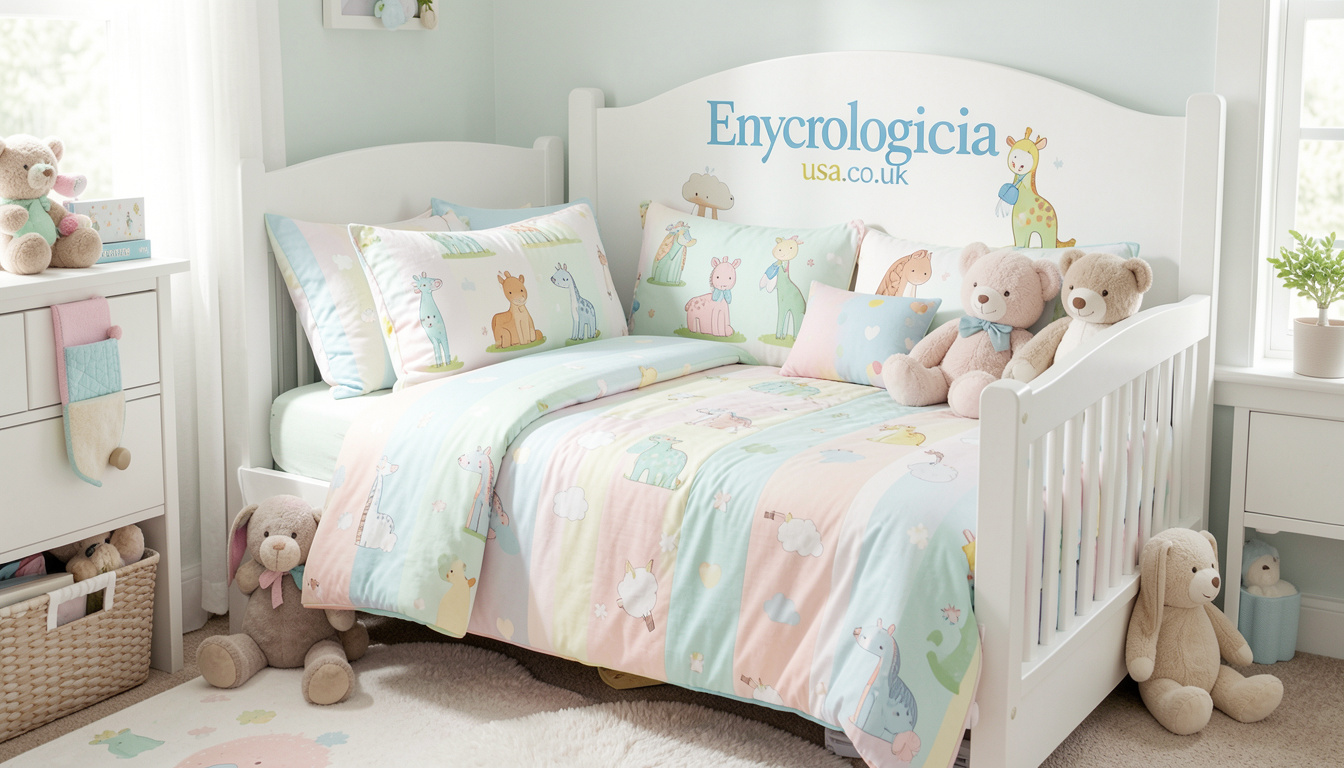
The Best Toddler Bed Guide Every Parent Desperately Needs
Introduction
Making the switch from a crib to a toddler bed is one of those parenting milestones that feels exciting and terrifying at the same time. Your little one is growing up, and suddenly their cozy crib just does not cut it anymore. Maybe they have been climbing out. Maybe a new baby is on the way. Or maybe your child simply started refusing to sleep in it. Whatever the reason, the transition to a toddler bed is a big deal for both of you.
A toddler bed is specifically designed for children between the ages of 18 months and 5 years. It is low to the ground, sized for small bodies, and built with safety rails to prevent nighttime tumbles. Choosing the right one, though, requires more than just picking something cute. You need to think about safety, durability, sizing, and your child’s specific personality.
In this guide, you will find everything you need to make a confident, informed decision. From knowing when to make the switch to setting up the perfect sleep environment, this article has you covered.
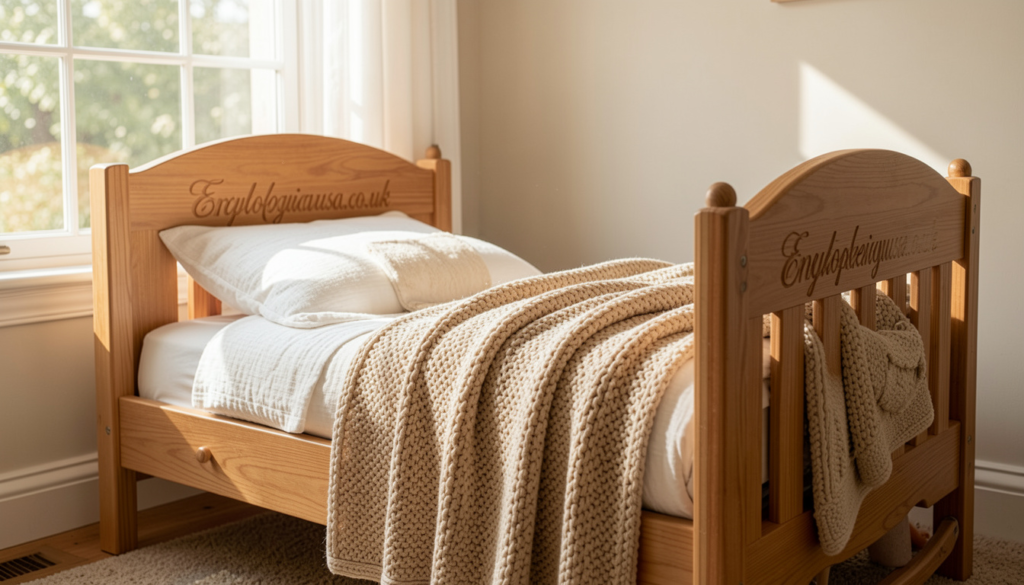
When Is the Right Time to Switch to a Toddler Bed?
There is no universal answer to this question, but most pediatricians and sleep experts suggest transitioning between 18 months and 3 years of age.
The American Academy of Pediatrics recommends moving your child to a toddler bed when they reach 35 inches in height or when they begin climbing out of the crib. Both of these situations present real safety concerns. A child who climbs out of a crib can fall and get seriously hurt.
Here are a few signs your child is ready:
- They are climbing out of the crib regularly
- They are 35 inches tall or taller
- They are showing interest in a “big kid” bed
- A new sibling needs the crib
- They are potty training and need easy nighttime access to the bathroom
Do not rush the transition just because a sibling is on the way. If possible, make the switch at least six to eight weeks before the new baby arrives. This gives your toddler time to adjust without associating the change with being “replaced.”
What Makes a Good Toddler Bed?
Not all toddler beds are created equal. A good toddler bed should combine safety, comfort, and longevity. Here is what to look for before you buy.
Safety Rails and Low Height
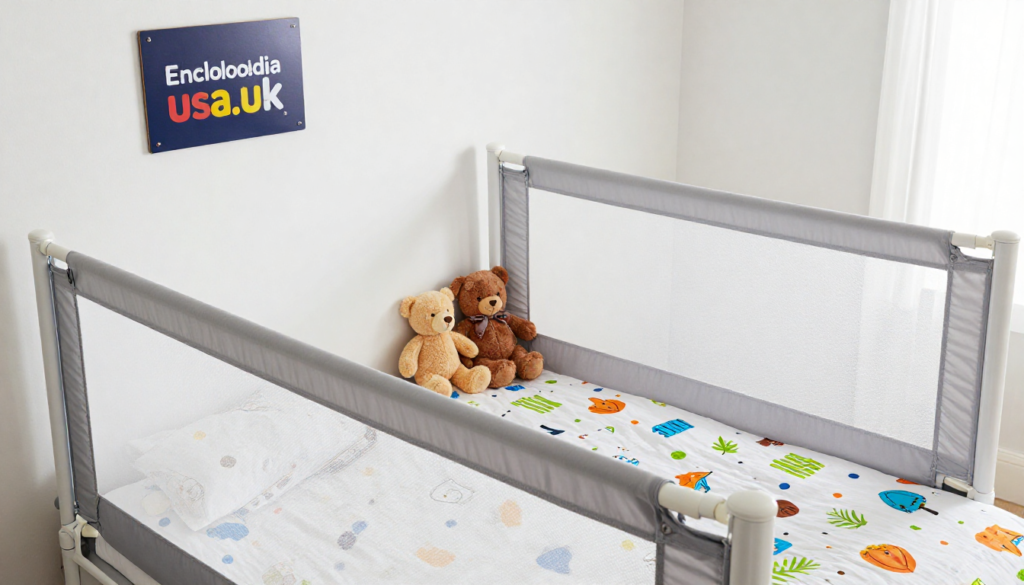
A toddler bed should be close to the floor. This reduces the risk of injury if your child rolls out during the night. Most quality toddler beds sit between 6 and 10 inches off the ground. Built-in safety rails on both sides are essential, especially in the beginning.
Standard Mattress Compatibility
Most toddler beds use a standard crib mattress, which measures 28 inches by 52 inches. This is great news because you can often reuse the mattress your child already sleeps on. The familiar feel and smell can actually help them settle in faster.
Sturdy and Non-Toxic Materials
Look for beds made from solid wood or high-quality engineered wood. Avoid anything that wobbles or has sharp edges. Check that the product is JPMA certified (Juvenile Products Manufacturers Association), which means it has passed independent safety testing. All paints and finishes should be non-toxic.
Weight Limit
Most toddler beds support up to 50 pounds. Check the manufacturer’s weight limit before buying, especially if your child is on the larger side for their age.
Convertible Options
Some toddler beds convert into a full-size twin bed as your child grows. These are a smarter long-term investment, even though they cost a bit more upfront.
Types of Toddler Beds You Will Find
Walking into a furniture store or browsing online, you will see dozens of styles. Here is a quick breakdown.
Standard Toddler Bed
This is the most common type. It is simple, low to the ground, and uses a standard crib mattress. Great for parents who want something functional and affordable.
Convertible Toddler Bed
This type starts as a toddler bed and can later convert into a twin or full-size bed. If you want to spend money once and not again in two years, this is a solid choice.
Themed Toddler Bed
Shaped like a race car, a princess carriage, or a spaceship, these beds are all about making bedtime exciting. Kids love them. They can also motivate reluctant sleepers to actually want to go to bed.
Floor Bed (Montessori Style)
A floor bed is essentially a mattress placed directly on the floor, with no frame at all. The Montessori philosophy supports this approach because it gives children freedom of movement and builds independence. Some parents swear by it. Others prefer the structure of a traditional frame.
Loft Toddler Bed
These are elevated beds with a play space or storage underneath. They are best suited for children 3 years and older who have solid coordination and balance.
How to Set Up a Safe Sleep Space
Buying the right toddler bed is only half the job. Setting it up correctly is just as important.
Place the bed away from windows, blinds, and any hanging cords. Cords from blinds and curtains are serious strangulation hazards. Keep the bed away from heaters and radiators too.
Use a firm, flat mattress that fits snugly in the frame with no gaps. A gap between the mattress and the frame is a risk for entrapment.
Keep the sleep environment simple. Remove stuffed animals, heavy blankets, and pillows from the bed for children under 2. For older toddlers, a lightweight blanket and one small pillow is plenty.
Consider a nightlight. Many toddlers feel anxious sleeping in a new setup. A soft, warm nightlight can make the room feel safer without disrupting melatonin production.
Add a baby monitor if you no longer use one. With newfound freedom to get out of bed, your toddler may wander at night. A monitor helps you catch this quickly.
Making the Transition Smooth and Stress-Free
Here is where a lot of parents struggle. The toddler bed itself is not the hard part. Getting your child to actually stay in it is.
Involve your child in the process. Let them pick out their sheets or a new pillow. Give them ownership. When kids feel like something was their idea (or at least their choice), they are far more likely to cooperate.
Keep the same bedtime routine. Consistency is everything for toddlers. Bath time, a story, a song, lights out. Do not change the routine just because the bed changed. The familiar sequence signals to their brain that sleep is coming.
Use positive reinforcement. Praise your child when they stay in bed all night. A simple sticker chart works incredibly well with toddlers. After five nights in a row, they earn a small reward.
Expect regression. The first few weeks can be rough. Your child may get out of bed repeatedly, come to your room, or have trouble falling asleep. This is completely normal. Be patient and consistent. It usually takes two to three weeks to settle into a new sleep pattern.
I always recommend setting up the toddler bed in the room a few days before the official switch. Let your child play on it, sit on it, and read on it during the day. By the time bedtime comes, it already feels familiar.
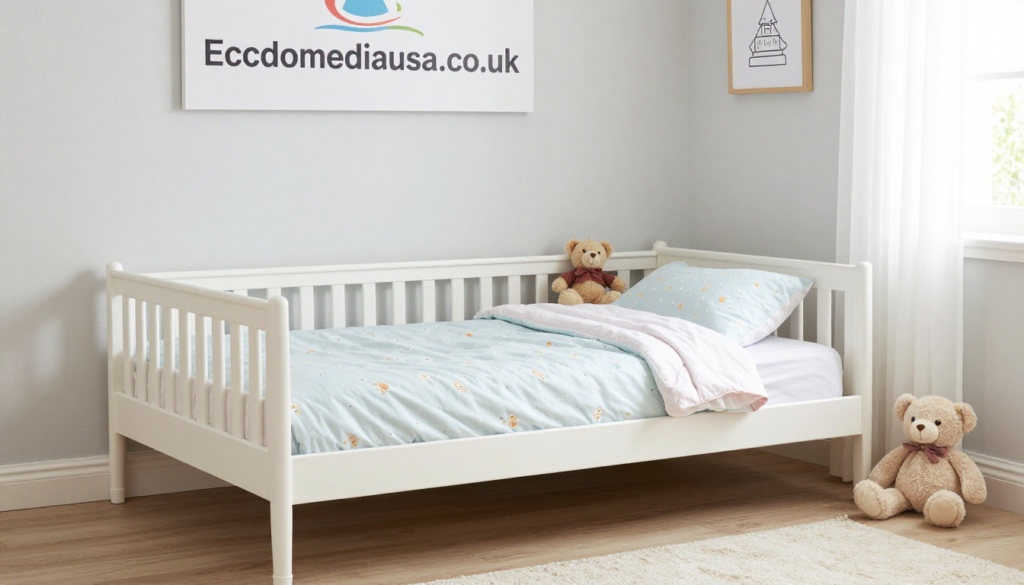
Top Features to Compare Before You Buy
Use this checklist when shopping:
- Height from floor: Lower is safer
- Side rail height: Should be at least 5 inches above the mattress
- Mattress included or sold separately: Most do not include one
- Assembly difficulty: Read reviews for honest opinions
- Material quality: Solid wood beats particleboard
- Weight limit: Should exceed your child’s current weight
- Warranty: Look for at least one year
- Certifications: JPMA, ASTM, or CPSC certified
- Convertibility: Twin conversion adds value
How Much Should You Spend on a Toddler Bed?
Prices range from around $80 for basic models to over $500 for high-end convertible frames or premium wood designs.
For most families, spending between $150 and $300 gets you a solid, safe, and attractive toddler bed that will last through the toddler years and possibly beyond. If budget is tight, look for secondhand options on Facebook Marketplace or local buy and sell groups. Just always check for recalls on the CPSC (Consumer Product Safety Commission) website before buying used.
Common Mistakes Parents Make
Even well-meaning parents make avoidable mistakes when transitioning to a toddler bed. Here are the most common ones:
Switching too early. Before 18 months, most children are not developmentally ready. They may not understand limits and will repeatedly get out of bed.
Skipping the guardrails. Some parents remove the rails too soon because the child asks for it. Keep them on for at least the first six months.
Changing too many things at once. Do not move your child to a new room, change their sleep schedule, and introduce a toddler bed all at the same time. One change at a time works far better.
Using adult bedding. Fluffy duvets and large pillows are not safe for young toddlers and can disrupt sleep quality. Stick to toddler-sized bedding.
Not childproofing the room. With a toddler bed comes toddler freedom. Make sure the room is safe for unsupervised nighttime movement.
Conclusion
Choosing a toddler bed is one of those decisions that seems small but has a big impact on your child’s safety, sleep quality, and sense of independence. The right toddler bed fits your child’s size, your budget, and your home’s needs. More importantly, the right transition sets your little one up for confident, restful nights.
Take your time, involve your child, and trust the process. Sleep disruptions during the switch are temporary, but the habits and sense of security you build now will last for years.
Have you already made the switch, or are you still in the planning stage? Drop a comment and let other parents know what worked for you. Your experience might be exactly what another family needs to hear.
FAQs About Toddler Beds
1. What age is a toddler bed for? A toddler bed is designed for children between 18 months and 5 years old. Most kids transition to a twin or full bed around age 5 or when they outgrow the toddler mattress size.
2. Can I use a crib mattress in a toddler bed? Yes. Most toddler beds are designed to use a standard crib mattress (28 x 52 inches). This makes the transition easier since your child keeps their familiar mattress.
3. Do toddler beds come with mattresses? Most toddler beds do not include a mattress. You purchase the frame and mattress separately. Always check the dimensions before buying a mattress.
4. How long does a child use a toddler bed? Typically two to three years. Children usually outgrow a toddler bed by age 4 or 5 and move to a twin or full-size bed.
5. What is the weight limit on a toddler bed? Most standard toddler beds support up to 50 pounds. Always check the specific weight limit listed by the manufacturer.
6. Are toddler beds safe? Yes, when properly assembled and used correctly. Look for beds that meet ASTM or CPSC safety standards. Keep guardrails on and ensure the mattress fits snugly with no gaps.
7. What is the difference between a toddler bed and a twin bed? A toddler bed uses a crib-sized mattress and sits very low to the ground. A twin bed is significantly larger (38 x 75 inches) and sits higher. Toddler beds are designed specifically for young children’s proportions.
8. Should I get a convertible toddler bed? If your budget allows, yes. A convertible toddler bed grows with your child and saves money in the long run by eventually becoming a twin or full-size bed.
9. My toddler keeps getting out of bed at night. What should I do? This is very common in the first few weeks. Be consistent. Calmly return them to bed each time without engaging in conversation or play. It usually resolves within two to three weeks.
10. Can a 1-year-old sleep in a toddler bed? Most experts recommend waiting until at least 18 months. Before that age, a crib is safer and more developmentally appropriate. Talk to your pediatrician if you are unsure about your child’s readiness.
Also Read In Encyclopediausa.co.uk
Email: johanharwen314@gmail.com
Author Name: Johan Harwen
About the Author: Johan Harwen is a parenting writer and child development enthusiast with over a decade of experience covering topics related to early childhood, sleep health, and family lifestyle. Johan has written for numerous parenting platforms and is passionate about helping families navigate the early years with confidence and clarity. When he is not writing, he enjoys spending time outdoors with his two young children and experimenting with family-friendly recipes in the kitchen.
