
White Gold Chain: The Stunning Truth You Must Know Before Buying in 2026
Introduction
You have probably seen it on a celebrity, a friend, or in a jeweler’s window — that clean, brilliant shine of a white gold chain. It looks like platinum. It feels luxurious. And honestly, it never goes out of style.
A white gold chain is one of the most popular jewelry choices today, and for good reason. It pairs with everything, works for both men and women, and carries a timeless elegance that yellow gold sometimes cannot match. But here is the thing — not all white gold chains are created equal. The wrong choice can leave you with a piece that tarnishes quickly, irritates your skin, or simply does not hold its value.
In this article, you will learn exactly what white gold is, how to choose the right chain, what karat and plating mean for your purchase, and how to take care of your chain so it lasts a lifetime. Whether you are buying your first piece or upgrading your collection, this guide has you covered.
What Is a White Gold Chain, Really?
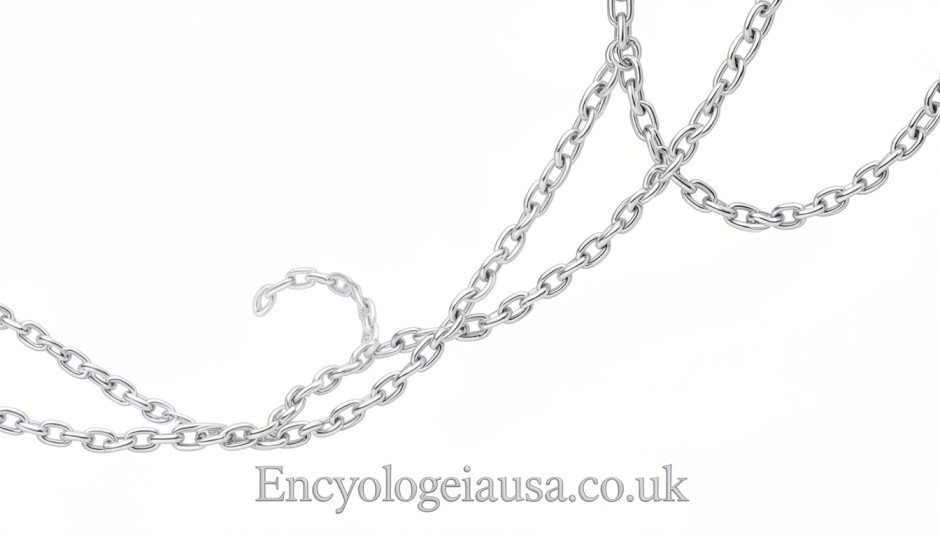
A lot of people assume white gold is a completely separate metal. It is not. White gold is actually yellow gold mixed with white metals like palladium, silver, or nickel. The mixing process, called alloying, lightens the natural warm yellow color of pure gold.
After alloying, most white gold chains get a final coating of rhodium. Rhodium is a rare, bright-white metal from the platinum family. It gives white gold that mirror-like shine and protects the surface from scratches. Without rhodium plating, white gold would actually look slightly grayish or off-white.
So when you buy a white gold chain, you are buying a layered piece of craftsmanship — alloy at its core, rhodium on the surface. Both layers matter.
Why People Choose White Gold Over Yellow Gold
White gold has surged in popularity over the last two decades. Here is why so many buyers prefer it:
- It looks similar to platinum but costs significantly less.
- It has a modern, sleek appearance that suits minimalist styles.
- It works beautifully as a setting for diamonds and other white gemstones.
- It tends to look clean and professional in formal settings.
- It pairs effortlessly with silver-toned watches and accessories.
If you love a cool, metallic look without paying platinum prices, white gold is your best option.
Understanding Karats: 10K, 14K, and 18K White Gold Chains
When you shop for a white gold chain, you will always see a karat number. This number tells you how much pure gold is in the piece. And it matters more than most buyers realize.
10K White Gold Chain
A 10K white gold chain contains 41.7% pure gold. The rest is alloy metals. It is the most affordable option and also the most durable because it has more alloy mixed in. However, the lower gold content means it can sometimes cause skin irritation, especially if the alloy contains nickel. It also has a slightly less rich color compared to higher karat options.
Best for: Budget buyers, everyday wear, active lifestyles.
14K White Gold Chain
A 14K white gold chain contains 58.3% pure gold. This is the sweet spot for most buyers. It balances cost, durability, and quality. You get a piece that is strong enough for daily wear but rich enough in gold to look premium. Most fine jewelry sold in the United States falls in this category.
Best for: Everyday elegance, gifts, first-time buyers.
18K White Gold Chain
An 18K white gold chain contains 75% pure gold. It is the most luxurious option and has the richest appearance. However, it is also softer and more prone to scratches because of the higher gold content. It sits at a higher price point but is worth it for special occasions or investment pieces.
Best for: Special occasions, collectors, those with sensitive skin.
Chain Styles: Which One Fits You Best?
The style of your white gold chain changes everything about how it looks and feels. Here is a breakdown of the most popular options.
Cable Chain
The cable chain is the classic. It features round or oval links connected in a simple, uniform pattern. It is clean, versatile, and works on its own or with a pendant. Most people buy their first chain in a cable style.
Figaro Chain
The Figaro chain alternates between two or three small links and one longer link. It has Italian roots and a bold, structured look. Many men prefer it because it has a strong visual presence without being too heavy.
Rope Chain
The rope chain twists multiple strands of metal together to create a texture that resembles a real rope. It catches light beautifully and looks thick and substantial even at lighter weights. If you want drama without a pendant, a rope chain delivers.
Box Chain
The box chain uses square links connected at right angles. It has a geometric, modern look and is one of the strongest chain styles available. It is a great choice if you plan to hang a pendant because it resists kinking well.
Franco Chain
The Franco chain is a four-sided chain with V-shaped links. It is a favorite in men’s jewelry because it looks bold and feels solid. It is also very resistant to breaking and bending.
Snake Chain
The snake chain uses flat, smooth, rounded plates or rings to create a continuous, flexible surface. It looks sleek and almost liquid when it moves. It is better worn alone rather than with a pendant, as the style can kink at attachment points.
How to Choose the Right Length
Chain length changes the entire look of a piece. Here is a simple guide:
- 14 to 16 inches: Sits at or above the collarbone. Looks delicate and elegant. Works well for women.
- 18 inches: The most popular length. Sits just below the collarbone. Works for both men and women.
- 20 inches: Falls near the chest. Gives a relaxed, layered look.
- 22 to 24 inches: Falls near the sternum. Works well for men and for longer pendants.
- 30 inches and above: Long statement chains. Great for layering or oversized pendants.
If you are buying a chain as a gift and are unsure, go with 18 inches. It suits almost everyone.
What Does Rhodium Plating Mean for Long-Term Wear?
This is one of the most important things to understand about your white gold chain. Rhodium plating is not permanent. Over time, it wears off, especially on pieces you wear daily. When it fades, the underlying metal shows through, and it can look yellowish or dull.
The good news is that rhodium replating is simple and affordable. Most jewelers charge between $40 and $100 to replate a chain, and it makes the piece look brand new. How often you need to replate depends on how frequently you wear it, your skin chemistry, and how much contact it makes with water, sweat, and chemicals.
Here are some easy habits to extend the life of your rhodium plating:
- Remove your chain before swimming or showering.
- Avoid contact with perfumes, lotions, and cleaning products.
- Store it separately from other jewelry to avoid scratching.
- Wipe it gently with a soft cloth after wearing.
White Gold vs. Platinum: Know Before You Spend
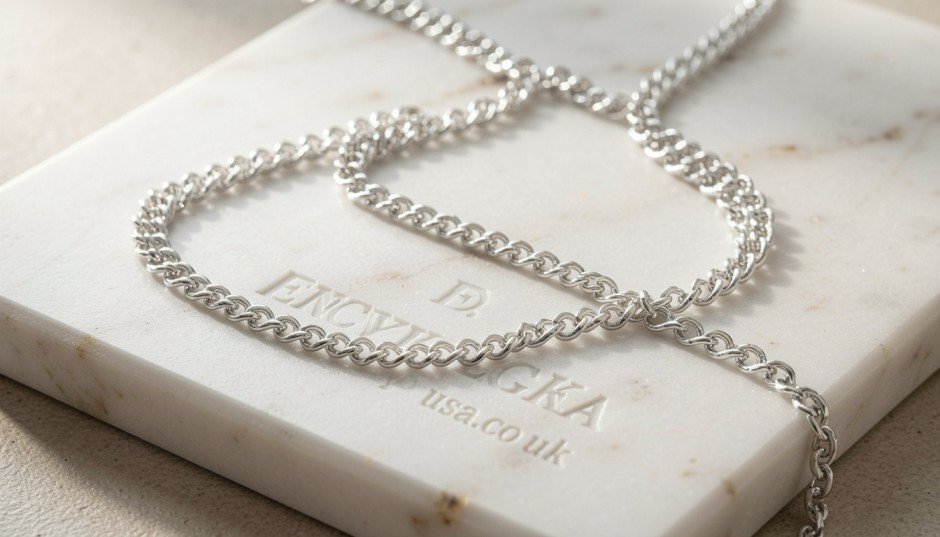
A lot of buyers confuse white gold and platinum. They look similar, but they are very different materials with different price points.
Platinum is a naturally white metal that does not need plating. It is denser and more durable than white gold. It is also significantly more expensive, often two to three times the price of white gold. Platinum develops a patina over time, which some buyers love and others do not.
White gold needs rhodium plating to maintain its color, but it costs far less and is more widely available. For most buyers, a white gold chain gives them the look of platinum without the steep price tag.
If you are on a moderate budget but want the clean white-metal aesthetic, white gold is your answer.
How to Spot a Quality White Gold Chain
Not every chain at every price point offers real value. Here is how to evaluate quality before you buy.
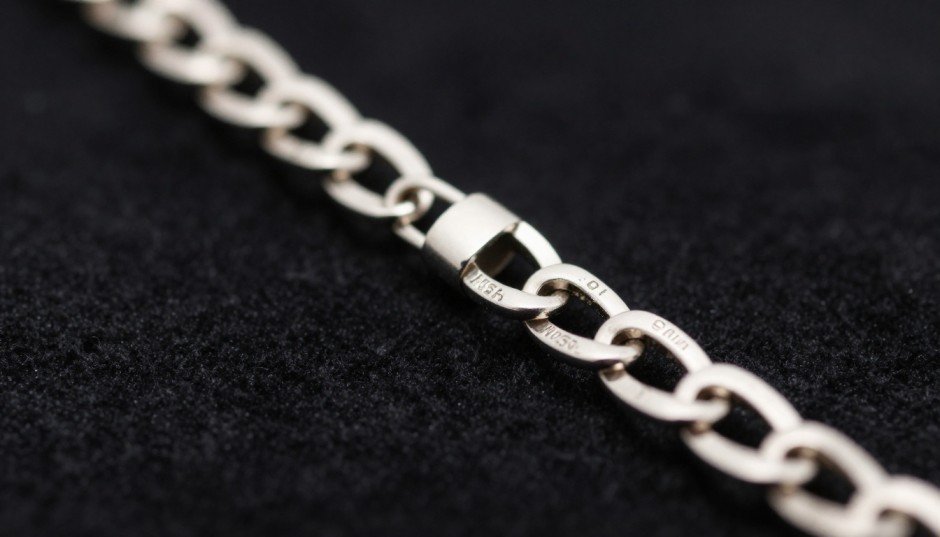
Check the hallmark. A legitimate white gold chain will have a stamp — usually inside the clasp or on a small tag — indicating its karat (10K, 14K, 18K). In many countries, this stamp is legally required.
Test the weight. A good chain has noticeable weight. Hollow chains are lighter and less durable. Solid chains cost more but last longer.
Examine the clasp. The clasp is the part that fails first. Look for a lobster claw or spring ring clasp made from the same metal. Cheap clasps break easily and lead to lost chains.
Look at the link connections. Quality chains have smooth, even links with no rough edges or visible gaps. Rough finishing suggests poor craftsmanship.
Ask about the rhodium. A quality jeweler will confirm the piece is rhodium-plated and will tell you when it might need replating. If they do not mention it, ask.
White Gold Chain for Men vs. Women: Is There a Difference?
The honest answer is that the main differences are in width, length, and style preference rather than any rule about who can wear what.
Men tend to prefer wider chains, heavier weights, and bolder styles like Franco or Figaro. Popular lengths for men are 20 to 24 inches.
Women often gravitate toward finer, more delicate chains like cable or snake styles. Lengths of 16 to 18 inches are common, especially for wearing with pendants.
That said, jewelry is personal. Wear what makes you feel confident. Many women love chunky chains, and many men wear slim, minimal chains. There are no wrong answers.
Price Guide: What Should You Actually Pay?
Price varies based on karat, weight, style, and brand. Here is a general guide to set your expectations.
- 10K white gold chain: $100 to $500 depending on length and weight.
- 14K white gold chain: $200 to $1,500 depending on style and grams.
- 18K white gold chain: $500 to $3,000 or more for heavier, longer pieces.
Be cautious of prices that seem too low. If a “14K white gold chain” costs $30, something is wrong. You are likely looking at gold-filled or gold-plated base metal, not solid white gold.
Always buy from reputable jewelers, whether in-store or online. Look for certifications, return policies, and clear hallmarking.
Caring for Your White Gold Chain
Proper care keeps your chain looking brilliant for years. Here is what I recommend to anyone who owns or is buying a white gold piece.
Clean it at home. Soak your chain in warm water mixed with a small amount of mild dish soap. Let it sit for a few minutes, then gently scrub with a soft toothbrush. Rinse thoroughly and pat dry with a soft cloth.
Take it to a jeweler once a year. A professional cleaning and inspection costs very little and can catch small issues — like a weakening clasp or worn plating — before they become big problems.
Store it properly. Keep your chain in a soft pouch or a jewelry box with individual compartments. Storing chains together causes tangling and scratching.
Avoid ultrasonic cleaners. Some jewelry stores use ultrasonic machines for cleaning. These can be too harsh for rhodium plating and may loosen it prematurely.
Conclusion
A white gold chain is more than an accessory. It is a statement of style, a long-term investment, and something that can carry real sentimental value over time. Knowing what you are buying — the karat, the style, the plating, and the care involved — puts you in a position to make a smart, confident purchase.
Whether you are buying for yourself or someone you love, take your time. Ask questions. Inspect the piece. And choose something that genuinely excites you every time you put it on.
What is your favorite chain style? Drop a comment or share this article with someone who is shopping for their first white gold piece.
Frequently Asked Questions
1. Is a white gold chain real gold? Yes. White gold is real gold alloyed with white metals like palladium or silver. The karat stamp tells you how much pure gold is in the piece. It is not silver or a silver imitation.
2. Does a white gold chain tarnish? White gold itself does not tarnish the way silver does. However, the rhodium plating on top can wear down over time, making the chain look dull or slightly yellowish. Replating restores it easily.
3. Can I wear a white gold chain every day? Yes, especially a 10K or 14K piece. These karats are durable enough for daily wear. Just follow basic care tips — remove it before swimming, avoid chemicals, and clean it regularly.
4. How do I know if my white gold chain is real? Check for a hallmark stamp — 10K, 14K, or 18K — usually on the clasp. You can also take it to a jeweler for an acid test or XRF (X-ray fluorescence) analysis, which confirms metal content without damaging the piece.
5. Is white gold better than silver? White gold and silver have different properties. White gold is more durable, does not tarnish as readily, and contains real gold, making it more valuable. Silver is more affordable but requires more frequent polishing and is softer.
6. How often does a white gold chain need rhodium plating? For daily wear, most people need replating every one to three years. If you wear it occasionally, it may last much longer. A jeweler can assess the plating condition during a routine cleaning.
7. What is the best karat for a white gold chain? 14K is the most recommended for everyday jewelry. It balances gold content, durability, and affordability. 18K is ideal for special occasions or sensitive skin. 10K works well for budget-conscious buyers who want maximum durability.
8. Can a white gold chain cause a skin reaction? It can if the alloy contains nickel, which some people are allergic to. If you have sensitive skin, ask specifically for nickel-free white gold or choose 18K, which has a higher gold content and less alloy. Rhodium plating also provides a barrier that reduces direct metal contact.
9. How do I untangle a white gold chain? Lay it flat on a smooth surface. Use two straight pins to gently loosen the knot from the center outward. Never pull forcefully, as this can stretch or break the links. A small drop of baby oil can help loosen tight knots.
10. Can I shower with a white gold chain on? You should avoid it if you can. Soap, shampoo, and water gradually wear down the rhodium plating. Occasional exposure will not cause immediate damage, but consistent showering with the chain on will shorten the life of the plating significantly.
Author Bio: Sara Malik is a jewelry writer and style consultant with over eight years of experience covering fine metals, gemstones, and luxury accessories. She has worked with independent jewelers and major retail brands to create content that helps everyday buyers make smart, informed decisions. When she is not writing, she is hunting for vintage pieces at estate sales.
Also read encyclopediausa.co.uk
Email: johanharwen314@gmail.com
Author Name: Johan Harwen